

DoorDash (DASH) Attracts High-Income Users Amid K-Shaped Economy with Significant Growth in 2025
Written by Emily J. Thompson, Senior Investment Analyst
Updated: Jan 21 2026
0mins
Source: Fool
- Consumer Trend Analysis: As of Q2 2025, nearly 50% of U.S. retail spending comes from the top 10% of earners, indicating strong spending power among affluent households while lower-income consumers face declining purchasing power, highlighting the widening K-shaped economy.
- User Base Expansion: DoorDash was ranked as the fastest-growing brand of 2025, with significant increases in purchase intent among Gen X and younger baby boomers, suggesting rising interest from higher-income consumers that could drive future revenue growth for the company.
- Customer Retention Strategy: DoorDash is locking in customers through its DashPass membership, with Q3 2025 reports indicating that it exceeded its full-year goal for U.S. member additions in just the first nine months, and members show higher retention and order frequency, reflecting success in enhancing customer loyalty.
- Market Positioning: While DoorDash attracts high-income users, its consumer income distribution aligns with the overall U.S. population, with 50% of users earning below $75,000, indicating the company's ability to cater to diverse income levels in the K-shaped economy, thereby enhancing its competitive edge.
Trade with 70% Backtested Accuracy
Stop guessing "Should I Buy DASH?" and start using high-conviction signals backed by rigorous historical data.
Sign up today to access powerful investing tools and make smarter, data-driven decisions.
Analyst Views on DASH
Wall Street analysts forecast DASH stock price to rise
21 Analyst Rating
18 Buy
3 Hold
0 Sell
Strong Buy
Current: 150.580

Low
224.00
Averages
278.67
High
330.00
Current: 150.580
Low
224.00
Averages
278.67
High
330.00
About DASH
DoorDash, Inc. is engaged in providing services that reduce friction in local commerce and help merchants connect with consumers in their communities. The Company's primary offerings include the DoorDash Marketplace and the Wolt Marketplace (together, the Marketplaces), and its Commerce Platform. The Company's Marketplaces operate in over 30 countries across the globe and provide an integrated suite of services that help merchants establish an online presence, connect with consumers in their communities, and solve mission-critical challenges, such as customer acquisition, demand generation, order fulfillment, merchandising, payment processing, and customer support. It also offers advertising as a value-added service through its Marketplaces to help merchants and consumer packaged goods companies increase consumer engagement. The Company also has offsite advertising capabilities. Its white-label delivery fulfillment services include DoorDash Drive On-Demand and Wolt Drive.
About the author

Emily J. Thompson
Emily J. Thompson, a Chartered Financial Analyst (CFA) with 12 years in investment research, graduated with honors from the Wharton School. Specializing in industrial and technology stocks, she provides in-depth analysis for Intellectia’s earnings and market brief reports.
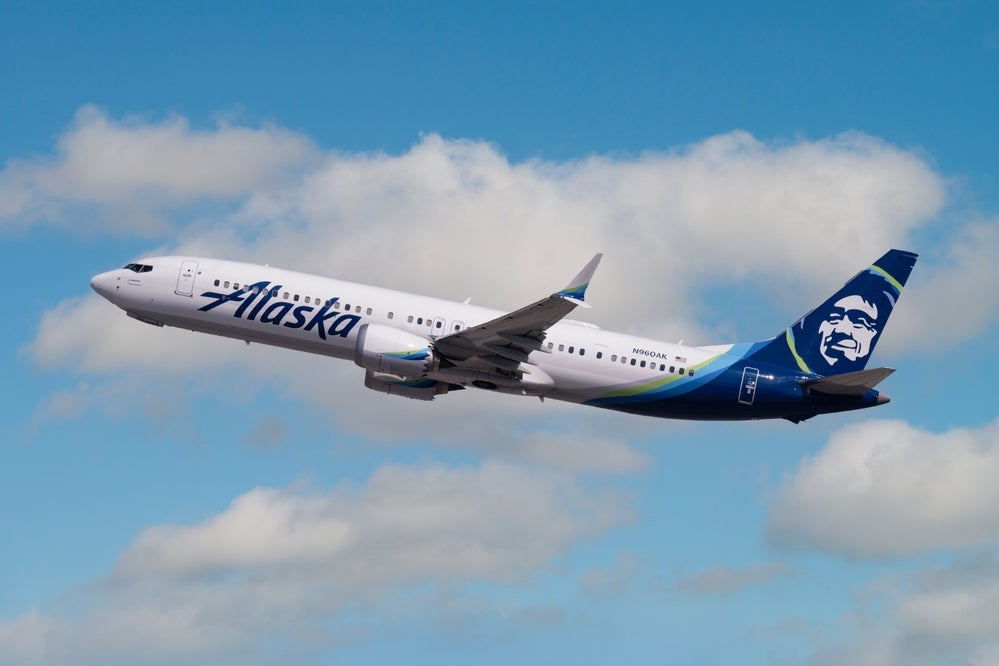
US Stocks Surge as Tech Leads Gains Amid Peace Deal


- Strong Market Performance: The S&P 500 rose by 1.65%, the Nasdaq 100 surged by 3.06%, and the Dow Jones Industrial Average hit a new record high, reflecting investor optimism about market prospects, particularly driven by gains in technology stocks.
- Crude Oil Price Plunge: WTI crude oil prices fell over 4% to a three-month low due to the US-Iran peace agreement and the reopening of the Strait of Hormuz, easing inflation expectations and boosting risk appetite in the equity markets.
- Weak Economic Data: The US June Empire Manufacturing Survey index dropped to 5.7, below the expected 13.7, indicating weakness in manufacturing that could pressure stocks, yet simultaneously supported gains in Treasury bonds.
- Tech Stocks Lead Gains: Chipmakers and AI infrastructure stocks performed strongly, with the iShares Semiconductor ETF rising over 5% and Western Digital up more than 15%, demonstrating strong market confidence in the technology sector.
See More

Investment Opportunities Arising from the 2026 World Cup


- Event Scale and Economic Impact: The 2026 World Cup, hosted in North America, is expected to attract over 6.5 million fans, generating approximately $14 billion in event-related spending and contributing $17.2 billion to the U.S. GDP, highlighting its significant economic impact.
- Investment Return Potential: Historical data indicates that host-country equities have delivered median returns of about 10% during World Cup years, driven by increased tourism spending and consumer sentiment, making related stocks attractive for investors.
- Surge in Advertising Spending: Digital advertising is projected to be a major beneficiary, with an estimated $5 billion increase in global advertising spending, 73% of which is expected to flow through digital channels, showcasing the World Cup's strong influence on the advertising market.
- Recommended Investment Basket: JPMorgan advises investors to consider the 2026 World Cup Beneficiaries Basket, which includes companies like Alphabet, Booking Holdings, and Coca-Cola, anticipating strong performance during the tournament.
See More
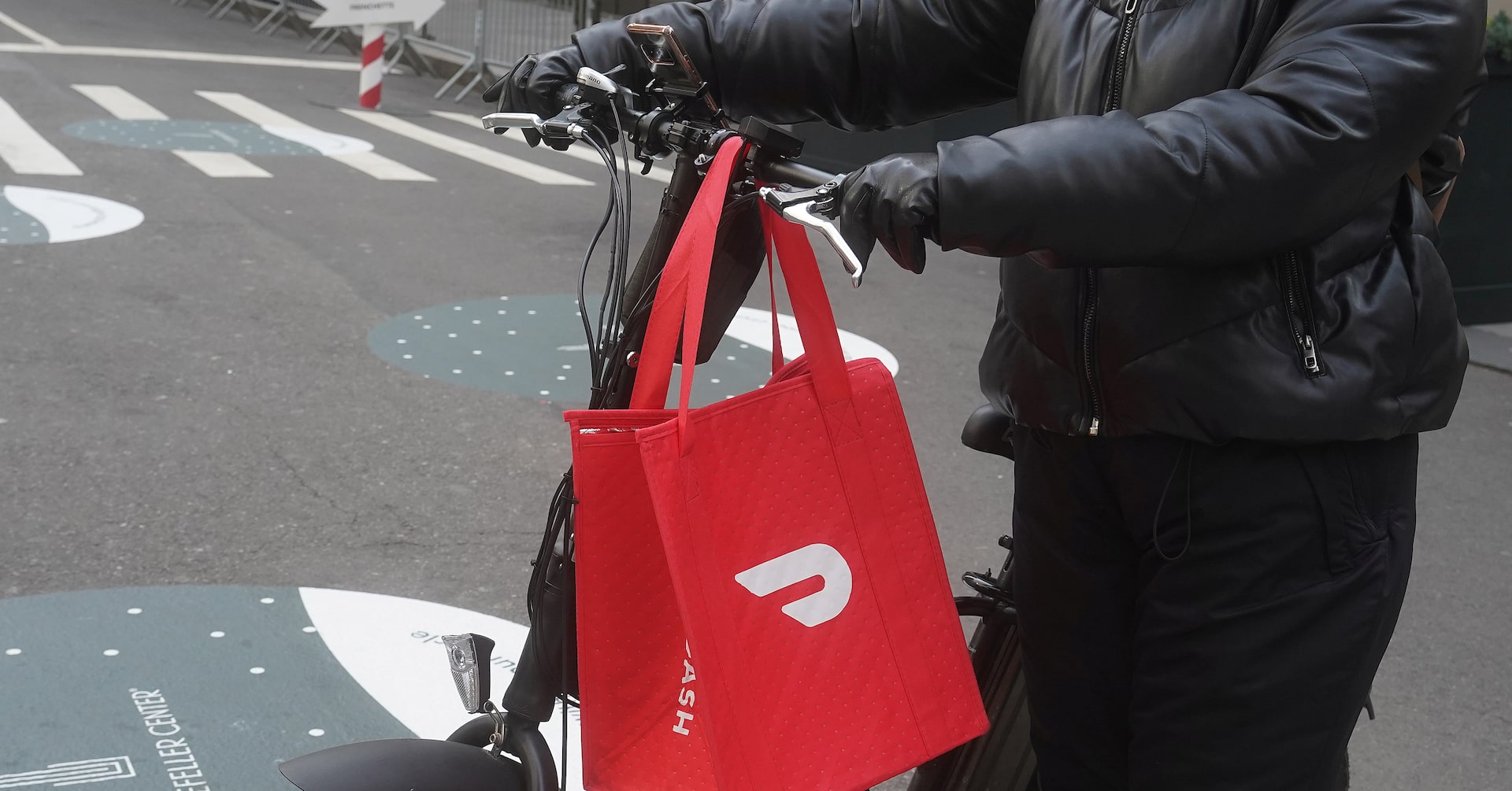
DoorDash Launches AI Assistant to Enhance User Experience

- AI Assistant Feature: DoorDash has launched the 'Ask DoorDash' feature, allowing users to order via text or photos, simplifying the traditional search process, which is expected to enhance user satisfaction and increase order volume.
- Automated Cart Generation: Users can upload recipe photos or grocery lists, and the system automatically selects a local grocery store and fills the cart, reducing duplicate purchases and potentially increasing user retention and shopping efficiency.
- Personalized Recommendations: The new feature allows users to input vague requests like 'filling dinner for a family of 4,' with the system providing immediate recommendations based on user preferences and historical data, enhancing user experience and possibly improving conversion rates.
- Analyst Perspective: Despite Argus analyst Taylor Conrad lowering the price target to $190, he maintains a 'Buy' rating, emphasizing that the company's expansion into grocery delivery will drive future growth, reflecting market confidence in its long-term prospects.
See More

Autonomous Vehicles Transforming Ride-Share Competition


- Importance of Platform Control: The rise of Alphabet and Amazon in the autonomous ride-share sector indicates that platform control may be more critical than the technology itself, which will influence future market dynamics and competitive strategies.
- Value of Partnerships: By establishing strategic partnerships, these companies have enhanced their competitiveness in the ride-share market, highlighting the growing importance of collaboration in a technology-driven industry.
- Impact of Unit Economics: Optimizing unit economics in the ride-share business model will directly affect profitability, and the involvement of Alphabet and Amazon may drive improvements in industry standards.
- Competition Beyond Technology: As autonomous driving technology matures, factors such as platform control, partnerships, and economic models will become key determinants of market winners, potentially altering traditional competitive logic.
See More

DoorDash Launches AI Chatbot to Enhance User Experience
- AI Technology Implementation: DoorDash has launched an AI chatbot named Ask DoorDash, aimed at enhancing user experience in food ordering and reservations through photos and prompts, marking a deeper integration of artificial intelligence into its user interface.
- Market Expansion Plans: The chatbot will be rolled out in select markets, with plans to add more U.S. cities in the coming weeks, demonstrating the company's commitment to accelerating its expansion in the highly competitive food delivery sector.
- Investment Cycle Challenges: DoorDash is in the midst of a massive investment cycle, planning to spend several hundred million dollars on new products and technology by 2026, despite its stock being down 33% this year, indicating market concerns over long-term investment returns.
- Increased Competitive Pressure: With competitors like Uber and Instacart also launching AI tools, DoorDash faces mounting pressure to maintain its market competitiveness, particularly in the rapidly evolving AI application landscape, necessitating continuous innovation to avoid being left behind.
See More
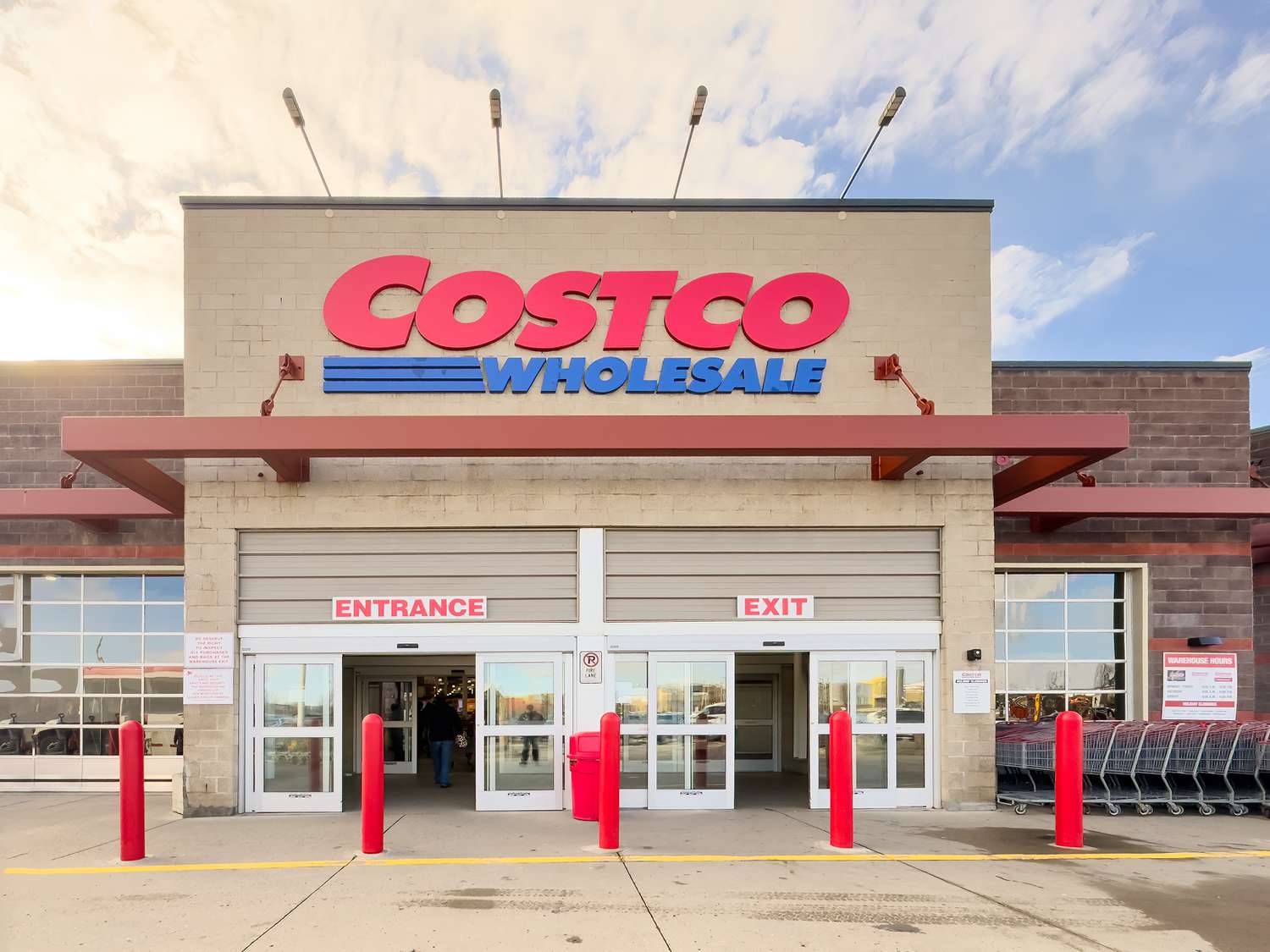
DoorDash Launches AI Chatbot to Enhance User Experience
- AI Chatbot Launch: DoorDash has introduced a chatbot named Ask DoorDash, allowing users to order food and groceries using photos and prompts, marking a deeper integration of AI into the user experience.
- Intensifying Market Competition: As companies like DoorDash, Uber, and Instacart race to incorporate AI into their apps, DoorDash faces significant pressure in a rapidly evolving market to avoid being left behind by competitors.
- Investment Cycle Challenges: Currently in a massive investment cycle, DoorDash plans to spend several hundred million dollars on technology platform integration and upgrades by 2026, despite its stock dropping 33% over the past year, indicating market concerns about its investment strategy.
- Acquisition Integration Progress: Following acquisitions of SevenRooms and Deliveroo, the company is advancing its tech stack integration, with the finance chief stating that most spending is expected to be completed this year to support future growth.
See More
US Stocks Surge as Tech Leads Gains Amid Peace Deal
- Strong Market Performance: The S&P 500 rose by 1.65%, the Nasdaq 100 surged by 3.06%, and the Dow Jones Industrial Average hit a new record high, reflecting investor optimism about market prospects, particularly driven by gains in technology stocks.
- Crude Oil Price Plunge: WTI crude oil prices fell over 4% to a three-month low due to the US-Iran peace agreement and the reopening of the Strait of Hormuz, easing inflation expectations and boosting risk appetite in the equity markets.
- Weak Economic Data: The US June Empire Manufacturing Survey index dropped to 5.7, below the expected 13.7, indicating weakness in manufacturing that could pressure stocks, yet simultaneously supported gains in Treasury bonds.
- Tech Stocks Lead Gains: Chipmakers and AI infrastructure stocks performed strongly, with the iShares Semiconductor ETF rising over 5% and Western Digital up more than 15%, demonstrating strong market confidence in the technology sector.
See More
Investment Opportunities Arising from the 2026 World Cup
- Event Scale and Economic Impact: The 2026 World Cup, hosted in North America, is expected to attract over 6.5 million fans, generating approximately $14 billion in event-related spending and contributing $17.2 billion to the U.S. GDP, highlighting its significant economic impact.
- Investment Return Potential: Historical data indicates that host-country equities have delivered median returns of about 10% during World Cup years, driven by increased tourism spending and consumer sentiment, making related stocks attractive for investors.
- Surge in Advertising Spending: Digital advertising is projected to be a major beneficiary, with an estimated $5 billion increase in global advertising spending, 73% of which is expected to flow through digital channels, showcasing the World Cup's strong influence on the advertising market.
- Recommended Investment Basket: JPMorgan advises investors to consider the 2026 World Cup Beneficiaries Basket, which includes companies like Alphabet, Booking Holdings, and Coca-Cola, anticipating strong performance during the tournament.
See More
DoorDash Launches AI Assistant to Enhance User Experience
- AI Assistant Feature: DoorDash has launched the 'Ask DoorDash' feature, allowing users to order via text or photos, simplifying the traditional search process, which is expected to enhance user satisfaction and increase order volume.
- Automated Cart Generation: Users can upload recipe photos or grocery lists, and the system automatically selects a local grocery store and fills the cart, reducing duplicate purchases and potentially increasing user retention and shopping efficiency.
- Personalized Recommendations: The new feature allows users to input vague requests like 'filling dinner for a family of 4,' with the system providing immediate recommendations based on user preferences and historical data, enhancing user experience and possibly improving conversion rates.
- Analyst Perspective: Despite Argus analyst Taylor Conrad lowering the price target to $190, he maintains a 'Buy' rating, emphasizing that the company's expansion into grocery delivery will drive future growth, reflecting market confidence in its long-term prospects.
See More
Autonomous Vehicles Transforming Ride-Share Competition
- Importance of Platform Control: The rise of Alphabet and Amazon in the autonomous ride-share sector indicates that platform control may be more critical than the technology itself, which will influence future market dynamics and competitive strategies.
- Value of Partnerships: By establishing strategic partnerships, these companies have enhanced their competitiveness in the ride-share market, highlighting the growing importance of collaboration in a technology-driven industry.
- Impact of Unit Economics: Optimizing unit economics in the ride-share business model will directly affect profitability, and the involvement of Alphabet and Amazon may drive improvements in industry standards.
- Competition Beyond Technology: As autonomous driving technology matures, factors such as platform control, partnerships, and economic models will become key determinants of market winners, potentially altering traditional competitive logic.
See More
DoorDash Launches AI Chatbot to Enhance User Experience
- AI Technology Implementation: DoorDash has launched an AI chatbot named Ask DoorDash, aimed at enhancing user experience in food ordering and reservations through photos and prompts, marking a deeper integration of artificial intelligence into its user interface.
- Market Expansion Plans: The chatbot will be rolled out in select markets, with plans to add more U.S. cities in the coming weeks, demonstrating the company's commitment to accelerating its expansion in the highly competitive food delivery sector.
- Investment Cycle Challenges: DoorDash is in the midst of a massive investment cycle, planning to spend several hundred million dollars on new products and technology by 2026, despite its stock being down 33% this year, indicating market concerns over long-term investment returns.
- Increased Competitive Pressure: With competitors like Uber and Instacart also launching AI tools, DoorDash faces mounting pressure to maintain its market competitiveness, particularly in the rapidly evolving AI application landscape, necessitating continuous innovation to avoid being left behind.
See More
DoorDash Launches AI Chatbot to Enhance User Experience
- AI Chatbot Launch: DoorDash has introduced a chatbot named Ask DoorDash, allowing users to order food and groceries using photos and prompts, marking a deeper integration of AI into the user experience.
- Intensifying Market Competition: As companies like DoorDash, Uber, and Instacart race to incorporate AI into their apps, DoorDash faces significant pressure in a rapidly evolving market to avoid being left behind by competitors.
- Investment Cycle Challenges: Currently in a massive investment cycle, DoorDash plans to spend several hundred million dollars on technology platform integration and upgrades by 2026, despite its stock dropping 33% over the past year, indicating market concerns about its investment strategy.
- Acquisition Integration Progress: Following acquisitions of SevenRooms and Deliveroo, the company is advancing its tech stack integration, with the finance chief stating that most spending is expected to be completed this year to support future growth.
See More





