Tesla announces Q3 adjusted EPS of 50 cents, falling short of consensus estimate of 56 cents.
Written by Emily J. Thompson, Senior Investment Analyst
Updated: Oct 22 2025
0mins
Should l Buy TSLA?
Q3 Revenue Performance: Tesla reported a Q3 revenue of $28.1 billion, exceeding the consensus estimate of $26.7 billion.
Focus on Long-Term Growth: The company acknowledges near-term uncertainties due to changing trade and fiscal policies but emphasizes its commitment to long-term growth and value creation.
Strategic Investments: Tesla is making prudent investments in its business, including future business lines, to drive significant value across transport, energy, and robotics.
Vision for the Future: The company believes that its investments will lead to incredible value for both Tesla and the world.
Trade with 70% Backtested Accuracy
Stop guessing "Should I Buy TSLA?" and start using high-conviction signals backed by rigorous historical data.
Sign up today to access powerful investing tools and make smarter, data-driven decisions.
Analyst Views on TSLA
Wall Street analysts forecast TSLA stock price to rise over the next 12 months. According to Wall Street analysts, the average 1-year price target for TSLA is 401.93 USD with a low forecast of 25.28 USD and a high forecast of 600.00 USD. However, analyst price targets are subjective and often lag stock prices, so investors should focus on the objective reasons behind analyst rating changes, which better reflect the company's fundamentals.
30 Analyst Rating
12 Buy
11 Hold
7 Sell
Hold
Current: 397.210

Low
25.28
Averages
401.93
High
600.00
Current: 397.210
Low
25.28
Averages
401.93
High
600.00
About TSLA
Tesla, Inc. designs, develops, manufactures, sells and leases high-performance fully electric vehicles and energy generation and storage systems, and offers services related to its products. Its segments include automotive, and energy generation and storage. The automotive segment includes the design, development, manufacturing, sales and leasing of high-performance fully electric vehicles, and sales of automotive regulatory credits. It also includes sales of used vehicles, non-warranty maintenance services and collisions, part sales, paid supercharging, insurance services revenue and retail merchandise sales. The energy generation and storage segment include the design, manufacture, installation, sales and leasing of solar energy generation and energy storage products and related services and sales of solar energy systems incentives. Its consumer vehicles include the Model 3, Y, S, X and Cybertruck. Its lithium-ion battery energy storage products include Powerwall and Megapack.
About the author

Emily J. Thompson
Emily J. Thompson, a Chartered Financial Analyst (CFA) with 12 years in investment research, graduated with honors from the Wharton School. Specializing in industrial and technology stocks, she provides in-depth analysis for Intellectia’s earnings and market brief reports.
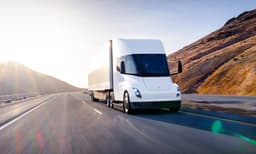
Tesla's Investor Update Shifts Market Perception

- Strategic Shift: Tesla's commitment of $20 billion to build six new factories by 2026, while criticized as a departure from electric vehicles, actually supports its vision for future autonomous driving and transportation services, thereby reinforcing its dominance in the EV market.
- Increased Cash Flow Risk: Tesla is projected to face a $6.2 billion cash outflow in 2026, and although the CFO claims the company has $44 billion in cash and investments to fund spending, this significant investment could strain financial health in the short term, impacting investor confidence.
- Regulatory Challenges: The deployment of Tesla's robotaxis lacks regulatory approval outside Texas, rendering its business model uncertain and increasing investment risks, as the company cannot control the approval process.
- Intensifying Market Competition: With Nvidia potentially competing with Tesla's full self-driving software in the next five years, the company's market position may be threatened, prompting investors to carefully assess its long-term growth potential.
See More

Musk Predicts Widespread Adoption of Tesla's Robotaxi Service
- Optimistic Market Outlook: Musk predicts that Tesla's robotaxi service will be widely launched across multiple U.S. cities by the end of this year, a forecast based on current market dynamics, which, if realized, would provide strong competitive confidence to investors, especially against Waymo.
- Competitive Pressure: Although Tesla lags behind Waymo in the robotaxi sector, which averages 450,000 paid rides per week, Tesla's rapid expansion plans could alter the market landscape and attract more investor attention.
- Valuation Risks: Tesla's price-to-earnings ratio stands at 390 times, significantly higher than the S&P 500's average of 26 times, which requires investors to have extreme confidence in Tesla's technological leadership and future market dominance, yet this confidence may face real challenges.
- Cautious Investment Advice: While widespread growth of the robotaxi business could serve as a catalyst for Tesla's stock price, investors should adopt a wait-and-see approach rather than rushing to buy based on expectations, given the high valuation and Musk's ambitious targets.
See More
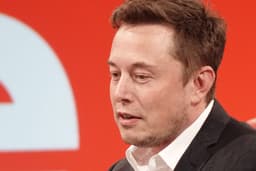
Musk Warns of Imminent U.S. Bankruptcy Risk
- National Debt Warning: Musk highlights that the U.S. national debt has reached $38.56 trillion, with federal spending exceeding revenue by approximately $602 billion in fiscal year 2026, indicating a severe financial crisis that could lead to bankruptcy without intervention.
- Interest Payment Pressure: He emphasizes that interest payments on the national debt now exceed the military budget of $1 trillion, with projections indicating that these payments will surpass $1.5 trillion by 2032 and reach $1.8 trillion by 2035, exacerbating fiscal strain.
- Dollar Devaluation Risk: Musk warns that the devaluation of the dollar will significantly impact the economy, as the purchasing power of $100 in 2025 is equivalent to just $12.06 in 1970, highlighting the increasing effects of currency depreciation on consumers.
- Investor Strategies: Despite the grim outlook, Musk believes investors can still protect their wealth by adapting their strategies, underscoring the potential of AI and robotics to enhance productivity and mitigate the fiscal challenges facing the nation.
See More
India Cuts Tariffs on High-End U.S. Cars, Excludes Tesla
- Tariff Reduction Policy: India is set to cut tariffs on high-end American cars from as high as 110% to 30%, while also eliminating duties on Harley-Davidson motorcycles, indicating a thaw in trade relations with the U.S., yet electric vehicles remain excluded.
- Tesla's Exclusion: Despite significant tariff reductions, Tesla's electric vehicles are left out, posing a barrier to the company's expansion in the Indian market, particularly as Elon Musk has frequently criticized the high tariffs.
- Market Protection Measures: India has long protected its domestic auto industry with import tariffs as high as 110%, and while this policy shift may attract more high-end car brands, the exclusion of electric vehicles could hinder their competitive edge in the market.
- Future Outlook: The tariff cuts are expected to be implemented after both sides sign an agreement in March, and this policy change could reshape the Indian automotive landscape in the coming years, although Tesla will need to explore alternative routes to enter the market.
See More
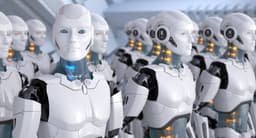
Future Prospects of Humanoid Robots

- Market Potential for Humanoids: Morgan Stanley forecasts that by 2050, 10% of U.S. households could own a humanoid robot priced at $50,000, indicating a growing demand for humanoid robots in both domestic and industrial applications.
- Factory Integration Plans: Hyundai plans to deploy Atlas robots in its Georgia car factory by 2028, starting with simple tasks like parts sequencing and expanding to more complex activities by 2030, showcasing the potential for humanoid robots in manufacturing.
- Toyota's AI Breakthrough: Toyota's collaboration with Boston Dynamics utilizes large behavior model (LBM) AI to enhance Atlas robots' learning capabilities, allowing them to adapt quickly to changes in factory settings, which could accelerate the development of advanced robotic skills.
- Tesla's Robotics Strategy: Tesla aims to convert its Fremont factory to produce Optimus robots with a target capacity of 1 million units per year, and although still in the R&D phase, Musk believes that 80% of the company's future value will derive from this business, highlighting the strategic importance of robotics for Tesla.
See More
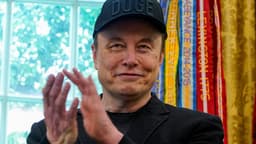
Musk's Wealth Surges to $845 Billion Amid SpaceX-xAI Merger

- Wealth Milestone: Musk's net worth surpassed $800 billion for the first time this week, now estimated at $845 billion, exceeding the combined wealth of Google founders and Meta's CEO, highlighting his immense influence in the tech sector.
- Acquisition Impact: Following SpaceX's acquisition of xAI, the merged entity is valued at $1.25 trillion, with Musk's 43% stake worth over $530 billion, marking a rapid shift in his fortunes that may affect his focus on Tesla.
- Market Outlook: SpaceX has secured over $20 billion in government contracts, with more lucrative deals anticipated, as Musk frames the acquisition as a significant step towards
See More
Tesla's Investor Update Shifts Market Perception
- Strategic Shift: Tesla's commitment of $20 billion to build six new factories by 2026, while criticized as a departure from electric vehicles, actually supports its vision for future autonomous driving and transportation services, thereby reinforcing its dominance in the EV market.
- Increased Cash Flow Risk: Tesla is projected to face a $6.2 billion cash outflow in 2026, and although the CFO claims the company has $44 billion in cash and investments to fund spending, this significant investment could strain financial health in the short term, impacting investor confidence.
- Regulatory Challenges: The deployment of Tesla's robotaxis lacks regulatory approval outside Texas, rendering its business model uncertain and increasing investment risks, as the company cannot control the approval process.
- Intensifying Market Competition: With Nvidia potentially competing with Tesla's full self-driving software in the next five years, the company's market position may be threatened, prompting investors to carefully assess its long-term growth potential.
See More
Musk Predicts Widespread Adoption of Tesla's Robotaxi Service
- Optimistic Market Outlook: Musk predicts that Tesla's robotaxi service will be widely launched across multiple U.S. cities by the end of this year, a forecast based on current market dynamics, which, if realized, would provide strong competitive confidence to investors, especially against Waymo.
- Competitive Pressure: Although Tesla lags behind Waymo in the robotaxi sector, which averages 450,000 paid rides per week, Tesla's rapid expansion plans could alter the market landscape and attract more investor attention.
- Valuation Risks: Tesla's price-to-earnings ratio stands at 390 times, significantly higher than the S&P 500's average of 26 times, which requires investors to have extreme confidence in Tesla's technological leadership and future market dominance, yet this confidence may face real challenges.
- Cautious Investment Advice: While widespread growth of the robotaxi business could serve as a catalyst for Tesla's stock price, investors should adopt a wait-and-see approach rather than rushing to buy based on expectations, given the high valuation and Musk's ambitious targets.
See More
Musk Warns of Imminent U.S. Bankruptcy Risk
- National Debt Warning: Musk highlights that the U.S. national debt has reached $38.56 trillion, with federal spending exceeding revenue by approximately $602 billion in fiscal year 2026, indicating a severe financial crisis that could lead to bankruptcy without intervention.
- Interest Payment Pressure: He emphasizes that interest payments on the national debt now exceed the military budget of $1 trillion, with projections indicating that these payments will surpass $1.5 trillion by 2032 and reach $1.8 trillion by 2035, exacerbating fiscal strain.
- Dollar Devaluation Risk: Musk warns that the devaluation of the dollar will significantly impact the economy, as the purchasing power of $100 in 2025 is equivalent to just $12.06 in 1970, highlighting the increasing effects of currency depreciation on consumers.
- Investor Strategies: Despite the grim outlook, Musk believes investors can still protect their wealth by adapting their strategies, underscoring the potential of AI and robotics to enhance productivity and mitigate the fiscal challenges facing the nation.
See More
India Cuts Tariffs on High-End U.S. Cars, Excludes Tesla
- Tariff Reduction Policy: India is set to cut tariffs on high-end American cars from as high as 110% to 30%, while also eliminating duties on Harley-Davidson motorcycles, indicating a thaw in trade relations with the U.S., yet electric vehicles remain excluded.
- Tesla's Exclusion: Despite significant tariff reductions, Tesla's electric vehicles are left out, posing a barrier to the company's expansion in the Indian market, particularly as Elon Musk has frequently criticized the high tariffs.
- Market Protection Measures: India has long protected its domestic auto industry with import tariffs as high as 110%, and while this policy shift may attract more high-end car brands, the exclusion of electric vehicles could hinder their competitive edge in the market.
- Future Outlook: The tariff cuts are expected to be implemented after both sides sign an agreement in March, and this policy change could reshape the Indian automotive landscape in the coming years, although Tesla will need to explore alternative routes to enter the market.
See More
Future Prospects of Humanoid Robots
- Market Potential for Humanoids: Morgan Stanley forecasts that by 2050, 10% of U.S. households could own a humanoid robot priced at $50,000, indicating a growing demand for humanoid robots in both domestic and industrial applications.
- Factory Integration Plans: Hyundai plans to deploy Atlas robots in its Georgia car factory by 2028, starting with simple tasks like parts sequencing and expanding to more complex activities by 2030, showcasing the potential for humanoid robots in manufacturing.
- Toyota's AI Breakthrough: Toyota's collaboration with Boston Dynamics utilizes large behavior model (LBM) AI to enhance Atlas robots' learning capabilities, allowing them to adapt quickly to changes in factory settings, which could accelerate the development of advanced robotic skills.
- Tesla's Robotics Strategy: Tesla aims to convert its Fremont factory to produce Optimus robots with a target capacity of 1 million units per year, and although still in the R&D phase, Musk believes that 80% of the company's future value will derive from this business, highlighting the strategic importance of robotics for Tesla.
See More
Musk's Wealth Surges to $845 Billion Amid SpaceX-xAI Merger
- Wealth Milestone: Musk's net worth surpassed $800 billion for the first time this week, now estimated at $845 billion, exceeding the combined wealth of Google founders and Meta's CEO, highlighting his immense influence in the tech sector.
- Acquisition Impact: Following SpaceX's acquisition of xAI, the merged entity is valued at $1.25 trillion, with Musk's 43% stake worth over $530 billion, marking a rapid shift in his fortunes that may affect his focus on Tesla.
- Market Outlook: SpaceX has secured over $20 billion in government contracts, with more lucrative deals anticipated, as Musk frames the acquisition as a significant step towards
See More