Charlotte Tops 2025 Power City Index, Outperforming Silicon Valley
Written by Emily J. Thompson, Senior Investment Analyst
Updated: Jan 02 2026
0mins


Should l Buy ALB?
Source: CNBC
- Charlotte's Victory: The Charlotte Power City Index achieved a median return exceeding 22% in 2025, not only surpassing Silicon Valley but also establishing itself as the best-performing city nationwide, showcasing the region's robust economic recovery.
- Key Drivers: The stock prices of seven major companies, including lithium miner Albemarle (ALB) and banking giant Bank of America (BAC), rose over 20%, driving Charlotte's overall returns and reflecting the resilience of its diversified economy.
- Silicon Valley's Strong Performance: Although Silicon Valley's Power City Index recorded a return of over 21%, primarily fueled by tech giants like Nvidia (NVDA) and Alphabet (GOOGL), it fell short of the top spot due to a 27% drop in ServiceNow (NOW) shares.
- Washington D.C.'s Steady Performance: The Washington D.C. Power City Index posted a return of approximately 17%, with defense contractors like Raytheon Technologies (RTX) and Northrop Grumman (NOC) standing out, highlighting the region's attractiveness for defense sector investments.
Trade with 70% Backtested Accuracy
Stop guessing "Should I Buy ALB?" and start using high-conviction signals backed by rigorous historical data.
Sign up today to access powerful investing tools and make smarter, data-driven decisions.
Analyst Views on ALB
Wall Street analysts forecast ALB stock price to fall
20 Analyst Rating
10 Buy
10 Hold
0 Sell
Moderate Buy
Current: 165.830

Low
85.00
Averages
149.79
High
210.00
Current: 165.830
Low
85.00
Averages
149.79
High
210.00
About ALB
Albemarle Corporation is engaged in transforming essential resources into critical ingredients for mobility, energy, connectivity, and health. The Company’s segments include Energy Storage, Specialties, and Ketjen. The Energy Storage segment develops and manufactures a range of basic lithium compounds, including lithium carbonate, lithium hydroxide, and lithium chloride. Its Specialties business optimizes its portfolio of bromine and highly specialized lithium solutions. Its Specialties business serves a variety of industries, including energy, mobility, connectivity, and health. Specialty products are essential in both internal combustion and electric vehicles, from high-voltage cables and powertrains to airbags and tires. Its Ketjen segment includes clean fuels technologies (CFT), fluidized catalytic cracking (FCC) catalysts and additives, and performance catalyst solutions (PCS). It serves various markets such as grid storage, automotive, aerospace, conventional energy, and others.
About the author

Emily J. Thompson
Emily J. Thompson, a Chartered Financial Analyst (CFA) with 12 years in investment research, graduated with honors from the Wharton School. Specializing in industrial and technology stocks, she provides in-depth analysis for Intellectia’s earnings and market brief reports.

Uber to Invest $1.25 Billion in Rivian for Robotaxi Deployment


- Investment Scale: Uber plans to invest up to $1.25 billion in electric vehicle maker Rivian to support the deployment of up to 50,000 robotaxis across several countries by 2031, demonstrating strong confidence in the future mobility market.
- Order Details: Under the agreement, Uber and its fleet partners will purchase 10,000 autonomous versions of Rivian's upcoming R2 electric vehicle, with an option to buy up to 40,000 more starting in 2030, further solidifying Uber's market position in autonomous driving.
- Market Reaction: Rivian's shares rose approximately 10% following the announcement, while Uber's stock remained relatively flat, reflecting investor optimism about Rivian's growth potential and indicating Uber's strategic positioning in the robotaxi market.
- Technology Integration: Rivian CEO RJ Scaringe emphasized that the combination of artificial intelligence and advanced semiconductor technologies will enable Rivian's R2 and its autonomous driving capabilities to succeed in the robotaxi sector, signaling a significant transformation in future mobility.
See More
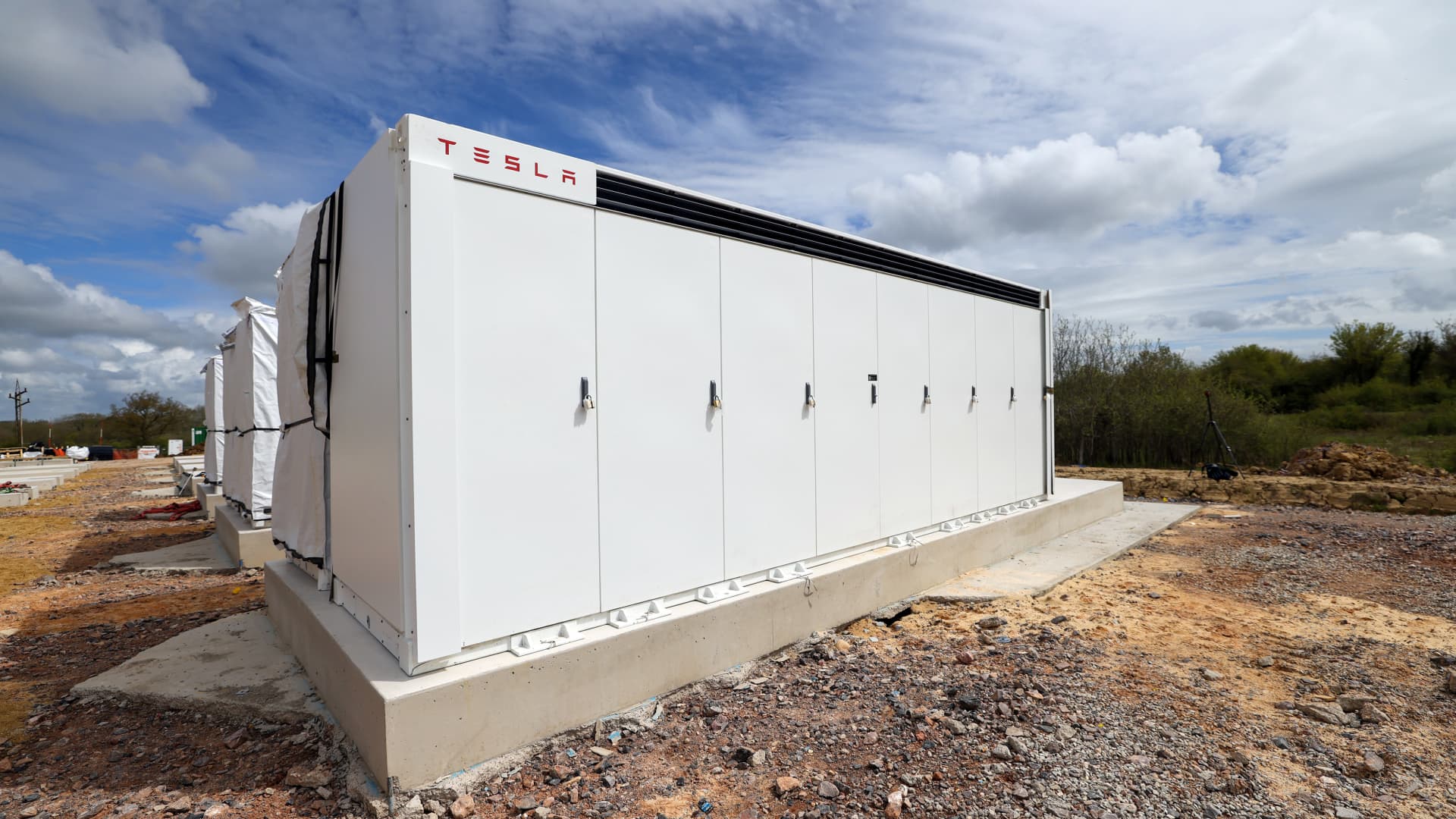
Tesla Strikes $4.3 Billion Battery Deal with LG Energy


- Battery Procurement Agreement: Tesla has struck a $4.3 billion deal with LG Energy Solution to procure battery cells for energy storage systems produced in Lansing, Michigan, further solidifying its position in the energy market.
- Energy Business Growth: Tesla's energy segment saw a 27% revenue increase last year, reaching $12.8 billion and accounting for 13% of total revenue, showcasing its rapid expansion potential outside of electric vehicles, despite a 10% decline in the auto sector.
- Production Line Development: LG Energy will establish dedicated production lines at its Lansing facility to meet Tesla's needs, indicating the depth of their collaboration and expectations for future market demand, while also reflecting LG's commitment to battery production capabilities.
- Market Competition Pressure: Tesla anticipates margin compression in its energy business due to low-cost competition, particularly from BYD in China and emerging climate-tech startups, highlighting the complexity of the market environment and the intensity of competition.
See More
Albemarle Files for Mixed Shelf Offering Amid Market Fluctuations

- Filing Submission: Albemarle has submitted a mixed shelf offering filing, with the offering size yet to be disclosed, indicating the company's proactive approach in capital markets to secure funding for future expansions and investments.
- Market Performance Review: Year-to-date, Albemarle's stock has risen approximately 15%, reflecting market recognition of its leadership in lithium production and growth potential, despite concerns over demand outlook due to the Middle East conflict.
- Lithium Market Dynamics: With Zimbabwe banning exports of lithium concentrates and raw minerals, lithium stocks have generally risen, which may further impact the global lithium supply chain, positioning Albemarle to benefit from price increases and shifts in market demand.
- Demand Outlook Uncertainty: Although lithium supply and demand are improving, market analysts suggest that Albemarle may still face uncertainties regarding demand outlook, particularly amid escalating geopolitical tensions that could affect its future sales and profitability.
See More

Albemarle Raises Cash Tender Offer Cap to $650 Million
- Increased Offer Cap: Albemarle has raised the cash tender offer cap from $500 million to $650 million, reflecting the company's proactive response to market demand and aiming to enhance its debt management capabilities and optimize capital structure.
- Tendered Notes Overview: As of March 13, 2026, validly tendered notes totaled $640 million, indicating strong investor confidence in the company's debt, which is expected to help lower financing costs and improve financial flexibility.
- Early Tender Premium: Holders who participated in the early tender will receive a $50 premium per $1,000 of notes, a measure that not only incentivizes investor participation but may also enhance the company's attractiveness in future financing efforts.
- Market Reaction Anticipation: The company expects to announce the total consideration on March 16, 2026, with positive market reactions anticipated, potentially driving stock price increases and bolstering investor confidence.
See More
Albemarle Raises Cash Tender Offer Cap to $650 Million
- Offer Cap Increase: Albemarle Corporation has raised the cash tender offer cap from $500 million to $650 million to accept validly tendered notes, reflecting the company's proactive response to market demand.
- Tender Results: As of the early tender time on March 13, 2026, $254,320,000 of the 6.5% Senior Notes due 2052 were validly tendered, indicating strong investor interest in these securities.
- Early Tender Premium: Investors who participated in the tender will receive a $50 early tender premium per $1,000 of notes, further incentivizing participation and potentially enhancing the company's liquidity and capital structure.
- Future Announcements: The company expects to announce the total consideration on March 16, 2026, demonstrating sensitivity to market dynamics and transparency to investors, aiming to bolster market confidence and attract further investment.
See More
REalloys' Critical Role in the Rare Earth Supply Chain

- Domestic Processing Capability: REalloys operates a facility in Ohio that converts heavy rare earth materials into high-performance alloys, fulfilling U.S. Department of Defense contracts and ensuring that American supply chains are no longer reliant on offshore processing, thereby enhancing national security.
- Capacity Expansion Plans: The company plans to invest $21 million to boost heavy rare earth processing capacity by 300%, with expectations to produce 30 tonnes of dysprosium oxide and 15 tonnes of terbium oxide annually by 2027, further solidifying its leadership position in the North American market.
- Diversified Supply Chain Development: REalloys has established long-term supply agreements with Kazakhstan, Brazil, and Greenland, ensuring a stable supply of rare earth materials that directly support U.S. defense projects and reduce dependence on Chinese sources.
- Technological Advantage and Market Demand: REalloys' processing technology enables it to provide defense-grade metals and alloys domestically, meeting the demand for high-performance rare earth magnets and ensuring a competitive edge in future markets.
See More
Uber to Invest $1.25 Billion in Rivian for Robotaxi Deployment
- Investment Scale: Uber plans to invest up to $1.25 billion in electric vehicle maker Rivian to support the deployment of up to 50,000 robotaxis across several countries by 2031, demonstrating strong confidence in the future mobility market.
- Order Details: Under the agreement, Uber and its fleet partners will purchase 10,000 autonomous versions of Rivian's upcoming R2 electric vehicle, with an option to buy up to 40,000 more starting in 2030, further solidifying Uber's market position in autonomous driving.
- Market Reaction: Rivian's shares rose approximately 10% following the announcement, while Uber's stock remained relatively flat, reflecting investor optimism about Rivian's growth potential and indicating Uber's strategic positioning in the robotaxi market.
- Technology Integration: Rivian CEO RJ Scaringe emphasized that the combination of artificial intelligence and advanced semiconductor technologies will enable Rivian's R2 and its autonomous driving capabilities to succeed in the robotaxi sector, signaling a significant transformation in future mobility.
See More
Tesla Strikes $4.3 Billion Battery Deal with LG Energy
- Battery Procurement Agreement: Tesla has struck a $4.3 billion deal with LG Energy Solution to procure battery cells for energy storage systems produced in Lansing, Michigan, further solidifying its position in the energy market.
- Energy Business Growth: Tesla's energy segment saw a 27% revenue increase last year, reaching $12.8 billion and accounting for 13% of total revenue, showcasing its rapid expansion potential outside of electric vehicles, despite a 10% decline in the auto sector.
- Production Line Development: LG Energy will establish dedicated production lines at its Lansing facility to meet Tesla's needs, indicating the depth of their collaboration and expectations for future market demand, while also reflecting LG's commitment to battery production capabilities.
- Market Competition Pressure: Tesla anticipates margin compression in its energy business due to low-cost competition, particularly from BYD in China and emerging climate-tech startups, highlighting the complexity of the market environment and the intensity of competition.
See More
Albemarle Files for Mixed Shelf Offering Amid Market Fluctuations
- Filing Submission: Albemarle has submitted a mixed shelf offering filing, with the offering size yet to be disclosed, indicating the company's proactive approach in capital markets to secure funding for future expansions and investments.
- Market Performance Review: Year-to-date, Albemarle's stock has risen approximately 15%, reflecting market recognition of its leadership in lithium production and growth potential, despite concerns over demand outlook due to the Middle East conflict.
- Lithium Market Dynamics: With Zimbabwe banning exports of lithium concentrates and raw minerals, lithium stocks have generally risen, which may further impact the global lithium supply chain, positioning Albemarle to benefit from price increases and shifts in market demand.
- Demand Outlook Uncertainty: Although lithium supply and demand are improving, market analysts suggest that Albemarle may still face uncertainties regarding demand outlook, particularly amid escalating geopolitical tensions that could affect its future sales and profitability.
See More
Albemarle Raises Cash Tender Offer Cap to $650 Million
- Increased Offer Cap: Albemarle has raised the cash tender offer cap from $500 million to $650 million, reflecting the company's proactive response to market demand and aiming to enhance its debt management capabilities and optimize capital structure.
- Tendered Notes Overview: As of March 13, 2026, validly tendered notes totaled $640 million, indicating strong investor confidence in the company's debt, which is expected to help lower financing costs and improve financial flexibility.
- Early Tender Premium: Holders who participated in the early tender will receive a $50 premium per $1,000 of notes, a measure that not only incentivizes investor participation but may also enhance the company's attractiveness in future financing efforts.
- Market Reaction Anticipation: The company expects to announce the total consideration on March 16, 2026, with positive market reactions anticipated, potentially driving stock price increases and bolstering investor confidence.
See More
Albemarle Raises Cash Tender Offer Cap to $650 Million
- Offer Cap Increase: Albemarle Corporation has raised the cash tender offer cap from $500 million to $650 million to accept validly tendered notes, reflecting the company's proactive response to market demand.
- Tender Results: As of the early tender time on March 13, 2026, $254,320,000 of the 6.5% Senior Notes due 2052 were validly tendered, indicating strong investor interest in these securities.
- Early Tender Premium: Investors who participated in the tender will receive a $50 early tender premium per $1,000 of notes, further incentivizing participation and potentially enhancing the company's liquidity and capital structure.
- Future Announcements: The company expects to announce the total consideration on March 16, 2026, demonstrating sensitivity to market dynamics and transparency to investors, aiming to bolster market confidence and attract further investment.
See More
REalloys' Critical Role in the Rare Earth Supply Chain
- Domestic Processing Capability: REalloys operates a facility in Ohio that converts heavy rare earth materials into high-performance alloys, fulfilling U.S. Department of Defense contracts and ensuring that American supply chains are no longer reliant on offshore processing, thereby enhancing national security.
- Capacity Expansion Plans: The company plans to invest $21 million to boost heavy rare earth processing capacity by 300%, with expectations to produce 30 tonnes of dysprosium oxide and 15 tonnes of terbium oxide annually by 2027, further solidifying its leadership position in the North American market.
- Diversified Supply Chain Development: REalloys has established long-term supply agreements with Kazakhstan, Brazil, and Greenland, ensuring a stable supply of rare earth materials that directly support U.S. defense projects and reduce dependence on Chinese sources.
- Technological Advantage and Market Demand: REalloys' processing technology enables it to provide defense-grade metals and alloys domestically, meeting the demand for high-performance rare earth magnets and ensuring a competitive edge in future markets.
See More