BYD Surpasses Tesla as Top EV Seller with 2.26 Million Units in 2025
Written by Emily J. Thompson, Senior Investment Analyst
Updated: Jan 05 2026
0mins


Source: CNBC
- Sales Milestone: BYD sold 2.26 million battery-powered vehicles in 2025, surpassing Tesla's 1.64 million, demonstrating the dominance of Chinese EV manufacturers and solidifying its competitive edge in the global EV market.
- Market Share Growth: This sales increase not only reflects strong domestic demand for BYD but also indicates the effectiveness of its international expansion strategy, thereby enhancing its brand influence and market share.
- Industry Trend: BYD's success highlights the rise of Chinese manufacturers in the global EV sector, potentially prompting other automakers to increase their investments and R&D efforts in electric vehicles.
- Future Outlook: The sales growth lays a solid foundation for BYD's future business expansion, with expectations of continued investment in technological innovation and market development to tackle intensifying competition.
Trade with 70% Backtested Accuracy
Stop guessing "Should I Buy BYD?" and start using high-conviction signals backed by rigorous historical data.
Sign up today to access powerful investing tools and make smarter, data-driven decisions.
Analyst Views on BYD
Wall Street analysts forecast BYD stock price to rise
11 Analyst Rating
4 Buy
7 Hold
0 Sell
Moderate Buy
Current: 84.960

Low
84.00
Averages
93.70
High
110.00
Current: 84.960
Low
84.00
Averages
93.70
High
110.00
About BYD
Boyd Gaming Corporation is a gaming company. The Company operates over 27 brick-and-mortar gaming entertainment properties. It owns and operates Boyd Interactive, a business-to-business (B2B) and business-to-consumer (B2C) online casino gaming business. Its segments include Las Vegas Locals, Downtown Las Vegas, Midwest & South, and Online. The Las Vegas Locals segment consists of eight casinos in the Las Vegas metropolitan area. The Downtown Las Vegas segment consists of California Hotel and Casino, Fremont Hotel & Casino, and Main Street Station Hotel and Casino. Its Midwest & South properties consist of five land-based casinos, five dockside riverboat casinos, three racinos and four barge-based casinos that operate in ten states, predominantly in the Midwest and southern United States. The Online segment includes its online gaming technology company that provides proprietary solutions on both a B2B and B2C basis in regulated markets across the United States and Canada.
About the author

Emily J. Thompson
Emily J. Thompson, a Chartered Financial Analyst (CFA) with 12 years in investment research, graduated with honors from the Wharton School. Specializing in industrial and technology stocks, she provides in-depth analysis for Intellectia’s earnings and market brief reports.

Texas Capital Initiates Buy Rating on Boyd Gaming
- Positive Market Outlook: Texas Capital analyst David Bain believes that Boyd Gaming (BYD) is poised for a growth inflection in the Las Vegas Locals segment by late 2026, despite contributions from its Midwest and South divisions being more significant, indicating that Las Vegas performance will dictate stock sentiment.
- Diverse Growth Potential: Bain forecasts that all five of Boyd's divisions will grow by year-end for the first time in years, with each turn of multiple valued at approximately $13 per share, highlighting the company's potential value in the market.
- Management Team Advantage: Boyd's disciplined, ROI-focused management team is expected to effectively execute on opportunistic asset sales related to Caesars (CZR), further enhancing the company's financial performance and market position.
- Attractive Valuation: Bain noted that Boyd trades at 7.2X/6.7X traditional EV/EBITDA, significantly below its peers and its ~10X pre-COVID average, indicating strong investment appeal, with Texas Capital assigning a price target of $106.
See More
Tesla's China EV Sales Surge by Nearly 40%

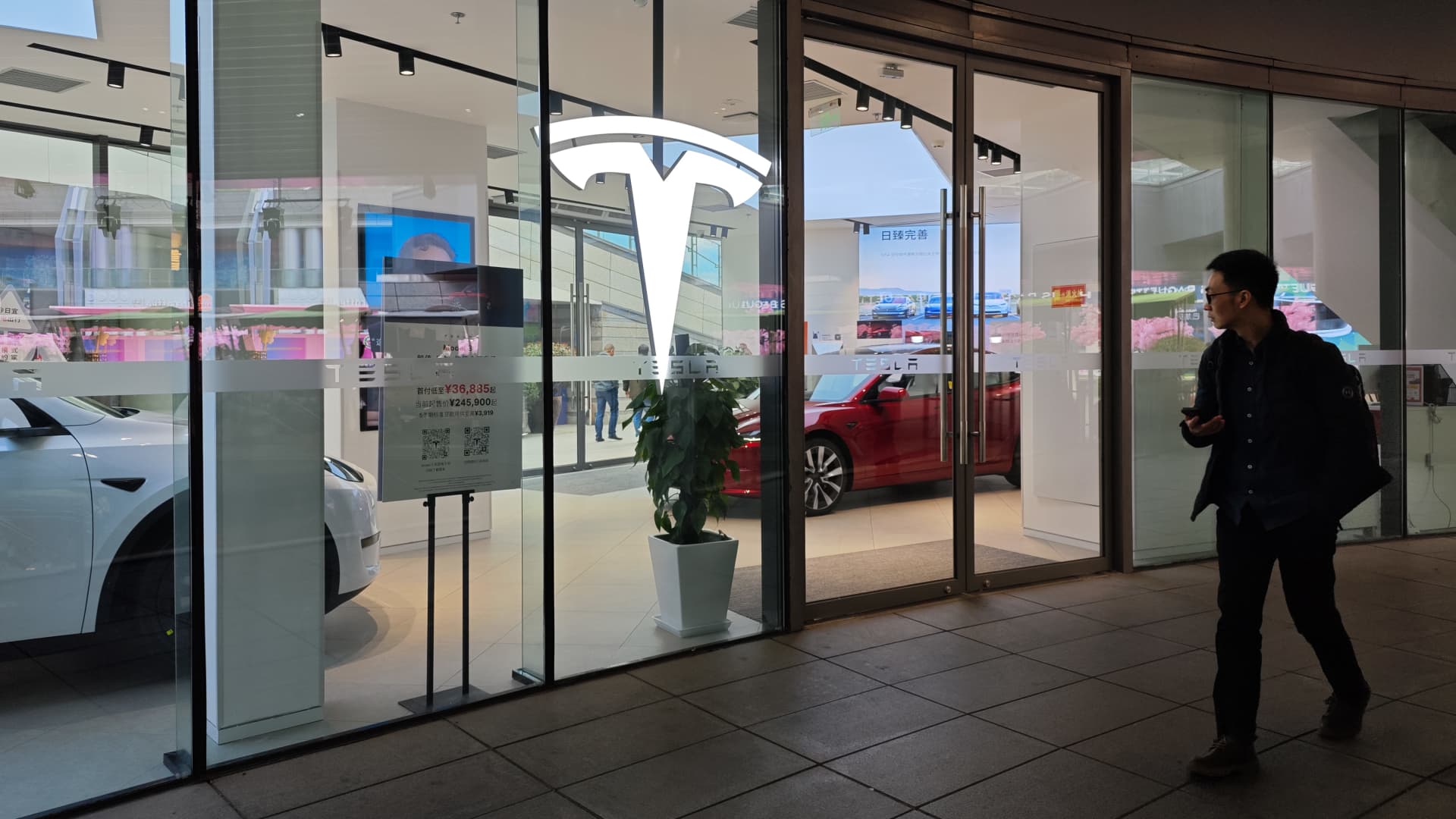
- Significant Sales Growth: Tesla delivered 85,982 China-made new energy vehicles in May, marking a 39.4% year-on-year increase, indicating a strong recovery momentum in the Chinese market that is likely to enhance its market share further.
- Market Recovery Signs: According to the China Passenger Car Association, total EV sales in China reached 1.36 million units in May, a 12% year-on-year growth, reflecting an initial recovery in the domestic EV market, with Tesla's growth mirroring this trend.
- Competitor Performance: BYD achieved 376,990 deliveries in May, ending an eight-month streak of declining sales, highlighting intensifying market competition that necessitates Tesla's continuous innovation to maintain its leading position.
- FSD Technology Progress: Tesla announced the rollout of its FSD (Supervised) system in China in May, despite facing legal challenges, this technological advancement could attract more consumers and enhance the brand's image and competitive edge in the market.
See More
China's Tech Self-Sufficiency Accelerates


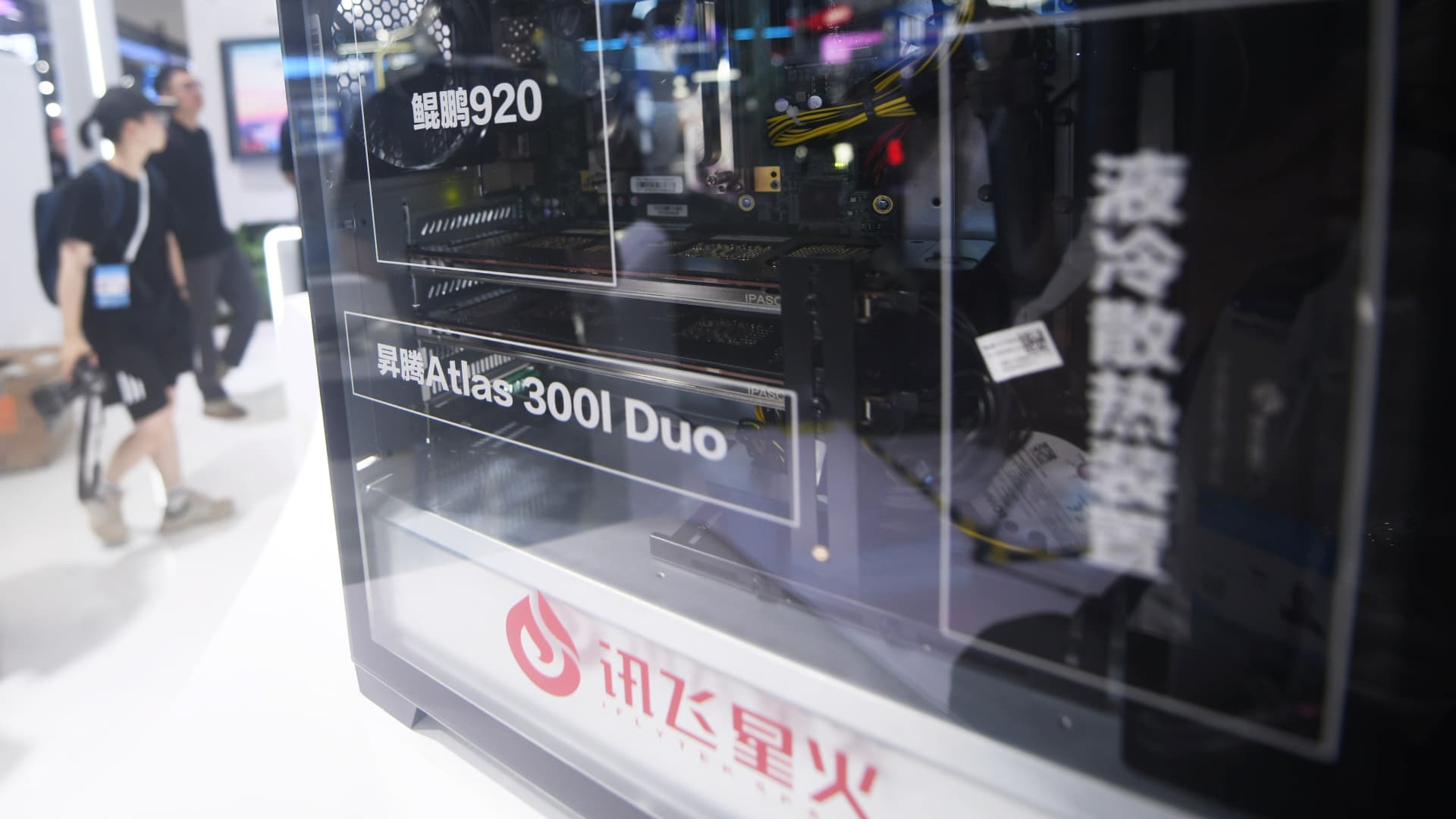
- Diversified Chip Supply: Zelostech plans to utilize multiple chip suppliers from China and abroad over the next year, moving away from reliance on Nvidia chips, which will significantly reduce costs for its self-driving systems and enhance market competitiveness.
- Vehicle Scale Expansion: Currently operating over 25,000 vehicles across more than 20 countries primarily for logistics, Zelostech aims for rapid expansion, which will greatly enhance its data collection capabilities in the autonomous driving sector and strengthen its industry influence.
- Domestic Chip Adoption: Chinese EV manufacturers like Nio and BYD are increasing investments in their own semiconductors, with Nio planning a fivefold increase in computing power spending, indicating a strong push to reduce dependence on Nvidia and promote local technology development.
- Technological Collaboration and Innovation: Huawei is adopting new scientific methods for chip development and plans to incorporate them into future products, signaling a resurgence for Chinese tech giants under U.S. restrictions, potentially accelerating the application and development of domestic chips.
See More
Musk May Drive Merger Between Tesla and SpaceX
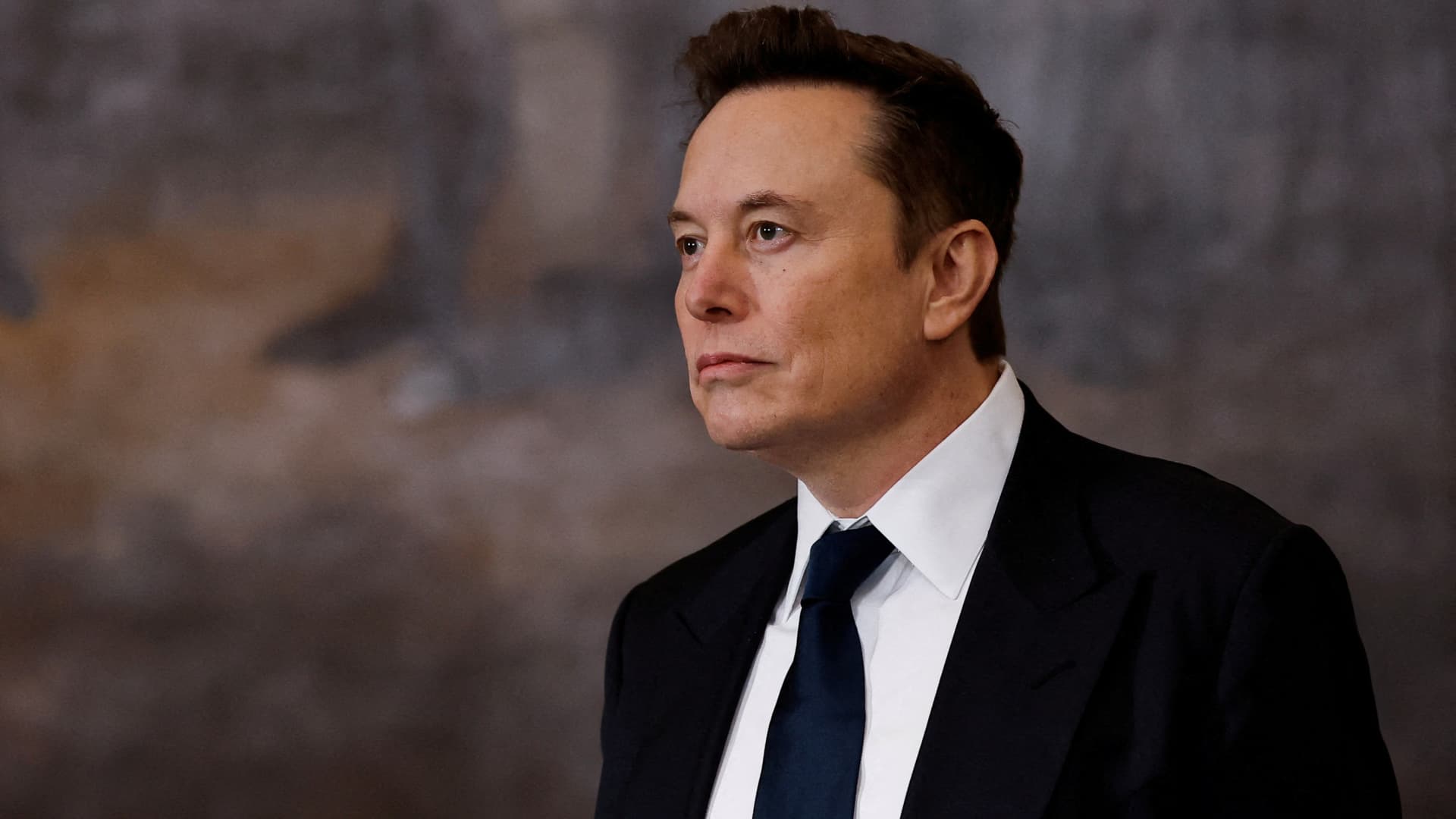
- Merger Rumors Resurface: Analyst Dan Ives predicts a potential merger between Tesla and SpaceX by next year, suggesting that this could help Musk gain control over a larger AI ecosystem, facilitating technological integration and collaboration between the two companies.
- Market Expectation Fluctuations: Kalshi traders assign only a 33% probability for the merger to occur before 2027, down from nearly 77% last Friday, indicating significant uncertainty and divergence in market sentiment regarding the timing of the merger.
- Pressure in Chinese Market: Tesla has fallen behind competitors like BYD in electric vehicle sales in China, highlighting the potential urgency for a merger to enhance Tesla's competitive position in this critical market.
- Semiconductor Project Progress: Tesla and SpaceX are developing the Terafab semiconductor manufacturing plant in East Texas, with projected costs up to $119 billion, and a merger could facilitate resource integration and cost management for this ambitious project.
See More
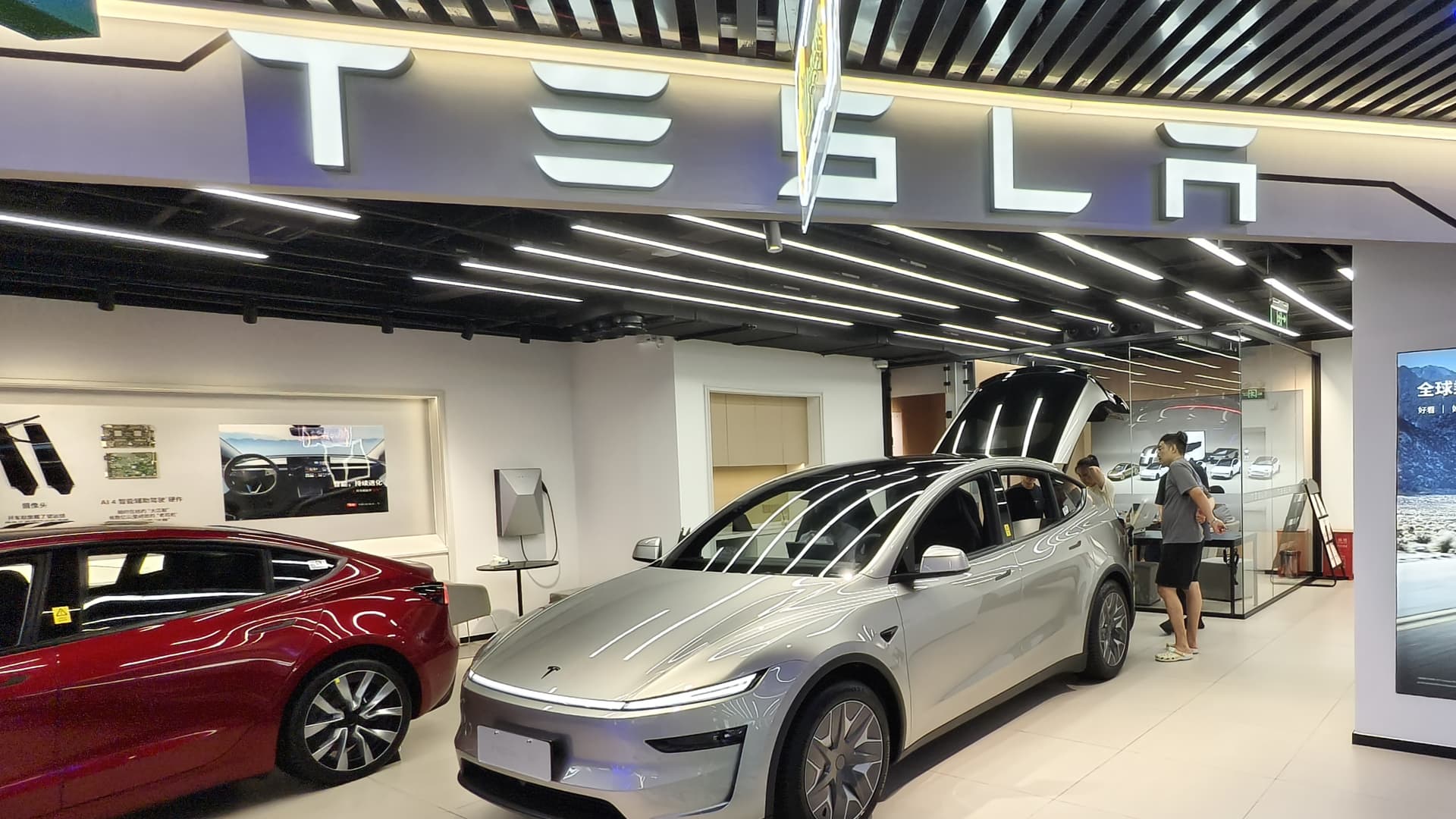
Tesla Launches Full Self-Driving Feature in China
- Full Self-Driving Launch: Tesla announced that its Full Self-Driving (FSD) technology is now available in China, marking a significant advancement in its technological deployment in the market, despite local competitors having already rolled out similar technologies.
- Pricing Structure Revealed: According to Tesla's China website, the 'intelligent assisted driving' feature for the Model 3 is priced at 64,000 yuan ($9,409), a pricing strategy that could influence consumer purchasing decisions and potentially boost sales.
- Regulatory Approval Journey: Tesla's FSD technology in China has faced multiple delays in regulatory approval; although Musk anticipated approval by the end of 2024, the actual progress has not met expectations, reflecting the complex regulatory environment the company faces in China.
- Intensifying Market Competition: While Tesla awaited approval, local brands like Xiaomi and Xpeng rapidly advanced their autonomous driving technologies, posing a threat to Tesla's market share, especially as it ranked fourth in electric vehicle sales in April.
See More
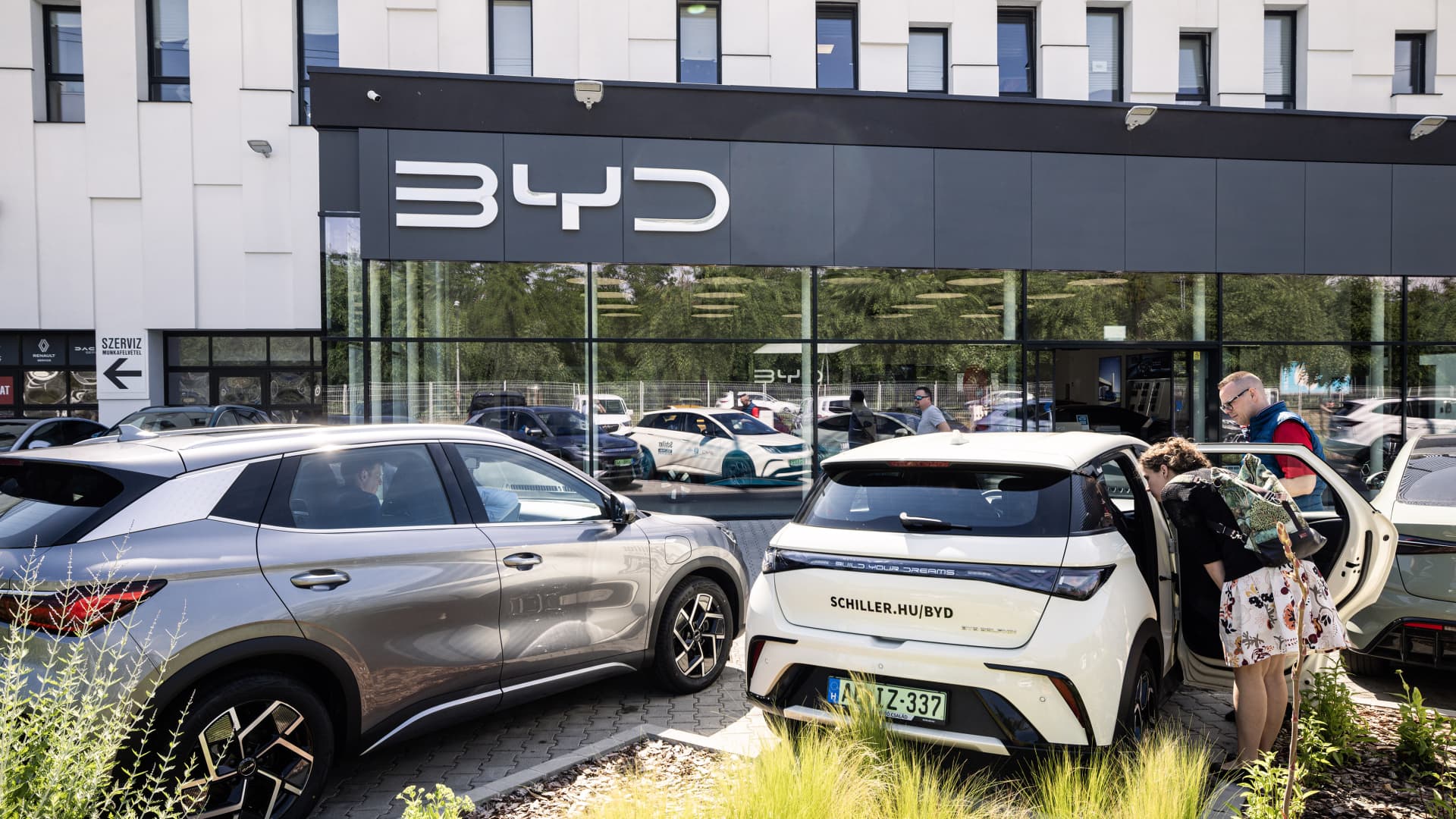
US Lawmakers Warn Against Allowing Chinese Automakers into Market


- Political Warnings Intensify: Bipartisan lawmakers in the U.S. caution the White House against using the auto market as a bargaining chip with China, especially after Trump's remarks about welcoming Chinese automakers, which could politically jeopardize the 2026 midterm elections.
- Job Risks Highlighted: The potential entry of Chinese automakers into the U.S. market poses a threat to manufacturing jobs in auto-heavy states like Michigan and Ohio, with lawmakers emphasizing the severe impact on local communities, reflecting the tension between national security and economic interests.
- Legislative Action Accelerates: Representatives from Michigan have introduced a bill to restrict Chinese-made connected vehicles and software, citing national security and data privacy concerns, indicating a strong vigilance against Chinese automotive technology.
- Market Competition Pressure: U.S. consumers face rising car prices, with the average new car costing $49,461, while China offers over 200 electric models priced below $25,000, raising concerns among lawmakers about the competitive impact of Chinese brands' low-price strategies in the U.S. market.
See More
Texas Capital Initiates Buy Rating on Boyd Gaming
- Positive Market Outlook: Texas Capital analyst David Bain believes that Boyd Gaming (BYD) is poised for a growth inflection in the Las Vegas Locals segment by late 2026, despite contributions from its Midwest and South divisions being more significant, indicating that Las Vegas performance will dictate stock sentiment.
- Diverse Growth Potential: Bain forecasts that all five of Boyd's divisions will grow by year-end for the first time in years, with each turn of multiple valued at approximately $13 per share, highlighting the company's potential value in the market.
- Management Team Advantage: Boyd's disciplined, ROI-focused management team is expected to effectively execute on opportunistic asset sales related to Caesars (CZR), further enhancing the company's financial performance and market position.
- Attractive Valuation: Bain noted that Boyd trades at 7.2X/6.7X traditional EV/EBITDA, significantly below its peers and its ~10X pre-COVID average, indicating strong investment appeal, with Texas Capital assigning a price target of $106.
See More
Tesla's China EV Sales Surge by Nearly 40%
- Significant Sales Growth: Tesla delivered 85,982 China-made new energy vehicles in May, marking a 39.4% year-on-year increase, indicating a strong recovery momentum in the Chinese market that is likely to enhance its market share further.
- Market Recovery Signs: According to the China Passenger Car Association, total EV sales in China reached 1.36 million units in May, a 12% year-on-year growth, reflecting an initial recovery in the domestic EV market, with Tesla's growth mirroring this trend.
- Competitor Performance: BYD achieved 376,990 deliveries in May, ending an eight-month streak of declining sales, highlighting intensifying market competition that necessitates Tesla's continuous innovation to maintain its leading position.
- FSD Technology Progress: Tesla announced the rollout of its FSD (Supervised) system in China in May, despite facing legal challenges, this technological advancement could attract more consumers and enhance the brand's image and competitive edge in the market.
See More
China's Tech Self-Sufficiency Accelerates
- Diversified Chip Supply: Zelostech plans to utilize multiple chip suppliers from China and abroad over the next year, moving away from reliance on Nvidia chips, which will significantly reduce costs for its self-driving systems and enhance market competitiveness.
- Vehicle Scale Expansion: Currently operating over 25,000 vehicles across more than 20 countries primarily for logistics, Zelostech aims for rapid expansion, which will greatly enhance its data collection capabilities in the autonomous driving sector and strengthen its industry influence.
- Domestic Chip Adoption: Chinese EV manufacturers like Nio and BYD are increasing investments in their own semiconductors, with Nio planning a fivefold increase in computing power spending, indicating a strong push to reduce dependence on Nvidia and promote local technology development.
- Technological Collaboration and Innovation: Huawei is adopting new scientific methods for chip development and plans to incorporate them into future products, signaling a resurgence for Chinese tech giants under U.S. restrictions, potentially accelerating the application and development of domestic chips.
See More
Musk May Drive Merger Between Tesla and SpaceX
- Merger Rumors Resurface: Analyst Dan Ives predicts a potential merger between Tesla and SpaceX by next year, suggesting that this could help Musk gain control over a larger AI ecosystem, facilitating technological integration and collaboration between the two companies.
- Market Expectation Fluctuations: Kalshi traders assign only a 33% probability for the merger to occur before 2027, down from nearly 77% last Friday, indicating significant uncertainty and divergence in market sentiment regarding the timing of the merger.
- Pressure in Chinese Market: Tesla has fallen behind competitors like BYD in electric vehicle sales in China, highlighting the potential urgency for a merger to enhance Tesla's competitive position in this critical market.
- Semiconductor Project Progress: Tesla and SpaceX are developing the Terafab semiconductor manufacturing plant in East Texas, with projected costs up to $119 billion, and a merger could facilitate resource integration and cost management for this ambitious project.
See More
Tesla Launches Full Self-Driving Feature in China
- Full Self-Driving Launch: Tesla announced that its Full Self-Driving (FSD) technology is now available in China, marking a significant advancement in its technological deployment in the market, despite local competitors having already rolled out similar technologies.
- Pricing Structure Revealed: According to Tesla's China website, the 'intelligent assisted driving' feature for the Model 3 is priced at 64,000 yuan ($9,409), a pricing strategy that could influence consumer purchasing decisions and potentially boost sales.
- Regulatory Approval Journey: Tesla's FSD technology in China has faced multiple delays in regulatory approval; although Musk anticipated approval by the end of 2024, the actual progress has not met expectations, reflecting the complex regulatory environment the company faces in China.
- Intensifying Market Competition: While Tesla awaited approval, local brands like Xiaomi and Xpeng rapidly advanced their autonomous driving technologies, posing a threat to Tesla's market share, especially as it ranked fourth in electric vehicle sales in April.
See More
US Lawmakers Warn Against Allowing Chinese Automakers into Market
- Political Warnings Intensify: Bipartisan lawmakers in the U.S. caution the White House against using the auto market as a bargaining chip with China, especially after Trump's remarks about welcoming Chinese automakers, which could politically jeopardize the 2026 midterm elections.
- Job Risks Highlighted: The potential entry of Chinese automakers into the U.S. market poses a threat to manufacturing jobs in auto-heavy states like Michigan and Ohio, with lawmakers emphasizing the severe impact on local communities, reflecting the tension between national security and economic interests.
- Legislative Action Accelerates: Representatives from Michigan have introduced a bill to restrict Chinese-made connected vehicles and software, citing national security and data privacy concerns, indicating a strong vigilance against Chinese automotive technology.
- Market Competition Pressure: U.S. consumers face rising car prices, with the average new car costing $49,461, while China offers over 200 electric models priced below $25,000, raising concerns among lawmakers about the competitive impact of Chinese brands' low-price strategies in the U.S. market.
See More