Boeing delivers 33 jets in September but strike impact looms


Boeing's Aircraft Deliveries: Boeing delivered 33 airplanes in September, a slight increase from the previous year, but total deliveries for 2023 remain significantly lower than last year's figures due to ongoing challenges, including a machinist strike that began on September 13.
Production and Financial Impact: The company is facing production delays and financial strain, having already lost over $8 billion this year, with a backlog of 5,456 aircraft and upcoming quarterly results expected to reflect the impact of the strike.
Trade with 70% Backtested Accuracy
Analyst Views on BA

About BA
About the author


Saudi Arabia's National Airline in Talks for Historic Aircraft Order

- Potential Historic Order: Saudi Arabia's national airline is in early discussions with Boeing and Airbus about a potential order for at least 150 aircraft, which would mark the largest in its history, aimed at supporting the kingdom's travel and tourism expansion strategy.
- Fleet Renewal and Expansion: This purchase would enable Saudia to replace older jets while expanding its current fleet of approximately 200 aircraft, although specific aircraft types and quantities have yet to be determined, and discussions remain at a preliminary stage.
- Strategic Focus on Religious Travel: Under its aviation strategy, Saudia is expected to concentrate more on religious travel, while the newly established Riyadh Air is positioned as a premium carrier targeting international tourists, indicating a strategic market segmentation approach.
- Leadership and Service Upgrades: Saudia has refreshed its leadership, pursued high-profile partnerships, and invested in onboard upgrades, including plans to introduce Starlink internet service on select aircraft, enhancing customer experience and competitive positioning.

Dow Jones Surpasses 50,000 for the First Time

- Dow Jones Milestone: The Dow Jones Industrial Average has surpassed 50,000 for the first time, marking a significant recovery in the U.S. stock market and reflecting increased investor confidence in economic recovery, which may lead to more capital inflows.
- Key Stock Performance: Stocks like JPMorgan, Apple, and Boeing have entered buy zones, indicating strong market performance and potentially attracting more investor interest, which could further drive up their stock prices.
- Nasdaq Weakness: While the Nasdaq index is struggling, certain AI stocks are experiencing a revival, suggesting a divergence in tech stock performance that may present new investment opportunities for investors.
- Market Sentiment Shift: The Dow's breakthrough could shift market sentiment, drawing in more investors and impacting overall market liquidity and investment strategies, thereby further propelling economic recovery.
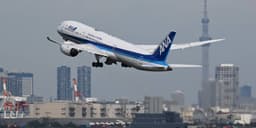
The Dow Exceeded 50,000: The Role of Caterpillar and Other Stocks in This Milestone.

Stock Market Surge: The stock market experienced a significant rebound, with the Dow Jones Industrial Average increasing by over 1,000 points.
Historic Milestone: This surge allowed the Dow to surpass the 50,000 mark for the first time in history.
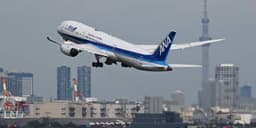
The Dow Approaches 50,000, and It's Not Driven by Technology.
Market Performance: The stock market experienced a significant rebound, with the Dow Jones Industrial Average increasing by over 1,000 points.
Historic Milestone: This surge pushed the Dow above 50,000 for the first time in history.

Dow Jones Surges Over 950 Points Amid Market Rebound
- Dow Jones Rebound: On Friday, the Dow Jones surged over 950 points, nearly 2%, indicating a strong market rebound, which Jim Cramer described as a 'mighty Dow rally', boosting investor sentiment.
- Amazon Stock Decline: Despite the overall rise in Dow components, Amazon's stock fell 7.5% due to massive spending plans and weaker-than-expected guidance revealed in Thursday's earnings report, impacting investor confidence.
- Eli Lilly Share Recovery: Eli Lilly shares bounced back 3% on Friday after an almost 8% drop, as the FDA announced actions against illegal copycat drugs, which bolstered market confidence in Lilly's growth potential.
- Linde Rating Downgrade: Following a 2.9% decline post-earnings on Thursday, Linde shares dropped another 1.7% on Friday after JPMorgan downgraded its rating to hold, although Jim Cramer maintained a buy rating and raised the price target to $510.

AERCAP CEO: Confident That Boeing and Airbus Will Approach Demand Targets by 2030, Yet Supply Will Continue to Be Structurally Restricted into the 2030s

Airbus Demand Forecast: Airbus anticipates that it will get closer to meeting demand for aircraft by 2030.
Supply Limitations: Despite the expected increase in demand, supply will remain structurally limited well into the 2030s.
Saudi Arabia's National Airline in Talks for Historic Aircraft Order
- Potential Historic Order: Saudi Arabia's national airline is in early discussions with Boeing and Airbus about a potential order for at least 150 aircraft, which would mark the largest in its history, aimed at supporting the kingdom's travel and tourism expansion strategy.
- Fleet Renewal and Expansion: This purchase would enable Saudia to replace older jets while expanding its current fleet of approximately 200 aircraft, although specific aircraft types and quantities have yet to be determined, and discussions remain at a preliminary stage.
- Strategic Focus on Religious Travel: Under its aviation strategy, Saudia is expected to concentrate more on religious travel, while the newly established Riyadh Air is positioned as a premium carrier targeting international tourists, indicating a strategic market segmentation approach.
- Leadership and Service Upgrades: Saudia has refreshed its leadership, pursued high-profile partnerships, and invested in onboard upgrades, including plans to introduce Starlink internet service on select aircraft, enhancing customer experience and competitive positioning.
Dow Jones Surpasses 50,000 for the First Time
- Dow Jones Milestone: The Dow Jones Industrial Average has surpassed 50,000 for the first time, marking a significant recovery in the U.S. stock market and reflecting increased investor confidence in economic recovery, which may lead to more capital inflows.
- Key Stock Performance: Stocks like JPMorgan, Apple, and Boeing have entered buy zones, indicating strong market performance and potentially attracting more investor interest, which could further drive up their stock prices.
- Nasdaq Weakness: While the Nasdaq index is struggling, certain AI stocks are experiencing a revival, suggesting a divergence in tech stock performance that may present new investment opportunities for investors.
- Market Sentiment Shift: The Dow's breakthrough could shift market sentiment, drawing in more investors and impacting overall market liquidity and investment strategies, thereby further propelling economic recovery.
The Dow Exceeded 50,000: The Role of Caterpillar and Other Stocks in This Milestone.
Stock Market Surge: The stock market experienced a significant rebound, with the Dow Jones Industrial Average increasing by over 1,000 points.
Historic Milestone: This surge allowed the Dow to surpass the 50,000 mark for the first time in history.
The Dow Approaches 50,000, and It's Not Driven by Technology.
Market Performance: The stock market experienced a significant rebound, with the Dow Jones Industrial Average increasing by over 1,000 points.
Historic Milestone: This surge pushed the Dow above 50,000 for the first time in history.
Dow Jones Surges Over 950 Points Amid Market Rebound
- Dow Jones Rebound: On Friday, the Dow Jones surged over 950 points, nearly 2%, indicating a strong market rebound, which Jim Cramer described as a 'mighty Dow rally', boosting investor sentiment.
- Amazon Stock Decline: Despite the overall rise in Dow components, Amazon's stock fell 7.5% due to massive spending plans and weaker-than-expected guidance revealed in Thursday's earnings report, impacting investor confidence.
- Eli Lilly Share Recovery: Eli Lilly shares bounced back 3% on Friday after an almost 8% drop, as the FDA announced actions against illegal copycat drugs, which bolstered market confidence in Lilly's growth potential.
- Linde Rating Downgrade: Following a 2.9% decline post-earnings on Thursday, Linde shares dropped another 1.7% on Friday after JPMorgan downgraded its rating to hold, although Jim Cramer maintained a buy rating and raised the price target to $510.
AERCAP CEO: Confident That Boeing and Airbus Will Approach Demand Targets by 2030, Yet Supply Will Continue to Be Structurally Restricted into the 2030s
Airbus Demand Forecast: Airbus anticipates that it will get closer to meeting demand for aircraft by 2030.
Supply Limitations: Despite the expected increase in demand, supply will remain structurally limited well into the 2030s.