BioNTech Provides Update on Its Exchange Offer for CureVac Shares
Approval of Exchange Offer: BioNTech announced the approval of its exchange offer for all outstanding shares of CureVac, with over 99.16% of CureVac shareholders voting in favor during the extraordinary general meeting on November 25, 2025.
Tendering Deadline: CureVac shareholders must tender their shares by 6:00 p.m. Eastern Time on December 2, 2025, to ensure processing before the offer expires at 9:00 a.m. Eastern Time on December 3, 2025.
Exchange Ratio Details: The exchange ratio is set at 0.05363 of a BioNTech ADS per CureVac share, based on the average price of BioNTech ADS over the 10 trading days leading up to the meeting.
Potential for Extension: If the offer is extended, BioNTech will recalculate the exchange ratio and announce the new terms through a press release.
Trade with 70% Backtested Accuracy
Analyst Views on BNTX

About BNTX
About the author

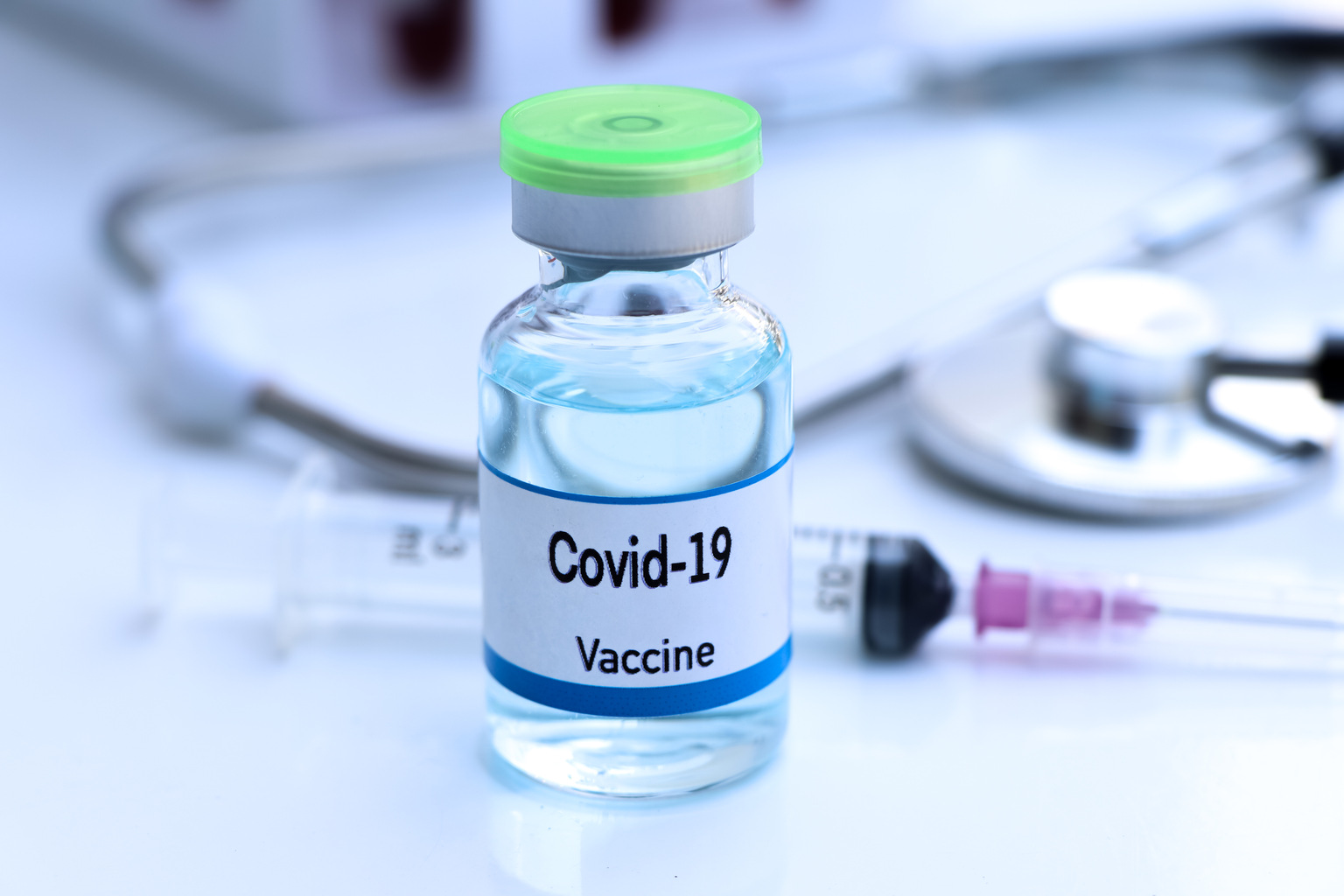
Pfizer and BioNTech Halt COVID Vaccine Trial Recruitment


- Trial Recruitment Halted: Pfizer and BioNTech have suspended recruitment for their COVID-19 vaccine clinical trial targeting healthy adults aged 50-64 due to insufficient enrollment, originally aiming for 25,000 to 30,000 participants, highlighting significant challenges in vaccine research.
- Regulatory Communication: The companies communicated with the FDA regarding their plans to halt the trial, emphasizing that this decision was not due to safety or benefit-risk concerns but rather the inability to generate relevant post-marketing data, reflecting the complexities of the vaccine market.
- Epidemiological Trends Impact: Pfizer indicated in a letter that they would cease monitoring trial subjects for COVID-19 symptoms after April 3, based on current epidemiological trends, demonstrating a responsive approach to changing pandemic dynamics.
- Policy Context: Under the Trump administration, regulatory requirements for COVID vaccines have tightened, with the FDA mandating randomized placebo-controlled trials for vaccine manufacturers in 2025, further complicating vaccine development efforts.

Belgian Court Orders Poland and Romania to Accept Vaccine Delivery
- Court Ruling: The Brussels Court of First Instance has ordered Poland and Romania to accept the delivery of €1.9 billion ($2.2 billion) worth of COVID-19 vaccines from Pfizer (PFE) and BioNTech (BNTX), stemming from a lawsuit filed by the companies in 2023, which accused the nations of failing to honor pandemic-era procurement agreements.
- Procurement Agreement Context: Poland and Romania had entered into a joint procurement deal with the European Commission and vaccine manufacturers in 2021, committing to purchase COVID vaccines, but later refused to fulfill these commitments citing changes in the pandemic situation, prompting Pfizer and BioNTech to take legal action to protect their interests.
- Vaccine Delivery Details: The court has mandated Poland to accept vaccine deliveries worth €1.3 billion and Romania to accept €600 million worth, a ruling that not only impacts public health policies in these countries but could also positively affect the financial outlook for Pfizer and BioNTech.
- Strategic Implications: This ruling underscores the legal enforceability of vaccine procurement agreements, potentially encouraging other nations to prioritize contract compliance in future vaccine purchases, thereby enhancing pharmaceutical companies' confidence and stability in the global vaccine market.

mRNA Vaccine Stocks Rise as HHS Committee Revises Recommendations

- Recommendation Revision: The HHS vaccines advisory committee has decided to walk back its previous threat to stop recommending mRNA vaccines, leading to a rise in stock prices for companies like Moderna and BioNTech during Wednesday's trading, indicating a restoration of market confidence in these vaccines.
- Positive Market Reaction: With the committee's adjustment, mRNA vaccines, widely used during the pandemic, are back in focus for investors, enhancing expectations for future vaccine demand for companies like Moderna (MRNA) and BioNTech (BNTX).
- Safety Controversies: Despite the positive signals from the committee's decision, some ACIP members have raised concerns about the potential harm of DNA elements in the vaccines, which could affect public acceptance and potentially impact future sales for these companies.
- Financial Outlook: BioNTech has outlined a revenue target of €2 billion to €2.3 billion for 2026, and despite facing leadership transitions and competitive pressures, the company continues to advance its late-stage oncology pipeline, demonstrating confidence in future growth.

Serve Robotics Shares Surge After Strong Q4 Results and Upgraded Sales Guidance


- Strong Earnings Report: Serve Robotics reported a fourth-quarter adjusted loss of 34 cents per share, outperforming the expected loss of 53 cents, indicating significant improvements in cost control and operational efficiency, which bolstered investor confidence.
- Sales Performance Exceeds Expectations: The company achieved sales of $882,000, surpassing the consensus estimate of $762,500, demonstrating robust product demand that could drive future revenue growth and enhance market competitiveness.
- Significant Stock Price Increase: Following the positive earnings report, Serve Robotics shares surged 16.2% to $11.24 on Wednesday, reflecting market optimism about the company's future prospects and potentially attracting more investor interest.
- Upgraded Sales Guidance: The company raised its FY26 sales guidance, indicating management's confidence in future performance, which may further drive stock price appreciation and enhance market recognition of its long-term growth potential.
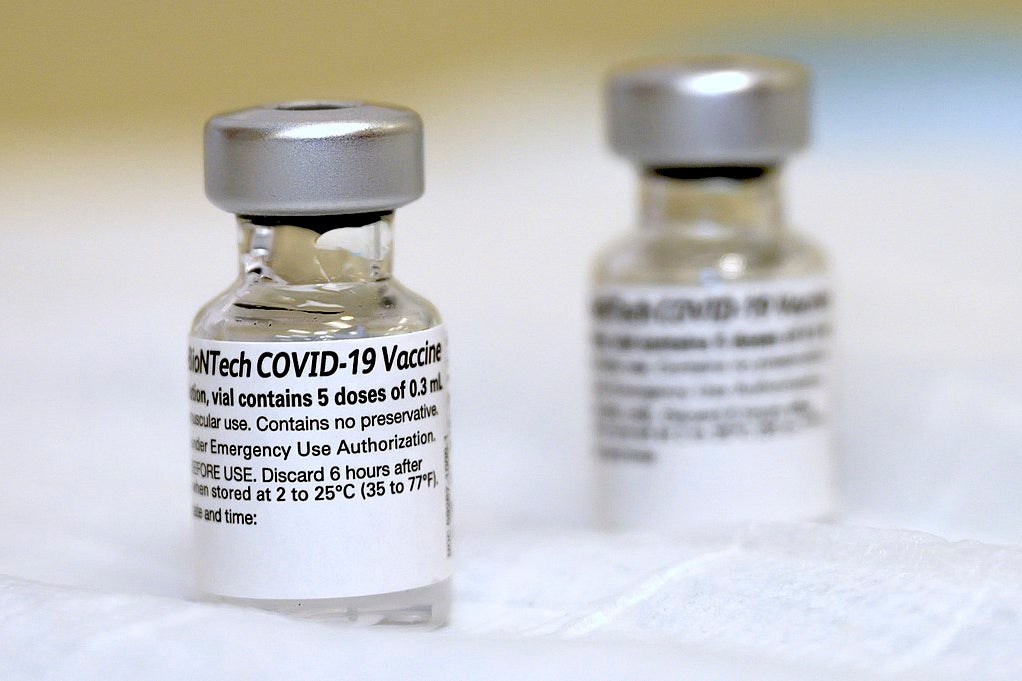
BioNTech Q4 2025 Earnings Call Insights
- Vaccine Market Leadership: BioNTech, in partnership with Pfizer, launched a variant-adapted vaccine now distributed in over 180 countries, securing over 50% market share, thereby reinforcing its leadership in the COVID vaccine market despite challenges from market normalization.
- Financial Performance: Total revenues for 2025 reached EUR 2.9 billion, a slight increase from the previous year, although COVID-19 vaccine revenues declined, with an adjusted non-IFRS net loss of EUR 117 million reflecting strategic adjustments in portfolio management.
- R&D Spending Plans: For 2026, R&D expenses are projected between EUR 2.2 billion and EUR 2.5 billion, with management emphasizing increased investment in late-stage programs, particularly targeting Pumitamig and mRNA immunotherapies to meet future market demands.
- Impact of Management Transition: Founders plan to depart by the end of 2026 to establish a new company, raising market concerns about leadership continuity; however, management reassured stakeholders about the continuity of the core pipeline and the company's long-term strategic goals in oncology.

BioNTech Stock Plummets Amid Revenue Concerns
- Declining Vaccine Sales: BioNTech has guided its 2026 total revenue to be between $2.2 billion and $2.5 billion, falling short of Street expectations, indicating that COVID-19 will contribute less to growth, which will increasingly rely on its oncology pipeline.
- Oncology Strategic Shift: CEO Sahin emphasized the company's focus on transforming scientific advances into late-stage oncology programs, although investors must navigate a multi-year investment phase before seeing significant revenue contributions.
- Strong Financial Position: With over €16 billion in cash and equivalents, BioNTech is well-positioned to support its planned R&D spending of $2.4 billion to $2.7 billion, ensuring financial flexibility during its oncology transition.
- Leadership Changes Impact: The departures of Sahin and Tureci raise concerns about leadership continuity, and combined with a weaker-than-expected revenue outlook and increased R&D investment, investor confidence in BioNTech has waned, leading to a significant stock price drop.
Pfizer and BioNTech Halt COVID Vaccine Trial Recruitment
- Trial Recruitment Halted: Pfizer and BioNTech have suspended recruitment for their COVID-19 vaccine clinical trial targeting healthy adults aged 50-64 due to insufficient enrollment, originally aiming for 25,000 to 30,000 participants, highlighting significant challenges in vaccine research.
- Regulatory Communication: The companies communicated with the FDA regarding their plans to halt the trial, emphasizing that this decision was not due to safety or benefit-risk concerns but rather the inability to generate relevant post-marketing data, reflecting the complexities of the vaccine market.
- Epidemiological Trends Impact: Pfizer indicated in a letter that they would cease monitoring trial subjects for COVID-19 symptoms after April 3, based on current epidemiological trends, demonstrating a responsive approach to changing pandemic dynamics.
- Policy Context: Under the Trump administration, regulatory requirements for COVID vaccines have tightened, with the FDA mandating randomized placebo-controlled trials for vaccine manufacturers in 2025, further complicating vaccine development efforts.
Belgian Court Orders Poland and Romania to Accept Vaccine Delivery
- Court Ruling: The Brussels Court of First Instance has ordered Poland and Romania to accept the delivery of €1.9 billion ($2.2 billion) worth of COVID-19 vaccines from Pfizer (PFE) and BioNTech (BNTX), stemming from a lawsuit filed by the companies in 2023, which accused the nations of failing to honor pandemic-era procurement agreements.
- Procurement Agreement Context: Poland and Romania had entered into a joint procurement deal with the European Commission and vaccine manufacturers in 2021, committing to purchase COVID vaccines, but later refused to fulfill these commitments citing changes in the pandemic situation, prompting Pfizer and BioNTech to take legal action to protect their interests.
- Vaccine Delivery Details: The court has mandated Poland to accept vaccine deliveries worth €1.3 billion and Romania to accept €600 million worth, a ruling that not only impacts public health policies in these countries but could also positively affect the financial outlook for Pfizer and BioNTech.
- Strategic Implications: This ruling underscores the legal enforceability of vaccine procurement agreements, potentially encouraging other nations to prioritize contract compliance in future vaccine purchases, thereby enhancing pharmaceutical companies' confidence and stability in the global vaccine market.
mRNA Vaccine Stocks Rise as HHS Committee Revises Recommendations
- Recommendation Revision: The HHS vaccines advisory committee has decided to walk back its previous threat to stop recommending mRNA vaccines, leading to a rise in stock prices for companies like Moderna and BioNTech during Wednesday's trading, indicating a restoration of market confidence in these vaccines.
- Positive Market Reaction: With the committee's adjustment, mRNA vaccines, widely used during the pandemic, are back in focus for investors, enhancing expectations for future vaccine demand for companies like Moderna (MRNA) and BioNTech (BNTX).
- Safety Controversies: Despite the positive signals from the committee's decision, some ACIP members have raised concerns about the potential harm of DNA elements in the vaccines, which could affect public acceptance and potentially impact future sales for these companies.
- Financial Outlook: BioNTech has outlined a revenue target of €2 billion to €2.3 billion for 2026, and despite facing leadership transitions and competitive pressures, the company continues to advance its late-stage oncology pipeline, demonstrating confidence in future growth.
Serve Robotics Shares Surge After Strong Q4 Results and Upgraded Sales Guidance
- Strong Earnings Report: Serve Robotics reported a fourth-quarter adjusted loss of 34 cents per share, outperforming the expected loss of 53 cents, indicating significant improvements in cost control and operational efficiency, which bolstered investor confidence.
- Sales Performance Exceeds Expectations: The company achieved sales of $882,000, surpassing the consensus estimate of $762,500, demonstrating robust product demand that could drive future revenue growth and enhance market competitiveness.
- Significant Stock Price Increase: Following the positive earnings report, Serve Robotics shares surged 16.2% to $11.24 on Wednesday, reflecting market optimism about the company's future prospects and potentially attracting more investor interest.
- Upgraded Sales Guidance: The company raised its FY26 sales guidance, indicating management's confidence in future performance, which may further drive stock price appreciation and enhance market recognition of its long-term growth potential.
BioNTech Q4 2025 Earnings Call Insights
- Vaccine Market Leadership: BioNTech, in partnership with Pfizer, launched a variant-adapted vaccine now distributed in over 180 countries, securing over 50% market share, thereby reinforcing its leadership in the COVID vaccine market despite challenges from market normalization.
- Financial Performance: Total revenues for 2025 reached EUR 2.9 billion, a slight increase from the previous year, although COVID-19 vaccine revenues declined, with an adjusted non-IFRS net loss of EUR 117 million reflecting strategic adjustments in portfolio management.
- R&D Spending Plans: For 2026, R&D expenses are projected between EUR 2.2 billion and EUR 2.5 billion, with management emphasizing increased investment in late-stage programs, particularly targeting Pumitamig and mRNA immunotherapies to meet future market demands.
- Impact of Management Transition: Founders plan to depart by the end of 2026 to establish a new company, raising market concerns about leadership continuity; however, management reassured stakeholders about the continuity of the core pipeline and the company's long-term strategic goals in oncology.
BioNTech Stock Plummets Amid Revenue Concerns
- Declining Vaccine Sales: BioNTech has guided its 2026 total revenue to be between $2.2 billion and $2.5 billion, falling short of Street expectations, indicating that COVID-19 will contribute less to growth, which will increasingly rely on its oncology pipeline.
- Oncology Strategic Shift: CEO Sahin emphasized the company's focus on transforming scientific advances into late-stage oncology programs, although investors must navigate a multi-year investment phase before seeing significant revenue contributions.
- Strong Financial Position: With over €16 billion in cash and equivalents, BioNTech is well-positioned to support its planned R&D spending of $2.4 billion to $2.7 billion, ensuring financial flexibility during its oncology transition.
- Leadership Changes Impact: The departures of Sahin and Tureci raise concerns about leadership continuity, and combined with a weaker-than-expected revenue outlook and increased R&D investment, investor confidence in BioNTech has waned, leading to a significant stock price drop.