Analysis of Trump's New Tariff Policies
Written by Emily J. Thompson, Senior Investment Analyst
Updated: 21h ago
0mins
Should l Buy GF?
Source: seekingalpha
- Tariff Policy Delay: President Trump has postponed the implementation of tariffs on upholstered furniture, kitchen cabinets, and vanities originally set for January 1, 2026, aiming to ease market tensions while still facing trade pressures from China.
- Tariff Threat to India: Trump hinted at raising tariffs on India due to its continued purchases of Russian oil amid the Ukraine conflict, which could further strain trade relations and impact global market stability.
- Tariff Threat to EU: Trump threatened to impose tariffs of up to 25% on eight European countries for deploying military forces in Greenland, a move that could provoke a strong retaliatory response from the EU, escalating trade tensions.
- Tariff Threat to Canada: Trump threatened to impose a 100% tariff on all Canadian goods if Ottawa pursues a trade agreement with China, which would severely impact economic relations between the two countries and could lead to retaliatory measures from Canada.
Trade with 70% Backtested Accuracy
Stop guessing "Should I Buy GF?" and start using high-conviction signals backed by rigorous historical data.
Sign up today to access powerful investing tools and make smarter, data-driven decisions.
Analyst Views on GF
Wall Street analysts forecast GF stock price to rise over the next 12 months. According to Wall Street analysts, the average 1-year price target for GF is USD with a low forecast of USD and a high forecast of USD. However, analyst price targets are subjective and often lag stock prices, so investors should focus on the objective reasons behind analyst rating changes, which better reflect the company's fundamentals.
0 Analyst Rating
0 Buy
0 Hold
0 Sell
Current: 11.940

Low
Averages
High
Current: 11.940
Low
Averages
High

No data
About GF
The New Germany Fund, Inc. (the Fund) is a diversified, closed-end management investment company. The Fund seeks long-term capital appreciation primarily through investment in middle-market German equities. The focus of the Fund's investments lies within Germany. Under normal market conditions at least 80% of the Fund’s net assets are invested in equity or equity-linked securities. The Fund invests in range of sectors, which include aerospace and defense; auto components; automobiles; banks; building products; chemicals; electrical equipment; independent power and renewable electricity producers; insurance; Internet and direct marketing retail; information technology (IT) services, life sciences tools and services; metals and mining; real estate management and development; software; textiles, apparel and luxury goods; trading companies and distributors; diversified financial services; commercial services and supplies, and others. The Fund's investment advisor is DWS International GmbH.
About the author

Emily J. Thompson
Emily J. Thompson, a Chartered Financial Analyst (CFA) with 12 years in investment research, graduated with honors from the Wharton School. Specializing in industrial and technology stocks, she provides in-depth analysis for Intellectia’s earnings and market brief reports.

European Market Sentiment Improves as Tech Sector Boosts Optimism

- Market Sentiment Recovery: The pan-European Stoxx 600 index rose by 0.68% to 621.5, marking its third consecutive day of gains, driven by support from the global tech and AI sectors, indicating an improvement in investor risk appetite.
- Trade Agreement Impact: The U.S.-India trade deal, which lowers mutual tariffs in exchange for India halting Russian oil purchases, has bolstered overall market optimism, reflecting a positive shift in trade relations.
- Bond Yields Slightly Rise: The U.S. 10-year Treasury yield increased by 1 basis point to 4.29%, while Germany's and the UK's yields rose to 2.88% and 4.53%, respectively, signaling enhanced market confidence in economic prospects.
- French Inflation Expectations: France's inflation is expected to rise by 0.3% year-over-year in January, missing estimates, which may still have implications for consumer confidence despite the shortfall in expectations.
See More
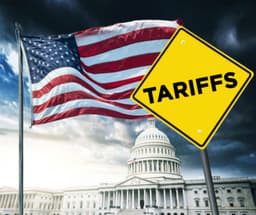
Analysis of Trump's New Tariff Policies
- Tariff Policy Delay: President Trump has postponed the implementation of tariffs on upholstered furniture, kitchen cabinets, and vanities originally set for January 1, 2026, aiming to ease market tensions while still facing trade pressures from China.
- Tariff Threat to India: Trump hinted at raising tariffs on India due to its continued purchases of Russian oil amid the Ukraine conflict, which could further strain trade relations and impact global market stability.
- Tariff Threat to EU: Trump threatened to impose tariffs of up to 25% on eight European countries for deploying military forces in Greenland, a move that could provoke a strong retaliatory response from the EU, escalating trade tensions.
- Tariff Threat to Canada: Trump threatened to impose a 100% tariff on all Canadian goods if Ottawa pursues a trade agreement with China, which would severely impact economic relations between the two countries and could lead to retaliatory measures from Canada.
See More

European Manufacturing PMI Data Shows Improvement
- German Manufacturing Recovery: Germany's manufacturing PMI rose to 49.1 in January, exceeding expectations, indicating a recovery in manufacturing activity that could support economic revival.
- Strong French Manufacturing: France's manufacturing PMI reached a 43-month high, demonstrating sustained growth in the country's manufacturing sector, which may boost overall economic performance.
- Euro Area Overall Performance: The Euro Area manufacturing PMI hit a two-month high of 49.5 in January, reflecting gradual improvement in the regional economy that could enhance investor confidence.
- Swiss Retail Sales Growth: Switzerland's retail sales increased by 2.9% year-on-year in December, indicating a rebound in consumer spending that may positively impact economic growth.
See More

Euro Area GDP Growth Exceeds Expectations
- GDP Growth Overview: The Euro Area's GDP expanded by 0.3% in Q4, matching Q3 growth and surpassing the consensus estimate of 0.2%, indicating economic resilience that may bolster investor confidence.
- Annual Growth Performance: Year-over-year GDP growth reached 1.3% in Q4, exceeding the expected 1.2%, suggesting a sustained recovery momentum that could prompt policymakers to consider more aggressive economic stimulus measures.
- Unemployment Rate Decline: The unemployment rate in the Euro Area fell to 6.2% in December, reflecting improvements in the labor market that may enhance consumer spending and further drive economic growth.
- Country-Specific Economic Outlook: Germany and Spain are expected to grow by 0.3% and 0.8% in Q4, respectively, while France's GDP growth slows, highlighting disparities in economic performance across the region that could influence future fiscal policy adjustments.
See More

German Economy Grows 0.3% in Q4, Strongest in Three Quarters
- Economic Recovery: Germany's economy grew by 0.3% in Q4 2025, marking the strongest performance in three quarters and surpassing the forecast of 0.2%, indicating signs of economic recovery.
- Annual GDP Growth: Year-on-year GDP increased by 0.4%, the highest in three years, up from 0.3% in the previous three quarters, reflecting a shift towards accelerated growth after a period of stability.
- Stable Unemployment Rate: The seasonally adjusted unemployment rate in Germany held steady at 6.3% in January, showing no significant changes, which suggests stability in the labor market and supports ongoing economic recovery.
- Positive Market Reaction: The improvement in German economic data boosted market confidence, leading to gains in European markets, as investors remain optimistic about the eurozone's economic outlook, potentially influencing future monetary policy decisions.
See More

France GDP Growth Slows in Q4 Amid Improving Euro Area Economic Sentiment
- France GDP Slowdown: France's GDP growth slowed in Q4, indicating signs of economic weakness that could impact future investment decisions and consumer confidence.
- Employment Market Changes: Private payroll employment in France decreased by 0.1%, reflecting the pressure of economic slowdown on the labor market, which may lead to a decline in consumer spending.
- Improving Euro Area Economic Sentiment: Despite the slowdown in France, economic sentiment in the Euro Area rose in January, suggesting increased investor confidence in future economic recovery, potentially boosting market activity.
- Retail Sales Data: Retail sales in Sweden rose by 1.5% year-over-year, indicating that consumer spending remains strong in certain regions, which could provide support for the regional economy.
See More
European Market Sentiment Improves as Tech Sector Boosts Optimism
- Market Sentiment Recovery: The pan-European Stoxx 600 index rose by 0.68% to 621.5, marking its third consecutive day of gains, driven by support from the global tech and AI sectors, indicating an improvement in investor risk appetite.
- Trade Agreement Impact: The U.S.-India trade deal, which lowers mutual tariffs in exchange for India halting Russian oil purchases, has bolstered overall market optimism, reflecting a positive shift in trade relations.
- Bond Yields Slightly Rise: The U.S. 10-year Treasury yield increased by 1 basis point to 4.29%, while Germany's and the UK's yields rose to 2.88% and 4.53%, respectively, signaling enhanced market confidence in economic prospects.
- French Inflation Expectations: France's inflation is expected to rise by 0.3% year-over-year in January, missing estimates, which may still have implications for consumer confidence despite the shortfall in expectations.
See More
Analysis of Trump's New Tariff Policies
- Tariff Policy Delay: President Trump has postponed the implementation of tariffs on upholstered furniture, kitchen cabinets, and vanities originally set for January 1, 2026, aiming to ease market tensions while still facing trade pressures from China.
- Tariff Threat to India: Trump hinted at raising tariffs on India due to its continued purchases of Russian oil amid the Ukraine conflict, which could further strain trade relations and impact global market stability.
- Tariff Threat to EU: Trump threatened to impose tariffs of up to 25% on eight European countries for deploying military forces in Greenland, a move that could provoke a strong retaliatory response from the EU, escalating trade tensions.
- Tariff Threat to Canada: Trump threatened to impose a 100% tariff on all Canadian goods if Ottawa pursues a trade agreement with China, which would severely impact economic relations between the two countries and could lead to retaliatory measures from Canada.
See More
European Manufacturing PMI Data Shows Improvement
- German Manufacturing Recovery: Germany's manufacturing PMI rose to 49.1 in January, exceeding expectations, indicating a recovery in manufacturing activity that could support economic revival.
- Strong French Manufacturing: France's manufacturing PMI reached a 43-month high, demonstrating sustained growth in the country's manufacturing sector, which may boost overall economic performance.
- Euro Area Overall Performance: The Euro Area manufacturing PMI hit a two-month high of 49.5 in January, reflecting gradual improvement in the regional economy that could enhance investor confidence.
- Swiss Retail Sales Growth: Switzerland's retail sales increased by 2.9% year-on-year in December, indicating a rebound in consumer spending that may positively impact economic growth.
See More
Euro Area GDP Growth Exceeds Expectations
- GDP Growth Overview: The Euro Area's GDP expanded by 0.3% in Q4, matching Q3 growth and surpassing the consensus estimate of 0.2%, indicating economic resilience that may bolster investor confidence.
- Annual Growth Performance: Year-over-year GDP growth reached 1.3% in Q4, exceeding the expected 1.2%, suggesting a sustained recovery momentum that could prompt policymakers to consider more aggressive economic stimulus measures.
- Unemployment Rate Decline: The unemployment rate in the Euro Area fell to 6.2% in December, reflecting improvements in the labor market that may enhance consumer spending and further drive economic growth.
- Country-Specific Economic Outlook: Germany and Spain are expected to grow by 0.3% and 0.8% in Q4, respectively, while France's GDP growth slows, highlighting disparities in economic performance across the region that could influence future fiscal policy adjustments.
See More
German Economy Grows 0.3% in Q4, Strongest in Three Quarters
- Economic Recovery: Germany's economy grew by 0.3% in Q4 2025, marking the strongest performance in three quarters and surpassing the forecast of 0.2%, indicating signs of economic recovery.
- Annual GDP Growth: Year-on-year GDP increased by 0.4%, the highest in three years, up from 0.3% in the previous three quarters, reflecting a shift towards accelerated growth after a period of stability.
- Stable Unemployment Rate: The seasonally adjusted unemployment rate in Germany held steady at 6.3% in January, showing no significant changes, which suggests stability in the labor market and supports ongoing economic recovery.
- Positive Market Reaction: The improvement in German economic data boosted market confidence, leading to gains in European markets, as investors remain optimistic about the eurozone's economic outlook, potentially influencing future monetary policy decisions.
See More
France GDP Growth Slows in Q4 Amid Improving Euro Area Economic Sentiment
- France GDP Slowdown: France's GDP growth slowed in Q4, indicating signs of economic weakness that could impact future investment decisions and consumer confidence.
- Employment Market Changes: Private payroll employment in France decreased by 0.1%, reflecting the pressure of economic slowdown on the labor market, which may lead to a decline in consumer spending.
- Improving Euro Area Economic Sentiment: Despite the slowdown in France, economic sentiment in the Euro Area rose in January, suggesting increased investor confidence in future economic recovery, potentially boosting market activity.
- Retail Sales Data: Retail sales in Sweden rose by 1.5% year-over-year, indicating that consumer spending remains strong in certain regions, which could provide support for the regional economy.
See More