

ADM Reports Double-Digit Revenue Decline and Profit Drop in Q4
Written by Emily J. Thompson, Senior Investment Analyst
Updated: Feb 03 2026
0mins
Should l Buy ADM?
Source: seekingalpha
- Revenue and Profit Decline: Archer Daniels Midland (ADM) reported a 13.7% revenue drop to $18.56 billion in Q4, missing expectations by $2.5 billion, while adjusted profits fell 24% to $0.87 per share, highlighting significant market challenges.
- Dividend Growth Continues: Despite these challenges, ADM raised its quarterly dividend by 2% due to strong cash flow, marking the 53rd consecutive year of dividend growth, which underscores the company's commitment to shareholders and financial stability.
- Cautious Future Outlook: For FY26, ADM set profit guidance between $3.60 and $4.25 per share, with the lower end reflecting uncertainties in U.S. biofuel policies, while the upper end assumes continued crush margin expansion and strengthening customer demand, indicating a cautious optimism for the future.
- Cost Savings Initiative: CEO Juan Luciano announced plans to achieve $500 to $750 million in aggregate cost savings over the next three to five years starting in 2025, which is expected to improve the operating environment in 2026 amid evolving global trade conditions.
Trade with 70% Backtested Accuracy
Stop guessing "Should I Buy ADM?" and start using high-conviction signals backed by rigorous historical data.
Sign up today to access powerful investing tools and make smarter, data-driven decisions.
Analyst Views on ADM
Wall Street analysts forecast ADM stock price to fall
5 Analyst Rating
0 Buy
2 Hold
3 Sell
Moderate Sell
Current: 72.370

Low
50.00
Averages
56.80
High
61.00
Current: 72.370
Low
50.00
Averages
56.80
High
61.00
About ADM
Archer-Daniels-Midland Company is a global agricultural supply chain manager and processor, providing food security by connecting local needs with global capabilities. It is a human and animal nutrition provider. Its Ag Services and Oilseeds segment includes global activities related to the origination, merchandising, transportation, and storage of agricultural raw materials, and the crushing and further processing of oilseeds, such as soybeans and soft seeds into vegetable oils and protein meals. Carbohydrate Solutions segment is engaged in corn and wheat wet and dry milling and other activities. Nutrition segment is engaged in the creation, manufacturing, sale, and distribution of a wide array of ingredients and solutions, including plant-based proteins, flavors and colors derived from nature, flavor systems, emulsifiers, soluble fiber, polyols, hydrocolloids, probiotics, prebiotics, postbiotics, enzymes, botanical extracts, and other specialty food and feed ingredients and systems.
About the author

Emily J. Thompson
Emily J. Thompson, a Chartered Financial Analyst (CFA) with 12 years in investment research, graduated with honors from the Wharton School. Specializing in industrial and technology stocks, she provides in-depth analysis for Intellectia’s earnings and market brief reports.
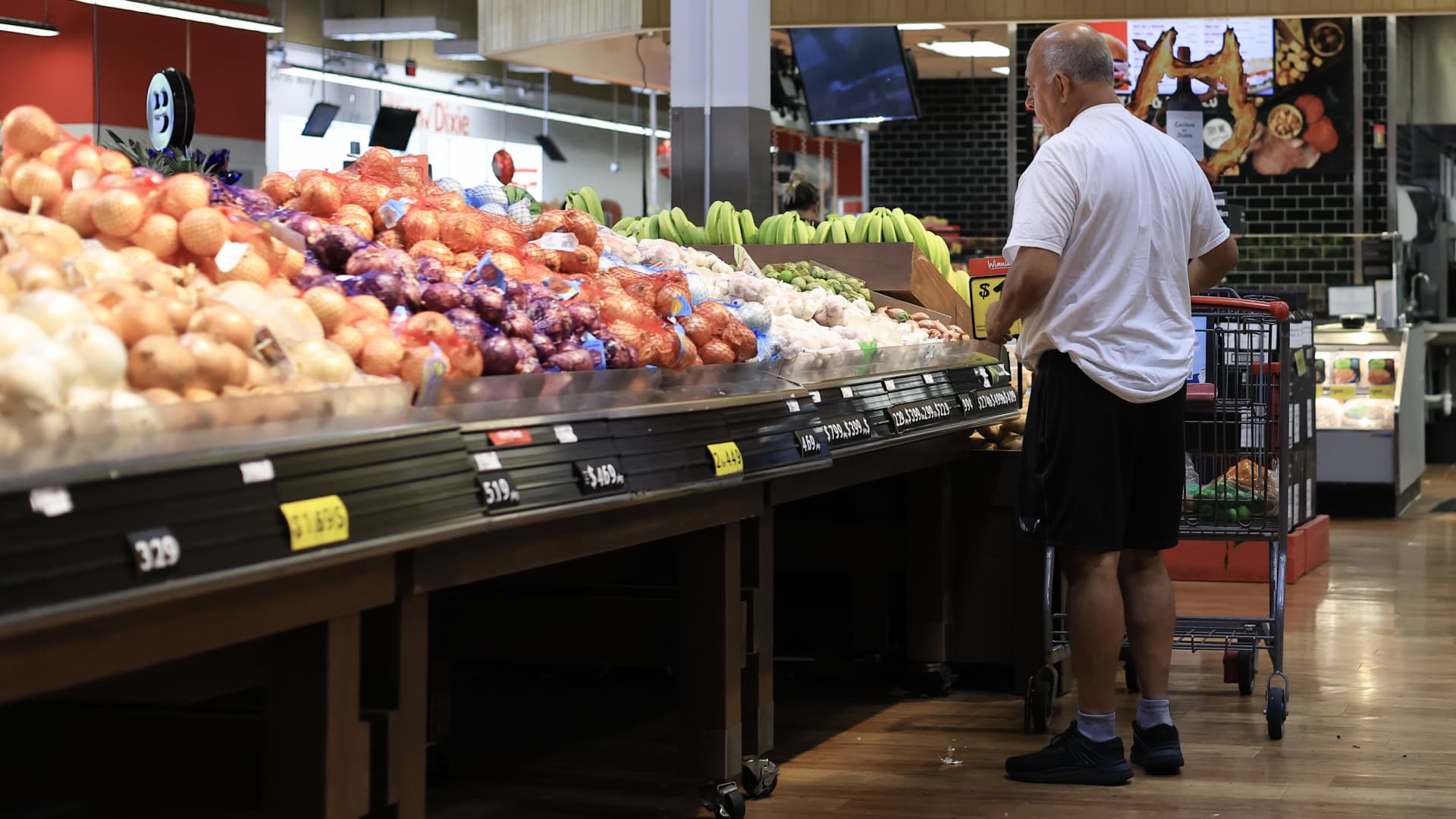
Iran War Triggers Surge in U.S. Food Prices Ahead of Elections


- Food Price Surge: The Iran war has led to soaring oil prices, which are expected to significantly increase food prices in the U.S., impacting voter perceptions ahead of the midterm elections, particularly as the Trump administration faces economic pressures.
- Voter Reaction: Democrats are capitalizing on rising food prices by blaming Trump's war decisions, believing this will affect voter support for Republicans, especially as economic burdens increase.
- Supply Chain Challenges: The costs of food production and transportation are rising due to increased oil and fertilizer prices, with new crops planted this season likely to see higher market prices at harvest time in the fall, exacerbating consumer economic pressures.
- Rising Plastic Costs: The price of plastics needed for food packaging is increasing due to tight natural gas supplies, leading to higher transportation and storage costs for fresh produce, which may drive consumer prices up further in the coming months.
See More
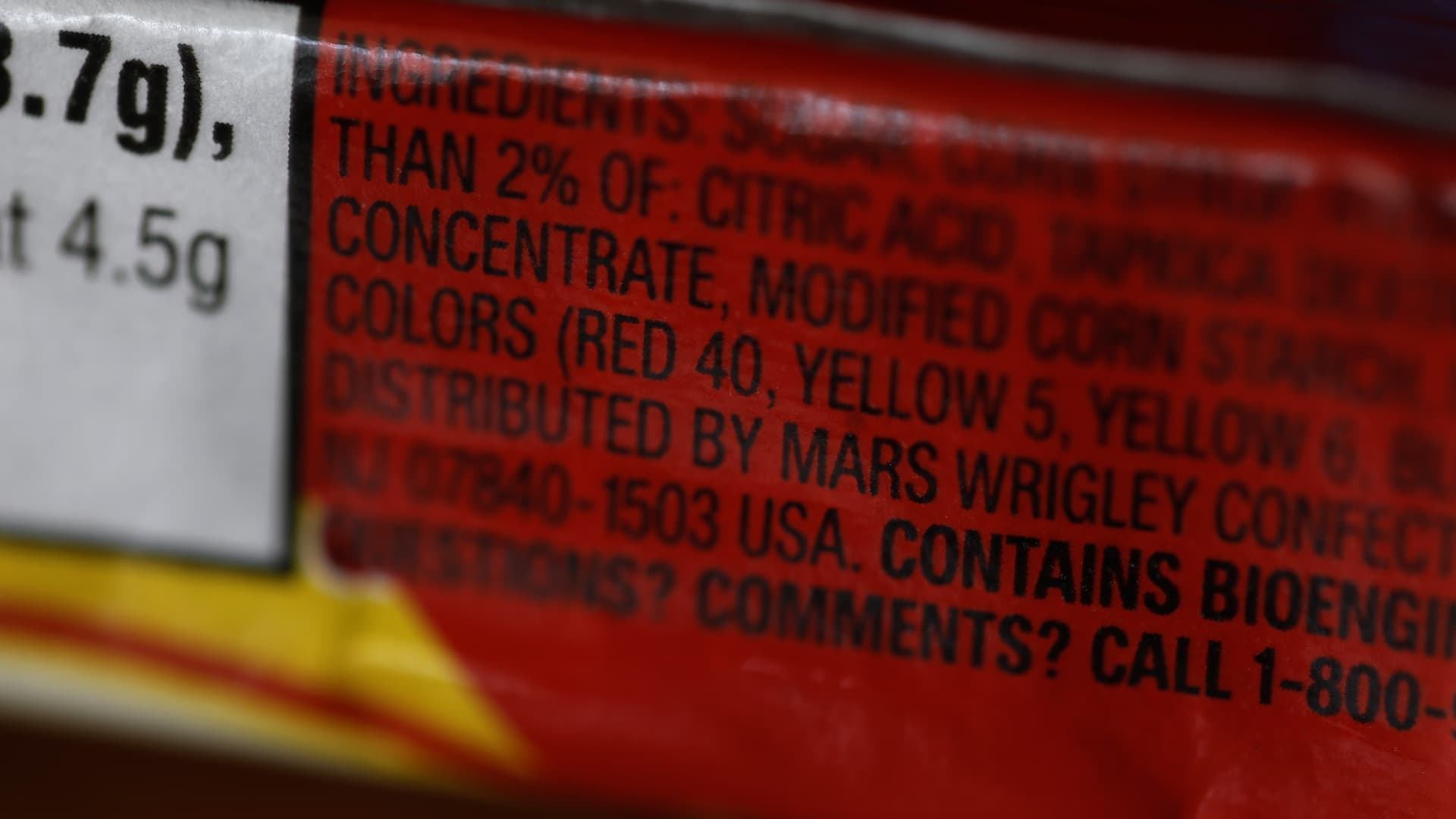
Sensient Technologies Set for Growth as Shift to Natural Dyes Accelerates


- Market Transformation Opportunity: According to UBS, U.S. food producers and grocers are transitioning from synthetic dyes to natural colorants, which is expected to create significant growth opportunities for Sensient Technologies, with analyst Joshua Spector noting this shift will act as a positive catalyst for the company's stock.
- Price Target Increase: UBS initiated coverage with a buy rating on Sensient, setting a price target of $115, implying a 33% upside from Tuesday's close, reflecting confidence in the company's future growth potential.
- Sales Growth Expectations: By 2030, Sensient's color group sales are projected to increase by over 200% due to the growing adoption of natural food colorings, significantly enhancing the company's market share and profitability, particularly in North America.
- Analyst Consensus: Among the three analysts covering Sensient, two have assigned strong buy or buy ratings, indicating a general optimism about the company's future performance, despite its shares having fallen nearly 3% year-to-date.
See More
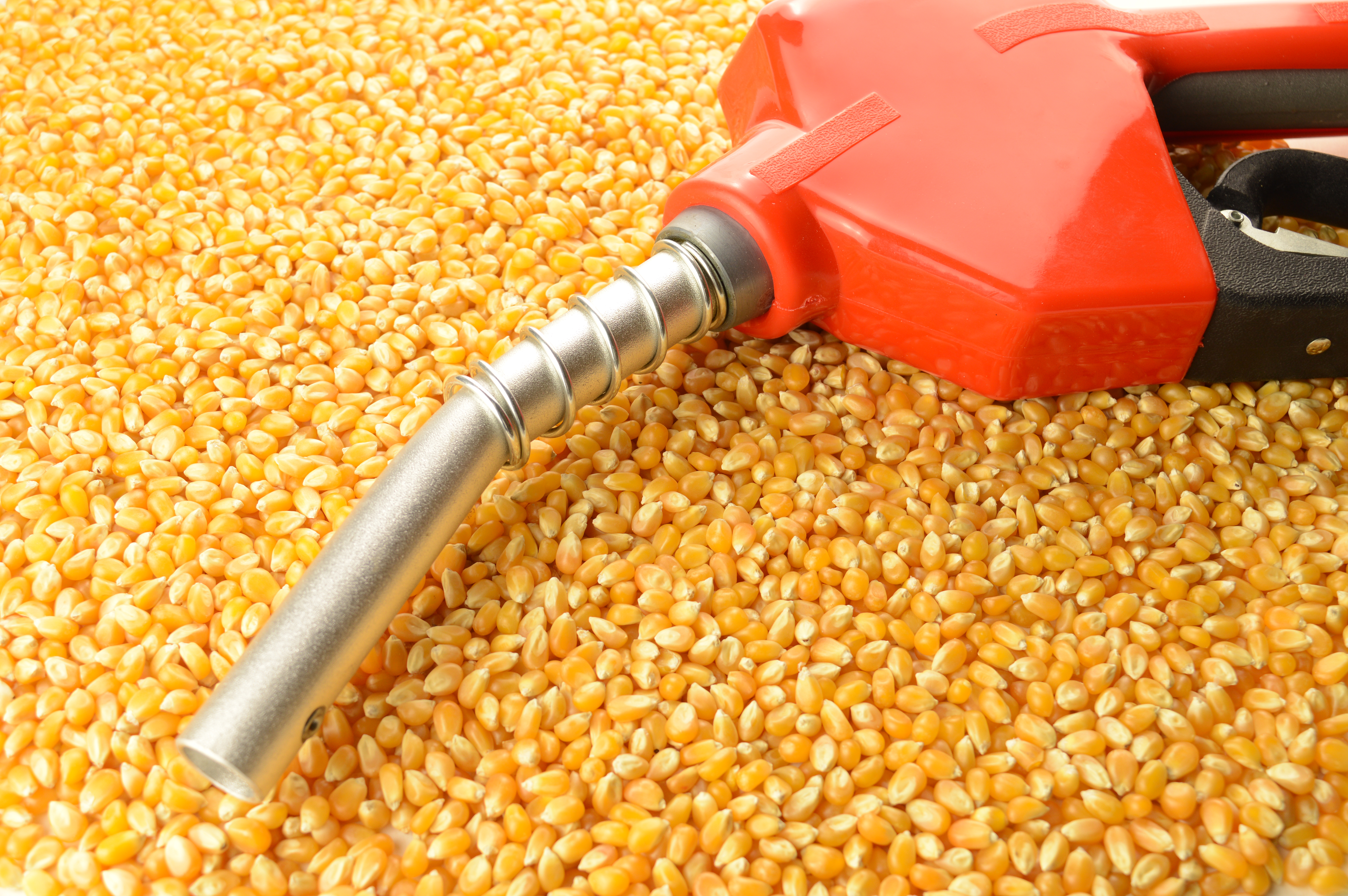
U.S. Biofuel Blending Standards Increased Amid Economic Challenges

- Increased Biofuel Blending: The EPA's new rule mandates refiners to blend a record 25.82 billion gallons of biofuels into gasoline and diesel for 2023 and 2024, representing nearly an 8% increase from last year's projections, aimed at supporting farmers facing low crop prices and high input costs.
- Impact on Diesel and Gasoline Demand: The new regulations raise biomass-based diesel blending by over 60%, which will directly affect refiners' production costs and could lead to higher fuel prices for consumers, particularly amid escalating tensions in Iran.
- Industry Pushback: The American Fuel and Petrochemical Manufacturers criticized the new regulations, arguing that they exacerbate consumer burdens at a time when fuel prices are already rising, highlighting a disconnect between policy intentions and market realities.
- Future Policy Implications: The EPA also announced that starting in 2028, foreign fuels and feedstocks will receive only half of the Renewable Identification Numbers (RINs) compared to U.S.-made products, a measure intended to bolster the domestic biofuel industry, potentially reshaping future market dynamics.
See More

EPA Issues Temporary Waiver for E15 Gasoline Sales Amid Price Surge

- Gas Price Relief Measure: The EPA issued a temporary waiver allowing nationwide sales of E15 ethanol gasoline to address surging prices due to the Middle East conflict, expected to provide consumers with cheaper fuel options and alleviate economic pressure.
- Waiver Duration and Extension: Effective May 1 for 20 days, the waiver can be extended if necessary, enabling retailers to sell typically prohibited 15% ethanol blends during warmer months, thereby increasing market supply.
- E10 Gasoline Sales Loosened: The EPA's action removes all federal barriers to E10 gasoline sales, particularly in seven Midwestern states that previously required mixing with more expensive blendstocks, thus reducing costs for retailers.
- Price Expectations and Market Impact: Analysts suggest this move could lower retail prices by several cents per gallon, with the current U.S. average for regular gasoline exceeding $3.98 per gallon, up over a dollar from a month ago, highlighting the policy's direct impact on consumers.
See More

Trump Administration Temporarily Waives Gasoline Sales Regulations Amid Iran War

- Surging Gas Prices: Gasoline prices have surged over 30% to $3.98 per gallon since the onset of the U.S. war against Iran, marking the highest levels since 2022, indicative of significant disruptions in global energy markets and supply chains.
- E15 and E10 Fuel Waivers: The EPA announced a temporary waiver starting May 1 to lift restrictions on the sale of E15 (15% ethanol blend) and E10 (10% ethanol blend) fuels, aimed at increasing fuel options in the market and alleviating supply constraints.
- Rising Diesel Prices: Diesel prices have soared over 40% to $5.37 per gallon, impacting the transportation sector, with the Energy Secretary indicating plans to boost diesel supply to meet market demand.
- Regulatory Flexibility: The EPA has also suspended certain state fuel requirements, allowing the production and distribution of gasoline with ethanol content between 9% and 15%, demonstrating the government's adaptability and responsiveness in addressing the energy crisis.
See More

Archer-Daniels-Midland Marks 53 Years of Dividend Increases

- Dividend Growth Milestone: Archer-Daniels-Midland has achieved 53 consecutive years of dividend increases, with a current yield of 2.9%, solidifying its status as a 'Dividend King' and attracting income-focused investors.
- 2026 Earnings Forecast: The company projects earnings per share for 2026 to be between $3.60 and $4.25, representing a 30% to 35% increase from 2025's $2.23, indicating management's confidence in future profitability, which could further drive stock price appreciation.
- Hershey's Brand Integration: Hershey announced the integration of its Sweet, Salty, and Protein brands into a single portfolio to enhance marketing efficiency, with expected sales growth of 4% to 5% in 2026, which will help strengthen its competitive position in the market.
- Strong Market Performance: Hershey's stock has risen nearly 15% this year, while Archer-Daniels-Midland's stock is up 24%, demonstrating the resilience of consumer staples stocks amid economic uncertainty and attracting increased investor interest.
See More
Iran War Triggers Surge in U.S. Food Prices Ahead of Elections
- Food Price Surge: The Iran war has led to soaring oil prices, which are expected to significantly increase food prices in the U.S., impacting voter perceptions ahead of the midterm elections, particularly as the Trump administration faces economic pressures.
- Voter Reaction: Democrats are capitalizing on rising food prices by blaming Trump's war decisions, believing this will affect voter support for Republicans, especially as economic burdens increase.
- Supply Chain Challenges: The costs of food production and transportation are rising due to increased oil and fertilizer prices, with new crops planted this season likely to see higher market prices at harvest time in the fall, exacerbating consumer economic pressures.
- Rising Plastic Costs: The price of plastics needed for food packaging is increasing due to tight natural gas supplies, leading to higher transportation and storage costs for fresh produce, which may drive consumer prices up further in the coming months.
See More
Sensient Technologies Set for Growth as Shift to Natural Dyes Accelerates
- Market Transformation Opportunity: According to UBS, U.S. food producers and grocers are transitioning from synthetic dyes to natural colorants, which is expected to create significant growth opportunities for Sensient Technologies, with analyst Joshua Spector noting this shift will act as a positive catalyst for the company's stock.
- Price Target Increase: UBS initiated coverage with a buy rating on Sensient, setting a price target of $115, implying a 33% upside from Tuesday's close, reflecting confidence in the company's future growth potential.
- Sales Growth Expectations: By 2030, Sensient's color group sales are projected to increase by over 200% due to the growing adoption of natural food colorings, significantly enhancing the company's market share and profitability, particularly in North America.
- Analyst Consensus: Among the three analysts covering Sensient, two have assigned strong buy or buy ratings, indicating a general optimism about the company's future performance, despite its shares having fallen nearly 3% year-to-date.
See More
U.S. Biofuel Blending Standards Increased Amid Economic Challenges
- Increased Biofuel Blending: The EPA's new rule mandates refiners to blend a record 25.82 billion gallons of biofuels into gasoline and diesel for 2023 and 2024, representing nearly an 8% increase from last year's projections, aimed at supporting farmers facing low crop prices and high input costs.
- Impact on Diesel and Gasoline Demand: The new regulations raise biomass-based diesel blending by over 60%, which will directly affect refiners' production costs and could lead to higher fuel prices for consumers, particularly amid escalating tensions in Iran.
- Industry Pushback: The American Fuel and Petrochemical Manufacturers criticized the new regulations, arguing that they exacerbate consumer burdens at a time when fuel prices are already rising, highlighting a disconnect between policy intentions and market realities.
- Future Policy Implications: The EPA also announced that starting in 2028, foreign fuels and feedstocks will receive only half of the Renewable Identification Numbers (RINs) compared to U.S.-made products, a measure intended to bolster the domestic biofuel industry, potentially reshaping future market dynamics.
See More
EPA Issues Temporary Waiver for E15 Gasoline Sales Amid Price Surge
- Gas Price Relief Measure: The EPA issued a temporary waiver allowing nationwide sales of E15 ethanol gasoline to address surging prices due to the Middle East conflict, expected to provide consumers with cheaper fuel options and alleviate economic pressure.
- Waiver Duration and Extension: Effective May 1 for 20 days, the waiver can be extended if necessary, enabling retailers to sell typically prohibited 15% ethanol blends during warmer months, thereby increasing market supply.
- E10 Gasoline Sales Loosened: The EPA's action removes all federal barriers to E10 gasoline sales, particularly in seven Midwestern states that previously required mixing with more expensive blendstocks, thus reducing costs for retailers.
- Price Expectations and Market Impact: Analysts suggest this move could lower retail prices by several cents per gallon, with the current U.S. average for regular gasoline exceeding $3.98 per gallon, up over a dollar from a month ago, highlighting the policy's direct impact on consumers.
See More
Trump Administration Temporarily Waives Gasoline Sales Regulations Amid Iran War
- Surging Gas Prices: Gasoline prices have surged over 30% to $3.98 per gallon since the onset of the U.S. war against Iran, marking the highest levels since 2022, indicative of significant disruptions in global energy markets and supply chains.
- E15 and E10 Fuel Waivers: The EPA announced a temporary waiver starting May 1 to lift restrictions on the sale of E15 (15% ethanol blend) and E10 (10% ethanol blend) fuels, aimed at increasing fuel options in the market and alleviating supply constraints.
- Rising Diesel Prices: Diesel prices have soared over 40% to $5.37 per gallon, impacting the transportation sector, with the Energy Secretary indicating plans to boost diesel supply to meet market demand.
- Regulatory Flexibility: The EPA has also suspended certain state fuel requirements, allowing the production and distribution of gasoline with ethanol content between 9% and 15%, demonstrating the government's adaptability and responsiveness in addressing the energy crisis.
See More
Archer-Daniels-Midland Marks 53 Years of Dividend Increases
- Dividend Growth Milestone: Archer-Daniels-Midland has achieved 53 consecutive years of dividend increases, with a current yield of 2.9%, solidifying its status as a 'Dividend King' and attracting income-focused investors.
- 2026 Earnings Forecast: The company projects earnings per share for 2026 to be between $3.60 and $4.25, representing a 30% to 35% increase from 2025's $2.23, indicating management's confidence in future profitability, which could further drive stock price appreciation.
- Hershey's Brand Integration: Hershey announced the integration of its Sweet, Salty, and Protein brands into a single portfolio to enhance marketing efficiency, with expected sales growth of 4% to 5% in 2026, which will help strengthen its competitive position in the market.
- Strong Market Performance: Hershey's stock has risen nearly 15% this year, while Archer-Daniels-Midland's stock is up 24%, demonstrating the resilience of consumer staples stocks amid economic uncertainty and attracting increased investor interest.
See More




