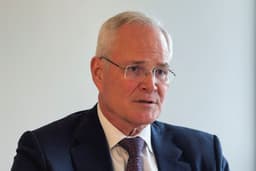
Amazon Shares Drop Due to Massive Capital Expenditure Plan
Written by Emily J. Thompson, Senior Investment Analyst
Updated: 1h ago
0mins
Should l Buy AMZN?
Source: Yahoo Finance
- Stock Decline: Amazon.com (NASDAQ: AMZN) shares fell over 5% on Friday after the announcement of a staggering $200 billion capital expenditure plan, which significantly exceeds its operating cash flow of $139.5 billion, raising investor concerns.
- Revenue Growth: In the fourth quarter, Amazon's net sales increased by 14% to $213.4 billion, with high-margin advertising sales rising 23% to $21.3 billion, indicating strong performance in both e-commerce and advertising sectors.
- Strong Cloud Performance: Amazon Web Services (AWS) generated $35.6 billion in sales during the fourth quarter, with revenue growth accelerating to 24%, leading to full-year sales of $128.7 billion and operating income of $45.6 billion, showcasing the profitability of its cloud computing business.
- Future Outlook: Amazon forecasts a net sales growth of 11% to 15% for Q1 2026, reaching between $173.5 billion and $178.5 billion, yet the massive capital expenditure plan continues to raise doubts about the potential returns on investment.
Trade with 70% Backtested Accuracy
Stop guessing "Should I Buy AMZN?" and start using high-conviction signals backed by rigorous historical data.
Sign up today to access powerful investing tools and make smarter, data-driven decisions.
Analyst Views on AMZN
Wall Street analysts forecast AMZN stock price to rise over the next 12 months. According to Wall Street analysts, the average 1-year price target for AMZN is 294.69 USD with a low forecast of 250.00 USD and a high forecast of 340.00 USD. However, analyst price targets are subjective and often lag stock prices, so investors should focus on the objective reasons behind analyst rating changes, which better reflect the company's fundamentals.
47 Analyst Rating
46 Buy
1 Hold
0 Sell
Strong Buy
Current: 222.690

Low
250.00
Averages
294.69
High
340.00
Current: 222.690
Low
250.00
Averages
294.69
High
340.00
About AMZN
Amazon.com, Inc. provides a range of products and services to customers. The products offered through its stores include merchandise and content it has purchased for resale and products offered by third-party sellers. The Company’s segments include North America, International and Amazon Web Services (AWS). It serves consumers through its online and physical stores and focuses on selection, price, and convenience. Customers access its offerings through its websites, mobile apps, Alexa, devices, streaming, and physically visiting its stores. It also manufactures and sells electronic devices, including Kindle, Fire tablet, Fire TV, Echo, Ring, Blink, and eero, and develops and produces media content. It serves developers and enterprises of all sizes, including start-ups, government agencies, and academic institutions, through AWS, which offers a set of on-demand technology services, including compute, storage, database, analytics, and machine learning, and other services.
About the author

Emily J. Thompson
Emily J. Thompson, a Chartered Financial Analyst (CFA) with 12 years in investment research, graduated with honors from the Wharton School. Specializing in industrial and technology stocks, she provides in-depth analysis for Intellectia’s earnings and market brief reports.

AMAZON STOCK FALLS 10% IN FRANKFURT FOLLOWING ANNOUNCEMENT OF SIGNIFICANT CAPITAL EXPENDITURE IN EARNINGS REPORT

Amazon Shares Drop: Amazon's shares fell by 10% in Frankfurt following the announcement of significant capital expenditures.
Impact of Results: The decline in stock price is attributed to investor reactions to the company's financial results and spending plans.
See More

AMAZON: Q4 OPERATING INCOME REFLECTS $730 MILLION IN ESTIMATED SEVERANCE EXPENSES AND $610 MILLION IN ASSET IMPAIRMENTS FROM PHYSICAL STORES - PRESENTATION
- Q4 Operating Income: Amazon's Q4 operating income includes an estimated $730 million in severance costs.
- Asset Impairments: The company reported $610 million in asset impairments related to physical stores.
See More

Amazon Faces Challenges from Tariffs
- Inventory Pressure: Amazon's inventory is depleting due to tariffs imposed by Trump, leading to higher acquisition costs for merchants, which may drive up prices in the marketplace and affect consumer purchasing decisions.
- Changing Consumer Behavior: CEO Andy Jassy noted that consumers are becoming more price-conscious, seeking bargains, which could lead them to shop at alternative retailers, potentially impacting Amazon's market share.
- Long-term Growth Prospects: Despite the challenges posed by tariffs, Amazon still possesses strong long-term growth potential, with a robust business model and solid cash flow that position it well to navigate economic slowdowns.
- Reasonable Market Valuation: With a market cap of $2.6 trillion, Amazon may seem expensive, but its forward P/E ratio of 29 indicates that the stock is not egregiously overvalued, making it a solid long-term investment choice.
See More
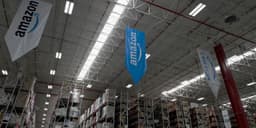
Amazon Shares Plummet Following Earnings Report
- Earnings Report Impact: Amazon's stock experienced a significant decline following the release of its earnings report, which fell slightly short of expectations.
- Market Reaction: The disappointing earnings results led to a negative reaction in the market, affecting investor confidence in the company's performance.
See More

Amazon Shares Drop Due to Massive Capital Spending Plan
- Strong Sales Growth: Amazon's fourth-quarter net sales rose 14% year-over-year to $213.4 billion, with advertising sales jumping 23% to $21.3 billion, demonstrating robust performance in both e-commerce and advertising, further solidifying its market leadership.
- Cloud Business Thrives: Amazon Web Services (AWS) generated $35.6 billion in sales with a growth rate accelerating to 24%, and full-year sales and operating income projected at $128.7 billion and $45.6 billion for 2025, indicating that cloud computing has become a crucial profit driver for the company.
- Capital Expenditure Concerns: Amazon's forecast of $200 billion in capital expenditures for 2026 significantly exceeds its operating cash flow of $139.5 billion over the past twelve months, raising investor concerns and contributing to a stock price drop of over 5%.
- Cautious Future Outlook: Amazon anticipates net sales growth of 11% to 15% for the first quarter of 2026, projecting between $173.5 billion and $178.5 billion, yet investor apprehension regarding its aggressive spending strategy may impact future stock performance.
See More

Google CEO Highlights AI Demand Outpacing Capacity Constraints


- Surging AI Demand: Google CEO Sundar Pichai highlighted during the earnings call that the rapid rise in AI demand has become the company's biggest near-term challenge, particularly as its 'AI-first' strategy collides with real-world constraints.
- Infrastructure Bottlenecks: Pichai emphasized that factors such as power availability, land, and supply chain issues have emerged as critical bottlenecks for Google's data center expansion, impacting the company's growth potential in the AI sector.
- Strong Financial Performance: Alphabet reported fourth-quarter revenue of $113.83 billion, exceeding market expectations of $111.31 billion, reflecting an 18% year-over-year growth driven by robust performance across all business segments.
- Future Investment Plans: The company anticipates capital expenditures ranging from $175 billion to $185 billion by 2026, primarily aimed at expanding AI computing capacity and strengthening technical infrastructure to support cloud growth.
See More
AMAZON STOCK FALLS 10% IN FRANKFURT FOLLOWING ANNOUNCEMENT OF SIGNIFICANT CAPITAL EXPENDITURE IN EARNINGS REPORT
Amazon Shares Drop: Amazon's shares fell by 10% in Frankfurt following the announcement of significant capital expenditures.
Impact of Results: The decline in stock price is attributed to investor reactions to the company's financial results and spending plans.
See More
AMAZON: Q4 OPERATING INCOME REFLECTS $730 MILLION IN ESTIMATED SEVERANCE EXPENSES AND $610 MILLION IN ASSET IMPAIRMENTS FROM PHYSICAL STORES - PRESENTATION
- Q4 Operating Income: Amazon's Q4 operating income includes an estimated $730 million in severance costs.
- Asset Impairments: The company reported $610 million in asset impairments related to physical stores.
See More
Amazon Faces Challenges from Tariffs
- Inventory Pressure: Amazon's inventory is depleting due to tariffs imposed by Trump, leading to higher acquisition costs for merchants, which may drive up prices in the marketplace and affect consumer purchasing decisions.
- Changing Consumer Behavior: CEO Andy Jassy noted that consumers are becoming more price-conscious, seeking bargains, which could lead them to shop at alternative retailers, potentially impacting Amazon's market share.
- Long-term Growth Prospects: Despite the challenges posed by tariffs, Amazon still possesses strong long-term growth potential, with a robust business model and solid cash flow that position it well to navigate economic slowdowns.
- Reasonable Market Valuation: With a market cap of $2.6 trillion, Amazon may seem expensive, but its forward P/E ratio of 29 indicates that the stock is not egregiously overvalued, making it a solid long-term investment choice.
See More
Amazon Shares Plummet Following Earnings Report
- Earnings Report Impact: Amazon's stock experienced a significant decline following the release of its earnings report, which fell slightly short of expectations.
- Market Reaction: The disappointing earnings results led to a negative reaction in the market, affecting investor confidence in the company's performance.
See More
Amazon Shares Drop Due to Massive Capital Spending Plan
- Strong Sales Growth: Amazon's fourth-quarter net sales rose 14% year-over-year to $213.4 billion, with advertising sales jumping 23% to $21.3 billion, demonstrating robust performance in both e-commerce and advertising, further solidifying its market leadership.
- Cloud Business Thrives: Amazon Web Services (AWS) generated $35.6 billion in sales with a growth rate accelerating to 24%, and full-year sales and operating income projected at $128.7 billion and $45.6 billion for 2025, indicating that cloud computing has become a crucial profit driver for the company.
- Capital Expenditure Concerns: Amazon's forecast of $200 billion in capital expenditures for 2026 significantly exceeds its operating cash flow of $139.5 billion over the past twelve months, raising investor concerns and contributing to a stock price drop of over 5%.
- Cautious Future Outlook: Amazon anticipates net sales growth of 11% to 15% for the first quarter of 2026, projecting between $173.5 billion and $178.5 billion, yet investor apprehension regarding its aggressive spending strategy may impact future stock performance.
See More
Google CEO Highlights AI Demand Outpacing Capacity Constraints
- Surging AI Demand: Google CEO Sundar Pichai highlighted during the earnings call that the rapid rise in AI demand has become the company's biggest near-term challenge, particularly as its 'AI-first' strategy collides with real-world constraints.
- Infrastructure Bottlenecks: Pichai emphasized that factors such as power availability, land, and supply chain issues have emerged as critical bottlenecks for Google's data center expansion, impacting the company's growth potential in the AI sector.
- Strong Financial Performance: Alphabet reported fourth-quarter revenue of $113.83 billion, exceeding market expectations of $111.31 billion, reflecting an 18% year-over-year growth driven by robust performance across all business segments.
- Future Investment Plans: The company anticipates capital expenditures ranging from $175 billion to $185 billion by 2026, primarily aimed at expanding AI computing capacity and strengthening technical infrastructure to support cloud growth.
See More