Abortion Pill Manufacturers Prepare for New Limitations One Year Post-Trump's Election


Current Status of Mifepristone: The abortion pill mifepristone remains available under existing federal rules, with the FDA allowing telehealth prescriptions and mail delivery, despite potential threats from a safety review and legal challenges.
Impact of Political Changes: The Trump administration's influence on the FDA and potential reinterpretation of laws like the Comstock Act could significantly restrict access to mifepristone, despite its long-standing safety record and recent approval of a generic version.
Market and Legal Landscape: Drug manufacturers are preparing for possible regulatory changes that could affect the supply chain and access to mifepristone, while ongoing litigation and state-level restrictions create a complex environment for abortion providers.
Challenges for Abortion Providers: Despite some states strengthening protections for providers, many clinics face operational challenges due to funding cuts, staff shortages, and legal risks, leading to a chilling effect on prescribing mifepristone across state lines.
Trade with 70% Backtested Accuracy
Analyst Views on CVS

About CVS
About the author

CVS Health Invests in Senior Housing in New Jersey
- Housing Investment Scale: CVS Health's $9 million investment through R4 Capital, in collaboration with Diocesan Housing Services Corporation and The Walters Group, supports the development of a 75-unit affordable housing project for seniors in Williamstown, New Jersey, reflecting the company's long-standing commitment to improving community health.
- Diverse Funding Sources: The project secured $8 million in HUD funding, $14 million in NJHMFA construction financing, and $7 million from the Affordable Housing Production Fund, highlighting the importance of multi-party collaboration in addressing the housing needs of older adults.
- Addressing Housing Burden: With 60% of New Jersey renters aged 65 and older facing housing cost burdens, CVS Health's investment not only meets the urgent need for affordable housing but also helps residents live safely and independently by providing personalized medical and social services.
- Significant Economic Impact: CVS Health's operations in New Jersey are projected to generate an estimated $12.5 billion economic impact in 2024, supporting over 39,000 jobs while contributing approximately $882.1 billion in state and local taxes, further solidifying its vital role in the community.
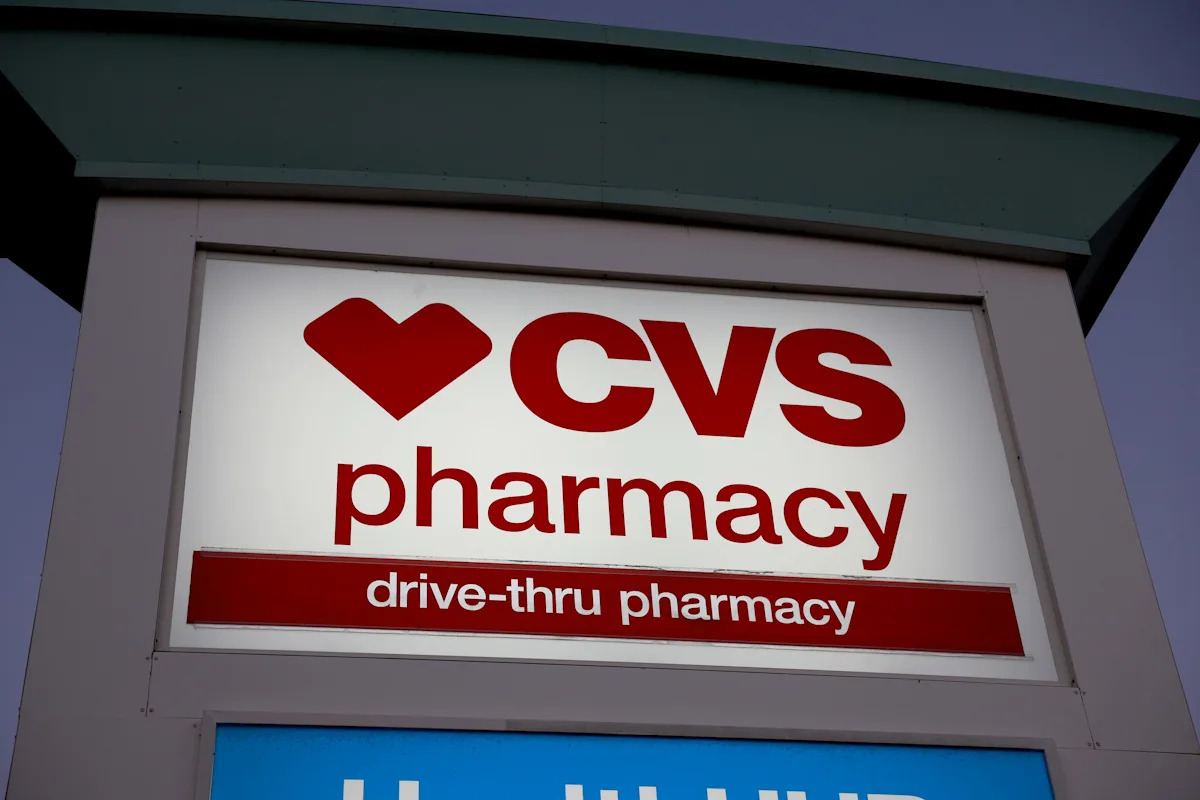
CVS Sues Tennessee to Block Pharmacy Closure Legislation
- Legal Challenge: On May 22, CVS filed a lawsuit in Nashville to block Tennessee's new law that would force the closure of its 136 pharmacies in the state, impacting over 2,000 employees and 1.5 million patients' access to medications.
- Legislative Background: The law, signed by Governor Bill Lee, prohibits companies from owning both pharmacies and pharmacy benefit managers (PBMs), taking effect on July 1, 2028; CVS claims this law undermines patient interests and restricts fair competition.
- Industry Impact: CVS spokesperson stated that the law would increase prescription drug costs and would not lower costs for anyone, highlighting the growing regulatory scrutiny on large healthcare corporations amid congressional and state-level focus on drug pricing.
- Lawsuit Objectives: CVS's lawsuit seeks a federal judge's ruling that the law violates federal statutes and aims to prevent Tennessee from implementing it, naming the Tennessee Board of Pharmacy and other officials as defendants, demonstrating CVS's strong opposition and commitment to protecting patient rights.
Glenview Capital's Investment Review of CVS Health
- Significant Investment Returns: Since May 2024, CVS Health shares have generated an 80% total return, reflecting the company's positive progress in cultural and operational turnaround, indicating an increase in long-term investment value.
- Strategic Holdings Adjustment: Glenview rebalanced its holdings in May 2025 and 2026, reducing CVS shares by 3.75 million to align with the fund's diversification parameters while creating capital for further investment opportunities in a volatile macro environment.
- Ongoing Confidence: Despite the adjustments, CVS Health remains one of Glenview's top three holdings, with management expressing strong confidence in CVS's near, medium, and long-term outlook, highlighting its stability and potential in the market.
- Enhanced Operational Efficiency: CVS Health has improved drug reimbursement processes and expedited medical claims handling through increased operational intensity and transparency, positively impacting the health and well-being of the majority of Americans, showcasing its innovative leadership in the industry.

CVS Health Stock Rises 24%: Key Growth Drivers
- Earnings Surprise: CVS reported a 6.2% year-over-year revenue increase to $100.4 billion in Q1, exceeding analyst expectations of $94.4 billion, with EPS at $2.30, a 62% rise, prompting the company to raise its full-year guidance, now forecasting EPS between $6.24 and $6.44 and operational cash flow of at least $9.5 billion, indicating robust financial health.
- Attractive Dividend Yield: With a current dividend yield of approximately 2.8%, more than double the S&P 500 average, CVS's consistent free cash flow, ranging from $9 billion to $10.5 billion in recent years, supports its dividend payments, enhancing investor confidence.
- Insurance Segment Recovery: CVS's health insurance unit Aetna saw a 3.3% revenue increase to $35.9 billion, with improved margins due to reduced medical utilization costs, as the medical benefit ratio dropped from 87.3% to 84.6%, reflecting strategic adjustments to enhance insurance profitability.
- Debt Concerns Persist: While CVS shows signs of improving profitability, its long-term debt of $86.4 billion remains a drag on performance, with a capital-intensive acquisition strategy leading to significant interest expenses, although total debt has decreased by 1.5% year-over-year to $175 billion, warranting attention on its impact on expansion and stock buybacks.

CVS Surprises with Strong Q1 Revenue and Earnings
- Significant Revenue Growth: CVS reported a 6.2% year-over-year revenue increase to $100.4 billion in Q1, surpassing analyst expectations of $94.4 billion, with EPS at $2.30, reflecting a 62% increase, indicating a strong rebound in its healthcare and pharmacy segments.
- Upgraded Full-Year Guidance: The company raised its full-year EPS forecast to between $6.24 and $6.44, and operational cash flow expectations increased from $9 billion to at least $9.5 billion, showcasing management's confidence in improving market demand and performance.
- Healthcare Segment Recovery: Revenue from the Aetna health insurance unit rose 3.3% year-over-year to $35.9 billion, with a significant drop in the medical benefit ratio to 84.6%, demonstrating effective cost control and profit enhancement strategies.
- Debt Management Challenges: Despite CVS's long-term debt standing at $86.4 billion, it is gradually reducing total debt by 1.5%, indicating efforts to improve financial health under a capital-intensive acquisition strategy, allowing for future expansion and stock buybacks.
CVS Health Reaffirms Commitment to Military Families
- Comprehensive Support for Military Families: CVS Health is committed to supporting service members, veterans, and their families through partnerships with nonprofits, providing healthcare access, community solutions, and economic opportunities, ensuring they receive necessary support and resources throughout their service lifecycle.
- Innovative Community Solutions: In North Carolina, CVS Health has launched MFAN's Pantry Restock Program and community support initiatives with Hope For The Warriors, with plans to expand to additional states this year, addressing the real challenges military families face during transitions and enhancing their quality of life.
- Economic Stability and Entrepreneurship Support: In 2025, CVS Health spent $292 million with veteran-owned small businesses, supporting career development and entrepreneurship for veterans and their spouses, helping them gain training and certification within the company's supply chain to promote economic mobility.
- Enhancing Community Connections: CVS Health collaborates with organizations like the Travis Manion Foundation to invest in programs that help veterans and military spouses continue serving their communities, emphasizing the importance of purpose for health and fostering physical wellness and social connections.
CVS Health Invests in Senior Housing in New Jersey
- Housing Investment Scale: CVS Health's $9 million investment through R4 Capital, in collaboration with Diocesan Housing Services Corporation and The Walters Group, supports the development of a 75-unit affordable housing project for seniors in Williamstown, New Jersey, reflecting the company's long-standing commitment to improving community health.
- Diverse Funding Sources: The project secured $8 million in HUD funding, $14 million in NJHMFA construction financing, and $7 million from the Affordable Housing Production Fund, highlighting the importance of multi-party collaboration in addressing the housing needs of older adults.
- Addressing Housing Burden: With 60% of New Jersey renters aged 65 and older facing housing cost burdens, CVS Health's investment not only meets the urgent need for affordable housing but also helps residents live safely and independently by providing personalized medical and social services.
- Significant Economic Impact: CVS Health's operations in New Jersey are projected to generate an estimated $12.5 billion economic impact in 2024, supporting over 39,000 jobs while contributing approximately $882.1 billion in state and local taxes, further solidifying its vital role in the community.
CVS Sues Tennessee to Block Pharmacy Closure Legislation
- Legal Challenge: On May 22, CVS filed a lawsuit in Nashville to block Tennessee's new law that would force the closure of its 136 pharmacies in the state, impacting over 2,000 employees and 1.5 million patients' access to medications.
- Legislative Background: The law, signed by Governor Bill Lee, prohibits companies from owning both pharmacies and pharmacy benefit managers (PBMs), taking effect on July 1, 2028; CVS claims this law undermines patient interests and restricts fair competition.
- Industry Impact: CVS spokesperson stated that the law would increase prescription drug costs and would not lower costs for anyone, highlighting the growing regulatory scrutiny on large healthcare corporations amid congressional and state-level focus on drug pricing.
- Lawsuit Objectives: CVS's lawsuit seeks a federal judge's ruling that the law violates federal statutes and aims to prevent Tennessee from implementing it, naming the Tennessee Board of Pharmacy and other officials as defendants, demonstrating CVS's strong opposition and commitment to protecting patient rights.
Glenview Capital's Investment Review of CVS Health
- Significant Investment Returns: Since May 2024, CVS Health shares have generated an 80% total return, reflecting the company's positive progress in cultural and operational turnaround, indicating an increase in long-term investment value.
- Strategic Holdings Adjustment: Glenview rebalanced its holdings in May 2025 and 2026, reducing CVS shares by 3.75 million to align with the fund's diversification parameters while creating capital for further investment opportunities in a volatile macro environment.
- Ongoing Confidence: Despite the adjustments, CVS Health remains one of Glenview's top three holdings, with management expressing strong confidence in CVS's near, medium, and long-term outlook, highlighting its stability and potential in the market.
- Enhanced Operational Efficiency: CVS Health has improved drug reimbursement processes and expedited medical claims handling through increased operational intensity and transparency, positively impacting the health and well-being of the majority of Americans, showcasing its innovative leadership in the industry.
CVS Health Stock Rises 24%: Key Growth Drivers
- Earnings Surprise: CVS reported a 6.2% year-over-year revenue increase to $100.4 billion in Q1, exceeding analyst expectations of $94.4 billion, with EPS at $2.30, a 62% rise, prompting the company to raise its full-year guidance, now forecasting EPS between $6.24 and $6.44 and operational cash flow of at least $9.5 billion, indicating robust financial health.
- Attractive Dividend Yield: With a current dividend yield of approximately 2.8%, more than double the S&P 500 average, CVS's consistent free cash flow, ranging from $9 billion to $10.5 billion in recent years, supports its dividend payments, enhancing investor confidence.
- Insurance Segment Recovery: CVS's health insurance unit Aetna saw a 3.3% revenue increase to $35.9 billion, with improved margins due to reduced medical utilization costs, as the medical benefit ratio dropped from 87.3% to 84.6%, reflecting strategic adjustments to enhance insurance profitability.
- Debt Concerns Persist: While CVS shows signs of improving profitability, its long-term debt of $86.4 billion remains a drag on performance, with a capital-intensive acquisition strategy leading to significant interest expenses, although total debt has decreased by 1.5% year-over-year to $175 billion, warranting attention on its impact on expansion and stock buybacks.
CVS Surprises with Strong Q1 Revenue and Earnings
- Significant Revenue Growth: CVS reported a 6.2% year-over-year revenue increase to $100.4 billion in Q1, surpassing analyst expectations of $94.4 billion, with EPS at $2.30, reflecting a 62% increase, indicating a strong rebound in its healthcare and pharmacy segments.
- Upgraded Full-Year Guidance: The company raised its full-year EPS forecast to between $6.24 and $6.44, and operational cash flow expectations increased from $9 billion to at least $9.5 billion, showcasing management's confidence in improving market demand and performance.
- Healthcare Segment Recovery: Revenue from the Aetna health insurance unit rose 3.3% year-over-year to $35.9 billion, with a significant drop in the medical benefit ratio to 84.6%, demonstrating effective cost control and profit enhancement strategies.
- Debt Management Challenges: Despite CVS's long-term debt standing at $86.4 billion, it is gradually reducing total debt by 1.5%, indicating efforts to improve financial health under a capital-intensive acquisition strategy, allowing for future expansion and stock buybacks.
CVS Health Reaffirms Commitment to Military Families
- Comprehensive Support for Military Families: CVS Health is committed to supporting service members, veterans, and their families through partnerships with nonprofits, providing healthcare access, community solutions, and economic opportunities, ensuring they receive necessary support and resources throughout their service lifecycle.
- Innovative Community Solutions: In North Carolina, CVS Health has launched MFAN's Pantry Restock Program and community support initiatives with Hope For The Warriors, with plans to expand to additional states this year, addressing the real challenges military families face during transitions and enhancing their quality of life.
- Economic Stability and Entrepreneurship Support: In 2025, CVS Health spent $292 million with veteran-owned small businesses, supporting career development and entrepreneurship for veterans and their spouses, helping them gain training and certification within the company's supply chain to promote economic mobility.
- Enhancing Community Connections: CVS Health collaborates with organizations like the Travis Manion Foundation to invest in programs that help veterans and military spouses continue serving their communities, emphasizing the importance of purpose for health and fostering physical wellness and social connections.