USA Rare Earth Secures $1.6 Billion Funding Amid Market Moves

USA Rare Earth Inc's stock fell 5.43% as it crossed below the 5-day SMA, reflecting investor concerns amid significant funding announcements.
The company secured a non-binding Letter of Intent with the U.S. Department of Commerce, which includes $277 million in federal funding and a $1.3 billion senior secured loan. This funding is expected to accelerate domestic production of rare earths and critical minerals, enhancing U.S. competitiveness in key sectors. However, the announcement of potential shareholder dilution due to the government's acquisition of shares has raised investor concerns, contributing to the stock's decline despite the positive funding news.
The implications of this funding are substantial, as it positions USA Rare Earth to significantly increase its production capacity and address supply chain gaps. However, the potential dilution of shares may create volatility in the stock price, affecting investor confidence in the company's long-term profitability.
Trade with 70% Backtested Accuracy
Analyst Views on USAR

About USAR
About the author


White House Plans to Control Key Mineral Prices
- Pricing Control Initiative: U.S. Vice President Vance announced plans to establish a trading bloc aimed at countering China's control over rare earth mineral markets, although this initiative may introduce new challenges for the industry, particularly impacting USA Rare Earth.
- Impact of Project Vault: President Trump's Monday announcement of 'Project Vault' involves a $12 billion investment in national stockpiling of critical industrial materials, which is beneficial for USA Rare Earth, yet the stock fell 8.4%, indicating investor concerns.
- Market Volatility: Despite favorable news, USA Rare Earth's stock price dropped again on Wednesday, reflecting investor worries about potential price controls and weakened demand, leading to unstable market sentiment.
- Production Outlook: Despite uncertainties, USA Rare Earth still expects to begin production of much-needed magnets later this year, indicating the company's ongoing potential in critical mineral resources.

USA Rare Earth Seizes Strategic Opportunity Amid Supply Chain Urgency
- Market Dependency Issue: According to the International Energy Agency, China accounted for 59% of global rare earth mining, 91% of refining, and 94% of permanent magnet production in 2024, highlighting the U.S.'s uncomfortable reliance on China for rare earth metals, where a policy shift could severely impact the American economy.
- Control of Key Resources: USA Rare Earth’s Round Top Deposit is one of the largest polymetallic bodies in the U.S., containing at least 15 rare earth elements and lithium, with heavy rare earth elements critical for permanent magnet production, positioning the company for significant market potential.
- Production Capacity Development: The company is constructing a magnet factory in Oklahoma and investing in its R&D lab in Colorado to identify the most cost-effective extraction and production techniques, laying the groundwork for future large-scale production.
- Funding and Market Outlook: By 2026, USA Rare Earth has raised approximately $3.1 billion for the development of the Round Top mine and the magnet factory, including $1.6 billion in loans and federal grants, and if large-scale production is achieved, it could attract major clients like Ford, GM, and the Department of Defense, significantly boosting revenue.

Nvidia's $2 Billion Investment in CoreWeave Highlights AI Infrastructure Needs


- Significant Investment: Nvidia's announcement of a $2 billion investment in CoreWeave, purchasing shares at approximately $87 each, represents a 6.5% discount from last Friday's closing price, resulting in a more than 10% surge in CoreWeave's stock, indicating strong market demand for AI infrastructure.
- Deepening Strategic Partnership: The collaboration between Nvidia and CoreWeave aims to meet the extraordinary demand for Nvidia's AI factories, with plans to build 5 gigawatts of AI factories by 2030, and this investment will accelerate that process, further solidifying Nvidia's leadership in the AI sector.
- Liquidity Crisis Concerns: While Nvidia's investment is seen as support for CoreWeave, critics note that CoreWeave may be facing cash flow shortages and debt burdens, suggesting that Nvidia's investment could be a move to mitigate the risk of its partner's potential bankruptcy.
- Market Outlook Analysis: As AI technology rapidly evolves, Nvidia's investment is not only a lifeline for CoreWeave but also a strategic positioning within the entire AI ecosystem, reflecting the company's forward-thinking approach in future market competition.

NVIDIA Invests $2 Billion in CoreWeave to Boost AI Infrastructure
- Investment Scale: NVIDIA announced a $2 billion investment in CoreWeave, purchasing shares at approximately $87 each, reflecting a 6.5% discount from Friday's closing price, aimed at supporting CoreWeave's expansion of AI data center infrastructure to meet growing market demand.
- Market Reaction: Following the announcement, CoreWeave's shares surged over 10%, indicating a positive market response to NVIDIA's investment and reflecting investor optimism regarding the demand for AI infrastructure.
- Strategic Significance: NVIDIA's investment not only supports CoreWeave but also signifies its long-term strategic positioning in the AI sector, with plans to build 5 gigawatts of AI factories by 2030 to address future technological needs.
- Risk Consideration: While the investment is seen as a support for CoreWeave, analysts express concerns that NVIDIA may be overly reliant on CoreWeave financially, especially as it faces liquidity crises and debt pressures, which could impact NVIDIA's long-term investment returns.
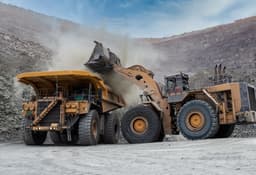
USA Rare Earth Shares Volatile Amid Policy Announcements
- Stock Volatility: USA Rare Earth (USAR) shares fell 8.4% to $23.50 today, primarily influenced by the Vice President's announcement of a trading bloc, despite the plan seemingly favoring the company.
- Policy Context: President Trump's 'Project Vault' aims to stockpile $12 billion worth of critical industrial materials, which initially boosted stock prices, but the market remains cautious about its long-term implications.
- Market Concerns: Investors are worried that the newly established price controls could lead to declining rare earth prices, weakening the company's pricing power and impacting future profitability.
- Production Outlook: Despite the policy uncertainties, USA Rare Earth still expects to begin production of much-needed magnets later this year, indicating the company's long-term potential in critical mineral resources.

U.S. Intensifies Competition in Critical Minerals Sector

- Critical Minerals Strategy: The U.S. government has prioritized critical minerals as a national security issue, launching a strategic stockpile initiative called 'Project Vault' aimed at enhancing supply chain control for electric vehicles and defense systems, thereby elevating the nation's position in global competition.
- Geopolitical Implications: The intensifying competition between the U.S. and China in the critical minerals sector, particularly in rare earths where China holds about 70% of the global market share, necessitates increased U.S. focus on countries like Colombia, Mexico, and Venezuela to secure resource supply chains.
- Market Volatility Expectations: While the market has largely shrugged off geopolitical tensions, investors remain optimistic about fiscal stimulus and strong earnings growth, anticipating continued volatility, especially in the critical minerals and alternative investment sectors.
- Investment Opportunities: Following the surge in rare earth mining stocks due to the critical minerals stockpile announcement, investors are encouraged to directly invest in commodities rather than related companies to achieve purer market exposure, indicating a growing interest in mining and alternative investments.
White House Plans to Control Key Mineral Prices
- Pricing Control Initiative: U.S. Vice President Vance announced plans to establish a trading bloc aimed at countering China's control over rare earth mineral markets, although this initiative may introduce new challenges for the industry, particularly impacting USA Rare Earth.
- Impact of Project Vault: President Trump's Monday announcement of 'Project Vault' involves a $12 billion investment in national stockpiling of critical industrial materials, which is beneficial for USA Rare Earth, yet the stock fell 8.4%, indicating investor concerns.
- Market Volatility: Despite favorable news, USA Rare Earth's stock price dropped again on Wednesday, reflecting investor worries about potential price controls and weakened demand, leading to unstable market sentiment.
- Production Outlook: Despite uncertainties, USA Rare Earth still expects to begin production of much-needed magnets later this year, indicating the company's ongoing potential in critical mineral resources.
USA Rare Earth Seizes Strategic Opportunity Amid Supply Chain Urgency
- Market Dependency Issue: According to the International Energy Agency, China accounted for 59% of global rare earth mining, 91% of refining, and 94% of permanent magnet production in 2024, highlighting the U.S.'s uncomfortable reliance on China for rare earth metals, where a policy shift could severely impact the American economy.
- Control of Key Resources: USA Rare Earth’s Round Top Deposit is one of the largest polymetallic bodies in the U.S., containing at least 15 rare earth elements and lithium, with heavy rare earth elements critical for permanent magnet production, positioning the company for significant market potential.
- Production Capacity Development: The company is constructing a magnet factory in Oklahoma and investing in its R&D lab in Colorado to identify the most cost-effective extraction and production techniques, laying the groundwork for future large-scale production.
- Funding and Market Outlook: By 2026, USA Rare Earth has raised approximately $3.1 billion for the development of the Round Top mine and the magnet factory, including $1.6 billion in loans and federal grants, and if large-scale production is achieved, it could attract major clients like Ford, GM, and the Department of Defense, significantly boosting revenue.
Nvidia's $2 Billion Investment in CoreWeave Highlights AI Infrastructure Needs
- Significant Investment: Nvidia's announcement of a $2 billion investment in CoreWeave, purchasing shares at approximately $87 each, represents a 6.5% discount from last Friday's closing price, resulting in a more than 10% surge in CoreWeave's stock, indicating strong market demand for AI infrastructure.
- Deepening Strategic Partnership: The collaboration between Nvidia and CoreWeave aims to meet the extraordinary demand for Nvidia's AI factories, with plans to build 5 gigawatts of AI factories by 2030, and this investment will accelerate that process, further solidifying Nvidia's leadership in the AI sector.
- Liquidity Crisis Concerns: While Nvidia's investment is seen as support for CoreWeave, critics note that CoreWeave may be facing cash flow shortages and debt burdens, suggesting that Nvidia's investment could be a move to mitigate the risk of its partner's potential bankruptcy.
- Market Outlook Analysis: As AI technology rapidly evolves, Nvidia's investment is not only a lifeline for CoreWeave but also a strategic positioning within the entire AI ecosystem, reflecting the company's forward-thinking approach in future market competition.
NVIDIA Invests $2 Billion in CoreWeave to Boost AI Infrastructure
- Investment Scale: NVIDIA announced a $2 billion investment in CoreWeave, purchasing shares at approximately $87 each, reflecting a 6.5% discount from Friday's closing price, aimed at supporting CoreWeave's expansion of AI data center infrastructure to meet growing market demand.
- Market Reaction: Following the announcement, CoreWeave's shares surged over 10%, indicating a positive market response to NVIDIA's investment and reflecting investor optimism regarding the demand for AI infrastructure.
- Strategic Significance: NVIDIA's investment not only supports CoreWeave but also signifies its long-term strategic positioning in the AI sector, with plans to build 5 gigawatts of AI factories by 2030 to address future technological needs.
- Risk Consideration: While the investment is seen as a support for CoreWeave, analysts express concerns that NVIDIA may be overly reliant on CoreWeave financially, especially as it faces liquidity crises and debt pressures, which could impact NVIDIA's long-term investment returns.
USA Rare Earth Shares Volatile Amid Policy Announcements
- Stock Volatility: USA Rare Earth (USAR) shares fell 8.4% to $23.50 today, primarily influenced by the Vice President's announcement of a trading bloc, despite the plan seemingly favoring the company.
- Policy Context: President Trump's 'Project Vault' aims to stockpile $12 billion worth of critical industrial materials, which initially boosted stock prices, but the market remains cautious about its long-term implications.
- Market Concerns: Investors are worried that the newly established price controls could lead to declining rare earth prices, weakening the company's pricing power and impacting future profitability.
- Production Outlook: Despite the policy uncertainties, USA Rare Earth still expects to begin production of much-needed magnets later this year, indicating the company's long-term potential in critical mineral resources.
U.S. Intensifies Competition in Critical Minerals Sector
- Critical Minerals Strategy: The U.S. government has prioritized critical minerals as a national security issue, launching a strategic stockpile initiative called 'Project Vault' aimed at enhancing supply chain control for electric vehicles and defense systems, thereby elevating the nation's position in global competition.
- Geopolitical Implications: The intensifying competition between the U.S. and China in the critical minerals sector, particularly in rare earths where China holds about 70% of the global market share, necessitates increased U.S. focus on countries like Colombia, Mexico, and Venezuela to secure resource supply chains.
- Market Volatility Expectations: While the market has largely shrugged off geopolitical tensions, investors remain optimistic about fiscal stimulus and strong earnings growth, anticipating continued volatility, especially in the critical minerals and alternative investment sectors.
- Investment Opportunities: Following the surge in rare earth mining stocks due to the critical minerals stockpile announcement, investors are encouraged to directly invest in commodities rather than related companies to achieve purer market exposure, indicating a growing interest in mining and alternative investments.