BigBear.ai to Release Q4 Earnings on March 2, 2026

BigBear.ai's stock rose by 5.20% as it crossed above the 5-day SMA, reflecting positive market conditions.
The company announced it will release its fourth quarter and full year earnings on March 2, 2026, at 4:15 PM ET, which is expected to provide insights into its financial performance and future outlook. This scheduled earnings release is aimed at enhancing transparency and communication with investors, which may positively influence investor sentiment.
The upcoming earnings report could be pivotal for BigBear.ai, especially in light of recent challenges highlighted by analysts, including a downgrade from Cantor due to revenue decline. Investors will be keen to see if the company can address these concerns and demonstrate a path to recovery.
Trade with 70% Backtested Accuracy
Analyst Views on BBAI

About BBAI
About the author


BigBear.ai to Release Q4 and Full Year Earnings on March 2
- Earnings Release Schedule: BigBear.ai will publish its fourth quarter and full year earnings on March 2 at 4:15 PM ET, followed by an earnings call to discuss financial performance and future outlook.
- Investor Relations Website: The earnings release will be accessible on the company's investor relations website, ensuring that all investors can timely access key information, thereby enhancing transparency and communication efficiency.
- Company Background: BigBear.ai is a leading provider of AI-powered decision intelligence solutions focused on defense, national security, and critical infrastructure, with customers relying on its predictive analytics capabilities in complex environments, underscoring its significance in the market.
- Forward-Looking Statements: The company’s statements regarding future performance involve various risks and uncertainties, and investors should be aware of these factors that may impact future results to make informed investment decisions.
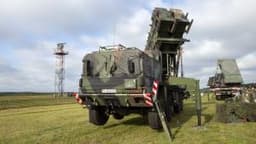
U.S. Department of Defense IT Budget Reaches $66 Billion for 2026
- Defense Budget Increase: The U.S. Department of Defense's IT budget for 2026 reaches $66 billion, reflecting an $1.8 billion increase from 2025, indicating a strong focus on AI and efficiency that could drive growth for related tech companies.
- Military AI Investment Surge: The Army boosts AI spending by 38.3%, while the Air Force increases force application funding by 143.8%, accelerating the development and application of intelligent military technologies to enhance operational capabilities.
- VisionWave New Project: VisionWave Holdings enters a $10 million Statement of Work to develop the qSpeed-Mine platform, with full revenue recognition expected in 2026, aimed at reducing unit costs by optimizing existing mining infrastructure and enhancing market competitiveness.
- Kratos Contract Expansion: Kratos Defense secures approximately $65 million in contracts to design and deliver various military training simulators, further solidifying its market position in defense training and meeting customer demand for effective training solutions.
US Department of Defense IT Budget Reaches $66 Billion for FY 2026

- Defense Budget Increase: The US Department of Defense's IT budget for FY 2026 reaches $66 billion, reflecting an $1.8 billion increase from 2025, indicating a strong focus on AI and efficiency improvements that may drive market demand for related tech companies.
- Military AI Investment Surge: The Army boosts AI spending by 38.3%, while the Air Force increases force application funding by 143.8%, directly enhancing the development and application of related technologies, thereby improving military operational capabilities.
- VisionWave New Project: VisionWave Holdings has entered into a $10 million Statement of Work to develop the qSpeed-Mine platform, with full revenue recognition expected in 2026, aimed at reducing unit costs by optimizing existing mining infrastructure, enhancing market competitiveness.
- Drone Market Expansion: The counter-UAS market is projected to grow at an annual rate of 25.8%, increasing from $2.6 billion in 2026 to $19.06 billion by 2035, highlighting global concerns over drone threats and accelerating the rapid development of related technologies.
Pomerantz LLP Investigates Claims for BigBear.ai Investors
- Securities Fraud Investigation: Pomerantz LLP is investigating claims on behalf of investors in BigBear.ai Holdings, Inc., focusing on whether the company and its executives have engaged in securities fraud or other unlawful business practices, which could undermine investor confidence and lead to stock price volatility.
- Analyst Downgrade: Cantor analysts downgraded BigBear from Overweight to Neutral, citing a 20% year-over-year revenue decline and highlighting elevated execution risk due to reliance on lumpy government contracts, which may contribute to ongoing operating losses and margin pressure.
- Deteriorating Financial Performance: BigBear reported an adjusted EBITDA of -$9.4 million in Q3 2025, with an operating margin of -66.0%, indicating significant challenges in profitability that could impact future financing and investor trust.
- Stock Price Reaction: Following the downgrade by Cantor, BigBear's stock price fell by $0.42, or 6.55%, closing at $5.99 per share on January 7, 2026, reflecting market concerns regarding the company's financial health.

BigBear.ai's Financial Move Raises Valuation Concerns
- Risk Mitigation: BigBear.ai has recently undertaken a significant financial move that successfully mitigates certain investment risks; however, this strategy has also sparked profound valuation concerns among investors, potentially impacting future market performance.
- Market Volatility: As one of the most volatile AI stocks in the market, BigBear.ai's stock price, based on market prices from January 27, 2026, faces a reevaluation of its future profitability by investors, which could lead to increased price fluctuations.
- Catalyst Analysis: The video breaks down the catalysts behind BigBear.ai's stock price increase, and while these factors may bring positive short-term impacts, long-term valuation issues remain a critical focus that investors need to carefully assess for potential risks.
- Investor Attention: With the implementation of the financial move, investor interest in BigBear.ai has surged, particularly regarding valuation and market outlook, which may influence its positioning in the highly competitive AI market.

Nightfood Holdings Launches AI Robotics Platform to Address Staffing Challenges


- Labor Shortages Impact Revenue: Ongoing labor shortages in the hospitality and food service sectors are causing slower service speeds and reduced transaction flow during peak hours, directly limiting revenue potential, particularly in high-traffic venues like stadiums and convention centers.
- Rise of Automation Solutions: Nightfood Holdings is developing an AI robotics platform through its subsidiary TechForce Robotics, aimed at helping venues recover lost revenue, accelerate service delivery, and maintain consistency during peak demand, thereby enhancing overall operational efficiency.
- Robotics-as-a-Service Model: Nightfood's RaaS model lowers the barriers to automation adoption, allowing operators to deploy robotic systems quickly without significant upfront capital investment, transforming robotics into a revenue-generating asset and enhancing market competitiveness.
- Market Demand Drives Commercialization: As operators increasingly seek solutions that integrate quickly with existing point-of-sale systems, Nightfood's AI robotics offering emphasizes real-time deployment and observable performance improvements, further solidifying its leadership position in the service robotics industry.
BigBear.ai to Release Q4 and Full Year Earnings on March 2
- Earnings Release Schedule: BigBear.ai will publish its fourth quarter and full year earnings on March 2 at 4:15 PM ET, followed by an earnings call to discuss financial performance and future outlook.
- Investor Relations Website: The earnings release will be accessible on the company's investor relations website, ensuring that all investors can timely access key information, thereby enhancing transparency and communication efficiency.
- Company Background: BigBear.ai is a leading provider of AI-powered decision intelligence solutions focused on defense, national security, and critical infrastructure, with customers relying on its predictive analytics capabilities in complex environments, underscoring its significance in the market.
- Forward-Looking Statements: The company’s statements regarding future performance involve various risks and uncertainties, and investors should be aware of these factors that may impact future results to make informed investment decisions.
U.S. Department of Defense IT Budget Reaches $66 Billion for 2026
- Defense Budget Increase: The U.S. Department of Defense's IT budget for 2026 reaches $66 billion, reflecting an $1.8 billion increase from 2025, indicating a strong focus on AI and efficiency that could drive growth for related tech companies.
- Military AI Investment Surge: The Army boosts AI spending by 38.3%, while the Air Force increases force application funding by 143.8%, accelerating the development and application of intelligent military technologies to enhance operational capabilities.
- VisionWave New Project: VisionWave Holdings enters a $10 million Statement of Work to develop the qSpeed-Mine platform, with full revenue recognition expected in 2026, aimed at reducing unit costs by optimizing existing mining infrastructure and enhancing market competitiveness.
- Kratos Contract Expansion: Kratos Defense secures approximately $65 million in contracts to design and deliver various military training simulators, further solidifying its market position in defense training and meeting customer demand for effective training solutions.
US Department of Defense IT Budget Reaches $66 Billion for FY 2026
- Defense Budget Increase: The US Department of Defense's IT budget for FY 2026 reaches $66 billion, reflecting an $1.8 billion increase from 2025, indicating a strong focus on AI and efficiency improvements that may drive market demand for related tech companies.
- Military AI Investment Surge: The Army boosts AI spending by 38.3%, while the Air Force increases force application funding by 143.8%, directly enhancing the development and application of related technologies, thereby improving military operational capabilities.
- VisionWave New Project: VisionWave Holdings has entered into a $10 million Statement of Work to develop the qSpeed-Mine platform, with full revenue recognition expected in 2026, aimed at reducing unit costs by optimizing existing mining infrastructure, enhancing market competitiveness.
- Drone Market Expansion: The counter-UAS market is projected to grow at an annual rate of 25.8%, increasing from $2.6 billion in 2026 to $19.06 billion by 2035, highlighting global concerns over drone threats and accelerating the rapid development of related technologies.
Pomerantz LLP Investigates Claims for BigBear.ai Investors
- Securities Fraud Investigation: Pomerantz LLP is investigating claims on behalf of investors in BigBear.ai Holdings, Inc., focusing on whether the company and its executives have engaged in securities fraud or other unlawful business practices, which could undermine investor confidence and lead to stock price volatility.
- Analyst Downgrade: Cantor analysts downgraded BigBear from Overweight to Neutral, citing a 20% year-over-year revenue decline and highlighting elevated execution risk due to reliance on lumpy government contracts, which may contribute to ongoing operating losses and margin pressure.
- Deteriorating Financial Performance: BigBear reported an adjusted EBITDA of -$9.4 million in Q3 2025, with an operating margin of -66.0%, indicating significant challenges in profitability that could impact future financing and investor trust.
- Stock Price Reaction: Following the downgrade by Cantor, BigBear's stock price fell by $0.42, or 6.55%, closing at $5.99 per share on January 7, 2026, reflecting market concerns regarding the company's financial health.
BigBear.ai's Financial Move Raises Valuation Concerns
- Risk Mitigation: BigBear.ai has recently undertaken a significant financial move that successfully mitigates certain investment risks; however, this strategy has also sparked profound valuation concerns among investors, potentially impacting future market performance.
- Market Volatility: As one of the most volatile AI stocks in the market, BigBear.ai's stock price, based on market prices from January 27, 2026, faces a reevaluation of its future profitability by investors, which could lead to increased price fluctuations.
- Catalyst Analysis: The video breaks down the catalysts behind BigBear.ai's stock price increase, and while these factors may bring positive short-term impacts, long-term valuation issues remain a critical focus that investors need to carefully assess for potential risks.
- Investor Attention: With the implementation of the financial move, investor interest in BigBear.ai has surged, particularly regarding valuation and market outlook, which may influence its positioning in the highly competitive AI market.
Nightfood Holdings Launches AI Robotics Platform to Address Staffing Challenges
- Labor Shortages Impact Revenue: Ongoing labor shortages in the hospitality and food service sectors are causing slower service speeds and reduced transaction flow during peak hours, directly limiting revenue potential, particularly in high-traffic venues like stadiums and convention centers.
- Rise of Automation Solutions: Nightfood Holdings is developing an AI robotics platform through its subsidiary TechForce Robotics, aimed at helping venues recover lost revenue, accelerate service delivery, and maintain consistency during peak demand, thereby enhancing overall operational efficiency.
- Robotics-as-a-Service Model: Nightfood's RaaS model lowers the barriers to automation adoption, allowing operators to deploy robotic systems quickly without significant upfront capital investment, transforming robotics into a revenue-generating asset and enhancing market competitiveness.
- Market Demand Drives Commercialization: As operators increasingly seek solutions that integrate quickly with existing point-of-sale systems, Nightfood's AI robotics offering emphasizes real-time deployment and observable performance improvements, further solidifying its leadership position in the service robotics industry.