Why GameStop is trying to be the next MicroStrategy with its bitcoin move


GameStop's Bitcoin Investment: GameStop Corp. is entering the cryptocurrency market by adding bitcoin to its investment policy as a treasury-reserve asset, following the example of Strategy (formerly MicroStrategy Inc.).
Social Media Reaction: The move has been referred to as "Strategy lite" on social media, highlighting GameStop's approach as less aggressive compared to Strategy, which has been a significant buyer of bitcoin since 2020.
Trade with 70% Backtested Accuracy
Analyst Views on HOOD

About HOOD
About the author


ROBINHOOD MARKETS INC SECURES $3.25 BILLION COMMITMENT THROUGH 364-DAY SENIOR SECURED REVOLVING CREDIT FACILITY, ACCORDING TO SEC FILING

- Credit Agreement Details: Robinhood Markets has secured a 364-day senior revolving credit facility worth $3.25 billion.
- Financial Implications: This credit facility is expected to provide significant liquidity and financial flexibility for the company.
Significant Premarket Moves in U.S. Stocks

- Fertilizer Price Fluctuation: CF Industries' shares fell nearly 4% as reports indicated that negotiations surrounding the U.S.-Iran war could signal an end to commodity shortages, despite a 27% increase since the conflict began.
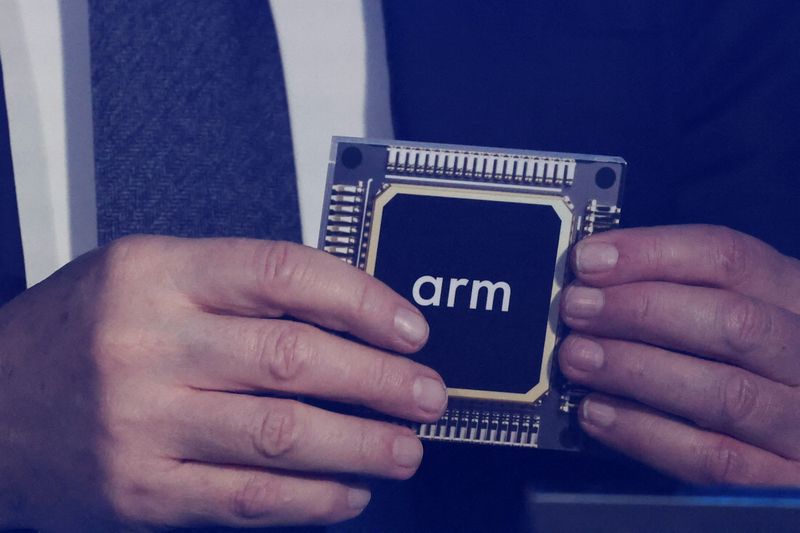
- Chip Innovation: Arm's stock rose 13% after unveiling its first in-house chip, projecting $15 billion in revenue by 2031, highlighting its strong growth potential in the semiconductor market.
- Acquisition Deal: Terns Pharmaceuticals saw shares gain over 5% after Merck agreed to acquire the biopharma company for $53 per share in cash, valuing the deal at $6.7 billion, expected to close in Q2.
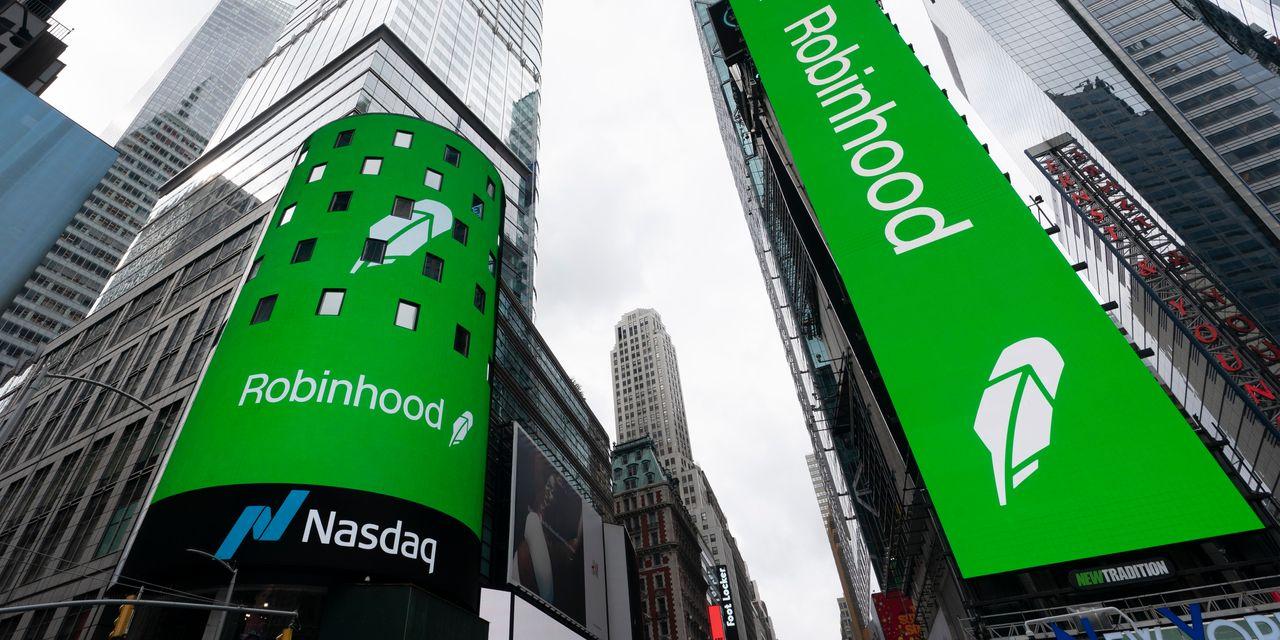
- Stock Buyback Plan: Robinhood's stock jumped 4% after announcing a $1.5 billion stock buyback plan, set to be executed over three years, aimed at enhancing shareholder value.
ROBINHOOD STOCK RISES 3.3% IN PREMARKET TRADING FOLLOWING $1.5 BILLION SHARE BUYBACK ANNOUNCEMENT
Stock Performance: Robinhood shares increased by 3.3% in pre-market trading following a significant announcement.
Buyback Program: The company revealed a new $1.5 billion share buyback initiative, which likely contributed to the rise in stock value.
Robinhood Greenlights $1.5 Billion Stock Buyback Initiative, Anticipated to Conclude in Three Years
Share Buyback Plan: Robinhood has approved a $15 billion share buyback plan to counteract falling stock prices.
Stock Price Decline: The company's stock has decreased by approximately 39% since early 2026, despite having tripled in value in 2025.
Execution Timeline: The buyback plan is expected to be executed over approximately three years, with no specific expiration date provided.
Market Context: The move comes as a strategic response to stabilize the company's stock amid significant price drops.

Robinhood Shares Surge Following Approval of $1.5 Billion Stock Buyback Plan

Robinhood's Share Buyback Announcement: Robinhood shares rose nearly 2% after the company announced a new share buyback program, allowing it to repurchase up to $1.5 billion in shares.
Market Context: The announcement comes at a time when Robinhood's stock is experiencing selling pressures and has been lagging in 2026.
Management's Confidence: The Chief Financial Officer, Shiv Verma, expressed confidence in the management team's ability to deliver innovative products and create shareholder value while returning capital over time.
Execution Timeline: Management expects to execute the $1.5 billion buyback authorization over the next three years, with flexibility to accelerate the process if market conditions allow.
Robinhood Increases Credit Facility and Share Buyback Program
- Credit Agreement Amendment: Robinhood Securities has signed an amended credit agreement that increases the revolving credit facility from $2.65 billion to $3.25 billion, with the potential to expand to $4.875 billion under certain conditions, thereby enhancing the company's liquidity and financial flexibility.
- Share Buyback Program: The company has approved a new $1.5 billion share repurchase program, replacing the prior plan and adding over $1.1 billion in additional buyback capacity, which is expected to be executed starting in Q1 2026, providing higher return potential for shareholders.
- Buyback Timeline: The stock repurchases are expected to be completed over approximately three years, a timeline that not only helps stabilize the stock price but may also boost investor confidence in the company's future growth prospects.
- Market Reaction Anticipation: The implementation of this credit and buyback plan is expected to enhance market confidence in Robinhood, particularly against the backdrop of retail investors pulling back from equities, potentially attracting more investor attention.
ROBINHOOD MARKETS INC SECURES $3.25 BILLION COMMITMENT THROUGH 364-DAY SENIOR SECURED REVOLVING CREDIT FACILITY, ACCORDING TO SEC FILING
- Credit Agreement Details: Robinhood Markets has secured a 364-day senior revolving credit facility worth $3.25 billion.
- Financial Implications: This credit facility is expected to provide significant liquidity and financial flexibility for the company.
Significant Premarket Moves in U.S. Stocks
- Fertilizer Price Fluctuation: CF Industries' shares fell nearly 4% as reports indicated that negotiations surrounding the U.S.-Iran war could signal an end to commodity shortages, despite a 27% increase since the conflict began.
- Chip Innovation: Arm's stock rose 13% after unveiling its first in-house chip, projecting $15 billion in revenue by 2031, highlighting its strong growth potential in the semiconductor market.
- Acquisition Deal: Terns Pharmaceuticals saw shares gain over 5% after Merck agreed to acquire the biopharma company for $53 per share in cash, valuing the deal at $6.7 billion, expected to close in Q2.
- Stock Buyback Plan: Robinhood's stock jumped 4% after announcing a $1.5 billion stock buyback plan, set to be executed over three years, aimed at enhancing shareholder value.
ROBINHOOD STOCK RISES 3.3% IN PREMARKET TRADING FOLLOWING $1.5 BILLION SHARE BUYBACK ANNOUNCEMENT
Stock Performance: Robinhood shares increased by 3.3% in pre-market trading following a significant announcement.
Buyback Program: The company revealed a new $1.5 billion share buyback initiative, which likely contributed to the rise in stock value.
Robinhood Greenlights $1.5 Billion Stock Buyback Initiative, Anticipated to Conclude in Three Years
Share Buyback Plan: Robinhood has approved a $15 billion share buyback plan to counteract falling stock prices.
Stock Price Decline: The company's stock has decreased by approximately 39% since early 2026, despite having tripled in value in 2025.
Execution Timeline: The buyback plan is expected to be executed over approximately three years, with no specific expiration date provided.
Market Context: The move comes as a strategic response to stabilize the company's stock amid significant price drops.
Robinhood Shares Surge Following Approval of $1.5 Billion Stock Buyback Plan
Robinhood's Share Buyback Announcement: Robinhood shares rose nearly 2% after the company announced a new share buyback program, allowing it to repurchase up to $1.5 billion in shares.
Market Context: The announcement comes at a time when Robinhood's stock is experiencing selling pressures and has been lagging in 2026.
Management's Confidence: The Chief Financial Officer, Shiv Verma, expressed confidence in the management team's ability to deliver innovative products and create shareholder value while returning capital over time.
Execution Timeline: Management expects to execute the $1.5 billion buyback authorization over the next three years, with flexibility to accelerate the process if market conditions allow.
Robinhood Increases Credit Facility and Share Buyback Program
- Credit Agreement Amendment: Robinhood Securities has signed an amended credit agreement that increases the revolving credit facility from $2.65 billion to $3.25 billion, with the potential to expand to $4.875 billion under certain conditions, thereby enhancing the company's liquidity and financial flexibility.
- Share Buyback Program: The company has approved a new $1.5 billion share repurchase program, replacing the prior plan and adding over $1.1 billion in additional buyback capacity, which is expected to be executed starting in Q1 2026, providing higher return potential for shareholders.
- Buyback Timeline: The stock repurchases are expected to be completed over approximately three years, a timeline that not only helps stabilize the stock price but may also boost investor confidence in the company's future growth prospects.
- Market Reaction Anticipation: The implementation of this credit and buyback plan is expected to enhance market confidence in Robinhood, particularly against the backdrop of retail investors pulling back from equities, potentially attracting more investor attention.