Loading...

12/17 05:34
Loading...


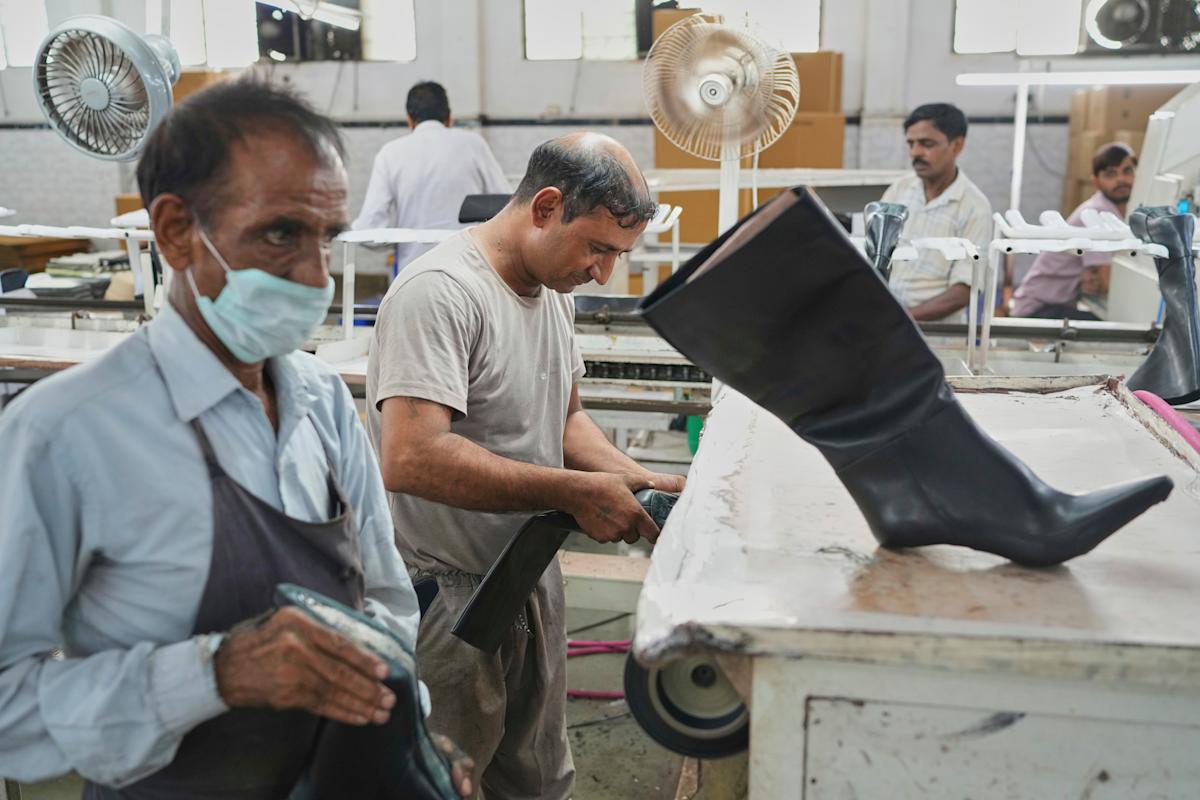
The United States has doubled tariffs on Indian goods to 50%, effective immediately, marking one of the highest tariff rates imposed on a major trading partner. This policy affects approximately $48.2 billion worth of Indian exports to the U.S., which is India’s largest export market. The new tariffs apply to a wide range of products including textiles, gems, jewelry, and leather goods. This increase follows an earlier 25% tariff imposed due to India’s purchase of Russian oil. These measures underscore escalating trade tensions between the two nations, with significant economic and strategic implications for both.
The tariff hike disproportionately impacts labor-intensive industries such as textiles, gems, jewelry, and leather, which contribute significantly to India’s export economy. These sectors are highly reliant on the U.S. market and are expected to experience substantial disruptions. The increased tariffs could lead to job losses in export hubs and undermine India’s global competitiveness in these industries. Additionally, the tariffs pose broader risks to India’s economic growth. Analysts estimate that the combined 50% duty could reduce India’s GDP growth by 0.6-0.8 percentage points annually. Exporters also face heightened competition from countries like Vietnam and Bangladesh, which may capitalize on India’s reduced competitiveness in the U.S. market.
In response to the tariff escalation, the Indian government has initiated several measures aimed at mitigating the economic impact. These include reforms to the Goods and Services Tax (GST) to lower costs for exporters and consumers, as well as financial incentives such as favorable loan rates for export-driven sectors. Authorities are also encouraging businesses to diversify export markets, focusing on regions like Latin America, Africa, and Southeast Asia to reduce dependence on the U.S. Additionally, targeted support is being planned for heavily affected sectors like textiles and leather, including subsidies and tax relief to sustain operations and employment levels.
The tariff increase exacerbates tensions between the U.S. and India, particularly against the backdrop of disagreements over India’s purchase of Russian oil. While the U.S. views these purchases as counterproductive to sanctions on Russia, India has defended its actions as essential for energy security and economic stability. This strategic divergence threatens to strain the broader U.S.-India relationship, which has been a cornerstone of regional security cooperation. In response, India may recalibrate its diplomatic and trade strategies, potentially strengthening ties with alternate partners such as the BRICS nations and the European Union, while simultaneously seeking to bolster its self-reliance and reduce its vulnerability to external trade shocks.
 Sources
 yahooyahooyahoo
 economist

NVEC
NVE Corp

IAUX
I-80 Gold Corp

TEO
Telecom Argentina SA

FMAO
Farmers & Merchants Bancorp Inc

HGTY
Hagerty Inc

TDC
Teradata Corp

OSW
Onespaworld Holdings Ltd

RBLX
Roblox Corp

IRM
Iron Mountain Inc