Loading...

12/17 07:06
Loading...


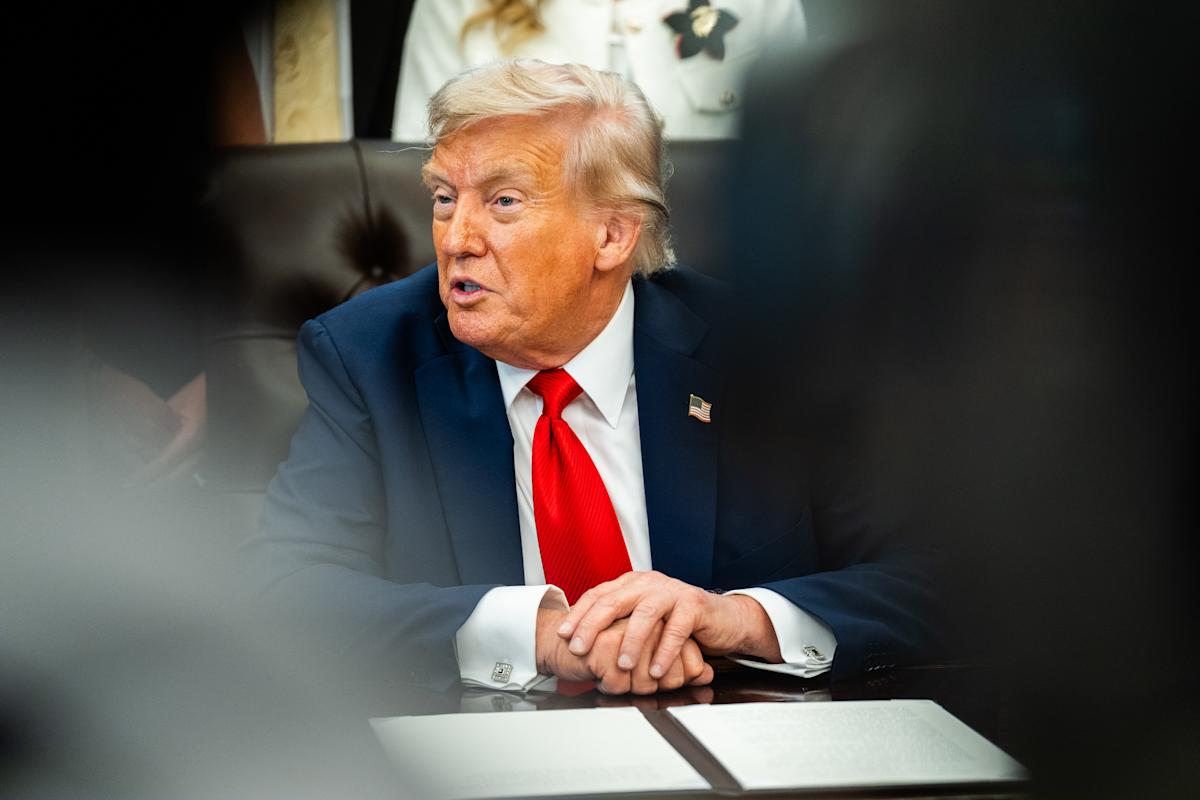
President Trump’s recent attempt to dismiss Federal Reserve Governor Lisa Cook has sparked significant discussions regarding the future of Fed leadership. Cook’s removal, if successful, would pave the way for Trump to install an ally on the Board of Governors. This could consolidate his influence over the Fed, especially as several key regional Federal Reserve Bank presidents are approaching the expiration of their five-year terms in February.
Under Fed rules, regional presidents require approval from the Board of Governors to extend their terms. If Trump succeeds in shaping a majority within the seven-member board, he could exert considerable influence over these appointments. This structural shift could allow Trump to align the Fed with his economic vision, particularly regarding monetary policy decisions like lowering interest rates. Analysts suggest this move could lead to a more politicized Fed, fundamentally altering its traditionally independent nature.
Trump has consistently advocated for lower interest rates, arguing that they would stimulate economic growth. His previous appointees, such as Christopher Waller and Michelle Bowman, have expressed openness to rate cuts. If Trump’s push to appoint additional allies succeeds, the Federal Open Market Committee (FOMC) could lean more favorably toward aggressive rate reductions.
However, such politicization of the Fed raises significant risks. Economists warn that artificially low rates could overheat the economy, exacerbating inflation — the very issue Trump has pledged to address. Additionally, undermining the Fed’s independence could erode market confidence in the central bank’s ability to manage inflation and maintain financial stability. This could lead to higher long-term interest rates, further straining sectors like housing, where mortgage rates are already near 7%, contributing to affordability challenges.
Historical precedents underscore the dangers of political meddling in central bank operations. In the 1970s, President Nixon pressured Fed Chair Arthur Burns to lower interest rates ahead of the 1972 election, prioritizing short-term economic gains. This led to skyrocketing inflation, which eventually peaked at 13% in 1980, ushering in a period of economic stagnation known as the "Great Stagflation."
Similarly, in Turkey, President Erdogan’s interference with the central bank resulted in drastic rate cuts. The Turkish lira collapsed, and inflation surged past 80%, severely destabilizing the economy. These examples highlight the long-term consequences of compromising central bank independence, including runaway inflation and diminished economic stability. Experts caution that Trump’s current actions could risk repeating such outcomes, with lasting effects on both inflation and employment levels.
 Sources
 yahoo
yahoo cnnyahoo
 abc
abc

BKT
Blackrock Income Trust Inc

FLWS
1-800-Flowers.Com Inc

OTEX
Open Text Corp

AX
Axos Financial Inc

CNEY
CN Energy Group Inc

INSG
Inseego Corp

CADL
Candel Therapeutics Inc

TIGO
Millicom International Cellular SA

VNCE
Vince Holding Corp