Loading...

12/17 05:37
Loading...


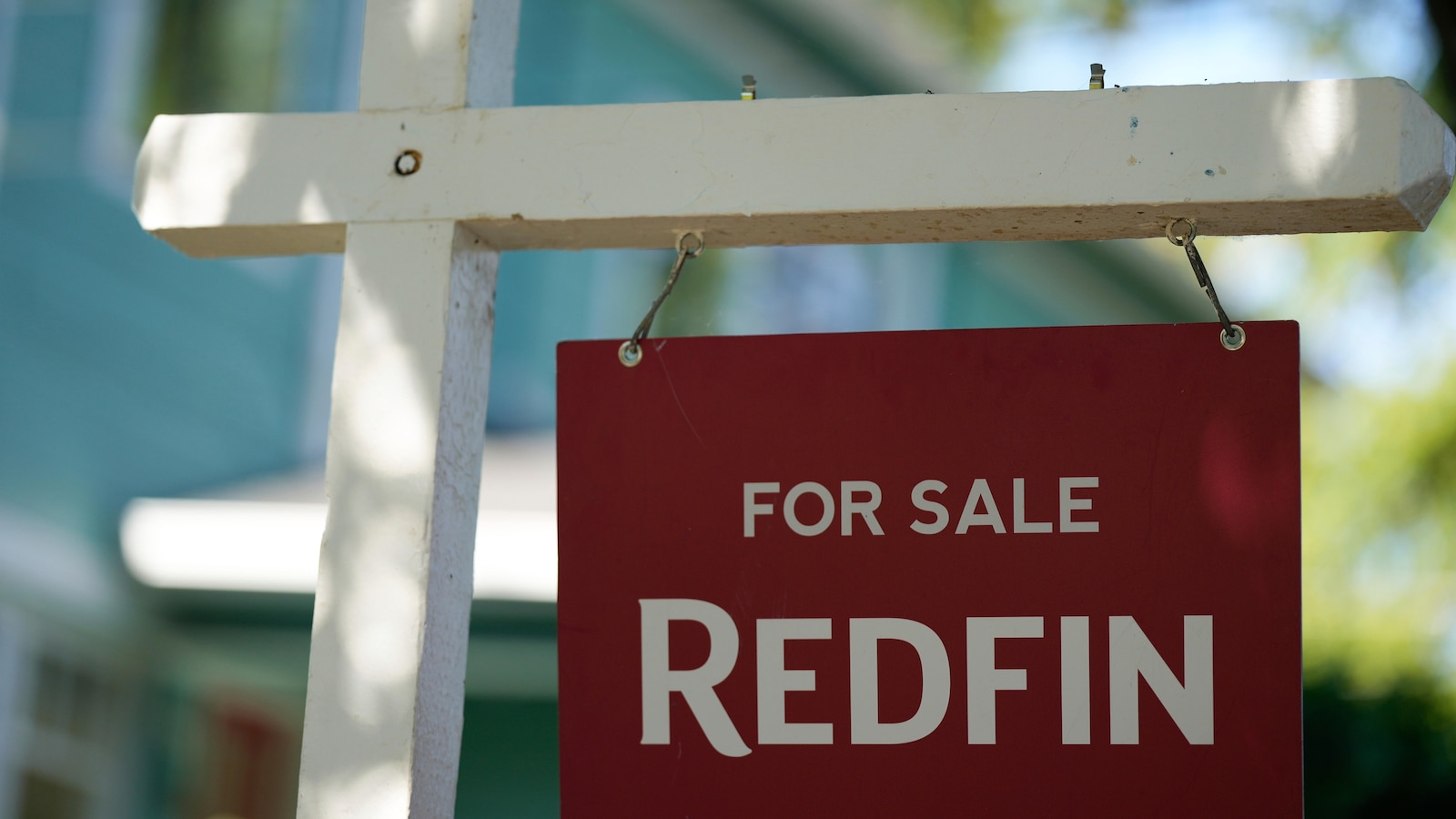
The average 30-year fixed-rate mortgage has decreased to 6.56%, marking its lowest point in 10 months, according to data released by Freddie Mac. This slight dip from the previous week's 6.58% signals a modest reprieve for prospective homebuyers. In contrast, the 15-year fixed-rate mortgage has held steady at 5.69%, reflecting stability in refinancing options for homeowners. Despite these changes, mortgage rates remain significantly elevated compared to pre-pandemic levels, continuing to challenge affordability for many borrowers.
This downward movement in mortgage rates aligns with a slight decline in the 10-year Treasury yield, a key benchmark influencing long-term borrowing costs. Investors are closely watching the Federal Reserve’s upcoming monetary policy decisions, as expectations of a potential rate cut in September have grown, adding further downward pressure on Treasury yields and, by extension, mortgage rates.
The persistently high mortgage rates have contributed to a prolonged slump in U.S. housing sales. The elevated borrowing costs, coupled with limited housing inventory, have deterred many potential buyers, particularly first-time homeowners. While the recent decrease in the 30-year fixed-rate mortgage offers a glimmer of hope, affordability challenges remain a significant barrier.
Home prices have remained relatively stable in many regions due to constrained supply, further exacerbating affordability concerns. According to the National Association of Realtors, home contract signings dipped by 0.4% in July compared to the previous month and remain 0.7% below levels seen in July 2024. This ongoing stagnation underscores the difficulties faced by buyers navigating high financing costs and limited housing options. Experts suggest that even modest rate reductions may not be sufficient to offset these challenges unless accompanied by improvements in housing supply and affordability.
 Sources
 yahoo
yahoo abcyahoo