Sysco Scheduled to Announce Q2 Earnings on January 27
Written by Emily J. Thompson, Senior Investment Analyst
Updated: Jan 26 2026
0mins
Should l Buy SYY?
Source: seekingalpha
- Earnings Announcement: Sysco is set to release its Q2 earnings on January 27 before market open, with consensus EPS estimates at $0.98, reflecting a 5.4% year-over-year increase, which could positively influence the stock price.
- Revenue Expectations: The anticipated revenue for Q2 is $20.78 billion, representing a 3.1% year-over-year growth, indicating the company's resilience in a stable market despite modest growth rates.
- Historical Performance Review: Over the past two years, Sysco has exceeded EPS estimates 75% of the time and revenue estimates 63% of the time, suggesting that the company typically surpasses market expectations, thereby boosting investor confidence.
- Estimate Revision Dynamics: In the last three months, EPS estimates have seen 6 upward revisions and 8 downward revisions, while revenue estimates experienced 5 upward and 8 downward revisions, reflecting analysts' mixed and cautious outlook on the company's future performance.
Trade with 70% Backtested Accuracy
Stop guessing "Should I Buy SYY?" and start using high-conviction signals backed by rigorous historical data.
Sign up today to access powerful investing tools and make smarter, data-driven decisions.
Analyst Views on SYY
Wall Street analysts forecast SYY stock price to rise
10 Analyst Rating
5 Buy
5 Hold
0 Sell
Moderate Buy
Current: 72.170

Low
80.00
Averages
87.56
High
98.00
Current: 72.170
Low
80.00
Averages
87.56
High
98.00
About SYY
Sysco Corporation is engaged in selling, marketing and distributing food products to restaurants, healthcare and educational facilities, lodging establishments and other customers who prepare meals away from home. It also supplies a variety of non-food items. Its segments include U.S. Foodservice Operations, International Foodservice Operations, SYGMA and Other. U.S. Foodservice Operations segment includes United States Broadline operations and United States Specialty operations. International Foodservice Operations include operations outside of the United States. SYGMA segment includes its United States customized distribution operations serving quick-service chain restaurant customer locations. Other segment includes primarily its hotel supply operations, Guest Worldwide. It distributes various products, such as frozen foods, fresh meats and seafood, dairy products, beverage products, imported specialties, and fresh produce. It operates around 340 distribution facilities worldwide.
About the author

Emily J. Thompson
Emily J. Thompson, a Chartered Financial Analyst (CFA) with 12 years in investment research, graduated with honors from the Wharton School. Specializing in industrial and technology stocks, she provides in-depth analysis for Intellectia’s earnings and market brief reports.

Mixed Close for US Stocks as Nasdaq Hits 7.75-Month Low Amid Middle East Tensions


- Divergent Market Performance: On Monday, the S&P 500 index fell by 0.39%, while the Nasdaq 100 hit a 7.75-month low, indicating market concerns over the Middle East situation, particularly exacerbated by a sell-off in chip stocks, which negatively impacted investor confidence.
- Declining Bond Yields: The 10-year T-note yield dropped by 8 basis points to 4.34%, reflecting market fears that the ongoing war in the Middle East could lead to fuel shortages, potentially suppressing expectations for Fed rate hikes and highlighting economic growth uncertainties.
- Rising Crude Oil Prices: Crude oil prices surged over 3% to a three-week high due to Iranian attacks on the Strait of Hormuz, indicating severe threats to global energy supply chains, which could lead to soaring prices in the future and impact the global economy.
- Weak Manufacturing Activity: The Dallas Fed manufacturing activity survey fell to -0.2, below the expected 2.0, reflecting signs of economic slowdown that could influence corporate investment decisions and future economic growth.
See More

US Stock Market Declines Amid Rising Oil Prices

- Oil Price Surge Impacts Markets: The S&P 500 Index fell by 0.75%, the Dow Jones Industrial Average by 0.21%, and the Nasdaq 100 by 1.18% as the market reacts to the first oil settlement exceeding $100 since 2022, highlighting concerns over rising energy costs amid ongoing supply chain risks.
- Uncertain Fed Policy Outlook: Federal Reserve Chair Jerome Powell noted that while the central bank is monitoring the surge in energy prices, its tools to address supply-side shocks are limited, with markets pricing in only a 3% chance of a 25 bp rate hike at the April meeting, indicating investor uncertainty about future monetary policy.
- Escalating Middle East Tensions: US and Israeli forces continue military operations in Iran, with the Pentagon preparing for weeks of ground operations as approximately 3,500 sailors and Marines arrive in the region, potentially exacerbating global energy supply issues.
- Positive Bond Market Reaction: The 10-year Treasury yield fell to 4.330% as speculation grows that the ongoing conflict in the Middle East may lead to fuel shortages, offsetting inflation fears and supporting Treasury prices amid declining inflation expectations.
See More
Mixed U.S. Stock Indices Amid Rising Oil Prices
- Mixed Stock Performance: The S&P 500 Index fell by 0.29%, while the Dow Jones Industrial Average rose by 0.26%, and the Nasdaq 100 Index decreased by 0.67%, indicating a complex market reaction to Federal Reserve policies and international tensions.
- Rising Oil Prices: Crude oil prices surged over 2% to a three-week high due to disruptions in oil and gas flows through the Strait of Hormuz caused by the Iran conflict, which could negatively impact global economic growth.
- Weak Manufacturing Activity: The Dallas Fed manufacturing activity index dropped from -0.4 to -0.2, falling short of the expected increase to 2.0, suggesting challenges in economic recovery that may influence future policy decisions.
- Escalating International Tensions: U.S. and Israeli military actions against Iran have intensified, with 3,500 sailors and Marines deployed to the Middle East, potentially leading to further volatility in energy markets and impacting global supply chains.
See More

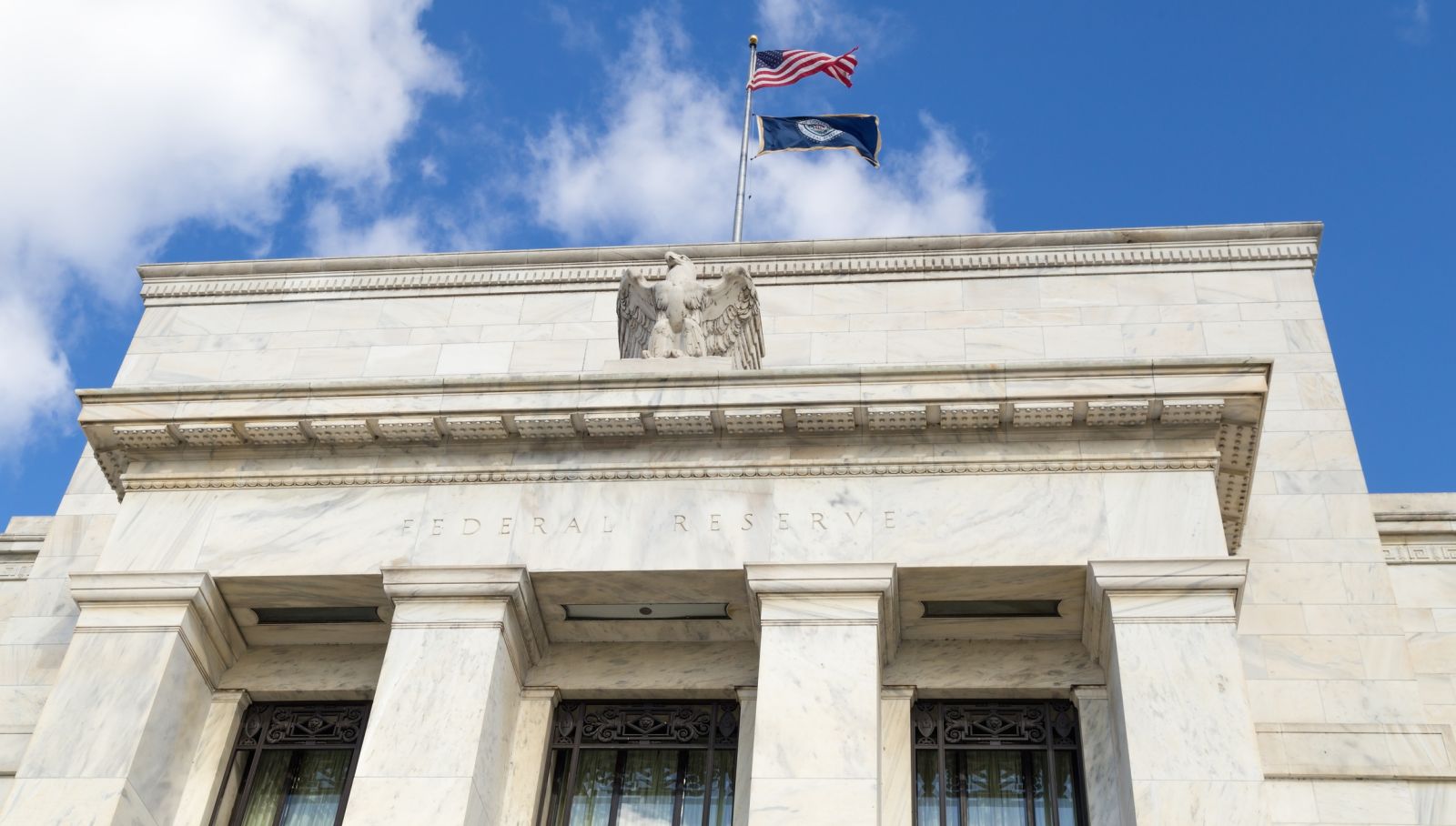
US Equity Indexes Show Mixed Midday Performance
- Government Bond Yields Decline: US government bond yields fell during midday trading on Monday, reflecting a shift in market expectations regarding future interest rate policies, which could impact investor risk appetite and asset allocation strategies.
- Mixed Market Performance: Despite the decline in bond yields, US equity indexes showed mixed performance, indicating varied market reactions across different sectors, potentially leading to a reallocation of funds.
- Cautious Investor Sentiment: Amid uncertainties surrounding economic data and Federal Reserve policies, investor sentiment appears cautious, which may affect short-term market volatility and trading volumes.
- Focus on Future Policies: Market participants are closely monitoring the Federal Reserve's future policy directions, particularly in the context of inflation and economic growth, which could have profound implications for the stock market.
See More

Sysco's $29B Acquisition of Jetro Sparks 14% Stock Drop
- Stock Recovery Outlook: Following Sysco's agreement to acquire Jetro Restaurant Depot for $29 billion, shares plummeted 14%, yet Wells Fargo analyst Edward Kelly argues that the sell-off is excessive, viewing the risks as manageable and the upside potential as underappreciated, recommending investors buy into today's weakness.
- Transaction Structure Analysis: Under the agreement, Jetro shareholders will receive $21.6 billion in cash and 91.5 million Sysco shares, with the transaction expected to enable Sysco to enter the high-margin, rapidly growing cash-and-carry channel, enhancing its market competitiveness.
- Market Opportunity Assessment: Wells Fargo highlights that Restaurant Depot serves a $60-$70 billion market primarily composed of small independent customers, which has largely been unreachable by Sysco's 'white glove' delivery model, indicating significant growth potential.
- Asset Quality and Financial Profile: Kelly notes that while high-quality assets come at a price, the acquisition is viewed as attractive due to its complementary nature, increasing exposure to underserved customers, and strong financial profile, suggesting promising growth opportunities ahead.
See More

US Stocks Rise as Oil Prices Hit Three-Week High
- Market Gains: The S&P 500 Index rose by 0.58%, the Dow Jones Industrial Average increased by 0.91%, and the Nasdaq 100 Index climbed by 0.30%, reflecting a positive market sentiment amid expectations that the Fed may keep interest rates unchanged.
- Declining Bond Yields: The 10-year Treasury note yield fell by 10 basis points to 4.33%, driven by concerns that the ongoing war in the Middle East could lead to a fuel shortage, potentially hindering global economic growth and influencing the Fed's future rate decisions.
- Rising Oil Prices: Crude oil prices surged over 2% to a three-week high due to Iranian attacks on shipping, raising fears that the closure of the Strait of Hormuz could disrupt global oil and gas supplies, which may lead to significant price increases.
- Manufacturing Activity Decline: The Dallas Fed's manufacturing activity survey dropped by 0.4 to -0.2, falling short of the expected increase to 2.0, indicating signs of economic slowdown that could impact future investment decisions.
See More
Mixed Close for US Stocks as Nasdaq Hits 7.75-Month Low Amid Middle East Tensions
- Divergent Market Performance: On Monday, the S&P 500 index fell by 0.39%, while the Nasdaq 100 hit a 7.75-month low, indicating market concerns over the Middle East situation, particularly exacerbated by a sell-off in chip stocks, which negatively impacted investor confidence.
- Declining Bond Yields: The 10-year T-note yield dropped by 8 basis points to 4.34%, reflecting market fears that the ongoing war in the Middle East could lead to fuel shortages, potentially suppressing expectations for Fed rate hikes and highlighting economic growth uncertainties.
- Rising Crude Oil Prices: Crude oil prices surged over 3% to a three-week high due to Iranian attacks on the Strait of Hormuz, indicating severe threats to global energy supply chains, which could lead to soaring prices in the future and impact the global economy.
- Weak Manufacturing Activity: The Dallas Fed manufacturing activity survey fell to -0.2, below the expected 2.0, reflecting signs of economic slowdown that could influence corporate investment decisions and future economic growth.
See More
US Stock Market Declines Amid Rising Oil Prices
- Oil Price Surge Impacts Markets: The S&P 500 Index fell by 0.75%, the Dow Jones Industrial Average by 0.21%, and the Nasdaq 100 by 1.18% as the market reacts to the first oil settlement exceeding $100 since 2022, highlighting concerns over rising energy costs amid ongoing supply chain risks.
- Uncertain Fed Policy Outlook: Federal Reserve Chair Jerome Powell noted that while the central bank is monitoring the surge in energy prices, its tools to address supply-side shocks are limited, with markets pricing in only a 3% chance of a 25 bp rate hike at the April meeting, indicating investor uncertainty about future monetary policy.
- Escalating Middle East Tensions: US and Israeli forces continue military operations in Iran, with the Pentagon preparing for weeks of ground operations as approximately 3,500 sailors and Marines arrive in the region, potentially exacerbating global energy supply issues.
- Positive Bond Market Reaction: The 10-year Treasury yield fell to 4.330% as speculation grows that the ongoing conflict in the Middle East may lead to fuel shortages, offsetting inflation fears and supporting Treasury prices amid declining inflation expectations.
See More
Mixed U.S. Stock Indices Amid Rising Oil Prices
- Mixed Stock Performance: The S&P 500 Index fell by 0.29%, while the Dow Jones Industrial Average rose by 0.26%, and the Nasdaq 100 Index decreased by 0.67%, indicating a complex market reaction to Federal Reserve policies and international tensions.
- Rising Oil Prices: Crude oil prices surged over 2% to a three-week high due to disruptions in oil and gas flows through the Strait of Hormuz caused by the Iran conflict, which could negatively impact global economic growth.
- Weak Manufacturing Activity: The Dallas Fed manufacturing activity index dropped from -0.4 to -0.2, falling short of the expected increase to 2.0, suggesting challenges in economic recovery that may influence future policy decisions.
- Escalating International Tensions: U.S. and Israeli military actions against Iran have intensified, with 3,500 sailors and Marines deployed to the Middle East, potentially leading to further volatility in energy markets and impacting global supply chains.
See More
US Equity Indexes Show Mixed Midday Performance
- Government Bond Yields Decline: US government bond yields fell during midday trading on Monday, reflecting a shift in market expectations regarding future interest rate policies, which could impact investor risk appetite and asset allocation strategies.
- Mixed Market Performance: Despite the decline in bond yields, US equity indexes showed mixed performance, indicating varied market reactions across different sectors, potentially leading to a reallocation of funds.
- Cautious Investor Sentiment: Amid uncertainties surrounding economic data and Federal Reserve policies, investor sentiment appears cautious, which may affect short-term market volatility and trading volumes.
- Focus on Future Policies: Market participants are closely monitoring the Federal Reserve's future policy directions, particularly in the context of inflation and economic growth, which could have profound implications for the stock market.
See More
Sysco's $29B Acquisition of Jetro Sparks 14% Stock Drop
- Stock Recovery Outlook: Following Sysco's agreement to acquire Jetro Restaurant Depot for $29 billion, shares plummeted 14%, yet Wells Fargo analyst Edward Kelly argues that the sell-off is excessive, viewing the risks as manageable and the upside potential as underappreciated, recommending investors buy into today's weakness.
- Transaction Structure Analysis: Under the agreement, Jetro shareholders will receive $21.6 billion in cash and 91.5 million Sysco shares, with the transaction expected to enable Sysco to enter the high-margin, rapidly growing cash-and-carry channel, enhancing its market competitiveness.
- Market Opportunity Assessment: Wells Fargo highlights that Restaurant Depot serves a $60-$70 billion market primarily composed of small independent customers, which has largely been unreachable by Sysco's 'white glove' delivery model, indicating significant growth potential.
- Asset Quality and Financial Profile: Kelly notes that while high-quality assets come at a price, the acquisition is viewed as attractive due to its complementary nature, increasing exposure to underserved customers, and strong financial profile, suggesting promising growth opportunities ahead.
See More
US Stocks Rise as Oil Prices Hit Three-Week High
- Market Gains: The S&P 500 Index rose by 0.58%, the Dow Jones Industrial Average increased by 0.91%, and the Nasdaq 100 Index climbed by 0.30%, reflecting a positive market sentiment amid expectations that the Fed may keep interest rates unchanged.
- Declining Bond Yields: The 10-year Treasury note yield fell by 10 basis points to 4.33%, driven by concerns that the ongoing war in the Middle East could lead to a fuel shortage, potentially hindering global economic growth and influencing the Fed's future rate decisions.
- Rising Oil Prices: Crude oil prices surged over 2% to a three-week high due to Iranian attacks on shipping, raising fears that the closure of the Strait of Hormuz could disrupt global oil and gas supplies, which may lead to significant price increases.
- Manufacturing Activity Decline: The Dallas Fed's manufacturing activity survey dropped by 0.4 to -0.2, falling short of the expected increase to 2.0, indicating signs of economic slowdown that could impact future investment decisions.
See More