Sprouts Farmers Market Faces Securities Fraud Lawsuit After 26.1% Stock Drop
Written by Emily J. Thompson, Senior Investment Analyst
Updated: Jan 23 2026
0mins
Should l Buy SFM?
Source: Businesswire
- Lawsuit Deadline: Investors must apply by January 26, 2026, to become lead plaintiffs in the securities fraud class action against Sprouts Farmers Market, involving trades from June 4 to October 29, 2025, highlighting serious investor concerns over the company's performance.
- Performance Decline: Sprouts reported a mere 5.9% comparable store sales growth for Q3 2025, significantly below prior guidance, resulting in a 26.1% stock drop to $77.25 per share on October 30, 2025, directly impacting investor confidence.
- Guidance Revision: The company revised its full-year comparable store sales growth forecast down to flat to 2%, indicating softening consumer demand and economic uncertainty, which exacerbates market concerns regarding Sprouts' future prospects.
- False Statements Allegation: The lawsuit alleges that Sprouts failed to disclose significant adverse facts about its business and operations during the class period, misleading investors and reflecting the company's vulnerability amid economic uncertainty.
Trade with 70% Backtested Accuracy
Stop guessing "Should I Buy SFM?" and start using high-conviction signals backed by rigorous historical data.
Sign up today to access powerful investing tools and make smarter, data-driven decisions.
Analyst Views on SFM
Wall Street analysts forecast SFM stock price to rise
13 Analyst Rating
7 Buy
6 Hold
0 Sell
Moderate Buy
Current: 75.860

Low
77.00
Averages
114.33
High
160.00
Current: 75.860
Low
77.00
Averages
114.33
High
160.00
About SFM
Sprouts Farmers Market, Inc. is a specialty natural and organic food retailer. The Company brings products made with lifestyle-friendly ingredients such as organic, plant-based and gluten-free. The Company categorizes the varieties of products it sells as perishable and non-perishable. Its perishable product categories include produce, meat and meat alternatives, seafood, deli, bakery, floral and dairy and dairy alternatives. Its produce products include fruits; vegetables; toppings, refrigerated dressings & dips; miscellaneous produce, and floral. Its non-perishable product categories include grocery, vitamins and supplements, bulk items, frozen foods, beer and wine, and natural health and body care. Its beer & wine products include red wine, white wine, rose & blush, champagne & sparkling, beer, non-alcoholic, and sweet wines. Its target customer is comprised of two specific groups: health enthusiasts and selective shoppers. It operates more than 440 stores in 24 states nationwide.
About the author

Emily J. Thompson
Emily J. Thompson, a Chartered Financial Analyst (CFA) with 12 years in investment research, graduated with honors from the Wharton School. Specializing in industrial and technology stocks, she provides in-depth analysis for Intellectia’s earnings and market brief reports.

2026 S&P 500 Market Outlook


- Historical Indicator Confidence: Research from LPL Financial shows that since 1950, when the S&P 500 posts positive returns in January, it achieves positive returns for the full year 89% of the time, with an average gain of 16.7%, providing confidence for long-term investors despite a 7% drop at the start of 2026.
- Market Resilience Analysis: Data from Ryan Detrick indicates that despite numerous geopolitical shock events since 1940, the median market return of the S&P 500 12 months later was 7.4%, suggesting that the market has a strong recovery capability over the long term, encouraging investors to continue regular contributions.
- Investment Sentiment Factors: Investor optimism during uncertain times may drive market rebounds, and while short-term corrections of 10% and bear markets every three and a half years are common, long-term investing is still viewed as an effective strategy for beating inflation and building wealth.
- Recommended Investment Strategy: Despite current market turbulence, analysts suggest focusing on reasonably valued potential stocks, with the Motley Fool's analyst team identifying 10 best stocks expected to yield significant returns in the coming years, further emphasizing the importance of adhering to long-term investment principles in uncertain environments.
See More

2026 Stock Market Outlook and Investor Confidence
- January Indicator Confidence: According to LPL Financial, since 1950, when the S&P 500 posts positive returns in January, it achieves positive returns for the full year 89% of the time, with an average gain of 16.7%, providing confidence for investors in 2026, especially with a 1.5% rise this January.
- Market Resilience Analysis: Despite geopolitical events, Ryan Detrick from Carson Group found that since 1940, the median market return of the S&P 500 twelve months after such events is 7.4%, indicating that the market rises 63% of the time, allowing investors to continue regular investments.
- Long-term Investment Philosophy: Detrick emphasizes that while the market may experience short-term volatility, the long-term trend is upward, aligning with Motley Fool co-founder David Gardner's view that long-term investing is one of the best ways to create wealth and combat inflation.
- Stocks to Watch: Amid current market turmoil, stocks like Amazon, MercadoLibre, Sprouts Farmers Market, and Zoetis are attracting investor attention, trading at reasonable valuations of 15x, 31x, 14x, and 17x earnings respectively, indicating promising investment opportunities.
See More

Sprouts Farmers Market to Release Q1 2026 Financial Results

- Earnings Release Schedule: Sprouts Farmers Market will issue its financial results for the first quarter ended March 29, 2026, after market close on April 29, 2026, demonstrating the company's commitment to transparency and investor communication.
- Management Conference Call: Following the earnings release, Sprouts' management will hold a conference call at 5:00 p.m. ET to discuss quarterly performance, aiming to provide investors with in-depth financial analysis and future outlook.
- Webcast Availability: Participants should register on the website approximately ten minutes prior to the call, ensuring smooth participation, while a replay will be accessible around 8:00 p.m. ET, enhancing information accessibility for stakeholders.
- Company Background: Sprouts Farmers Market is one of the largest and fastest-growing specialty retailers of fresh, natural, and organic food in the U.S., employing over 36,000 team members and operating more than 480 stores, reflecting its significant role in the communities it serves.
See More
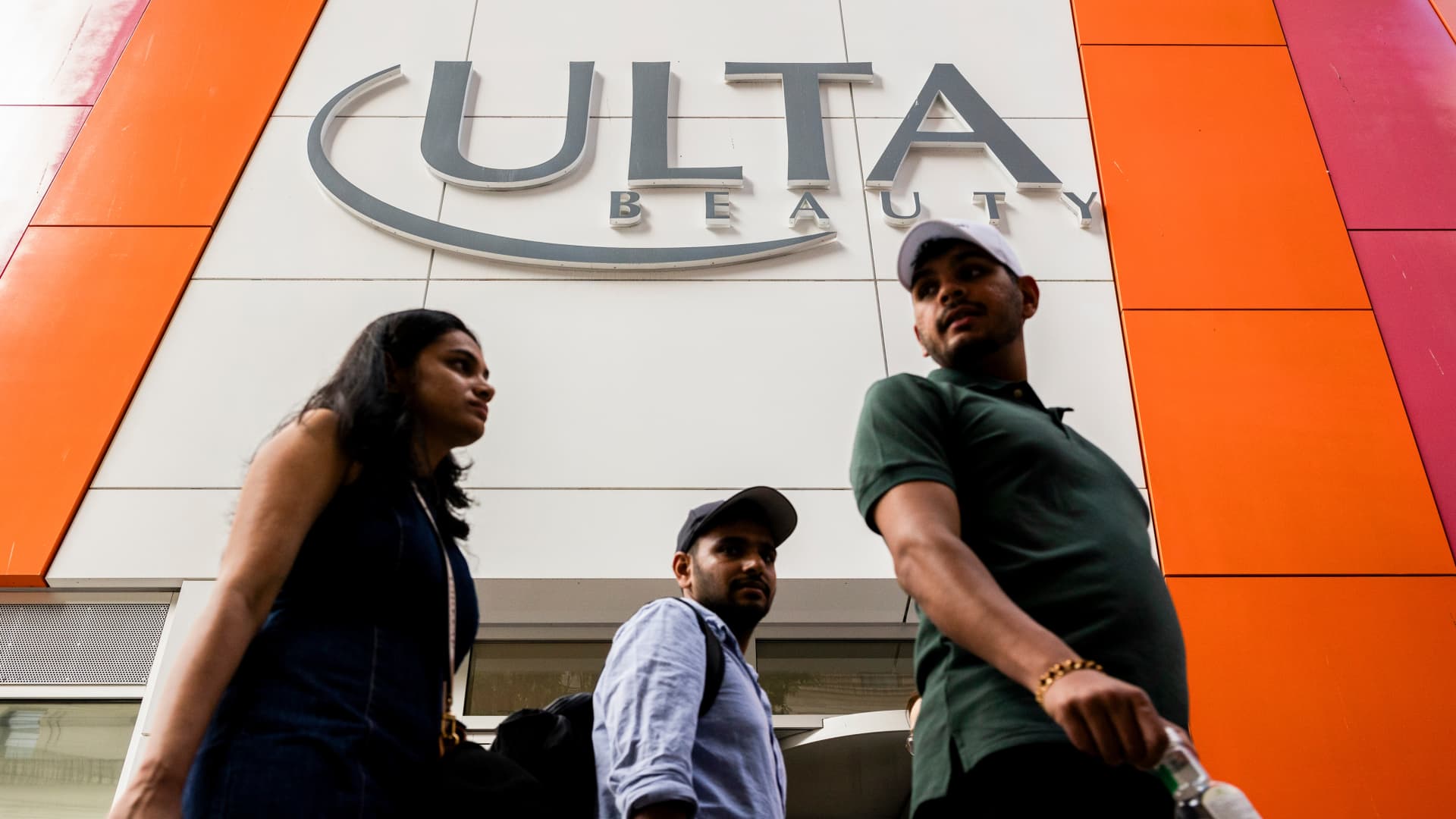
Analysis of Retail Sector Impact from Rising Oil Prices


- Impact of Rising Oil Prices: Brent crude futures have surged above $110 per barrel due to the ongoing Middle East conflict, with diesel prices exceeding $5 per gallon for the first time since 2022, potentially imposing secondary effects on the U.S. retail sector and increasing household budget pressures.
- Advantage of Higher-Income Customers: Deutsche Bank analysts noted that retailers like Ulta Beauty and Costco, which cater to higher-income demographics, have historically shown a positive correlation between sales and rising oil prices, indicating better sales performance in such environments.
- Pressure on Lower-Income Customers: Conversely, retailers like BJ's Wholesale Club and Burlington Stores, which primarily serve lower-income customers, exhibit negative sales correlations with rising gas prices, highlighting a trend where lower-income consumers reduce spending as fuel costs increase.
- Inventory Management Strategy: Despite the risks associated with rising input costs, many global brands, including Amer Sports and Birkenstock, maintain over 200 days of finished goods inventory, which helps mitigate near-term margin pressures and ensures market stability amid supply chain disruptions.
See More

Risks and Opportunities in Value Investing

- Energizer's Growth Challenges: Energizer (ENR) has a forward P/E ratio of 4.8x, and despite being one of the largest battery manufacturers globally, its organic sales growth has been sluggish at only 2.4% over the past two years, indicating a need for strategic adjustments or M&A to catalyze growth.
- Financial Leverage Risks: With a net debt-to-EBITDA ratio of 5x, Energizer is overleveraged, increasing the risk of shareholder dilution if circumstances worsen, which poses a significant risk to investors.
- HP's Market Challenges: HP (HPQ) trades at a forward P/E of 7x, with flat sales over the past five years and a 2.6% annual decline in earnings per share, indicating that its products and services are facing challenges in the current market cycle, leading to declining profitability.
- Sprouts' Growth Potential: Sprouts Farmers Market (SFM) trades at a forward P/E of 13.6x, with same-store sales growth averaging 7.5% over the past two years and projected revenue growth of 8.1% for the next 12 months, demonstrating strong momentum in the healthy living trend, making it a stock to watch.
See More

Insider Buying at LEE and SFM by Executives

- Hoffmann's Purchase of LEE: David Henry Hoffmann bought 74,600 shares of LEE at $9.16 each on Tuesday, totaling an investment of $683,072, indicating his confidence in the company's prospects despite the current stock price being lower than his purchase price.
- Price Fluctuation Analysis: On Wednesday, LEE's stock traded as low as $8.76, which is 4.4% below Hoffmann's purchase price, yet the stock rose about 2.6% on the day, reflecting a positive market sentiment towards the stock.
- Historical Purchase Record: Over the past year, Hoffmann has invested a total of $1.15 million in LEE shares at an average price of $8.98, demonstrating his ongoing bullish outlook on the company.
- Anderson's Purchase of SFM: Joel D. Anderson, a director at Sprouts Farmers Market, purchased 4,400 shares at $77.17 each on Monday for a total investment of $339,548, despite the stock declining 0.6% on the day, investors can still buy at $75.20, which is below his purchase price.
See More
2026 S&P 500 Market Outlook
- Historical Indicator Confidence: Research from LPL Financial shows that since 1950, when the S&P 500 posts positive returns in January, it achieves positive returns for the full year 89% of the time, with an average gain of 16.7%, providing confidence for long-term investors despite a 7% drop at the start of 2026.
- Market Resilience Analysis: Data from Ryan Detrick indicates that despite numerous geopolitical shock events since 1940, the median market return of the S&P 500 12 months later was 7.4%, suggesting that the market has a strong recovery capability over the long term, encouraging investors to continue regular contributions.
- Investment Sentiment Factors: Investor optimism during uncertain times may drive market rebounds, and while short-term corrections of 10% and bear markets every three and a half years are common, long-term investing is still viewed as an effective strategy for beating inflation and building wealth.
- Recommended Investment Strategy: Despite current market turbulence, analysts suggest focusing on reasonably valued potential stocks, with the Motley Fool's analyst team identifying 10 best stocks expected to yield significant returns in the coming years, further emphasizing the importance of adhering to long-term investment principles in uncertain environments.
See More
2026 Stock Market Outlook and Investor Confidence
- January Indicator Confidence: According to LPL Financial, since 1950, when the S&P 500 posts positive returns in January, it achieves positive returns for the full year 89% of the time, with an average gain of 16.7%, providing confidence for investors in 2026, especially with a 1.5% rise this January.
- Market Resilience Analysis: Despite geopolitical events, Ryan Detrick from Carson Group found that since 1940, the median market return of the S&P 500 twelve months after such events is 7.4%, indicating that the market rises 63% of the time, allowing investors to continue regular investments.
- Long-term Investment Philosophy: Detrick emphasizes that while the market may experience short-term volatility, the long-term trend is upward, aligning with Motley Fool co-founder David Gardner's view that long-term investing is one of the best ways to create wealth and combat inflation.
- Stocks to Watch: Amid current market turmoil, stocks like Amazon, MercadoLibre, Sprouts Farmers Market, and Zoetis are attracting investor attention, trading at reasonable valuations of 15x, 31x, 14x, and 17x earnings respectively, indicating promising investment opportunities.
See More
Sprouts Farmers Market to Release Q1 2026 Financial Results
- Earnings Release Schedule: Sprouts Farmers Market will issue its financial results for the first quarter ended March 29, 2026, after market close on April 29, 2026, demonstrating the company's commitment to transparency and investor communication.
- Management Conference Call: Following the earnings release, Sprouts' management will hold a conference call at 5:00 p.m. ET to discuss quarterly performance, aiming to provide investors with in-depth financial analysis and future outlook.
- Webcast Availability: Participants should register on the website approximately ten minutes prior to the call, ensuring smooth participation, while a replay will be accessible around 8:00 p.m. ET, enhancing information accessibility for stakeholders.
- Company Background: Sprouts Farmers Market is one of the largest and fastest-growing specialty retailers of fresh, natural, and organic food in the U.S., employing over 36,000 team members and operating more than 480 stores, reflecting its significant role in the communities it serves.
See More
Analysis of Retail Sector Impact from Rising Oil Prices
- Impact of Rising Oil Prices: Brent crude futures have surged above $110 per barrel due to the ongoing Middle East conflict, with diesel prices exceeding $5 per gallon for the first time since 2022, potentially imposing secondary effects on the U.S. retail sector and increasing household budget pressures.
- Advantage of Higher-Income Customers: Deutsche Bank analysts noted that retailers like Ulta Beauty and Costco, which cater to higher-income demographics, have historically shown a positive correlation between sales and rising oil prices, indicating better sales performance in such environments.
- Pressure on Lower-Income Customers: Conversely, retailers like BJ's Wholesale Club and Burlington Stores, which primarily serve lower-income customers, exhibit negative sales correlations with rising gas prices, highlighting a trend where lower-income consumers reduce spending as fuel costs increase.
- Inventory Management Strategy: Despite the risks associated with rising input costs, many global brands, including Amer Sports and Birkenstock, maintain over 200 days of finished goods inventory, which helps mitigate near-term margin pressures and ensures market stability amid supply chain disruptions.
See More
Risks and Opportunities in Value Investing
- Energizer's Growth Challenges: Energizer (ENR) has a forward P/E ratio of 4.8x, and despite being one of the largest battery manufacturers globally, its organic sales growth has been sluggish at only 2.4% over the past two years, indicating a need for strategic adjustments or M&A to catalyze growth.
- Financial Leverage Risks: With a net debt-to-EBITDA ratio of 5x, Energizer is overleveraged, increasing the risk of shareholder dilution if circumstances worsen, which poses a significant risk to investors.
- HP's Market Challenges: HP (HPQ) trades at a forward P/E of 7x, with flat sales over the past five years and a 2.6% annual decline in earnings per share, indicating that its products and services are facing challenges in the current market cycle, leading to declining profitability.
- Sprouts' Growth Potential: Sprouts Farmers Market (SFM) trades at a forward P/E of 13.6x, with same-store sales growth averaging 7.5% over the past two years and projected revenue growth of 8.1% for the next 12 months, demonstrating strong momentum in the healthy living trend, making it a stock to watch.
See More
Insider Buying at LEE and SFM by Executives
- Hoffmann's Purchase of LEE: David Henry Hoffmann bought 74,600 shares of LEE at $9.16 each on Tuesday, totaling an investment of $683,072, indicating his confidence in the company's prospects despite the current stock price being lower than his purchase price.
- Price Fluctuation Analysis: On Wednesday, LEE's stock traded as low as $8.76, which is 4.4% below Hoffmann's purchase price, yet the stock rose about 2.6% on the day, reflecting a positive market sentiment towards the stock.
- Historical Purchase Record: Over the past year, Hoffmann has invested a total of $1.15 million in LEE shares at an average price of $8.98, demonstrating his ongoing bullish outlook on the company.
- Anderson's Purchase of SFM: Joel D. Anderson, a director at Sprouts Farmers Market, purchased 4,400 shares at $77.17 each on Monday for a total investment of $339,548, despite the stock declining 0.6% on the day, investors can still buy at $75.20, which is below his purchase price.
See More