Procter & Gamble Develops New Lystra Razor System with 2025 Patent Applications
Written by Emily J. Thompson, Senior Investment Analyst
Updated: Jan 21 2026
0mins
Should l Buy PG?
Source: seekingalpha
- Patent Activity: Procter & Gamble's Gillette has filed multiple 2025 patent applications for the new Lystra razor system, which features distinct geometries compared to legacy Fusion/Mach3/Venus models, showcasing its innovation in shaving products.
- Market Positioning: The new patents emphasize ergonomic design for underarm and bikini area shaving, indicating that Lystra will be positioned as a new brand within Gillette's portfolio to meet specific consumer needs.
- Commercial Launch Expectations: Analyst Robert Ottenstein noted that the accelerated pace of patent and trademark activity suggests a potential commercial launch for Lystra in the first half of 2026, which is considered appealing for low-income consumers and could drive market share growth.
- Technology-Driven Market Share: In the shaving market, superior technology—not just pricing—has driven share changes, particularly evident when comparing consumer demographics of Gillette's Labs, Fusion, and competitor Harry's, highlighting the importance of technological innovation.
Trade with 70% Backtested Accuracy
Stop guessing "Should I Buy PG?" and start using high-conviction signals backed by rigorous historical data.
Sign up today to access powerful investing tools and make smarter, data-driven decisions.
Analyst Views on PG
Wall Street analysts forecast PG stock price to rise
17 Analyst Rating
10 Buy
7 Hold
0 Sell
Moderate Buy
Current: 141.570

Low
150.00
Averages
164.50
High
180.00
Current: 141.570
Low
150.00
Averages
164.50
High
180.00
About PG
The Procter & Gamble Company is focused on providing branded consumer packaged goods to consumers across the world. The Company’s segments include Beauty, Grooming, Health Care, Fabric & Home Care and Baby, Feminine & Family Care. The Company’s products are sold in approximately 180 countries and territories primarily through mass merchandisers, e-commerce, including social commerce channels, grocery stores, membership club stores, drug stores, department stores, distributors, wholesalers, specialty beauty stores, including airport duty-free stores), high-frequency stores, pharmacies, electronics stores and professional channels. It also sells direct to individual consumers. It has operations in approximately 70 countries. It offers products under brands, such as Head & Shoulders, Herbal Essences, Pantene, Rejoice, Olay, Old Spice, Safeguard, Secret, SK-II, Braun, Gillette, Venus, Crest, Oral-B, Ariel, Downy, Gain, Tide, Always, Always Discreet, Tampax, Bounty and others.
About the author

Emily J. Thompson
Emily J. Thompson, a Chartered Financial Analyst (CFA) with 12 years in investment research, graduated with honors from the Wharton School. Specializing in industrial and technology stocks, she provides in-depth analysis for Intellectia’s earnings and market brief reports.

Global Companies Face Over $25 Billion Loss Due to War

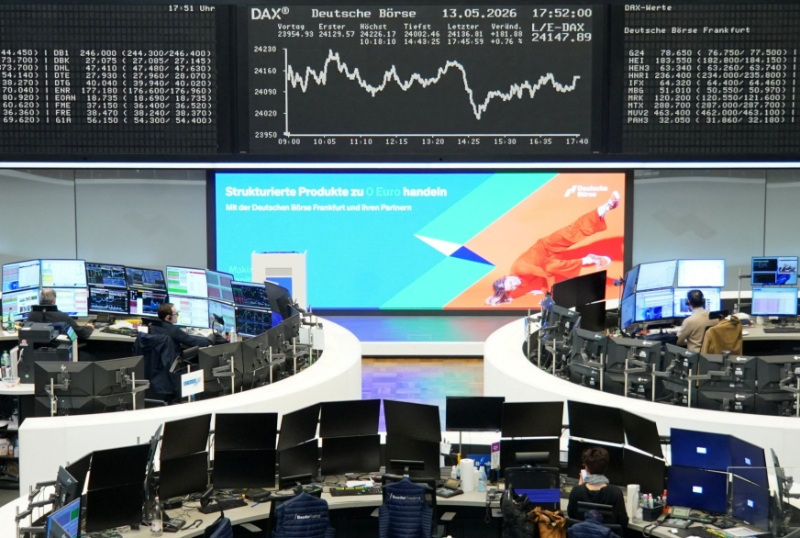
- Economic Loss from War: According to a Reuters analysis, global companies have incurred losses of at least $25 billion since the conflict began, facing dual pressures from soaring energy prices and disrupted supply chains, leading to production cuts and price increases that threaten overall economic stability.
- Industry Response Measures: At least 279 companies have taken defensive actions due to the war, including suspending dividends, laying off staff, and seeking government assistance, highlighting the vulnerability of businesses in navigating uncertainty, especially following the pandemic and the Ukraine war.
- Surge in Energy Costs: Iran's blockade of the Strait of Hormuz has pushed oil prices above $100 per barrel, more than 50% higher than before the war, resulting in increased shipping costs and tight raw material supplies, impacting multiple sectors including automotive and consumer goods.
- Profit Expectations Downgraded: As costs rise, analysts predict profit margins will be threatened, with S&P 500 industrials' net profit margin forecasts cut by 0.38 percentage points, indicating the potential impact of economic slowdown on corporate earnings.
See More

Amazon's New Supply Chain Initiative Gains Attention


- Strong Stock Performance: Amazon (NASDAQ:AMZN) shares have risen 28.7% over the past year and 16.6% year-to-date, reflecting market confidence in its growth prospects, particularly driven by its new supply chain initiative.
- Attractive Supply Chain Service: Jim Cramer noted that if top supply chain firms like Procter & Gamble are interested in Amazon's services, it indicates a high-quality offering, which could enhance Amazon's competitiveness in the retail sector.
- Rising Capital Expenditure Expectations: The Baron Durable Advantage Fund mentioned in its Q1 2026 investor letter that Amazon anticipates $200 billion in capital expenditures for fiscal year 2026, exceeding market expectations, which may pressure short-term profitability but suggests substantial long-term growth potential.
- Leadership in Cloud Services: Amazon maintains its leadership in the cloud infrastructure market, particularly in enabling generative AI workloads, with significant revenue growth expected over the next two years as AWS usage increases.
See More
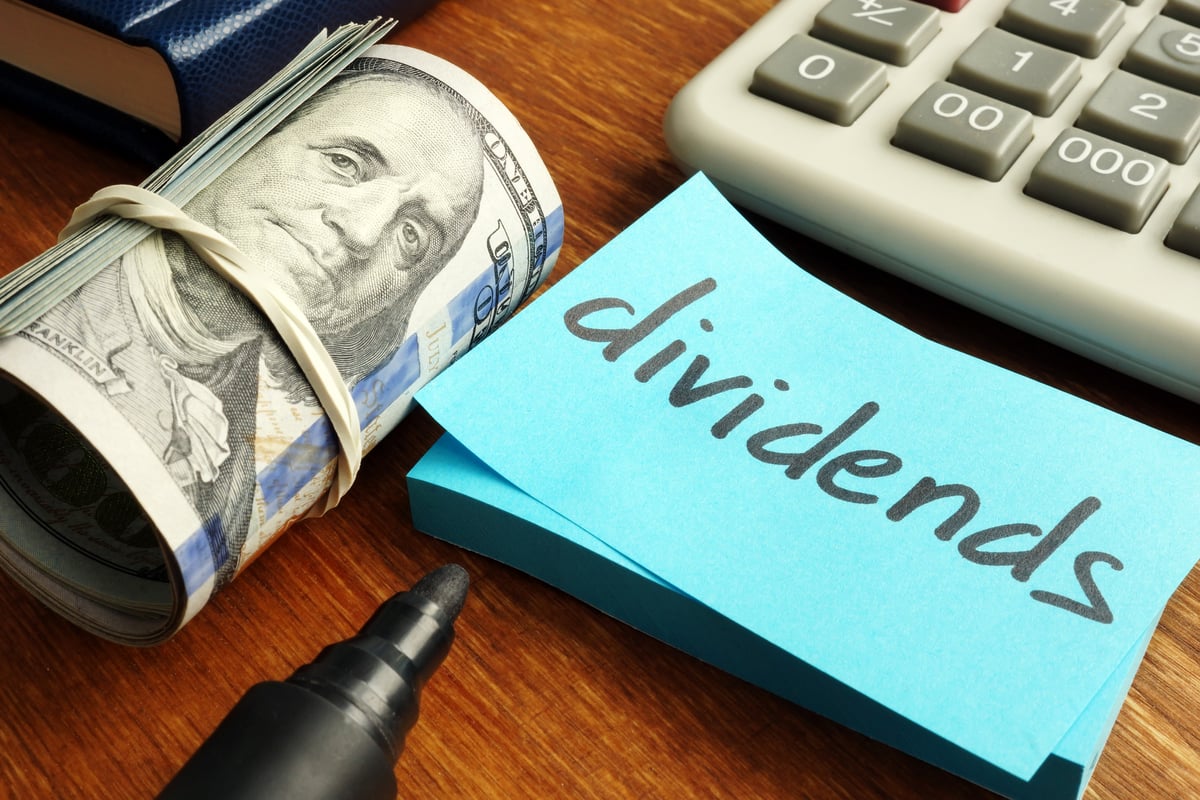
Buffett May Reinvest in Three Key Dividend Stocks


- Market Outlook: While Paul Tudor Jones mentioned a potential stock market crash, the current bull market may last another year or two, indicating the complexity of market sentiment and the need for investors to prepare for potential volatility.
- Strong Cash Reserves: Buffett's nearly $375 billion cash position at the end of 2025 suggests he is poised to capitalize on quality stocks during market downturns, reflecting the robustness of his long-term investment strategy.
- Strong Dividend Stocks: Johnson & Johnson has raised its dividend for 65 consecutive years, currently trading at a forward P/E of about 19; a 20%-25% market pullback could elevate its dividend yield to 2.5%-3%, making it attractive to Buffett.
- Opportunity in McDonald's: McDonald's shares have fallen from $340 to $275; although it trades at a forward P/E of 21, a market crash could lead to a discounted valuation, making it a potential target for Buffett's reinvestment.
See More

Consumer Staples Companies Outlook and Dividend Growth

- PepsiCo Sales Growth: PepsiCo's first-quarter revenue grew 2.6% year-over-year, despite consumer pushback against high prices, with slight volume increases indicating resilience under economic pressure; management expects 2% to 4% sales growth and 4% to 6% EPS growth for 2025, laying a solid foundation for future performance.
- Dividend King Status: PepsiCo's board raised the dividend by 4% this year, marking 54 consecutive years of increases, with the current quarterly dividend at $1.48 and a yield of 4%, nearly quadruple that of the S&P 500, showcasing the company's strong cash flow and commitment to shareholder returns.
- Procter & Gamble Sales Performance: Procter & Gamble's third-quarter sales rose 3%, with volume contributing 2 percentage points, demonstrating stability in a weak consumer goods market, and the company is expected to continue benefiting from steady demand for essential products in the future.
- Attractive Valuation: Procter & Gamble's shares have a P/E ratio of 21, below the 10-year average of 25, indicating relative attractiveness, while the dividend yield stands at 3.1%, almost triple that of the S&P 500, suggesting investment value amid current economic uncertainties.
See More

Procter & Gamble's 70-Year Dividend Growth Streak

- Dividend Growth Record: Procter & Gamble has increased its per-share dividend for 70 consecutive years, with the latest annual increase of 3%, which not only reflects its stable cash flow but also boosts investor confidence in long-term holdings.
- Strong Market Position: With sales reaching $84.3 billion and net income of $16.1 billion, Procter & Gamble's extensive brand portfolio and market leadership ensure its competitive edge in a saturated consumer goods market.
- Advertising Spend Advantage: Procter spent $9.2 billion on advertising last fiscal year, significantly more than competitors, which enhances its brand promotion and market penetration, driving sales growth effectively.
- Safe Haven Amid Economic Uncertainty: In the face of potential economic slowdown, Procter & Gamble's stock tends to outperform the broader market, providing stable returns and making it a preferred choice for safety-seeking investors, with a current dividend yield of 3%.
See More

Coca-Cola and P&G Maintain Dividend King Status Amid Global Challenges

- Stable Dividend Growth: Both Coca-Cola and Procter & Gamble are Dividend Kings, having increased dividends for over 50 consecutive years, demonstrating resilience and reliability through economic cycles, which attracts long-term investors.
- Strong Market Performance: Coca-Cola's current stock price is $80.82 with a market cap of $348 billion and a dividend yield of 2.55%, while Procter & Gamble's stock price is $141.68 with a market cap of $330 billion and a yield of 3.01%, both trading below their five-year average P/E ratios, indicating relative fair valuation.
- Consumer Goods Sector Advantage: Their strong brand presence and marketing capabilities in the consumer goods sector allow both companies to maintain stable sales even amid economic uncertainties, as consumer demand for everyday products remains consistent during downturns.
- Increased Investment Appeal: Amid current trade wars, geopolitical conflicts, and rising energy prices, Coca-Cola and P&G's dividend yields of 2.7% and 2.9%, respectively, are significantly more attractive compared to the S&P 500's yield of 1.1%, making them preferred options for conservative investors.
See More
Global Companies Face Over $25 Billion Loss Due to War
- Economic Loss from War: According to a Reuters analysis, global companies have incurred losses of at least $25 billion since the conflict began, facing dual pressures from soaring energy prices and disrupted supply chains, leading to production cuts and price increases that threaten overall economic stability.
- Industry Response Measures: At least 279 companies have taken defensive actions due to the war, including suspending dividends, laying off staff, and seeking government assistance, highlighting the vulnerability of businesses in navigating uncertainty, especially following the pandemic and the Ukraine war.
- Surge in Energy Costs: Iran's blockade of the Strait of Hormuz has pushed oil prices above $100 per barrel, more than 50% higher than before the war, resulting in increased shipping costs and tight raw material supplies, impacting multiple sectors including automotive and consumer goods.
- Profit Expectations Downgraded: As costs rise, analysts predict profit margins will be threatened, with S&P 500 industrials' net profit margin forecasts cut by 0.38 percentage points, indicating the potential impact of economic slowdown on corporate earnings.
See More
Amazon's New Supply Chain Initiative Gains Attention
- Strong Stock Performance: Amazon (NASDAQ:AMZN) shares have risen 28.7% over the past year and 16.6% year-to-date, reflecting market confidence in its growth prospects, particularly driven by its new supply chain initiative.
- Attractive Supply Chain Service: Jim Cramer noted that if top supply chain firms like Procter & Gamble are interested in Amazon's services, it indicates a high-quality offering, which could enhance Amazon's competitiveness in the retail sector.
- Rising Capital Expenditure Expectations: The Baron Durable Advantage Fund mentioned in its Q1 2026 investor letter that Amazon anticipates $200 billion in capital expenditures for fiscal year 2026, exceeding market expectations, which may pressure short-term profitability but suggests substantial long-term growth potential.
- Leadership in Cloud Services: Amazon maintains its leadership in the cloud infrastructure market, particularly in enabling generative AI workloads, with significant revenue growth expected over the next two years as AWS usage increases.
See More
Buffett May Reinvest in Three Key Dividend Stocks
- Market Outlook: While Paul Tudor Jones mentioned a potential stock market crash, the current bull market may last another year or two, indicating the complexity of market sentiment and the need for investors to prepare for potential volatility.
- Strong Cash Reserves: Buffett's nearly $375 billion cash position at the end of 2025 suggests he is poised to capitalize on quality stocks during market downturns, reflecting the robustness of his long-term investment strategy.
- Strong Dividend Stocks: Johnson & Johnson has raised its dividend for 65 consecutive years, currently trading at a forward P/E of about 19; a 20%-25% market pullback could elevate its dividend yield to 2.5%-3%, making it attractive to Buffett.
- Opportunity in McDonald's: McDonald's shares have fallen from $340 to $275; although it trades at a forward P/E of 21, a market crash could lead to a discounted valuation, making it a potential target for Buffett's reinvestment.
See More
Consumer Staples Companies Outlook and Dividend Growth
- PepsiCo Sales Growth: PepsiCo's first-quarter revenue grew 2.6% year-over-year, despite consumer pushback against high prices, with slight volume increases indicating resilience under economic pressure; management expects 2% to 4% sales growth and 4% to 6% EPS growth for 2025, laying a solid foundation for future performance.
- Dividend King Status: PepsiCo's board raised the dividend by 4% this year, marking 54 consecutive years of increases, with the current quarterly dividend at $1.48 and a yield of 4%, nearly quadruple that of the S&P 500, showcasing the company's strong cash flow and commitment to shareholder returns.
- Procter & Gamble Sales Performance: Procter & Gamble's third-quarter sales rose 3%, with volume contributing 2 percentage points, demonstrating stability in a weak consumer goods market, and the company is expected to continue benefiting from steady demand for essential products in the future.
- Attractive Valuation: Procter & Gamble's shares have a P/E ratio of 21, below the 10-year average of 25, indicating relative attractiveness, while the dividend yield stands at 3.1%, almost triple that of the S&P 500, suggesting investment value amid current economic uncertainties.
See More
Procter & Gamble's 70-Year Dividend Growth Streak
- Dividend Growth Record: Procter & Gamble has increased its per-share dividend for 70 consecutive years, with the latest annual increase of 3%, which not only reflects its stable cash flow but also boosts investor confidence in long-term holdings.
- Strong Market Position: With sales reaching $84.3 billion and net income of $16.1 billion, Procter & Gamble's extensive brand portfolio and market leadership ensure its competitive edge in a saturated consumer goods market.
- Advertising Spend Advantage: Procter spent $9.2 billion on advertising last fiscal year, significantly more than competitors, which enhances its brand promotion and market penetration, driving sales growth effectively.
- Safe Haven Amid Economic Uncertainty: In the face of potential economic slowdown, Procter & Gamble's stock tends to outperform the broader market, providing stable returns and making it a preferred choice for safety-seeking investors, with a current dividend yield of 3%.
See More
Coca-Cola and P&G Maintain Dividend King Status Amid Global Challenges
- Stable Dividend Growth: Both Coca-Cola and Procter & Gamble are Dividend Kings, having increased dividends for over 50 consecutive years, demonstrating resilience and reliability through economic cycles, which attracts long-term investors.
- Strong Market Performance: Coca-Cola's current stock price is $80.82 with a market cap of $348 billion and a dividend yield of 2.55%, while Procter & Gamble's stock price is $141.68 with a market cap of $330 billion and a yield of 3.01%, both trading below their five-year average P/E ratios, indicating relative fair valuation.
- Consumer Goods Sector Advantage: Their strong brand presence and marketing capabilities in the consumer goods sector allow both companies to maintain stable sales even amid economic uncertainties, as consumer demand for everyday products remains consistent during downturns.
- Increased Investment Appeal: Amid current trade wars, geopolitical conflicts, and rising energy prices, Coca-Cola and P&G's dividend yields of 2.7% and 2.9%, respectively, are significantly more attractive compared to the S&P 500's yield of 1.1%, making them preferred options for conservative investors.
See More