iShares Core MSCI Pacific ETF Experiences Big Outflow
Written by Emily J. Thompson, Senior Investment Analyst
Updated: May 14 2024
0mins


Source: NASDAQ.COM
- Stock Price Analysis: IPAC's stock price ranged from $52.93 to $63.85 in the past 52 weeks, with the last trade at $61.94. Comparing the current price to the 200-day moving average is a useful technical analysis method.
- Exchange Traded Funds (ETFs): ETFs are traded like stocks, where investors buy and sell "units" instead of shares. These units can be created or destroyed based on investor demand, impacting the underlying holdings of the ETF.
- Monitoring ETF Flows: Weekly monitoring of changes in shares outstanding data helps identify ETFs with notable inflows (new units created) or outflows (old units destroyed), affecting the ETF components.
- Notable Outflows: The article mentions 9 other ETFs that experienced significant outflows, which can influence the buying and selling of underlying assets within the ETFs.
- Disclaimer: The views expressed in the content belong to the author and may not represent those of Nasdaq, Inc.
Trade with 70% Backtested Accuracy
Stop guessing "Should I Buy GRAB?" and start using high-conviction signals backed by rigorous historical data.
Sign up today to access powerful investing tools and make smarter, data-driven decisions.
Analyst Views on GRAB
Wall Street analysts forecast GRAB stock price to rise
11 Analyst Rating
10 Buy
1 Hold
0 Sell
Strong Buy
Current: 3.890

Low
6.30
Averages
7.05
High
8.00
Current: 3.890
Low
6.30
Averages
7.05
High
8.00
About GRAB
Grab Holdings Limited is a superapp in Southeast Asia, operating across the deliveries, mobility and digital financial services sectors. Its deliveries platform connects its driver and merchant partners with consumers to create a local logistics platform, facilitating on-demand and scheduled delivery of daily necessities. It operates supermarkets in Malaysia under Jaya Grocer and Everrise. Its mobility offerings connect its driver-partners with consumers seeking rides across a variety of multi-modal mobility options including private cars, taxis, motorcycles in certain countries, and shared mobility options such as carpooling in selected markets. Its financial services offerings include digital solutions offered by and with its partners to address the financial needs of driver- and merchant-partners and consumers. GrabMaps is its mapping and location-based service. It serves countries such as Cambodia, Indonesia, Malaysia, Myanmar, Philippines, Singapore, Thailand, and Vietnam.
About the author

Emily J. Thompson
Emily J. Thompson, a Chartered Financial Analyst (CFA) with 12 years in investment research, graduated with honors from the Wharton School. Specializing in industrial and technology stocks, she provides in-depth analysis for Intellectia’s earnings and market brief reports.
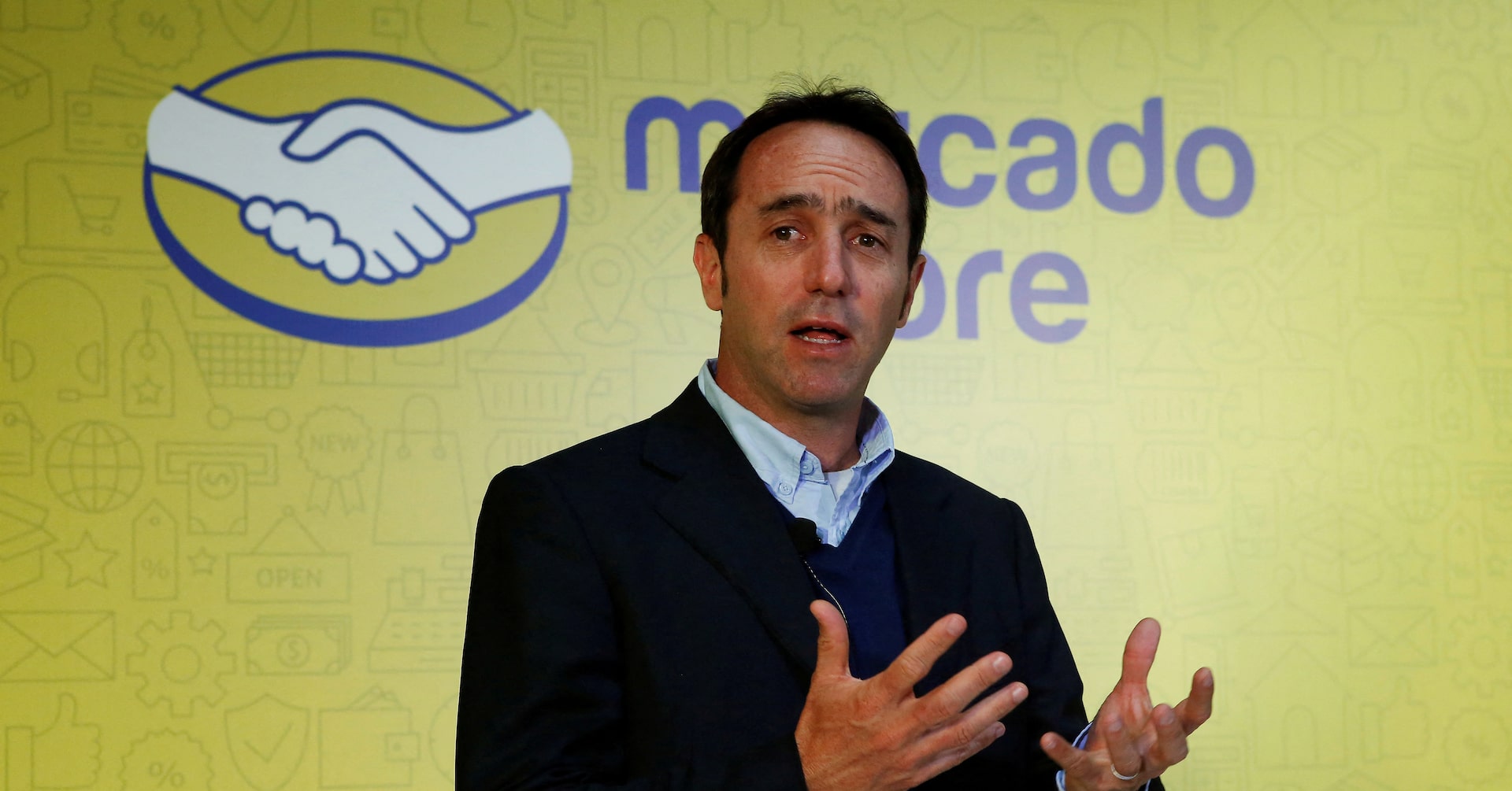
2026 Investment Themes and Growth Stock Opportunities


- Market Opportunity: The 2026 stock market is influenced by themes like AI and semiconductors, leaving many consumer stocks overlooked, presenting a once-in-a-decade opportunity for investors.
- MercadoLibre Performance: Latin American e-commerce giant MercadoLibre (MELI) saw a 49% sales growth in the latest quarter, but its margins dipped due to heavy logistics investments, with the stock currently 37% below its 52-week high.
- Coupang Recovery: South Korean e-commerce firm Coupang (CPNG) faced a $409 million fine due to a data breach, leading to a 46% drop from its 52-week high; however, management reports an 80% recovery of lost memberships and plans expansion into Taiwan and Japan.
- Grab Growth Potential: Singapore's Grab Holdings (GRAB) achieved a 24% sales increase and a 16% user growth in the last quarter, and while profitability concerns exist, its diversified business model offers long-term investment appeal.
See More

US Stocks Surge as Tech Leads Gains Amid Peace Deal


- Strong Market Performance: The S&P 500 rose by 1.65%, the Nasdaq 100 surged by 3.06%, and the Dow Jones Industrial Average hit a new record high, reflecting investor optimism about market prospects, particularly driven by gains in technology stocks.
- Crude Oil Price Plunge: WTI crude oil prices fell over 4% to a three-month low due to the US-Iran peace agreement and the reopening of the Strait of Hormuz, easing inflation expectations and boosting risk appetite in the equity markets.
- Weak Economic Data: The US June Empire Manufacturing Survey index dropped to 5.7, below the expected 13.7, indicating weakness in manufacturing that could pressure stocks, yet simultaneously supported gains in Treasury bonds.
- Tech Stocks Lead Gains: Chipmakers and AI infrastructure stocks performed strongly, with the iShares Semiconductor ETF rising over 5% and Western Digital up more than 15%, demonstrating strong market confidence in the technology sector.
See More

Analyzing Low-Priced Stocks: Opendoor, Grab, and Peloton


- Opendoor's Challenges: Opendoor's revenue has sharply declined for four consecutive years, dropping 75% from its 2022 peak to $3.8 billion; despite an expected 25% sequential revenue increase this quarter, its stock has plummeted 89% since its five-year high, indicating market caution regarding its recovery.
- Grab's Growth Momentum: Grab Holdings reported a 24% year-over-year revenue increase in Q1, reaching 51.6 million monthly active users, and although its stock has halved since its peak, it trades at a fair 24 times earnings, reflecting market confidence in its future growth.
- Peloton's Signs of Recovery: Peloton has seen revenue decline over the past four years, but it achieved a 1% growth in the third fiscal quarter ending in March, marking its first growth since the pandemic; its stock has surged 58% in three months, indicating optimistic market sentiment about its potential turnaround.
- Market Environment Impact: While Opendoor faces pressures from low inventory and high mortgage rates, Grab and Peloton demonstrate growth potential in their respective markets, highlighting investment opportunities in low-priced stocks amid economic uncertainty.
See More

Opendoor, Grab, and Peloton Earnings Analysis
- Opendoor Financial Outlook: Opendoor expects a 25% sequential revenue increase this quarter, despite a 75% decline from its 2022 peak; the exit of competitors from the market may present future profitability and investment opportunities.
- Grab User Growth: Grab's monthly active users reached 51.6 million, a 16% year-over-year increase, with Q1 revenue rising 24%, indicating strong performance in Southeast Asian markets, even as its stock price has halved from its peak.
- Peloton Recovery Signs: Peloton achieved profitability in fiscal 2025, with a 1% revenue increase in Q3, marking its best performance since 2021; its stock has rebounded 58% from lows, reflecting market confidence in its recovery.
- Market Competition Analysis: Despite facing challenges, Opendoor, Grab, and Peloton's financial improvements and market potential position them to potentially outperform the market in the coming years, making them worthy of investor attention.
See More

Startup Valuations Collapse Amid AI Disruption


- Valuation Decline: According to PitchBook, nearly half of the 857 U.S. unicorns have not raised fresh funding in the last three years, leading to stale valuations, with companies last funded in 2021 seeing an average drop of 68% and those from 2022 down 52%, indicating a significant loss of market confidence.
- AI Disruption: The emergence of ChatGPT has left many startups, particularly enterprise software firms like Calendly, at risk of being outpaced by AI-native companies, forcing investors to reassess their valuations and business models that are no longer relevant.
- Deteriorating Funding Environment: Many companies that last raised funds in 2021 and 2022 are struggling to secure new financing, with PitchBook analysts noting that those unable to raise funds typically exhibit tepid or negative growth, increasing the likelihood of acquisitions at reduced valuations.
- Market Reset Signals: Startups like Stash and Step have been acquired, but at prices significantly below their historical funding amounts, reflecting a drastic compression in market valuations and prompting investors to reevaluate the worth and future potential of these companies.
See More

Grab to Acquire Controlling Stake in Superbank
- Stake Transfer: Singtel Alpha Investments will transfer its stake in Superbank to Grab's digital banking subsidiary GXS Bank, with the transaction expected to complete in May 2026, resulting in Grab holding over 50% of Superbank directly and indirectly.
- Financial Consolidation: Upon completion of the transaction, Grab will begin consolidating Superbank's financial results into its financial services segment starting May 2026, which is expected to significantly enhance the company's overall financial performance.
- Customer Base Expansion: Superbank serves over 6 million customers in Indonesia and reported its first full-year profit in fiscal 2025, indicating an increase in market penetration and profitability.
- Asset and Income Growth: As of April 2026, Superbank reported a 72% year-over-year asset growth to IDR 24 trillion and an 84% increase in net interest income, providing strong financial support and future growth potential for Grab.
See More
2026 Investment Themes and Growth Stock Opportunities
- Market Opportunity: The 2026 stock market is influenced by themes like AI and semiconductors, leaving many consumer stocks overlooked, presenting a once-in-a-decade opportunity for investors.
- MercadoLibre Performance: Latin American e-commerce giant MercadoLibre (MELI) saw a 49% sales growth in the latest quarter, but its margins dipped due to heavy logistics investments, with the stock currently 37% below its 52-week high.
- Coupang Recovery: South Korean e-commerce firm Coupang (CPNG) faced a $409 million fine due to a data breach, leading to a 46% drop from its 52-week high; however, management reports an 80% recovery of lost memberships and plans expansion into Taiwan and Japan.
- Grab Growth Potential: Singapore's Grab Holdings (GRAB) achieved a 24% sales increase and a 16% user growth in the last quarter, and while profitability concerns exist, its diversified business model offers long-term investment appeal.
See More
US Stocks Surge as Tech Leads Gains Amid Peace Deal
- Strong Market Performance: The S&P 500 rose by 1.65%, the Nasdaq 100 surged by 3.06%, and the Dow Jones Industrial Average hit a new record high, reflecting investor optimism about market prospects, particularly driven by gains in technology stocks.
- Crude Oil Price Plunge: WTI crude oil prices fell over 4% to a three-month low due to the US-Iran peace agreement and the reopening of the Strait of Hormuz, easing inflation expectations and boosting risk appetite in the equity markets.
- Weak Economic Data: The US June Empire Manufacturing Survey index dropped to 5.7, below the expected 13.7, indicating weakness in manufacturing that could pressure stocks, yet simultaneously supported gains in Treasury bonds.
- Tech Stocks Lead Gains: Chipmakers and AI infrastructure stocks performed strongly, with the iShares Semiconductor ETF rising over 5% and Western Digital up more than 15%, demonstrating strong market confidence in the technology sector.
See More
Analyzing Low-Priced Stocks: Opendoor, Grab, and Peloton
- Opendoor's Challenges: Opendoor's revenue has sharply declined for four consecutive years, dropping 75% from its 2022 peak to $3.8 billion; despite an expected 25% sequential revenue increase this quarter, its stock has plummeted 89% since its five-year high, indicating market caution regarding its recovery.
- Grab's Growth Momentum: Grab Holdings reported a 24% year-over-year revenue increase in Q1, reaching 51.6 million monthly active users, and although its stock has halved since its peak, it trades at a fair 24 times earnings, reflecting market confidence in its future growth.
- Peloton's Signs of Recovery: Peloton has seen revenue decline over the past four years, but it achieved a 1% growth in the third fiscal quarter ending in March, marking its first growth since the pandemic; its stock has surged 58% in three months, indicating optimistic market sentiment about its potential turnaround.
- Market Environment Impact: While Opendoor faces pressures from low inventory and high mortgage rates, Grab and Peloton demonstrate growth potential in their respective markets, highlighting investment opportunities in low-priced stocks amid economic uncertainty.
See More
Opendoor, Grab, and Peloton Earnings Analysis
- Opendoor Financial Outlook: Opendoor expects a 25% sequential revenue increase this quarter, despite a 75% decline from its 2022 peak; the exit of competitors from the market may present future profitability and investment opportunities.
- Grab User Growth: Grab's monthly active users reached 51.6 million, a 16% year-over-year increase, with Q1 revenue rising 24%, indicating strong performance in Southeast Asian markets, even as its stock price has halved from its peak.
- Peloton Recovery Signs: Peloton achieved profitability in fiscal 2025, with a 1% revenue increase in Q3, marking its best performance since 2021; its stock has rebounded 58% from lows, reflecting market confidence in its recovery.
- Market Competition Analysis: Despite facing challenges, Opendoor, Grab, and Peloton's financial improvements and market potential position them to potentially outperform the market in the coming years, making them worthy of investor attention.
See More
Startup Valuations Collapse Amid AI Disruption
- Valuation Decline: According to PitchBook, nearly half of the 857 U.S. unicorns have not raised fresh funding in the last three years, leading to stale valuations, with companies last funded in 2021 seeing an average drop of 68% and those from 2022 down 52%, indicating a significant loss of market confidence.
- AI Disruption: The emergence of ChatGPT has left many startups, particularly enterprise software firms like Calendly, at risk of being outpaced by AI-native companies, forcing investors to reassess their valuations and business models that are no longer relevant.
- Deteriorating Funding Environment: Many companies that last raised funds in 2021 and 2022 are struggling to secure new financing, with PitchBook analysts noting that those unable to raise funds typically exhibit tepid or negative growth, increasing the likelihood of acquisitions at reduced valuations.
- Market Reset Signals: Startups like Stash and Step have been acquired, but at prices significantly below their historical funding amounts, reflecting a drastic compression in market valuations and prompting investors to reevaluate the worth and future potential of these companies.
See More
Grab to Acquire Controlling Stake in Superbank
- Stake Transfer: Singtel Alpha Investments will transfer its stake in Superbank to Grab's digital banking subsidiary GXS Bank, with the transaction expected to complete in May 2026, resulting in Grab holding over 50% of Superbank directly and indirectly.
- Financial Consolidation: Upon completion of the transaction, Grab will begin consolidating Superbank's financial results into its financial services segment starting May 2026, which is expected to significantly enhance the company's overall financial performance.
- Customer Base Expansion: Superbank serves over 6 million customers in Indonesia and reported its first full-year profit in fiscal 2025, indicating an increase in market penetration and profitability.
- Asset and Income Growth: As of April 2026, Superbank reported a 72% year-over-year asset growth to IDR 24 trillion and an 84% increase in net interest income, providing strong financial support and future growth potential for Grab.
See More