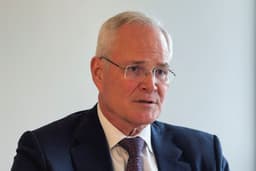
Harvard Bioscience Signs $40M Credit Facility Agreement with BroadOak
Harvard Bioscience entered into an agreement with BroadOak Capital Partners to provide a $40M credit facility comprised of three term loans, all of which will be funded on December 17. The proceeds of the facility will be used to retire the Company's existing debt obligations and associated fees, and strengthen its balance sheet and capital structure. Term Loan A and Term Loan B are senior secured term loans providing aggregate gross proceeds of $32.5M. Term Loan C is a $7.5M senior secured term loan convertible into shares of the Company's common stock at $1.00 per share at BroadOak's option or automatically upon the satisfaction of certain conditions while the loans remain outstanding. All three loans mature on December 17, 2029. Commencing December 31, 2027, the Company is required to make quarterly principal amortization payments on the Term A Loan and Term B Loan. The Amortization Date and Maturity Date may be extended by one year if the Company achieves a certain adjusted EBITDA milestone. In connection with the transaction, BroadOak received warrants to purchase an aggregate of 2 million shares of the Company's common stock at a price per share of $0.50 and the right to nominate one member to the Company's board of directors while the loans remain outstanding. Pursuant to BroadOak's director nomination right, effective December 17, Bill Snider, Partner at BroadOak, joined the Company's board of directors as a member of Class III of the board and as a member of the compensation committee. Snider leads BroadOak's growth capital investing activities and has more than 30 years of institutional investment experience as well as extensive expertise in life science tools. The company will also establish a Product, Operations, and Scientific Advisory Board that will consist of the CEO, two individuals appointed by the Company's board of directors and two individuals appointed by BroadOak, to advise on commercial and application opportunities, product line planning and life cycle management, manufacturing, supply chain and procurement, and opportunities to enhance commercial performance.
Trade with 70% Backtested Accuracy
Analyst Views on HBIO

About HBIO
About the author


Harvard Bioscience Restructures Production Footprint

- Production Restructuring: Harvard Bioscience announced the closure of its Holliston, Massachusetts plant, shifting production to its Minneapolis hub while relocating some operations to Germany, Sweden, and the UK, aiming to enhance flexibility and scale through key operational consolidation.
- Cost Savings Forecast: The company anticipates approximately $3 million in savings by 2027, with an expected annual savings of about $4 million starting in 2028, achieved through lower overhead, fewer SKUs, and improved asset utilization.
- Workforce Reconfiguration: During the restructuring, the company will reconfigure roles across operations and implement a phased transition plan to ensure order fulfillment and product quality, with the Holliston facility remaining operational until 2026 to support customer needs.
- Transition Cost Implications: While the restructuring is expected to yield long-term savings, transition-related costs may increase expenses into mid-2027, with plans to complete the consolidation by the first quarter of 2027 to ensure a smooth transition.

Harvard Bioscience to Close Plant for Efficiency Gains
- Strategic Consolidation: Harvard Bioscience announced the closure of its Holliston, MA manufacturing plant, transitioning U.S. production to Minneapolis, which is expected to deliver approximately $3 million in savings in 2027 and $4 million annually starting in 2028, significantly enhancing operational efficiency.
- Increased Operational Flexibility: The consolidation will relocate certain operations to facilities in Germany, Sweden, and the UK, aiming to improve product delivery speed and market responsiveness by concentrating production lines and optimizing logistical locations, thereby strengthening the company's competitive position.
- Transition Plan: The Holliston facility will remain operational throughout 2026 to ensure continuity of customer service, with the consolidation expected to be completed by the first quarter of 2027, implementing a comprehensive transition plan to prevent disruptions in order fulfillment and product quality.
- Cost-Saving Measures: The consolidation is projected to achieve approximately $3 million in cost savings in 2027 through reduced overhead, SKU rationalization, improved asset utilization, and workforce reconfiguration, with a long-term goal of saving $4 million annually, driving long-term value creation for the company.

Larry Summers Withdraws from Public Engagements Amid Email Controversy in Jeffrey Epstein Files
Larry Summers Steps Back: Former Treasury Secretary Larry Summers announced he is stepping back from public commitments due to the fallout from emails with Jeffrey Epstein, expressing deep shame and taking full responsibility for his actions.
Details of the Emails: The emails revealed Summers sought advice from Epstein regarding a romantic interest while he was married, raising concerns about his judgment and relationships.
Calls for Action: Senator Elizabeth Warren criticized Summers, stating that Harvard should sever ties with him, arguing that his association with Epstein demonstrates a lack of trustworthiness, especially in an educational context.
Context of Epstein's Crimes: The controversy comes in the wake of Epstein's arrest and subsequent death in 2019, following serious charges related to child sex trafficking.

Experts advise on ways to safeguard children as they increasingly rely on AI chatbots for critical thinking.
AI Usage Among Youth: A significant increase in U.S. teens using AI tools like ChatGPT for schoolwork has been observed, with 26% reporting usage in 2024, prompting regulatory scrutiny and the introduction of parental controls by OpenAI.
Cognitive Risks of AI: Research indicates that reliance on AI chatbots may diminish critical thinking and creativity in young users, with concerns about cognitive debt and the potential for negative developmental impacts, particularly for children.
Need for Skills and Literacy: Experts emphasize the importance of teaching children foundational skills and computer literacy before they engage with AI tools, to help them navigate inaccuracies and develop critical thinking.
Parental Guidance and Monitoring: Parents are encouraged to maintain open communication with their children regarding AI usage and to monitor the tools they interact with, ensuring responsible and safe engagement with technology.

Judge overturns Trump administration's $2.2 billion funding freeze for Harvard
Court Ruling on Funding Freeze: A federal judge ruled that the Trump administration's $2.2 billion funding freeze for Harvard University was illegal, stating it was imposed in retaliation for the university's refusal to comply with unconstitutional demands.
Concerns Over Antisemitism: The judge found that the administration's focus on antisemitism was arbitrary and pretextual, as the funding freeze occurred before any investigation into antisemitism on campus and was linked to broader ideological concerns.

Economists: U.S. Economy Affected by Tariffs and Policy Uncertainty
Impact of Tariff Policy: U.S. companies are facing ongoing uncertainty due to the Trump administration's tariff policy, which complicates large investments and economic stability.
Need for Certainty: Economists emphasize that a predictable environment is essential for incentivizing American manufacturing, as businesses require time to establish production capabilities.
Consumer Price Increases: The implementation of tariffs is expected to lead to higher prices for consumers, with early signs indicating modest pass-through effects on inflation.
Economic Growth Concerns: As tariffs may slow consumer spending in a predominantly consumer-driven economy, there are concerns about potential negative impacts on overall economic growth.
Harvard Bioscience Restructures Production Footprint
- Production Restructuring: Harvard Bioscience announced the closure of its Holliston, Massachusetts plant, shifting production to its Minneapolis hub while relocating some operations to Germany, Sweden, and the UK, aiming to enhance flexibility and scale through key operational consolidation.
- Cost Savings Forecast: The company anticipates approximately $3 million in savings by 2027, with an expected annual savings of about $4 million starting in 2028, achieved through lower overhead, fewer SKUs, and improved asset utilization.
- Workforce Reconfiguration: During the restructuring, the company will reconfigure roles across operations and implement a phased transition plan to ensure order fulfillment and product quality, with the Holliston facility remaining operational until 2026 to support customer needs.
- Transition Cost Implications: While the restructuring is expected to yield long-term savings, transition-related costs may increase expenses into mid-2027, with plans to complete the consolidation by the first quarter of 2027 to ensure a smooth transition.
Harvard Bioscience to Close Plant for Efficiency Gains
- Strategic Consolidation: Harvard Bioscience announced the closure of its Holliston, MA manufacturing plant, transitioning U.S. production to Minneapolis, which is expected to deliver approximately $3 million in savings in 2027 and $4 million annually starting in 2028, significantly enhancing operational efficiency.
- Increased Operational Flexibility: The consolidation will relocate certain operations to facilities in Germany, Sweden, and the UK, aiming to improve product delivery speed and market responsiveness by concentrating production lines and optimizing logistical locations, thereby strengthening the company's competitive position.
- Transition Plan: The Holliston facility will remain operational throughout 2026 to ensure continuity of customer service, with the consolidation expected to be completed by the first quarter of 2027, implementing a comprehensive transition plan to prevent disruptions in order fulfillment and product quality.
- Cost-Saving Measures: The consolidation is projected to achieve approximately $3 million in cost savings in 2027 through reduced overhead, SKU rationalization, improved asset utilization, and workforce reconfiguration, with a long-term goal of saving $4 million annually, driving long-term value creation for the company.
Larry Summers Withdraws from Public Engagements Amid Email Controversy in Jeffrey Epstein Files
Larry Summers Steps Back: Former Treasury Secretary Larry Summers announced he is stepping back from public commitments due to the fallout from emails with Jeffrey Epstein, expressing deep shame and taking full responsibility for his actions.
Details of the Emails: The emails revealed Summers sought advice from Epstein regarding a romantic interest while he was married, raising concerns about his judgment and relationships.
Calls for Action: Senator Elizabeth Warren criticized Summers, stating that Harvard should sever ties with him, arguing that his association with Epstein demonstrates a lack of trustworthiness, especially in an educational context.
Context of Epstein's Crimes: The controversy comes in the wake of Epstein's arrest and subsequent death in 2019, following serious charges related to child sex trafficking.
Experts advise on ways to safeguard children as they increasingly rely on AI chatbots for critical thinking.
AI Usage Among Youth: A significant increase in U.S. teens using AI tools like ChatGPT for schoolwork has been observed, with 26% reporting usage in 2024, prompting regulatory scrutiny and the introduction of parental controls by OpenAI.
Cognitive Risks of AI: Research indicates that reliance on AI chatbots may diminish critical thinking and creativity in young users, with concerns about cognitive debt and the potential for negative developmental impacts, particularly for children.
Need for Skills and Literacy: Experts emphasize the importance of teaching children foundational skills and computer literacy before they engage with AI tools, to help them navigate inaccuracies and develop critical thinking.
Parental Guidance and Monitoring: Parents are encouraged to maintain open communication with their children regarding AI usage and to monitor the tools they interact with, ensuring responsible and safe engagement with technology.
Judge overturns Trump administration's $2.2 billion funding freeze for Harvard
Court Ruling on Funding Freeze: A federal judge ruled that the Trump administration's $2.2 billion funding freeze for Harvard University was illegal, stating it was imposed in retaliation for the university's refusal to comply with unconstitutional demands.
Concerns Over Antisemitism: The judge found that the administration's focus on antisemitism was arbitrary and pretextual, as the funding freeze occurred before any investigation into antisemitism on campus and was linked to broader ideological concerns.
Economists: U.S. Economy Affected by Tariffs and Policy Uncertainty
Impact of Tariff Policy: U.S. companies are facing ongoing uncertainty due to the Trump administration's tariff policy, which complicates large investments and economic stability.
Need for Certainty: Economists emphasize that a predictable environment is essential for incentivizing American manufacturing, as businesses require time to establish production capabilities.
Consumer Price Increases: The implementation of tariffs is expected to lead to higher prices for consumers, with early signs indicating modest pass-through effects on inflation.
Economic Growth Concerns: As tariffs may slow consumer spending in a predominantly consumer-driven economy, there are concerns about potential negative impacts on overall economic growth.