FDA Approves Oral Semaglutide for Weight Management, Expanding GLP-1 Market Options
Written by Emily J. Thompson, Senior Investment Analyst
Updated: Dec 31 2025
0mins
Should l Buy NVO?
Source: Globenewswire
- Surge in Market Demand: A December 2025 YouGov survey indicates that 25% of Americans listed exercising more as their primary New Year's resolution for 2026, reflecting a significant increase in demand for weight-loss medications, particularly post-holiday, which has driven a surge in GLP-1 drug searches.
- FDA Drug Approval: On December 22, 2025, the FDA approved oral semaglutide for chronic weight management, a decision that not only expands access to GLP-1 medications but also sets the stage for Novo Nordisk's full U.S. launch in early January 2026.
- Usage Rate Doubles: According to the Gallup Health and Well-Being Index from October 2025, approximately 12.4% of U.S. adults report using GLP-1 drugs for weight loss, more than double the 5.8% recorded in February 2024, indicating rapid market acceptance.
- Consumer Verification Mechanisms: As the GLP-1 medication market expands, consumers are increasingly employing various methods such as third-party certification, pharmacy disclosures, and regulatory transparency to independently verify claims made by telehealth platforms, ensuring they receive safe and effective treatment options.
Trade with 70% Backtested Accuracy
Stop guessing "Should I Buy NVO?" and start using high-conviction signals backed by rigorous historical data.
Sign up today to access powerful investing tools and make smarter, data-driven decisions.
Analyst Views on NVO
Wall Street analysts forecast NVO stock price to rise
8 Analyst Rating
4 Buy
3 Hold
1 Sell
Moderate Buy
Current: 36.480

Low
42.00
Averages
54.67
High
70.00
Current: 36.480
Low
42.00
Averages
54.67
High
70.00
About NVO
Novo Nordisk A/S is a global healthcare company engaged in diabetes care. The Company is also engaged in the discovery, development, manufacturing and marketing of pharmaceutical products. The Company operates through two business segments: diabetes and obesity care, and biopharmaceuticals. The Company's diabetes and obesity care segment covers insulin, GLP-1, other protein-related products, such as glucagon, protein-related delivery systems and needles, and oral anti-diabetic drugs. The Company's biopharmaceuticals segment covers the therapy areas of hemophilia care, growth hormone therapy and hormone replacement therapy. The Company also offers Saxenda product to treat obesity. It offers a range of products, including NovoLog/NovoRapid; NovoLog Mix/NovoMix; Prandin/NovoNorm; NovoSeven; Norditropin, and Vagifem. As of December 31, 2016, it marketed its products in over 180 countries. Its regional structure consists of two commercial units: North America and International Operations.
About the author

Emily J. Thompson
Emily J. Thompson, a Chartered Financial Analyst (CFA) with 12 years in investment research, graduated with honors from the Wharton School. Specializing in industrial and technology stocks, she provides in-depth analysis for Intellectia’s earnings and market brief reports.
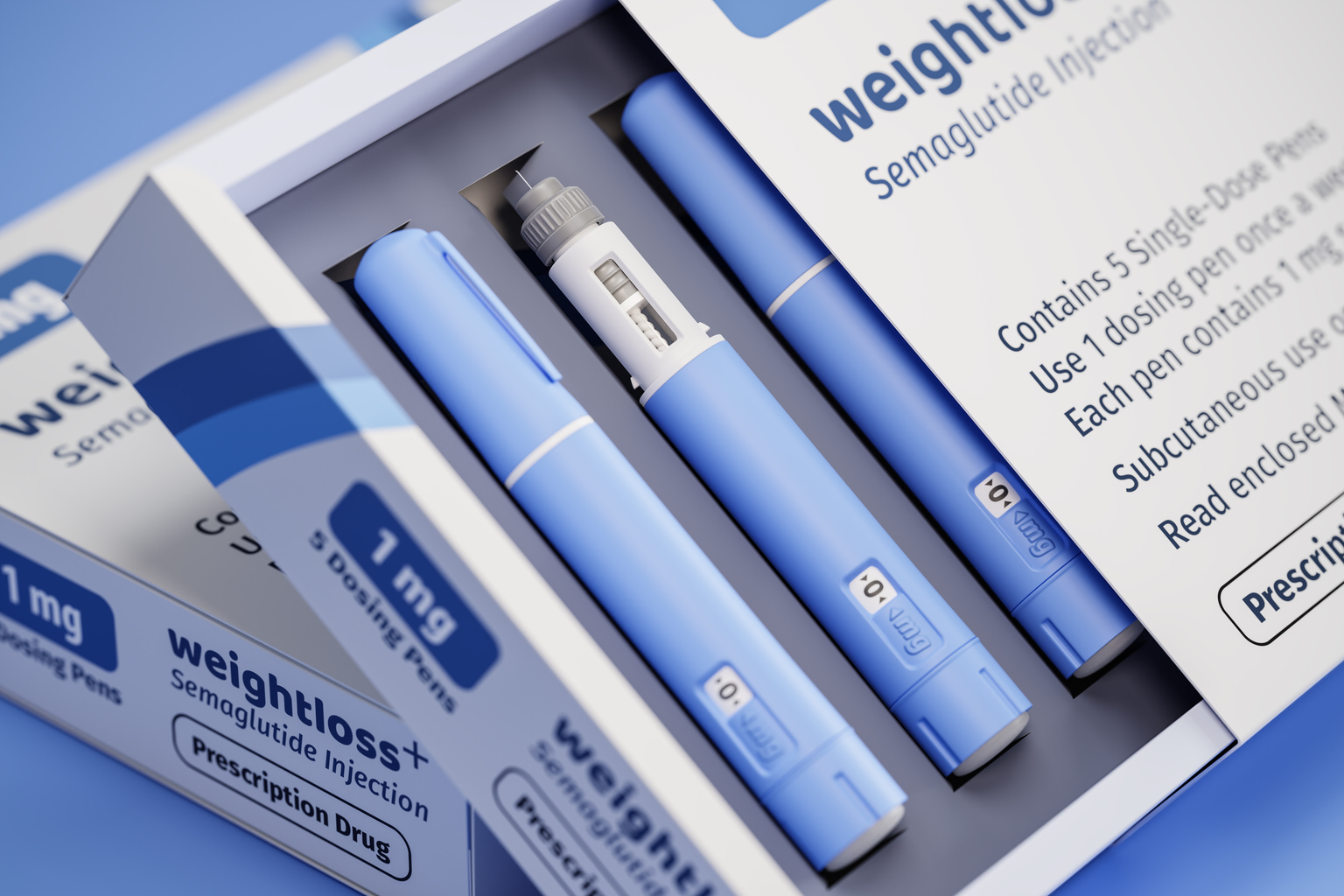
Novo Nordisk's Wegovy Recommended for UK Patients
- Expanded Patient Base: The UK's National Institute for Health and Care Excellence (NICE) has recommended Novo Nordisk's GLP-1 drug Wegovy (semaglutide) for over 1 million patients to prevent strokes and heart attacks, particularly targeting overweight individuals with elevated risks or circulation issues in the legs.
- Clinical Data Support: NICE noted that clinical trial data indicated Wegovy is associated with a reduced risk of heart attack, stroke, or cardiovascular death, with benefits observed even before significant weight loss, highlighting the drug's early efficacy.
- New Indication Coverage: The new recommendations apply to adults who have previously suffered a heart attack or stroke, or have peripheral arterial disease or a body mass index of at least 27, with an estimated 1.2 million people eligible to use semaglutide to mitigate the risk of further heart attacks or strokes.
- Additional Layer of Protection: NICE stated that today's decision provides an extra layer of protection for those who have already experienced heart attacks or strokes, helping to alleviate their fears of recurrence while complementing their existing medications.
See More
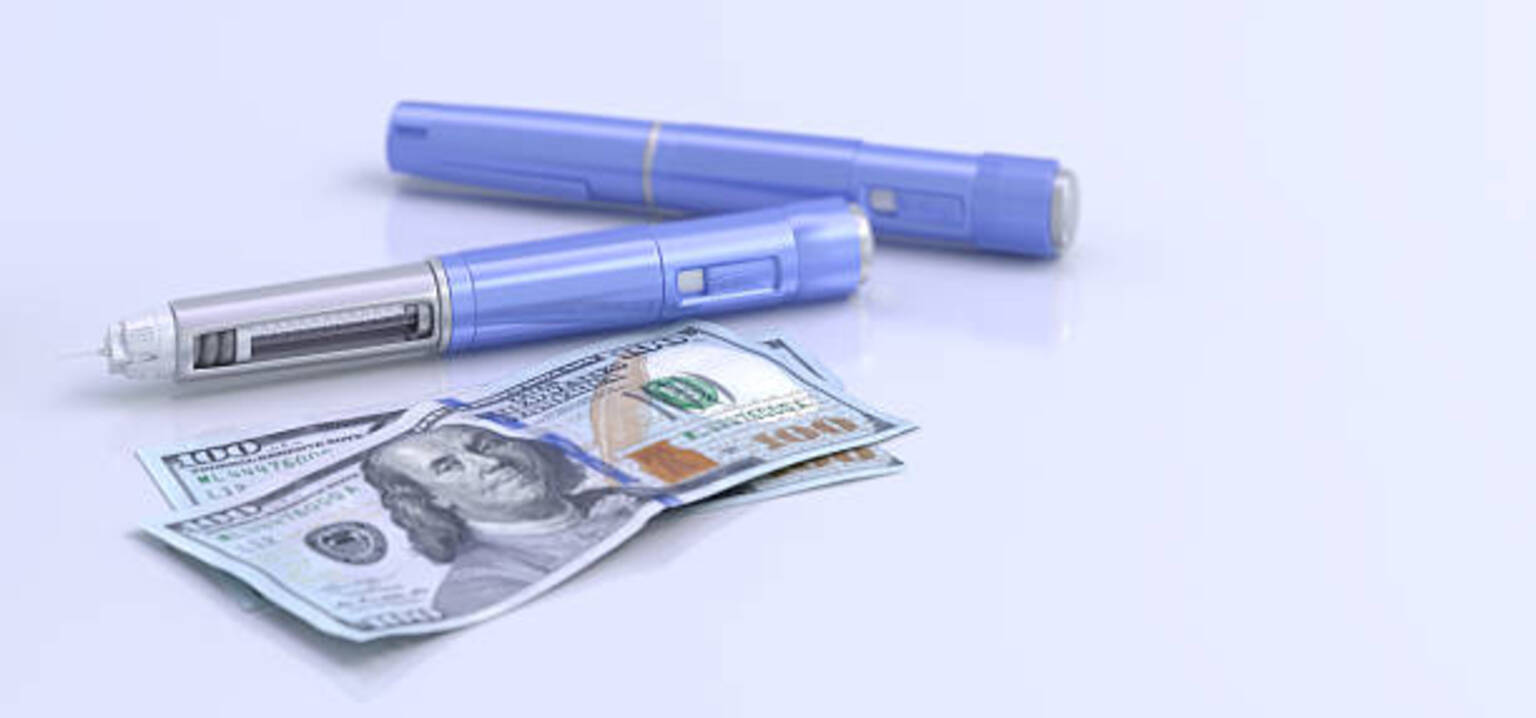
Analysis Challenges Medicare's Weight Loss Drug Coverage Costs
- Annual Spending Forecast: Researchers from Vanderbilt University estimate that covering Novo Nordisk's Wegovy and Ozempic could result in annual spending between $3.9 billion and $4.8 billion, significantly exceeding government expectations and potentially straining Medicare budgets.
- Limited Savings: Although negotiated drug prices are projected to save approximately $933 million in the first year, this only covers 4.4% of the estimated 12.4 million Medicare beneficiaries eligible for the drugs, highlighting the limitations of the coverage scope.
- Potential Insurer Pushback: The authors note that Medicare plans may be reluctant to accept the trade-off of expanding obesity-indication coverage for lower per-fill prices due to potential budget implications, which could delay or alter Medicare policies.
- Policy Impact Assessment: The findings of this study may provoke pushback from Medicare insurers, further influencing future coverage policies for obesity drugs, especially in a tight budget environment.
See More

Trump Administration Plans 100% Tariffs on Imported Pharmaceuticals

- Tariff Policy Shift: The Trump administration is preparing to impose tariffs of up to 100% on branded drugs from companies that have not negotiated price reductions, potentially impacting major pharmaceutical firms like Eli Lilly, Pfizer, and Novo Nordisk, thereby increasing price volatility in the drug market.
- Manufacturing Incentives: Drugmakers can reduce or avoid tariffs by relocating production to the U.S. or negotiating deals with the administration, aiming to stimulate domestic manufacturing and potentially leading to a resurgence of investments in the pharmaceutical sector.
- Tariff Implementation Details: The draft proposal includes a 20% tariff for companies planning to onshore production, escalating to 100% in four years, which could significantly influence the long-term strategic positioning of the pharmaceutical industry.
- National Security Considerations: The tariff proposal stems from a Commerce Department investigation that identified certain pharmaceutical imports as a national security risk, highlighting the government's heightened focus on the security of drug supply chains.
See More

Trump Administration Plans New Tariffs on Pharmaceuticals
- New Tariff Policy: The Trump administration is preparing to impose new tariffs on pharmaceutical companies that have not struck price reduction deals, with patented drugs facing a potential 100% tariff, which could significantly increase costs and impact drug pricing.
- Exemption Pathways: Drugmakers can reduce or avoid tariffs by relocating production to the U.S. or negotiating agreements with the administration, aiming to encourage domestic manufacturing while potentially reshaping drug supply chains.
- Scope of Impact: Since November, over a dozen major drugmakers, including Eli Lilly, Pfizer, and Novo Nordisk, have secured three-year tariff exemptions through agreements with Trump, indicating a strong governmental stance on drug pricing that may alter competitive dynamics in the industry.
- Future Tariff Plans: The draft outlines a 20% tariff for companies planning to onshore production, escalating to 100% in four years, which could have profound implications for the pharmaceutical sector's long-term strategies amid increasing global market competition.
See More
Novo Nordisk Claims Wegovy Superior to New Orforglipron Drug
- Competitive Product Comparison: Following the FDA's approval of Eli Lilly's orforglipron, Novo Nordisk released ORION study data indicating that Wegovy at a 25 mg dose resulted in a 3.2% greater weight loss compared to orforglipron at 36 mg, suggesting Wegovy's competitive edge in the market.
- Positive Market Response: Eli Lilly just announced the approval of orforglipron, and Novo Nordisk's Jamey Millar noted that the Wegovy pill has garnered strong interest from healthcare professionals and patients seeking obesity treatment since its approval, indicating a sustained demand for weight loss medications.
- Study Results Presentation Plans: Novo Nordisk plans to present the ORION study results at the Obesity Medicine Association's annual conference in San Diego next month, which could further validate the efficacy and tolerability of its products and influence future clinical decision-making.
- Patient Preference Survey: An online patient preference study conducted in November revealed that 84% of respondents preferred treatment options similar to oral semaglutide, providing Novo Nordisk with potential opportunities for market differentiation.
See More
Novo Nordisk's Oral Semaglutide Outperforms Competitor in Weight Loss
- Weight Loss Comparison: Novo Nordisk's oral semaglutide 25 mg demonstrated approximately 3 percentage points greater weight loss than orforglipron in the ORION study, indicating a significant therapeutic advantage that could reshape market dynamics.
- Tolerability Advantage: The study revealed that patients on orforglipron had about 14 times higher odds of discontinuing treatment due to side effects, particularly gastrointestinal issues, underscoring semaglutide's superior tolerability profile.
- Patient Preference Survey: An independent patient survey indicated that 84% of participants preferred a treatment profile similar to semaglutide, suggesting high acceptance and potential for increased market demand for this drug.
- Market Reaction: Despite semaglutide's demonstrated efficacy, NVO shares fell 1.8% in pre-market trading, while Eli Lilly's stock also edged down 1%, reflecting market caution regarding the competitive landscape of weight loss medications.
See More
Novo Nordisk's Wegovy Recommended for UK Patients
- Expanded Patient Base: The UK's National Institute for Health and Care Excellence (NICE) has recommended Novo Nordisk's GLP-1 drug Wegovy (semaglutide) for over 1 million patients to prevent strokes and heart attacks, particularly targeting overweight individuals with elevated risks or circulation issues in the legs.
- Clinical Data Support: NICE noted that clinical trial data indicated Wegovy is associated with a reduced risk of heart attack, stroke, or cardiovascular death, with benefits observed even before significant weight loss, highlighting the drug's early efficacy.
- New Indication Coverage: The new recommendations apply to adults who have previously suffered a heart attack or stroke, or have peripheral arterial disease or a body mass index of at least 27, with an estimated 1.2 million people eligible to use semaglutide to mitigate the risk of further heart attacks or strokes.
- Additional Layer of Protection: NICE stated that today's decision provides an extra layer of protection for those who have already experienced heart attacks or strokes, helping to alleviate their fears of recurrence while complementing their existing medications.
See More
Analysis Challenges Medicare's Weight Loss Drug Coverage Costs
- Annual Spending Forecast: Researchers from Vanderbilt University estimate that covering Novo Nordisk's Wegovy and Ozempic could result in annual spending between $3.9 billion and $4.8 billion, significantly exceeding government expectations and potentially straining Medicare budgets.
- Limited Savings: Although negotiated drug prices are projected to save approximately $933 million in the first year, this only covers 4.4% of the estimated 12.4 million Medicare beneficiaries eligible for the drugs, highlighting the limitations of the coverage scope.
- Potential Insurer Pushback: The authors note that Medicare plans may be reluctant to accept the trade-off of expanding obesity-indication coverage for lower per-fill prices due to potential budget implications, which could delay or alter Medicare policies.
- Policy Impact Assessment: The findings of this study may provoke pushback from Medicare insurers, further influencing future coverage policies for obesity drugs, especially in a tight budget environment.
See More
Trump Administration Plans 100% Tariffs on Imported Pharmaceuticals
- Tariff Policy Shift: The Trump administration is preparing to impose tariffs of up to 100% on branded drugs from companies that have not negotiated price reductions, potentially impacting major pharmaceutical firms like Eli Lilly, Pfizer, and Novo Nordisk, thereby increasing price volatility in the drug market.
- Manufacturing Incentives: Drugmakers can reduce or avoid tariffs by relocating production to the U.S. or negotiating deals with the administration, aiming to stimulate domestic manufacturing and potentially leading to a resurgence of investments in the pharmaceutical sector.
- Tariff Implementation Details: The draft proposal includes a 20% tariff for companies planning to onshore production, escalating to 100% in four years, which could significantly influence the long-term strategic positioning of the pharmaceutical industry.
- National Security Considerations: The tariff proposal stems from a Commerce Department investigation that identified certain pharmaceutical imports as a national security risk, highlighting the government's heightened focus on the security of drug supply chains.
See More
Trump Administration Plans New Tariffs on Pharmaceuticals
- New Tariff Policy: The Trump administration is preparing to impose new tariffs on pharmaceutical companies that have not struck price reduction deals, with patented drugs facing a potential 100% tariff, which could significantly increase costs and impact drug pricing.
- Exemption Pathways: Drugmakers can reduce or avoid tariffs by relocating production to the U.S. or negotiating agreements with the administration, aiming to encourage domestic manufacturing while potentially reshaping drug supply chains.
- Scope of Impact: Since November, over a dozen major drugmakers, including Eli Lilly, Pfizer, and Novo Nordisk, have secured three-year tariff exemptions through agreements with Trump, indicating a strong governmental stance on drug pricing that may alter competitive dynamics in the industry.
- Future Tariff Plans: The draft outlines a 20% tariff for companies planning to onshore production, escalating to 100% in four years, which could have profound implications for the pharmaceutical sector's long-term strategies amid increasing global market competition.
See More
Novo Nordisk Claims Wegovy Superior to New Orforglipron Drug
- Competitive Product Comparison: Following the FDA's approval of Eli Lilly's orforglipron, Novo Nordisk released ORION study data indicating that Wegovy at a 25 mg dose resulted in a 3.2% greater weight loss compared to orforglipron at 36 mg, suggesting Wegovy's competitive edge in the market.
- Positive Market Response: Eli Lilly just announced the approval of orforglipron, and Novo Nordisk's Jamey Millar noted that the Wegovy pill has garnered strong interest from healthcare professionals and patients seeking obesity treatment since its approval, indicating a sustained demand for weight loss medications.
- Study Results Presentation Plans: Novo Nordisk plans to present the ORION study results at the Obesity Medicine Association's annual conference in San Diego next month, which could further validate the efficacy and tolerability of its products and influence future clinical decision-making.
- Patient Preference Survey: An online patient preference study conducted in November revealed that 84% of respondents preferred treatment options similar to oral semaglutide, providing Novo Nordisk with potential opportunities for market differentiation.
See More
Novo Nordisk's Oral Semaglutide Outperforms Competitor in Weight Loss
- Weight Loss Comparison: Novo Nordisk's oral semaglutide 25 mg demonstrated approximately 3 percentage points greater weight loss than orforglipron in the ORION study, indicating a significant therapeutic advantage that could reshape market dynamics.
- Tolerability Advantage: The study revealed that patients on orforglipron had about 14 times higher odds of discontinuing treatment due to side effects, particularly gastrointestinal issues, underscoring semaglutide's superior tolerability profile.
- Patient Preference Survey: An independent patient survey indicated that 84% of participants preferred a treatment profile similar to semaglutide, suggesting high acceptance and potential for increased market demand for this drug.
- Market Reaction: Despite semaglutide's demonstrated efficacy, NVO shares fell 1.8% in pre-market trading, while Eli Lilly's stock also edged down 1%, reflecting market caution regarding the competitive landscape of weight loss medications.
See More