Elon Musk Hasn't Sold Tesla Stock in Three Years, Bought $1 Billion Worth Last Year
Written by Emily J. Thompson, Senior Investment Analyst
Updated: Jan 19 2026
0mins
Source: Benzinga
- Stock Stability: Elon Musk stated he hasn't sold Tesla stock in three years and instead purchased over 2.57 million shares last year, valued at nearly $1 billion, demonstrating his confidence and commitment to the company's future.
- Lithium Refinery Launch: Tesla's newly established lithium refinery in the U.S. is the first of its kind in North America, aimed at extracting lithium oxide from spodumene, which is expected to positively impact Tesla's energy storage business and strengthen its market position.
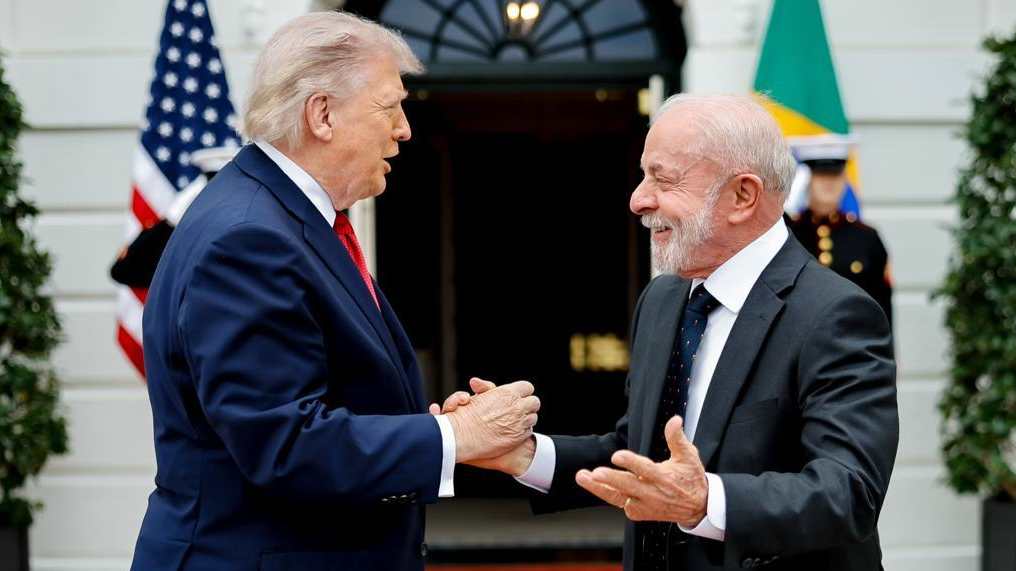
- Market Reactions: While Musk's holding strategy garners attention, Ross Gerber, co-founder of Gerber Kawasaki, noted that Musk's close ties with Trump could negatively affect the EV sector, reflecting a complex market perception of his leadership.
- Future Prospects: ARK Invest's CEO Cathie Wood praised SpaceX as a potential trillion-dollar company, even as ARK recently sold Tesla shares worth about $37.8 million, indicating investor interest in Musk's diversified ventures.
Trade with 70% Backtested Accuracy
Stop guessing "Should I Buy TSLA?" and start using high-conviction signals backed by rigorous historical data.
Sign up today to access powerful investing tools and make smarter, data-driven decisions.
Analyst Views on TSLA
Wall Street analysts forecast TSLA stock price to fall
30 Analyst Rating
12 Buy
11 Hold
7 Sell
Hold
Current: 417.260

Low
25.28
Averages
401.93
High
600.00
Current: 417.260
Low
25.28
Averages
401.93
High
600.00
About TSLA
Tesla, Inc. designs, develops, manufactures, sells and leases high-performance fully electric vehicles and energy generation and storage systems, and offers services related to its products. Its segments include automotive, and energy generation and storage. The automotive segment includes the design, development, manufacturing, sales and leasing of high-performance fully electric vehicles, and sales of automotive regulatory credits. It also includes sales of used vehicles, non-warranty maintenance services and collisions, part sales, paid supercharging, insurance services revenue and retail merchandise sales. The energy generation and storage segment include the design, manufacture, installation, sales and leasing of solar energy generation and energy storage products and related services and sales of solar energy systems incentives. Its consumer vehicles include the Model 3, Y, S, X and Cybertruck. Its lithium-ion battery energy storage products include Powerwall and Megapack.
About the author

Emily J. Thompson
Emily J. Thompson, a Chartered Financial Analyst (CFA) with 12 years in investment research, graduated with honors from the Wharton School. Specializing in industrial and technology stocks, she provides in-depth analysis for Intellectia’s earnings and market brief reports.
SpaceX's Unique Lock-Up Structure in IPO Filing

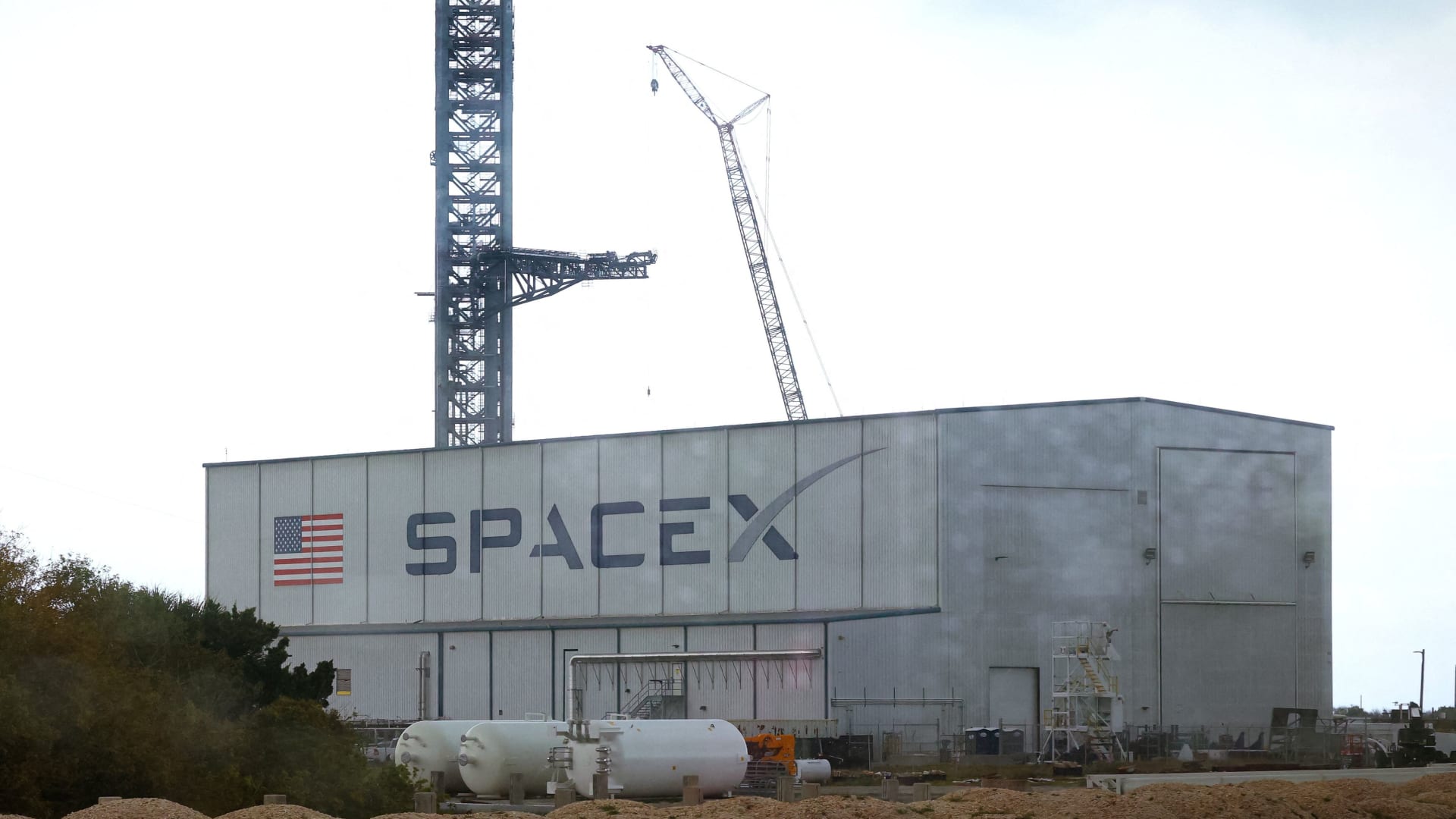
- Innovative Lock-Up Structure: SpaceX's IPO filing introduces a unique lock-up structure that allows insiders to sell shares in phases after the IPO, thereby mitigating the stock pressure typically associated with a traditional lock-up expiration while potentially increasing the float sooner.
- Phased Selling Mechanism: According to the S-1 filing, insiders can sell up to 20% of their locked shares after the first earnings report, with an additional 10% if the stock trades 30% above the IPO price, which will help enhance market liquidity.
- Nasdaq Inclusion Strategy: This lock-up structure is a response to new Nasdaq rules allowing companies with market caps above the top 40 members to be included in the Nasdaq 100 index weeks after their IPO, with SpaceX expected to qualify, thus attracting more institutional investors.
- Founder Lock-Up Clause: While insiders can gradually sell shares, founder Elon Musk will remain locked up and cannot participate in the early-release provisions, a measure aimed at maintaining market stability and boosting investor confidence.
See More
Tesla's $2 Billion Investment in xAI Redirects to SpaceX, Impacts Shareholders

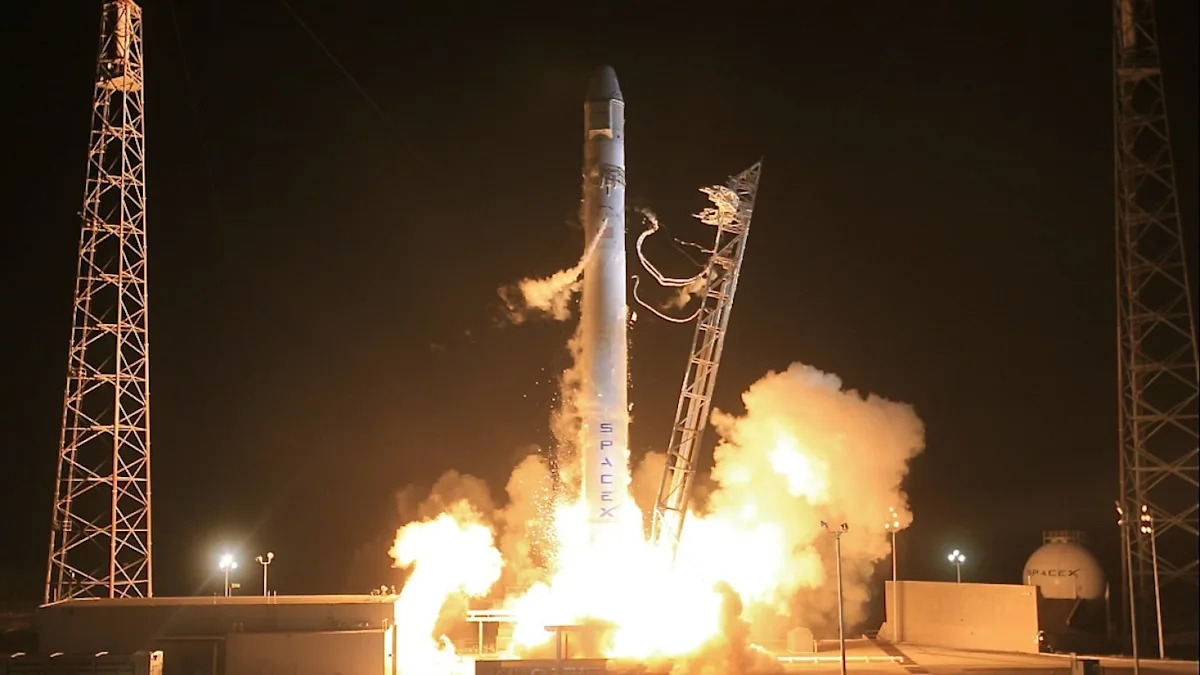
- Investment Restructuring: In January 2026, Tesla entered into a $2 billion agreement with xAI to purchase redeemable convertible preferred stock, which was followed by the merger with xAI in February, redirecting Tesla's AI capital stake directly to SpaceX and altering its shareholder structure.
- Equity Shift: Post-merger, Tesla acquired rights to SpaceX Class A common stock, and as of May 2026, holds 18,990,195 shares, representing approximately 0.1% of total outstanding shares, indicating a significant shift in Tesla's investment strategy.
- Terafab Initiative: SpaceX announced a collaboration with Tesla in March 2026 to launch the Terafab project aimed at producing one terawatt of computing hardware annually, with Intel joining in April, highlighting Tesla's critical role in semiconductor R&D.
- Market Reaction: Despite Tesla's cash reserves reaching $44.74 billion in Q1 2026, a 173.62% year-over-year increase, the market remains skeptical about the likelihood of a merger with xAI, raising concerns about potential impacts on Tesla shareholders' interests.
See More

Big Tech Earnings Boost AI Investment Sentiment


- Nvidia Leads Growth: Among the so-called Magnificent Seven, Nvidia's sales continue to surge due to strong demand for AI infrastructure, solidifying its position as the world's most valuable company and showcasing its market dominance.
- Debt Financing Surge: To support their ambitious AI plans, the Magnificent Seven have significantly increased bond market financing, with debt issuance reaching $134 billion this year, far exceeding 2025's total of $87.5 billion, primarily driven by Alphabet, Amazon, and Meta.
- Stock Market Rebound Confidence: Despite early-year volatility, tech giants' stocks have rebounded as investors regain confidence in the long-term prospects of technology, particularly as Alphabet's cloud growth exceeded expectations, nearly surpassing Nvidia as the most valuable company globally.
- Capital Expenditure Acceleration: Capital spending among S&P 500 companies is projected to accelerate sharply by 33% over the next few years, raising concerns about the cash available for shareholder returns, which may impact future shareholder return strategies.
See More
SpaceX IPO Could Significantly Impact Tesla's Future
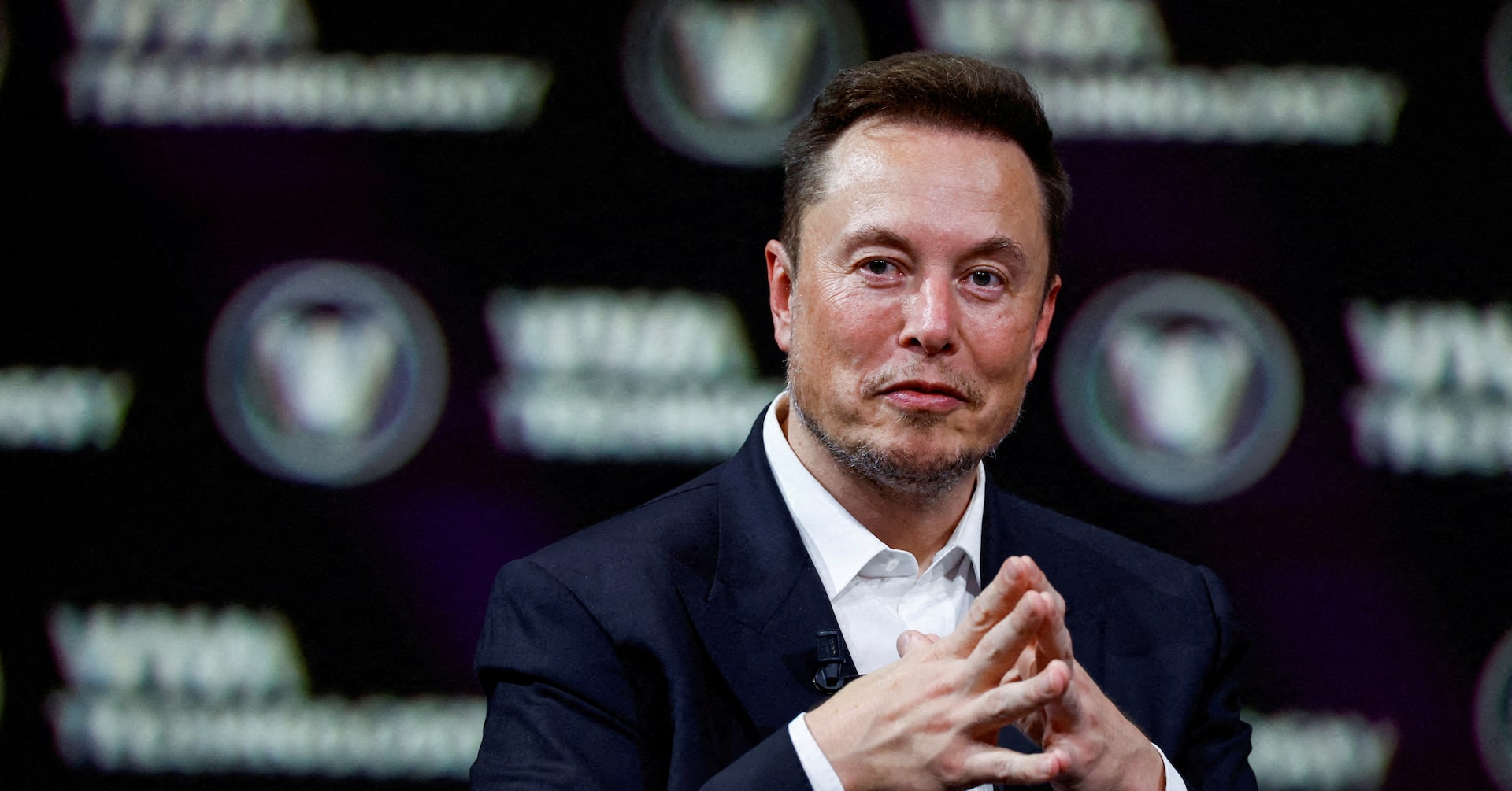
- Merger Outlook: Wedbush Securities analyst Dan Ives predicts that SpaceX and Tesla will merge by 2027, indicating that the groundwork for integration is already in place, which could enhance their competitive positioning in the market.
- Investment Conversion: Tesla's $2 billion investment in xAI has converted into SpaceX shares, further solidifying the financial ties between the two companies, which may provide funding support for a future merger.
- Joint Facility Development: The announcement of a joint Terafab facility between SpaceX and Tesla enhances operational overlap, significantly increasing the feasibility of a merger and demonstrating the synergistic effects of their technological and resource collaboration.
- Revenue Growth: Since 2023, Tesla has booked approximately $890 million in revenue related to SpaceX and xAI, indicating that the business connections between the two are generating substantial financial returns for Tesla.
See More
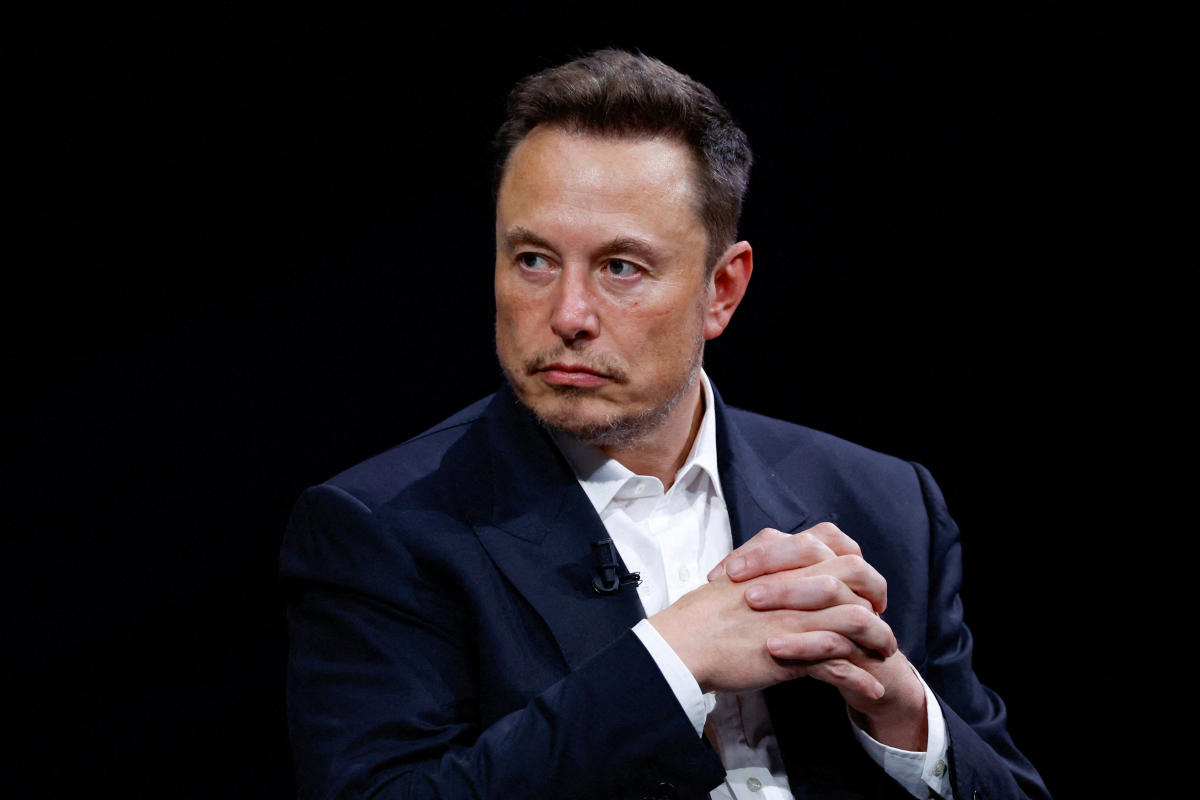
SpaceX IPO Filing Reveals Musk's Influential Board Structure
- Board Structure: SpaceX's board members are closely tied to Elon Musk's business network, involving companies like Tesla, Google, and PayPal, indicating Musk's sustained influence in corporate governance.
- Concentration of Influence: The board's structure reflects the concentration of influence around Musk, who serves as chairman, CEO, and CTO, and holds compensation awards linked to market value and Mars colonization plans.
- Compensation Awards: Musk's compensation is tied to milestones such as a $7.5 trillion market value and the establishment of a permanent Mars colony with one million inhabitants, showcasing the company's ambitious future vision.
- Investment Background: Board members are connected to several venture firms that have financed multiple Musk ventures over the past two decades, further solidifying Musk's influence in the tech industry.
See More
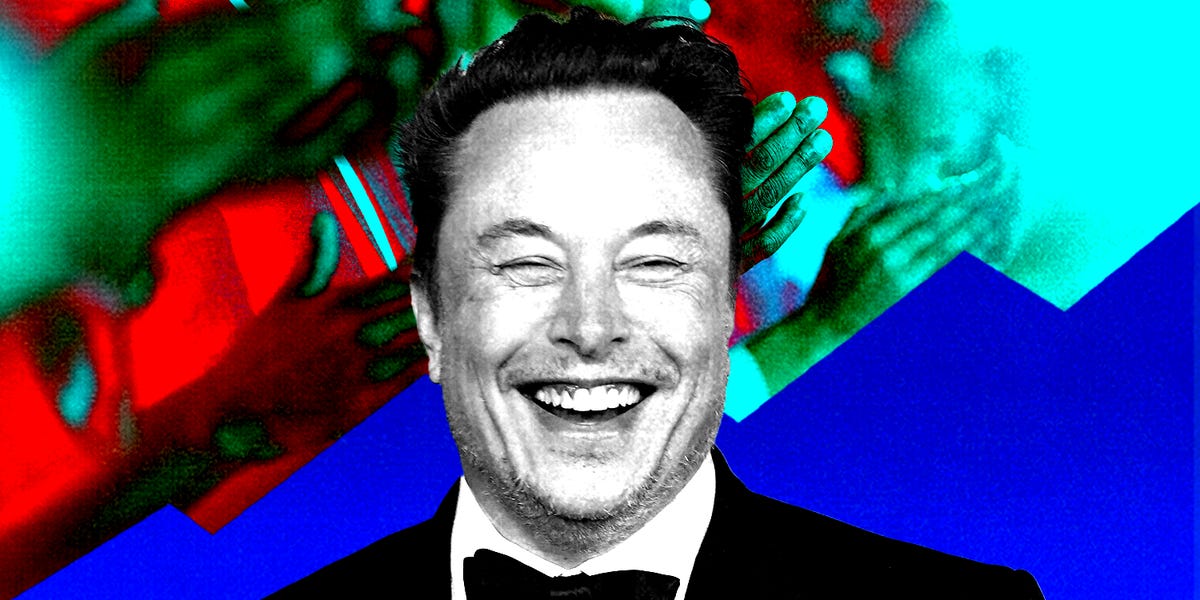
SpaceX IPO: A High-Stakes Bet on Musk's Vision
- IPO Valuation Challenge: SpaceX aims for a nearly $2 trillion IPO valuation despite reporting a staggering $4.28 billion loss in Q1 2023, indicating significant execution risks that could undermine investor confidence in its future growth prospects.
- Revenue vs. Losses: While Starlink's revenue surged nearly one-third year-over-year to $3.26 billion in the same quarter, profit margins were pressured by international expansion and other expenses, highlighting the company's challenges in achieving profitability.
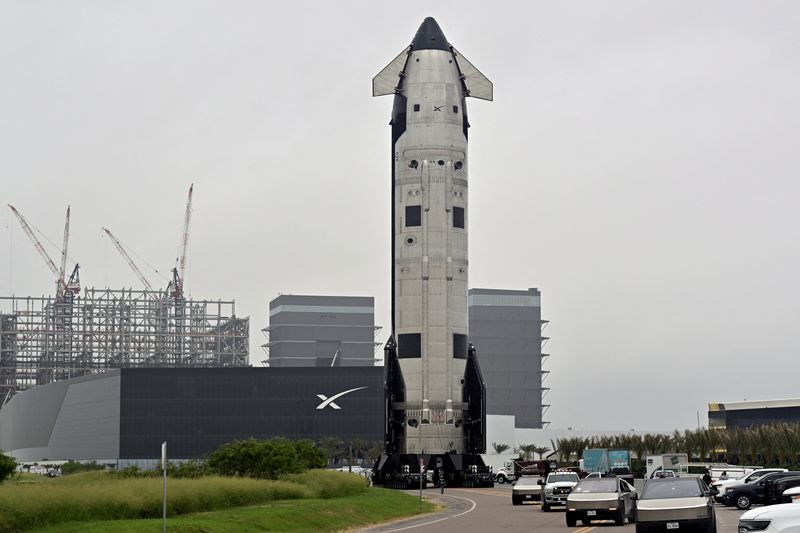
- Strategic Dependence on Starship: SpaceX underscores that the success of Starship is critical to its growth strategy, warning that any delays or cost overruns could hinder the deployment of next-generation satellites and AI infrastructure, impacting customer retention and market expansion.
- Complex Business Model: SpaceX's business model is complex and interdependent, where disruptions in any single component can have cascading effects on overall operations, especially as its AI business losses ballooned to $2.47 billion, reflecting immense technological and financial pressures.
See More
SpaceX's Unique Lock-Up Structure in IPO Filing
- Innovative Lock-Up Structure: SpaceX's IPO filing introduces a unique lock-up structure that allows insiders to sell shares in phases after the IPO, thereby mitigating the stock pressure typically associated with a traditional lock-up expiration while potentially increasing the float sooner.
- Phased Selling Mechanism: According to the S-1 filing, insiders can sell up to 20% of their locked shares after the first earnings report, with an additional 10% if the stock trades 30% above the IPO price, which will help enhance market liquidity.
- Nasdaq Inclusion Strategy: This lock-up structure is a response to new Nasdaq rules allowing companies with market caps above the top 40 members to be included in the Nasdaq 100 index weeks after their IPO, with SpaceX expected to qualify, thus attracting more institutional investors.
- Founder Lock-Up Clause: While insiders can gradually sell shares, founder Elon Musk will remain locked up and cannot participate in the early-release provisions, a measure aimed at maintaining market stability and boosting investor confidence.
See More
Tesla's $2 Billion Investment in xAI Redirects to SpaceX, Impacts Shareholders
- Investment Restructuring: In January 2026, Tesla entered into a $2 billion agreement with xAI to purchase redeemable convertible preferred stock, which was followed by the merger with xAI in February, redirecting Tesla's AI capital stake directly to SpaceX and altering its shareholder structure.
- Equity Shift: Post-merger, Tesla acquired rights to SpaceX Class A common stock, and as of May 2026, holds 18,990,195 shares, representing approximately 0.1% of total outstanding shares, indicating a significant shift in Tesla's investment strategy.
- Terafab Initiative: SpaceX announced a collaboration with Tesla in March 2026 to launch the Terafab project aimed at producing one terawatt of computing hardware annually, with Intel joining in April, highlighting Tesla's critical role in semiconductor R&D.
- Market Reaction: Despite Tesla's cash reserves reaching $44.74 billion in Q1 2026, a 173.62% year-over-year increase, the market remains skeptical about the likelihood of a merger with xAI, raising concerns about potential impacts on Tesla shareholders' interests.
See More
Big Tech Earnings Boost AI Investment Sentiment
- Nvidia Leads Growth: Among the so-called Magnificent Seven, Nvidia's sales continue to surge due to strong demand for AI infrastructure, solidifying its position as the world's most valuable company and showcasing its market dominance.
- Debt Financing Surge: To support their ambitious AI plans, the Magnificent Seven have significantly increased bond market financing, with debt issuance reaching $134 billion this year, far exceeding 2025's total of $87.5 billion, primarily driven by Alphabet, Amazon, and Meta.
- Stock Market Rebound Confidence: Despite early-year volatility, tech giants' stocks have rebounded as investors regain confidence in the long-term prospects of technology, particularly as Alphabet's cloud growth exceeded expectations, nearly surpassing Nvidia as the most valuable company globally.
- Capital Expenditure Acceleration: Capital spending among S&P 500 companies is projected to accelerate sharply by 33% over the next few years, raising concerns about the cash available for shareholder returns, which may impact future shareholder return strategies.
See More
SpaceX IPO Could Significantly Impact Tesla's Future
- Merger Outlook: Wedbush Securities analyst Dan Ives predicts that SpaceX and Tesla will merge by 2027, indicating that the groundwork for integration is already in place, which could enhance their competitive positioning in the market.
- Investment Conversion: Tesla's $2 billion investment in xAI has converted into SpaceX shares, further solidifying the financial ties between the two companies, which may provide funding support for a future merger.
- Joint Facility Development: The announcement of a joint Terafab facility between SpaceX and Tesla enhances operational overlap, significantly increasing the feasibility of a merger and demonstrating the synergistic effects of their technological and resource collaboration.
- Revenue Growth: Since 2023, Tesla has booked approximately $890 million in revenue related to SpaceX and xAI, indicating that the business connections between the two are generating substantial financial returns for Tesla.
See More
SpaceX IPO Filing Reveals Musk's Influential Board Structure
- Board Structure: SpaceX's board members are closely tied to Elon Musk's business network, involving companies like Tesla, Google, and PayPal, indicating Musk's sustained influence in corporate governance.
- Concentration of Influence: The board's structure reflects the concentration of influence around Musk, who serves as chairman, CEO, and CTO, and holds compensation awards linked to market value and Mars colonization plans.
- Compensation Awards: Musk's compensation is tied to milestones such as a $7.5 trillion market value and the establishment of a permanent Mars colony with one million inhabitants, showcasing the company's ambitious future vision.
- Investment Background: Board members are connected to several venture firms that have financed multiple Musk ventures over the past two decades, further solidifying Musk's influence in the tech industry.
See More
SpaceX IPO: A High-Stakes Bet on Musk's Vision
- IPO Valuation Challenge: SpaceX aims for a nearly $2 trillion IPO valuation despite reporting a staggering $4.28 billion loss in Q1 2023, indicating significant execution risks that could undermine investor confidence in its future growth prospects.
- Revenue vs. Losses: While Starlink's revenue surged nearly one-third year-over-year to $3.26 billion in the same quarter, profit margins were pressured by international expansion and other expenses, highlighting the company's challenges in achieving profitability.
- Strategic Dependence on Starship: SpaceX underscores that the success of Starship is critical to its growth strategy, warning that any delays or cost overruns could hinder the deployment of next-generation satellites and AI infrastructure, impacting customer retention and market expansion.
- Complex Business Model: SpaceX's business model is complex and interdependent, where disruptions in any single component can have cascading effects on overall operations, especially as its AI business losses ballooned to $2.47 billion, reflecting immense technological and financial pressures.
See More