Eli Lilly Acquires Ventyx Biosciences for $1.2 Billion, Strategizing Beyond Weight Management Drugs
Written by Emily J. Thompson, Senior Investment Analyst
Updated: Jan 17 2026
0mins
Source: Fool
- Acquisition Strategy: Eli Lilly's acquisition of Ventyx Biosciences for $1.2 billion in cash enhances its drug pipeline focused on neurodegenerative and cardiovascular diseases, thereby reducing reliance on the weight management market.
- Drug Potential: Ventyx's VTX3232 has shown promise in reducing cardiovascular risk in obese patients, and when paired with semaglutide, it significantly lowers inflammation and cardiovascular risk markers, indicating its potential use in high-risk patients.
- Market Reaction: Following the acquisition announcement, Eli Lilly's stock price rose, reflecting market approval of its strategy to expand its drug pipeline, with future data releases expected to have minimal impact on stock fluctuations.
- Ongoing Investments: Eli Lilly has strengthened its portfolio through multiple acquisitions and licensing agreements, including SiteOne Therapeutics and Verve Therapeutics, demonstrating its commitment to expanding in the cardiovascular and oncology sectors.
Trade with 70% Backtested Accuracy
Stop guessing "Should I Buy LLY?" and start using high-conviction signals backed by rigorous historical data.
Sign up today to access powerful investing tools and make smarter, data-driven decisions.
Analyst Views on LLY
Wall Street analysts forecast LLY stock price to rise
20 Analyst Rating
18 Buy
2 Hold
0 Sell
Strong Buy
Current: 1126.800

Low
950.00
Averages
1192
High
1500
Current: 1126.800
Low
950.00
Averages
1192
High
1500
About LLY
Eli Lilly and Company is a medicine company, which discovers, develops, manufactures, and market products in a single business segment called human pharmaceutical products. The Company manufacture and distribute its products through facilities in the United States, including Puerto Rico, and in Europe and Asia. The Company’s products are sold in approximately 90 countries. Its Cardiometabolic Health products Basaglar; Humalog, Humalog Mix 75/25, Humalog U-100, Humalog U-200, Humalog Mix 50/50, insulin lispro, and others; Humulin, Humulin 70/30, and others; Jardiance; Mounjaro; Trulicity; Zepbound, and others. Its oncology products include Cyramza, Erbitux, Tyvyt, Verzenio, Retevmo, Jaypirca, and others. Its immunology products include Ebglyss, Olumiant, Omvoh, and Taltz. Its neuroscience products include Emgality and Kisunla. Its LillyDirect, a direct-to-patient digital health care platform, provides delivery of select Lilly medicines dispensed by third-party pharmacies to patients.
About the author

Emily J. Thompson
Emily J. Thompson, a Chartered Financial Analyst (CFA) with 12 years in investment research, graduated with honors from the Wharton School. Specializing in industrial and technology stocks, she provides in-depth analysis for Intellectia’s earnings and market brief reports.
Eli Lilly's Cancer Therapy Significantly Reduces Recurrence Risk
- Clinical Trial Results: Eli Lilly's targeted cancer therapy Retevmo demonstrated an 83% reduction in the risk of recurrence or death in early-stage RET fusion-positive non-small cell lung cancer patients, a significant finding that could influence treatment practices.
- Event-Free Survival Improvement: Among patients with stage II-IIIA disease, the 24-month event-free survival rate was 92% for those treated with selpercatinib, compared to 61% for the placebo group, highlighting the drug's substantial advantage in prolonging survival.
- Global Patient Recruitment: The trial enrolled 151 patients who were randomized to receive either selpercatinib or placebo for up to three years, providing robust evidence for the application of targeted therapies in early lung cancer treatment.
- Safety Profile and Regulatory Plans: While there were adverse events such as elevated liver enzymes, Eli Lilly noted these could be managed through dose adjustments, and plans to submit LIBRETTO-432 data to global regulators for approval in the adjuvant setting.
See More
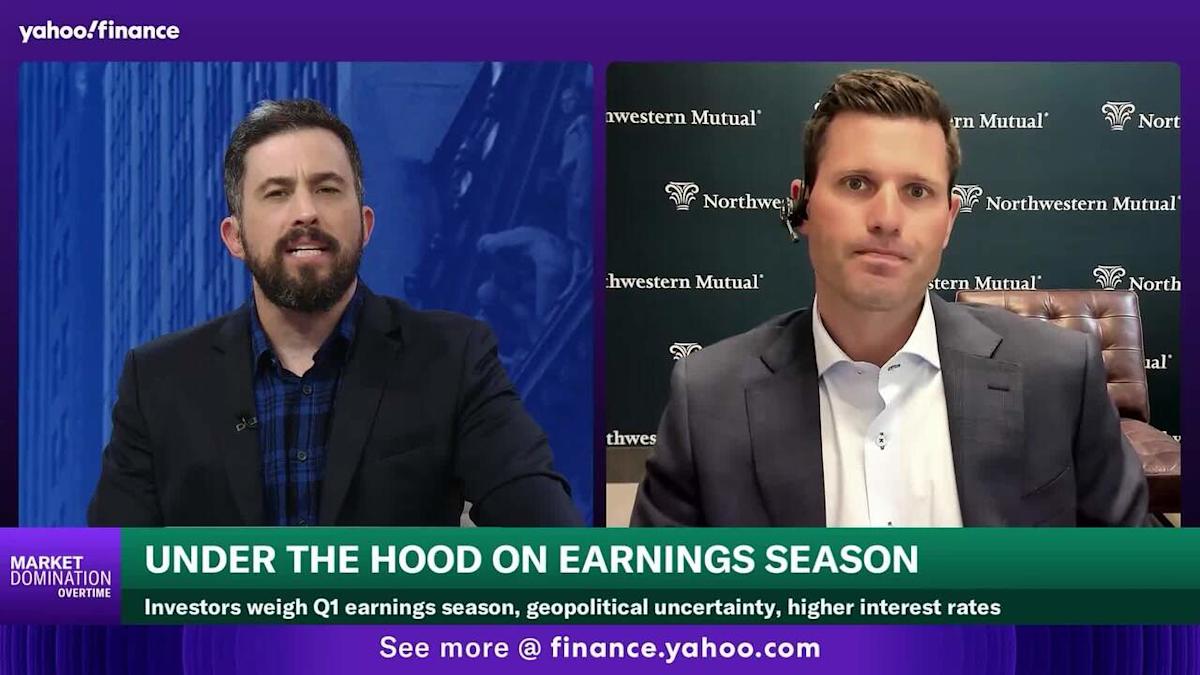
Wall Street Seeks Broader Market Leadership Amid Stellar Earnings

- Market Fragility Concerns: Despite stellar earnings driving stock indexes to all-time highs, Wall Street is worried about narrow leadership, as Matt Stucky, Chief Portfolio Manager at Northwestern Mutual Wealth Management, noted that such concentration could exacerbate market fragility and impact investor confidence.
- Semiconductor Sector Drive: Micron Technology (MU) crossed the $1 trillion market cap for the first time, becoming the 11th largest public company in the U.S., with its sharp rally contributing 18 points to the S&P 500, highlighting the strong performance of semiconductor and memory-related stocks in propelling the market.
- AI Supercycle: With accelerating demand for AI servers, Dell (DELL) saw its stock soar over 50% last week, while Hewlett Packard (HPE) jumped 12%, indicating that AI-related stocks are leading a new wave of investment interest and attracting more investor attention.
- Future Market Outlook: UBS strategists expect the S&P 500 to rise further in the medium term, targeting 7,900 points, emphasizing that market leadership will broaden beyond megacaps, and recommending diversification into global healthcare, industrials, and infrastructure to navigate market volatility.
See More

Eli Lilly's Retevmo Phase 3 Trial Shows Significant Efficacy
- Clinical Trial Results: Eli Lilly's Retevmo demonstrated significant efficacy in the Phase 3 LIBRETTO-432 trial, achieving a statistically significant 83% reduction in the risk of disease recurrence or death, providing a new treatment option for early-stage RET fusion-positive NSCLC patients.
- Survival Rate Improvement: At a median follow-up of 24 months, the 24-month EFS rate was 92% for the Retevmo group compared to 61% for placebo, indicating Retevmo's potential to improve patient survival rates and possibly change treatment standards.
- Safety Profile: The safety profile of Retevmo was consistent with prior trials, with 17% experiencing elevated ALT and 19% elevated AST, but these adverse events were manageable with dose modifications, indicating good tolerability in clinical settings.
- Market Reaction: Although Eli Lilly's stock price dipped slightly to $1,103.63 following the trial results, the positive clinical data may drive future stock recovery and enhance investor confidence.
See More
LIBRETTO-432 Trial Results Significantly Improve Early Lung Cancer Prognosis
- Clinical Trial Success: Eli Lilly's LIBRETTO-432 trial demonstrates that Retevmo (selpercatinib) as adjuvant therapy significantly improves event-free survival (EFS) in early-stage RET fusion-positive non-small cell lung cancer patients, reducing the risk of recurrence or death by 83%, thus providing a new treatment option for early lung cancer patients.
- Data Publication and Presentation: The trial results will be published in the New England Journal of Medicine and presented at the 2026 ASCO Annual Meeting, highlighting the significance of this research in lung cancer treatment and potentially prompting changes in clinical practice.
- Patient Recruitment and Analysis: A total of 151 patients were enrolled in the trial, randomized to receive either Retevmo or placebo, and after a median follow-up of 24 months, the EFS rate was 94% in the Retevmo group compared to 70% in the placebo group, showcasing the significant efficacy of Retevmo.
- Safety and Tolerability: The safety profile of Retevmo aligns with previous studies, with the most common adverse events being elevated ALT and AST at 17% and 19%, respectively, which can be effectively managed through dose adjustments, ensuring patient safety during treatment.
See More

Stock Market Reaches New Highs on Iran Deal Hopes


- Market Highs: The stock market reached new highs driven by optimistic expectations surrounding the Iran deal, reflecting investor confidence in future economic recovery and potentially attracting more capital inflows.
- Tech Titans Performance: Nvidia and Tesla, among five trillion-dollar companies nearing buy points, indicate strong market interest in tech stocks, which could lead to further price increases in these sectors.
- Improved Investor Sentiment: As market sentiment improves, investors are showing a greater preference for risk assets, which may result in increased capital flowing into high-growth industries, further propelling stock market gains.
- Economic Recovery Outlook: The anticipation of the Iran deal not only boosts short-term stock performance but also lays the groundwork for long-term economic recovery, drawing more investor attention to opportunities in related sectors.
See More

Stock Market Reaches New Highs on Iran Deal Hopes
- Market Highs: The stock market reached new highs driven by optimistic expectations surrounding an Iran deal, reflecting investor confidence in future economic recovery, which may attract more capital inflows into the market.
- Tech Giants Performance: Nvidia and Tesla, among five trillion-dollar companies nearing buy points, indicate potential investment opportunities in these tech stocks as the market rebounds, further propelling overall market gains.
- Improved Investor Sentiment: With the improvement in market sentiment, investor interest in high-risk assets has increased, potentially leading to a shift of funds from the bond market to the stock market, enhancing the upward momentum of equities.
- Economic Recovery Expectations: The optimism surrounding the Iran deal not only boosts stock market performance but may also promote recovery in related sectors, particularly in energy and technology, further driving economic growth.
See More
Eli Lilly's Cancer Therapy Significantly Reduces Recurrence Risk
- Clinical Trial Results: Eli Lilly's targeted cancer therapy Retevmo demonstrated an 83% reduction in the risk of recurrence or death in early-stage RET fusion-positive non-small cell lung cancer patients, a significant finding that could influence treatment practices.
- Event-Free Survival Improvement: Among patients with stage II-IIIA disease, the 24-month event-free survival rate was 92% for those treated with selpercatinib, compared to 61% for the placebo group, highlighting the drug's substantial advantage in prolonging survival.
- Global Patient Recruitment: The trial enrolled 151 patients who were randomized to receive either selpercatinib or placebo for up to three years, providing robust evidence for the application of targeted therapies in early lung cancer treatment.
- Safety Profile and Regulatory Plans: While there were adverse events such as elevated liver enzymes, Eli Lilly noted these could be managed through dose adjustments, and plans to submit LIBRETTO-432 data to global regulators for approval in the adjuvant setting.
See More
Wall Street Seeks Broader Market Leadership Amid Stellar Earnings
- Market Fragility Concerns: Despite stellar earnings driving stock indexes to all-time highs, Wall Street is worried about narrow leadership, as Matt Stucky, Chief Portfolio Manager at Northwestern Mutual Wealth Management, noted that such concentration could exacerbate market fragility and impact investor confidence.
- Semiconductor Sector Drive: Micron Technology (MU) crossed the $1 trillion market cap for the first time, becoming the 11th largest public company in the U.S., with its sharp rally contributing 18 points to the S&P 500, highlighting the strong performance of semiconductor and memory-related stocks in propelling the market.
- AI Supercycle: With accelerating demand for AI servers, Dell (DELL) saw its stock soar over 50% last week, while Hewlett Packard (HPE) jumped 12%, indicating that AI-related stocks are leading a new wave of investment interest and attracting more investor attention.
- Future Market Outlook: UBS strategists expect the S&P 500 to rise further in the medium term, targeting 7,900 points, emphasizing that market leadership will broaden beyond megacaps, and recommending diversification into global healthcare, industrials, and infrastructure to navigate market volatility.
See More
Eli Lilly's Retevmo Phase 3 Trial Shows Significant Efficacy
- Clinical Trial Results: Eli Lilly's Retevmo demonstrated significant efficacy in the Phase 3 LIBRETTO-432 trial, achieving a statistically significant 83% reduction in the risk of disease recurrence or death, providing a new treatment option for early-stage RET fusion-positive NSCLC patients.
- Survival Rate Improvement: At a median follow-up of 24 months, the 24-month EFS rate was 92% for the Retevmo group compared to 61% for placebo, indicating Retevmo's potential to improve patient survival rates and possibly change treatment standards.
- Safety Profile: The safety profile of Retevmo was consistent with prior trials, with 17% experiencing elevated ALT and 19% elevated AST, but these adverse events were manageable with dose modifications, indicating good tolerability in clinical settings.
- Market Reaction: Although Eli Lilly's stock price dipped slightly to $1,103.63 following the trial results, the positive clinical data may drive future stock recovery and enhance investor confidence.
See More
LIBRETTO-432 Trial Results Significantly Improve Early Lung Cancer Prognosis
- Clinical Trial Success: Eli Lilly's LIBRETTO-432 trial demonstrates that Retevmo (selpercatinib) as adjuvant therapy significantly improves event-free survival (EFS) in early-stage RET fusion-positive non-small cell lung cancer patients, reducing the risk of recurrence or death by 83%, thus providing a new treatment option for early lung cancer patients.
- Data Publication and Presentation: The trial results will be published in the New England Journal of Medicine and presented at the 2026 ASCO Annual Meeting, highlighting the significance of this research in lung cancer treatment and potentially prompting changes in clinical practice.
- Patient Recruitment and Analysis: A total of 151 patients were enrolled in the trial, randomized to receive either Retevmo or placebo, and after a median follow-up of 24 months, the EFS rate was 94% in the Retevmo group compared to 70% in the placebo group, showcasing the significant efficacy of Retevmo.
- Safety and Tolerability: The safety profile of Retevmo aligns with previous studies, with the most common adverse events being elevated ALT and AST at 17% and 19%, respectively, which can be effectively managed through dose adjustments, ensuring patient safety during treatment.
See More
Stock Market Reaches New Highs on Iran Deal Hopes
- Market Highs: The stock market reached new highs driven by optimistic expectations surrounding the Iran deal, reflecting investor confidence in future economic recovery and potentially attracting more capital inflows.
- Tech Titans Performance: Nvidia and Tesla, among five trillion-dollar companies nearing buy points, indicate strong market interest in tech stocks, which could lead to further price increases in these sectors.
- Improved Investor Sentiment: As market sentiment improves, investors are showing a greater preference for risk assets, which may result in increased capital flowing into high-growth industries, further propelling stock market gains.
- Economic Recovery Outlook: The anticipation of the Iran deal not only boosts short-term stock performance but also lays the groundwork for long-term economic recovery, drawing more investor attention to opportunities in related sectors.
See More
Stock Market Reaches New Highs on Iran Deal Hopes
- Market Highs: The stock market reached new highs driven by optimistic expectations surrounding an Iran deal, reflecting investor confidence in future economic recovery, which may attract more capital inflows into the market.
- Tech Giants Performance: Nvidia and Tesla, among five trillion-dollar companies nearing buy points, indicate potential investment opportunities in these tech stocks as the market rebounds, further propelling overall market gains.
- Improved Investor Sentiment: With the improvement in market sentiment, investor interest in high-risk assets has increased, potentially leading to a shift of funds from the bond market to the stock market, enhancing the upward momentum of equities.
- Economic Recovery Expectations: The optimism surrounding the Iran deal not only boosts stock market performance but may also promote recovery in related sectors, particularly in energy and technology, further driving economic growth.
See More