Comparative Analysis of VUG and IWO Growth ETFs
Written by Emily J. Thompson, Senior Investment Analyst
Updated: Jan 26 2026
0mins

Source: Fool
- Cost and Returns: VUG's expense ratio stands at 0.04%, significantly lower than IWO's 0.24%, although IWO's one-year return of 15.21% surpasses VUG's 13.9%, prompting investors to weigh cost against potential returns.
- Risk and Volatility: VUG has a maximum drawdown of -35.61%, compared to IWO's -42.02%, indicating that while IWO offers higher returns, it also carries greater risk, making it suitable for investors with a higher risk tolerance.
- Portfolio Composition: IWO's portfolio consists of 1,102 small-cap growth stocks evenly distributed across sectors like healthcare, industrials, and technology, whereas VUG is heavily concentrated in large-cap tech stocks, with three companies exceeding 10% weight, potentially leading to increased volatility.
- Market Performance Impact: Small-cap stocks in IWO may experience larger price swings during economic uncertainty, while VUG's heavy reliance on tech stocks could adversely affect its performance in market downturns, necessitating careful ETF selection based on market conditions.
Trade with 70% Backtested Accuracy
Stop guessing "Should I Buy BE?" and start using high-conviction signals backed by rigorous historical data.
Sign up today to access powerful investing tools and make smarter, data-driven decisions.
Analyst Views on BE
Wall Street analysts forecast BE stock price to fall
19 Analyst Rating
8 Buy
9 Hold
2 Sell
Moderate Buy
Current: 284.990

Low
71.00
Averages
142.89
High
184.00
Current: 284.990
Low
71.00
Averages
142.89
High
184.00
About BE
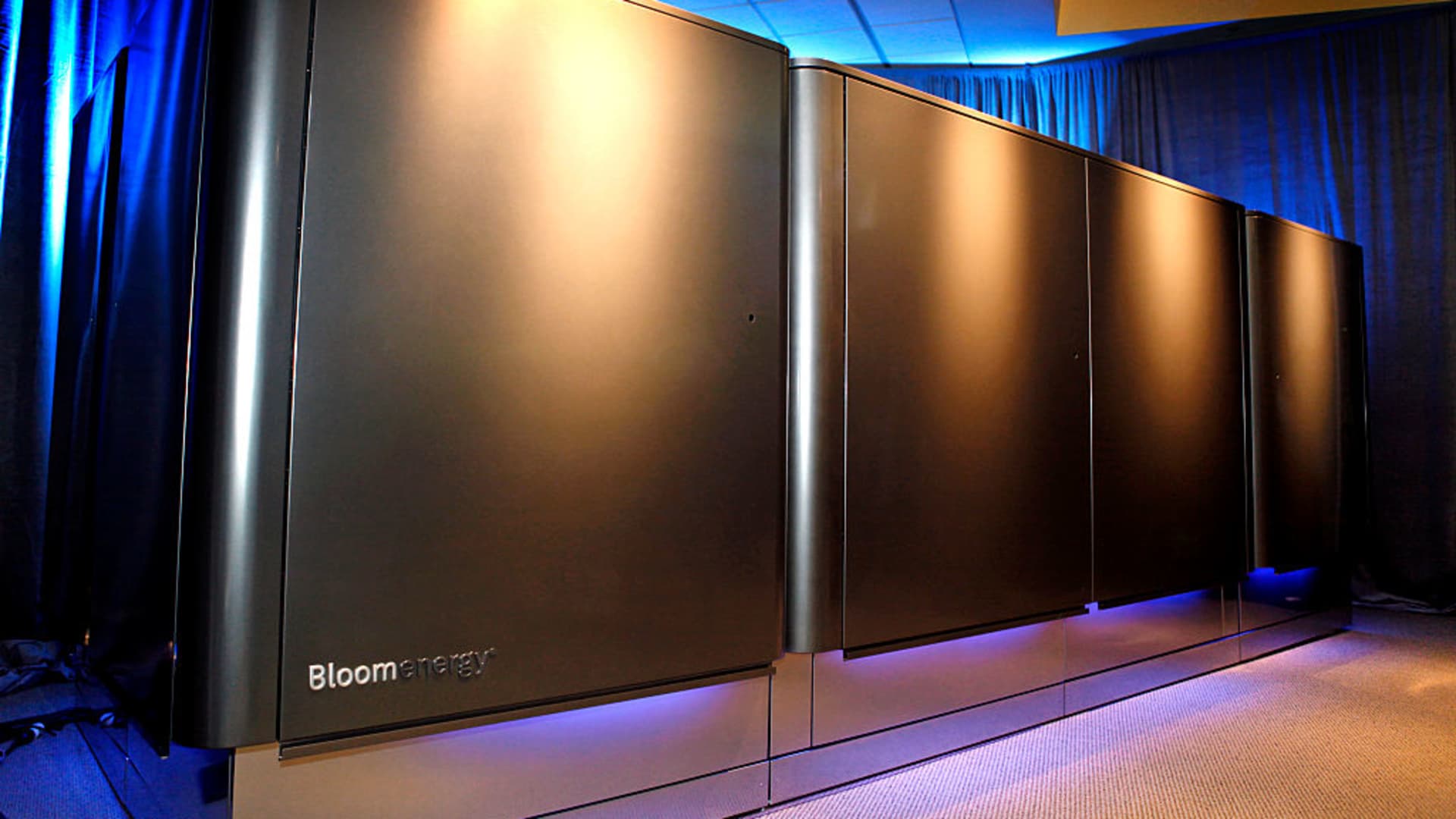
Bloom Energy Corporation is engaged in stationary fuel cell power generation by market share. The Company provides distributed energy technology solutions to customers. The Company manufactures advanced and versatile fuel cell energy platforms, supporting the commercial availability of two products: the Bloom Energy Server for generating electricity and the Bloom Electrolyzer for producing hydrogen. With approximately 1.4 gigawatts (GW) of Energy Server systems deployed in more than 1,000 locations and nine countries. Its solid oxide fuel cell technology platform is the foundation for its Energy Server system and Bloom Electrolyzer. The Bloom Energy Server system is designed to deliver reliable, resilient, clean and affordable energy for utilities and organizations alike. Its Energy Server system is designed to deliver reliable electricity. The Bloom Electrolyzer is designed to provide hydrogen solutions based on the same solid oxide platform as its Energy Server systems.
About the author

Emily J. Thompson
Emily J. Thompson, a Chartered Financial Analyst (CFA) with 12 years in investment research, graduated with honors from the Wharton School. Specializing in industrial and technology stocks, she provides in-depth analysis for Intellectia’s earnings and market brief reports.

Nuclear Energy to Support AI Infrastructure Demands

- Surging Power Demand: The International Energy Agency (IEA) forecasts that global electricity consumption for data centers will exceed 945 terawatt-hours (TWh) by 2030, doubling Japan's current annual consumption, highlighting the immense power requirements driven by AI infrastructure.
- BWX Technologies Overview: BWX Technologies focuses on manufacturing nuclear components, with government operations expected to generate $2.3 billion in revenue by 2025, underscoring its strong market position and stable revenue streams in the nuclear sector.
- Oklo Microreactor Design: Oklo is designing a microreactor called Aurora that can utilize nuclear waste as fuel and provide power in remote areas; although it has yet to receive commercialization certification, its technology holds potential to meet the electricity demands of AI data centers.
- Competitive Industry Pressure: Oklo faces competition from other energy companies, such as Bloom Energy, which is already deploying fuel cell systems to support AI; while its future remains uncertain, Oklo's technology could become a critical component of AI infrastructure if it receives approval from the Nuclear Regulatory Commission.
See More

Nuclear Companies Tackle AI Era Power Challenges
- Surging Power Demand: The International Energy Agency (IEA) forecasts that global electricity consumption for data centers will exceed 945 terawatt-hours (TWh) by 2030, doubling Japan's current annual consumption, necessitating a massive build-out of generating capacity to meet this demand.
- BWX Technologies' Market Position: BWX Technologies (BWXT), a manufacturer of nuclear and defense components, is projected to generate $2.3 billion from its government operations segment in 2025, highlighting its strong market position and technical moat in the nuclear sector, with a backlog of $8.6 billion as of March 2026 indicating future growth potential.
- Oklo's Innovative Potential: Oklo is designing a fast-fission microreactor called Aurora, which, while not yet commercialized, could meet the substantial electricity demands of data centers and can be deployed directly in rural areas, addressing infrastructure shortages.
- Intensifying Industry Competition: Despite Oklo's promising technology, it faces competition from other energy companies like Bloom Energy, which is already deploying fuel cell systems to support AI, making Oklo's future reliant on Nuclear Regulatory Commission certification and market acceptance.
See More

LIXTE to Merge with NOMAD, Forming Power Solutions Company
- Strategic Transformation: LIXTE Biotechnology has entered into a merger agreement with NOMAD, transforming into a company focused on deployable power solutions, with the transaction expected to close on July 1, 2026, marking a significant shift in corporate strategy.
- Pre-Closing Investment: Prior to the deal's completion, LIXTE has loaned NOMAD $6.5 million to support the procurement of long-lead components and scale manufacturing, demonstrating management's strong confidence in market demand.
- Market Opportunity: NOMAD achieved approximately 175% year-over-year revenue growth in 2025, with projections of an additional 135% growth in 2026, and about 75% of its sales activities are driven by inbound customer inquiries, indicating robust demand in the rapidly expanding power market.
- Industry Challenges: As AI infrastructure expands rapidly, electricity demand is surging, outpacing the traditional grid's capacity; NOMAD's mobile power solutions are crucial in addressing this bottleneck, highlighting significant strategic implications for the market.
See More

LIXTE to Merge with NOMAD, Transforming into Power Solutions Company
- Strategic Transformation: LIXTE Biotechnology Holdings has entered into a merger agreement with NOMAD, planning to rename itself NOMAD Power Solutions, focusing on addressing the urgent power needs of AI infrastructure, with the transaction expected to close on July 1, 2026.
- Pre-Closing Investment: Before the deal closes, LIXTE has loaned $6.5 million to NOMAD to support the procurement of long-lead components and meet the growing order demand, demonstrating management's strong confidence in market needs.
- Market Opportunity: NOMAD achieved approximately 175% revenue growth in 2025, with an expected additional 135% growth in 2026, and about 75% of sales activities are initiated by customers, indicating its leading position in the rapidly expanding power market.
- Technological Advantage: NOMAD's mobile battery energy storage systems (BESS) can be deployed quickly to meet the immediate high-quality power demands of data centers, circumventing the time and approval bottlenecks associated with traditional power infrastructure construction.
See More
LIXTE Biotechnology to Merge with NOMAD, Transforming into Power Solutions Firm
- Company Repositioning: LIXTE Biotechnology has entered into a merger agreement with NOMAD, renaming itself NOMAD Power Solutions, Inc., which signifies a major strategic shift towards addressing the AI-driven power demand crisis.
- Pre-Closing Financial Support: LIXTE will provide NOMAD with a $6.5 million loan before the transaction closes to fund long-lead component procurement and working capital, ensuring customer demand is met ahead of the merger.
- Market Leadership: NOMAD is a market leader in deployable utility-grade battery energy storage systems, with projected revenue growth of approximately 175% in 2025 and an additional 135% in 2026, indicating strong market demand and growth potential.
- Addressing Power Bottlenecks: As AI infrastructure demand for electricity surges, NOMAD's deployable storage solutions provide fast and reliable power to data centers, filling the gap left by traditional grids, which holds significant strategic market implications.
See More

LIXTE to Merge with NOMAD, Transforming into Power Solutions Firm
- Company Repositioning: LIXTE Biotechnology Holdings has entered into a definitive agreement to merge with NOMAD, rebranding as NOMAD Power Solutions, Inc., focusing on addressing the power shortages of the AI era, with the transaction expected to close on July 1, 2026.
- Pre-Closing Financial Support: LIXTE will provide NOMAD with a $6.5 million loan before the deal closes to fund long-lead component procurement and working capital, demonstrating management's confidence in NOMAD's market potential.
- Market Leadership: NOMAD is a leader in deployable utility-grade battery energy storage systems, reporting approximately 175% revenue growth in 2025, with an additional projected growth of 135% in 2026, indicating strong market demand and customer interest.
- Addressing Power Bottlenecks: As AI infrastructure drives surging electricity demand, NOMAD's deployable storage solutions offer rapid and reliable power supply to data centers, effectively filling the gaps that traditional grids cannot meet.
See More
Nuclear Energy to Support AI Infrastructure Demands
- Surging Power Demand: The International Energy Agency (IEA) forecasts that global electricity consumption for data centers will exceed 945 terawatt-hours (TWh) by 2030, doubling Japan's current annual consumption, highlighting the immense power requirements driven by AI infrastructure.
- BWX Technologies Overview: BWX Technologies focuses on manufacturing nuclear components, with government operations expected to generate $2.3 billion in revenue by 2025, underscoring its strong market position and stable revenue streams in the nuclear sector.
- Oklo Microreactor Design: Oklo is designing a microreactor called Aurora that can utilize nuclear waste as fuel and provide power in remote areas; although it has yet to receive commercialization certification, its technology holds potential to meet the electricity demands of AI data centers.
- Competitive Industry Pressure: Oklo faces competition from other energy companies, such as Bloom Energy, which is already deploying fuel cell systems to support AI; while its future remains uncertain, Oklo's technology could become a critical component of AI infrastructure if it receives approval from the Nuclear Regulatory Commission.
See More
Nuclear Companies Tackle AI Era Power Challenges
- Surging Power Demand: The International Energy Agency (IEA) forecasts that global electricity consumption for data centers will exceed 945 terawatt-hours (TWh) by 2030, doubling Japan's current annual consumption, necessitating a massive build-out of generating capacity to meet this demand.
- BWX Technologies' Market Position: BWX Technologies (BWXT), a manufacturer of nuclear and defense components, is projected to generate $2.3 billion from its government operations segment in 2025, highlighting its strong market position and technical moat in the nuclear sector, with a backlog of $8.6 billion as of March 2026 indicating future growth potential.
- Oklo's Innovative Potential: Oklo is designing a fast-fission microreactor called Aurora, which, while not yet commercialized, could meet the substantial electricity demands of data centers and can be deployed directly in rural areas, addressing infrastructure shortages.
- Intensifying Industry Competition: Despite Oklo's promising technology, it faces competition from other energy companies like Bloom Energy, which is already deploying fuel cell systems to support AI, making Oklo's future reliant on Nuclear Regulatory Commission certification and market acceptance.
See More
LIXTE to Merge with NOMAD, Forming Power Solutions Company
- Strategic Transformation: LIXTE Biotechnology has entered into a merger agreement with NOMAD, transforming into a company focused on deployable power solutions, with the transaction expected to close on July 1, 2026, marking a significant shift in corporate strategy.
- Pre-Closing Investment: Prior to the deal's completion, LIXTE has loaned NOMAD $6.5 million to support the procurement of long-lead components and scale manufacturing, demonstrating management's strong confidence in market demand.
- Market Opportunity: NOMAD achieved approximately 175% year-over-year revenue growth in 2025, with projections of an additional 135% growth in 2026, and about 75% of its sales activities are driven by inbound customer inquiries, indicating robust demand in the rapidly expanding power market.
- Industry Challenges: As AI infrastructure expands rapidly, electricity demand is surging, outpacing the traditional grid's capacity; NOMAD's mobile power solutions are crucial in addressing this bottleneck, highlighting significant strategic implications for the market.
See More
LIXTE to Merge with NOMAD, Transforming into Power Solutions Company
- Strategic Transformation: LIXTE Biotechnology Holdings has entered into a merger agreement with NOMAD, planning to rename itself NOMAD Power Solutions, focusing on addressing the urgent power needs of AI infrastructure, with the transaction expected to close on July 1, 2026.
- Pre-Closing Investment: Before the deal closes, LIXTE has loaned $6.5 million to NOMAD to support the procurement of long-lead components and meet the growing order demand, demonstrating management's strong confidence in market needs.
- Market Opportunity: NOMAD achieved approximately 175% revenue growth in 2025, with an expected additional 135% growth in 2026, and about 75% of sales activities are initiated by customers, indicating its leading position in the rapidly expanding power market.
- Technological Advantage: NOMAD's mobile battery energy storage systems (BESS) can be deployed quickly to meet the immediate high-quality power demands of data centers, circumventing the time and approval bottlenecks associated with traditional power infrastructure construction.
See More
LIXTE Biotechnology to Merge with NOMAD, Transforming into Power Solutions Firm
- Company Repositioning: LIXTE Biotechnology has entered into a merger agreement with NOMAD, renaming itself NOMAD Power Solutions, Inc., which signifies a major strategic shift towards addressing the AI-driven power demand crisis.
- Pre-Closing Financial Support: LIXTE will provide NOMAD with a $6.5 million loan before the transaction closes to fund long-lead component procurement and working capital, ensuring customer demand is met ahead of the merger.
- Market Leadership: NOMAD is a market leader in deployable utility-grade battery energy storage systems, with projected revenue growth of approximately 175% in 2025 and an additional 135% in 2026, indicating strong market demand and growth potential.
- Addressing Power Bottlenecks: As AI infrastructure demand for electricity surges, NOMAD's deployable storage solutions provide fast and reliable power to data centers, filling the gap left by traditional grids, which holds significant strategic market implications.
See More
LIXTE to Merge with NOMAD, Transforming into Power Solutions Firm
- Company Repositioning: LIXTE Biotechnology Holdings has entered into a definitive agreement to merge with NOMAD, rebranding as NOMAD Power Solutions, Inc., focusing on addressing the power shortages of the AI era, with the transaction expected to close on July 1, 2026.
- Pre-Closing Financial Support: LIXTE will provide NOMAD with a $6.5 million loan before the deal closes to fund long-lead component procurement and working capital, demonstrating management's confidence in NOMAD's market potential.
- Market Leadership: NOMAD is a leader in deployable utility-grade battery energy storage systems, reporting approximately 175% revenue growth in 2025, with an additional projected growth of 135% in 2026, indicating strong market demand and customer interest.
- Addressing Power Bottlenecks: As AI infrastructure drives surging electricity demand, NOMAD's deployable storage solutions offer rapid and reliable power supply to data centers, effectively filling the gaps that traditional grids cannot meet.
See More