Global Butyraldehyde Market Outlook 2025-2030: Growth Driven by Emerging Economies and Sustainable Production Trends
Written by Emily J. Thompson, Senior Investment Analyst
Updated: Aug 29 2025
0mins
Should l Buy EMN?
Source: Yahoo Finance
Global Butyraldehyde Market Overview
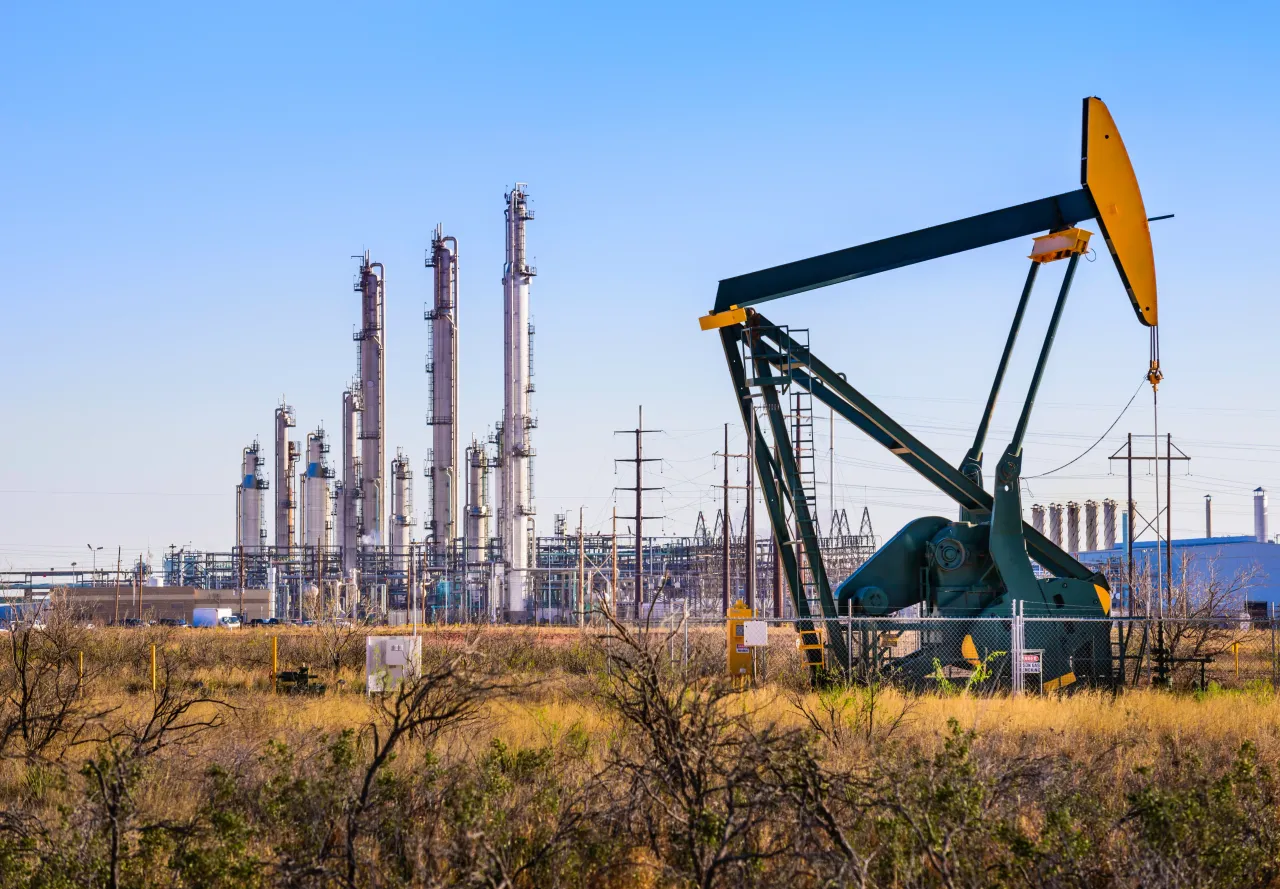
- Market Growth Forecast: The butyraldehyde market is projected to grow from USD 5.49 billion in 2025 to USD 6.96 billion by 2030, achieving a compound annual growth rate (CAGR) of 4.8%.
- Driving Factors: Key drivers include rising demand for derivatives such as 2-ethylhexanol, n-butanol, and butyric acid, particularly in sectors like automotive, personal care, and construction.
Key Market Segments
- N-Butyraldehyde Demand: N-butyraldehyde is identified as the second fastest-growing segment, essential for producing plasticizers, solvents, and resins, with significant applications in construction and automotive industries.
- Agrochemical Industry Impact: The agriculture segment is also rapidly growing, driven by the need for agrochemicals to enhance crop yields amid global food demands and limited arable land.
Regional Insights
- North American Market Dynamics: North America is the second fastest-growing region for butyraldehyde, bolstered by strong demand in chemicals and plastics, alongside governmental support for sustainable production practices.
- Asia Pacific and Europe: Manufacturing growth in Asia Pacific and stringent regulatory standards in Europe are further enhancing market demand.
Challenges and Opportunities
- Market Challenges: The industry faces challenges such as volatile raw material prices, stringent environmental regulations, and supply chain disruptions.
- Emerging Opportunities: There are significant opportunities for expansion in emerging markets and a shift towards sustainable production methods, which could drive future growth.
Industry Leaders and Competitive Landscape
- Key Players: Major companies in the butyraldehyde market include BASF, Mitsubishi Chemical, and Eastman Chemical, among others, which are pivotal in shaping market dynamics through innovation and strategic investments.
- Market Analysis: The report provides insights into competitive analysis, market share, and growth strategies of leading players, helping stakeholders navigate the evolving landscape.
Report Attributes
- Comprehensive Data: The report spans 227 pages, covering the forecast period from 2025 to 2030, and includes detailed market dynamics, drivers, challenges, and case studies related to butyraldehyde.
Trade with 70% Backtested Accuracy
Stop guessing "Should I Buy EMN?" and start using high-conviction signals backed by rigorous historical data.
Sign up today to access powerful investing tools and make smarter, data-driven decisions.
Analyst Views on EMN
Wall Street analysts forecast EMN stock price to rise
11 Analyst Rating
6 Buy
5 Hold
0 Sell
Moderate Buy
Current: 72.710

Low
70.00
Averages
74.40
High
80.00
Current: 72.710
Low
70.00
Averages
74.40
High
80.00
About EMN
Eastman Chemical Company is a global specialty materials company that produces a range of products found in items people use every day. Its segments include Advanced Materials (AM), Additives & Functional Products (AFP), Chemical Intermediates (CI), and Fibers. The AM segment produces and markets polymers, films, and plastics with differentiated performance properties for value-added end-uses in transportation; durables and electronics; building and construction; medical and pharma, and consumables end-markets. AFP segment manufactures materials for products in food, feed, and agriculture; transportation; water treatment and energy; personal care and wellness; building and construction; consumables, and durables and electronics end-markets. The CI segment sells intermediates for end-markets, such as industrial chemicals and processing, building and construction, health and wellness, and food and feed. Its Fibers segment manufactures and sells acetate tow and triacetin plasticizers.
About the author

Emily J. Thompson
Emily J. Thompson, a Chartered Financial Analyst (CFA) with 12 years in investment research, graduated with honors from the Wharton School. Specializing in industrial and technology stocks, she provides in-depth analysis for Intellectia’s earnings and market brief reports.

Eastman Chemical Q1 2026 Financial Results Release
- Earnings Release Timing: Eastman Chemical will release its financial results for Q1 2026 on April 30 at 4:15 p.m. Eastern Time, ensuring timely access to financial information for investors through its website and SEC filings.
- Live Webcast Arrangement: The company plans to host a live webcast and teleconference on May 1 at 8:00 a.m. Eastern Time, providing an interactive platform to enhance investor engagement and promote transparency.
- Pre-Registration Convenience: To streamline the connection process for the teleconference, Eastman Chemical offers a pre-registration link, allowing participants to receive unique dial-in information via email, aimed at simplifying the participation process and enhancing user experience.
- Replay Services: Following the earnings release, Eastman Chemical will provide a replay of the webcast and downloadable MP3 format, ensuring that investors who cannot participate live can access key information, further enhancing information accessibility.
See More

Putnam PanAgora ESG ETF Sees Major Unit Outflow

- Unit Outflow Situation: The Putnam PanAgora ESG International Equity ETF experienced an outflow of 125,000 units this week, representing a 35.7% decline compared to the previous week, indicating a significant drop in investor confidence that could impact future inflows and market performance.
- Market Performance Volatility: In morning trading, ASML Holding's stock fell approximately 2.2%, while Barclays rose about 0.4%, reflecting varied market reactions to different stocks, which may affect the overall performance of the ETF and the stability of its portfolio.
- Investor Sentiment Shift: The significant outflow may lead investors to question the effectiveness of ESG investment strategies, prompting fund management to reassess their investment approaches to restore investor confidence.
- Industry Impact Assessment: This outflow could have a ripple effect across the ESG investment sector, prompting other fund managers to focus on liquidity management and investor relations to address challenges posed by market fluctuations.
See More

Rising Petrochemical Prices Have Widespread Impact

- Plastic Price Surge: Stanislav Krykun, CEO of DST-Pack, reports a 15% price increase from Chinese plastic suppliers due to rising raw material costs and market uncertainty, which is expected to lead to higher packaging costs that will ultimately affect consumer prices.
- Holiday Product Cost Reevaluation: Krykun notes that with increasing orders for the 2026 Christmas season, costs for packaging projects have been recalculated, particularly as the rising prices of molded plastic trays will directly impact clients' production budgets.
- Petrochemical Supply Shock: Atsi Sheth, chief credit officer at Moody's, highlights that the petrochemical industry is facing a supply shock, with oversupply and insufficient demand leading to downgrades for producers, which is expected to exacerbate consumer price inflation, particularly affecting lower-income groups.
- Long-Term Market Uncertainty: Peter Swartz, chief science officer at supply chain analytics firm Altana, states that the market is pricing in uncertainty, and long-term price increases are expected to become the norm, prompting businesses to invest in diversification to tackle future challenges.
See More

IJS ETF 52-Week Price Fluctuation Analysis

- Price Range Analysis: The IJS ETF has a 52-week low of $82.0972 and a high of $127.8474, with the latest trade at $117.70, indicating significant price fluctuations over the past year and reflecting market interest in its performance.
- Technical Analysis Tool: Comparing the latest share price to the 200-day moving average provides investors with valuable insights for technical analysis, aiding in market trend assessment and potential buying opportunities.
- ETF Unit Trading Mechanism: ETFs trade similarly to stocks, where investors buy and sell 'units' that can be created or destroyed based on investor demand, impacting liquidity and market performance.
- Inflows and Outflows Monitoring: Weekly monitoring of changes in ETF shares outstanding highlights those experiencing notable inflows or outflows, which can affect the underlying stocks held within the ETFs and influence overall market dynamics.
See More

Investment Outlook for LyondellBasell (LYB)
- Deep Value Opportunity: LYB's current share price of $65.88, with trailing and forward P/E ratios of 98.77 and 20.83 respectively, indicates its trading at historical lows, particularly appealing given its 11.2% dividend yield, which offers a compelling income component for investors.
- Significant Cost Advantage: As a leading global producer of plastics and chemicals, LYB benefits from low-cost natural gas feedstock in the U.S., ensuring strong margins and maintaining competitive positioning in the global chemicals industry, especially compared to European and Asian peers.
- Cash Flow Improvement Plan: The management is executing a focused cash improvement plan aimed at unlocking over $1 billion in incremental free cash flow by the end of 2026, signaling strong operational discipline and shareholder-friendly capital allocation.
- Enhanced Investment Appeal: With its low valuation, high dividend yield, and clear cash generation initiatives, LYB presents an attractive investment opportunity, particularly for dividend-focused investors seeking deep value exposure, potentially leading to significant total returns in the coming years.
See More
Eastman Chemical to Present at J.P. Morgan Industrials Conference
- Conference Details: Willie McLain, CFO of Eastman Chemical, will address the J.P. Morgan Industrials Conference on March 18, 2026, at 10:45 AM ET, highlighting the company's strategic direction in the industrial sector.
- Live Webcast: McLain's presentation will be webcast live on Eastman's investor website, ensuring that investors and stakeholders can access the latest updates and financial information in real-time.
- Replay Availability: An audio replay of the presentation will be available on the investor website after the event, allowing investors who missed the live session to catch up, thereby enhancing information transparency.
- Investor Relations Contact: Eastman Chemical's Vice President of Investor Relations, Greg Riddle, and Corporate Communications Manager, Tracy Kilgore Addington, are available for further inquiries, facilitating better communication with investors and media.
See More
Eastman Chemical Q1 2026 Financial Results Release
- Earnings Release Timing: Eastman Chemical will release its financial results for Q1 2026 on April 30 at 4:15 p.m. Eastern Time, ensuring timely access to financial information for investors through its website and SEC filings.
- Live Webcast Arrangement: The company plans to host a live webcast and teleconference on May 1 at 8:00 a.m. Eastern Time, providing an interactive platform to enhance investor engagement and promote transparency.
- Pre-Registration Convenience: To streamline the connection process for the teleconference, Eastman Chemical offers a pre-registration link, allowing participants to receive unique dial-in information via email, aimed at simplifying the participation process and enhancing user experience.
- Replay Services: Following the earnings release, Eastman Chemical will provide a replay of the webcast and downloadable MP3 format, ensuring that investors who cannot participate live can access key information, further enhancing information accessibility.
See More
Putnam PanAgora ESG ETF Sees Major Unit Outflow
- Unit Outflow Situation: The Putnam PanAgora ESG International Equity ETF experienced an outflow of 125,000 units this week, representing a 35.7% decline compared to the previous week, indicating a significant drop in investor confidence that could impact future inflows and market performance.
- Market Performance Volatility: In morning trading, ASML Holding's stock fell approximately 2.2%, while Barclays rose about 0.4%, reflecting varied market reactions to different stocks, which may affect the overall performance of the ETF and the stability of its portfolio.
- Investor Sentiment Shift: The significant outflow may lead investors to question the effectiveness of ESG investment strategies, prompting fund management to reassess their investment approaches to restore investor confidence.
- Industry Impact Assessment: This outflow could have a ripple effect across the ESG investment sector, prompting other fund managers to focus on liquidity management and investor relations to address challenges posed by market fluctuations.
See More
Rising Petrochemical Prices Have Widespread Impact
- Plastic Price Surge: Stanislav Krykun, CEO of DST-Pack, reports a 15% price increase from Chinese plastic suppliers due to rising raw material costs and market uncertainty, which is expected to lead to higher packaging costs that will ultimately affect consumer prices.
- Holiday Product Cost Reevaluation: Krykun notes that with increasing orders for the 2026 Christmas season, costs for packaging projects have been recalculated, particularly as the rising prices of molded plastic trays will directly impact clients' production budgets.
- Petrochemical Supply Shock: Atsi Sheth, chief credit officer at Moody's, highlights that the petrochemical industry is facing a supply shock, with oversupply and insufficient demand leading to downgrades for producers, which is expected to exacerbate consumer price inflation, particularly affecting lower-income groups.
- Long-Term Market Uncertainty: Peter Swartz, chief science officer at supply chain analytics firm Altana, states that the market is pricing in uncertainty, and long-term price increases are expected to become the norm, prompting businesses to invest in diversification to tackle future challenges.
See More
IJS ETF 52-Week Price Fluctuation Analysis
- Price Range Analysis: The IJS ETF has a 52-week low of $82.0972 and a high of $127.8474, with the latest trade at $117.70, indicating significant price fluctuations over the past year and reflecting market interest in its performance.
- Technical Analysis Tool: Comparing the latest share price to the 200-day moving average provides investors with valuable insights for technical analysis, aiding in market trend assessment and potential buying opportunities.
- ETF Unit Trading Mechanism: ETFs trade similarly to stocks, where investors buy and sell 'units' that can be created or destroyed based on investor demand, impacting liquidity and market performance.
- Inflows and Outflows Monitoring: Weekly monitoring of changes in ETF shares outstanding highlights those experiencing notable inflows or outflows, which can affect the underlying stocks held within the ETFs and influence overall market dynamics.
See More
Investment Outlook for LyondellBasell (LYB)
- Deep Value Opportunity: LYB's current share price of $65.88, with trailing and forward P/E ratios of 98.77 and 20.83 respectively, indicates its trading at historical lows, particularly appealing given its 11.2% dividend yield, which offers a compelling income component for investors.
- Significant Cost Advantage: As a leading global producer of plastics and chemicals, LYB benefits from low-cost natural gas feedstock in the U.S., ensuring strong margins and maintaining competitive positioning in the global chemicals industry, especially compared to European and Asian peers.
- Cash Flow Improvement Plan: The management is executing a focused cash improvement plan aimed at unlocking over $1 billion in incremental free cash flow by the end of 2026, signaling strong operational discipline and shareholder-friendly capital allocation.
- Enhanced Investment Appeal: With its low valuation, high dividend yield, and clear cash generation initiatives, LYB presents an attractive investment opportunity, particularly for dividend-focused investors seeking deep value exposure, potentially leading to significant total returns in the coming years.
See More
Eastman Chemical to Present at J.P. Morgan Industrials Conference
- Conference Details: Willie McLain, CFO of Eastman Chemical, will address the J.P. Morgan Industrials Conference on March 18, 2026, at 10:45 AM ET, highlighting the company's strategic direction in the industrial sector.
- Live Webcast: McLain's presentation will be webcast live on Eastman's investor website, ensuring that investors and stakeholders can access the latest updates and financial information in real-time.
- Replay Availability: An audio replay of the presentation will be available on the investor website after the event, allowing investors who missed the live session to catch up, thereby enhancing information transparency.
- Investor Relations Contact: Eastman Chemical's Vice President of Investor Relations, Greg Riddle, and Corporate Communications Manager, Tracy Kilgore Addington, are available for further inquiries, facilitating better communication with investors and media.
See More