Brightstar Lottery Completes Sale of Gaming & Digital Business and Announces $1.1 billion Capital Return to Shareholders
Written by Emily J. Thompson, Senior Investment Analyst
Updated: Jul 01 2025
0mins
Should l Buy APO?
Source: Newsfilter
Company Transition: Brightstar Lottery, previously known as International Game Technology PLC, will begin trading under the new ticker symbol BRSL on July 2, 2025, following the sale of its Gaming & Digital business to Apollo Global Management.
Financial Strategy: The company plans to return $1.1 billion to shareholders through a special cash dividend and share repurchase program, while also committing $2.0 billion towards debt reduction to strengthen its financial position.
Trade with 70% Backtested Accuracy
Stop guessing "Should I Buy APO?" and start using high-conviction signals backed by rigorous historical data.
Sign up today to access powerful investing tools and make smarter, data-driven decisions.
Analyst Views on APO
Wall Street analysts forecast APO stock price to rise
11 Analyst Rating
10 Buy
1 Hold
0 Sell
Strong Buy
Current: 135.520

Low
136.00
Averages
164.45
High
182.00
Current: 135.520
Low
136.00
Averages
164.45
High
182.00
About APO
Apollo Global Management, Inc. is a global alternative asset manager and a retirement services provider. It operates through three segments: Asset Management, Retirement Services and Principal Investing. The Asset Management segment focuses on three investing strategies: yield, hybrid, and equity. These strategies reflect the range of investment capabilities across its platform based on relative risk and return. The Retirement Services business is conducted by Athene Holding Ltd (Athene), a financial services company that specializes in issuing, reinsuring, and acquiring retirement savings products designed for the increasing number of individuals and institutions seeking to fund retirement needs. Athene product lines include annuities and funding agreements. The Principal Investing segment includes realized performance fee income, realized investment income from its balance sheet investments, and certain allocable expenses related to corporate functions supporting the entire company.
About the author

Emily J. Thompson
Emily J. Thompson, a Chartered Financial Analyst (CFA) with 12 years in investment research, graduated with honors from the Wharton School. Specializing in industrial and technology stocks, she provides in-depth analysis for Intellectia’s earnings and market brief reports.

Market Financial Solutions Collapse Impacts Major Banks


- Financial Sector Shock: The collapse of Market Financial Solutions (MFS) has raised widespread concerns across the financial services sector, particularly as its downfall in the UK could lead to hundreds of millions in losses impacting major banks like Barclays and HSBC.
- Loss Disclosures: HSBC reported a $400 million impairment in its first-quarter earnings, while Barclays disclosed a £228 million ($308 million) loss, highlighting the profound impact of MFS's complex funding structures on financial institutions.
- Increased Regulatory Scrutiny: The failure of MFS has triggered greater regulatory scrutiny regarding the interconnectedness of banks with specialist lenders and private credit funds, with industry experts emphasizing the need for robust operational controls to mitigate risks associated with complex financing chains.
- Industry Response: In the wake of the MFS incident, there has been an intensified focus on loan data, collateral reporting, and governance processes within the industry, with experts urging lenders to independently assess collateral and risks throughout the entire loan lifecycle to ensure transparency and accountability.
See More

Harvard Endowment CEO Narvekar Plans Retirement After Nearly a Decade


- Leadership Transition: N.P. Narvekar, CEO of Harvard's endowment, plans to retire after nearly a decade, with a potential departure timeline set for late 2027 to facilitate succession planning, which may impact the long-term strategic direction of the fund.
- Performance Improvement: Under Narvekar's leadership, the endowment achieved an 8.1% annualized return over the past three years, surpassing rivals like Yale and Princeton, demonstrating a successful transformation in investment management that has strengthened Harvard's competitive position in academia.
- Investment Strategy Shift: Narvekar aggressively liquidated underperforming illiquid assets while increasing allocations to private equity and venture capital, diversifying the fund's portfolio and successfully attracting capital from top-tier investment managers, thereby enhancing overall investment returns.
- Fiscal Anchor Role: The endowment generated over one-third of Harvard's $6.7 billion operating budget, serving as a crucial fiscal anchor for the university, particularly in light of federal research funding cuts implemented during the Trump administration, ensuring financial stability for the institution.
See More
Tiger Global Management's New Investment Moves


- New Investment Portfolio: In Q1 2026, Tiger Global Management initiated new positions in stocks like Intel (INTC.O) and Robinhood Markets (HOOD.O), indicating a sustained interest in the tech and fintech sectors, which could drive future stock price increases.
- Reduction Strategy: The hedge fund reduced its holdings in Microsoft (MSFT.O) and Apollo Global Management (APO.N) during the same quarter, suggesting a cautious outlook on these mature companies, which may impact their stock performance.
- Liquidation Actions: Tiger Global completely liquidated its investment in Circle Internet Group and sold shares of Workday (WDAY.O), reflecting a reassessment of future growth potential for these companies, which could lead to decreased market confidence.
- Regulatory Disclosure: The investment changes were disclosed in the latest 13-F filing with the U.S. Securities and Exchange Commission, enhancing market understanding of the fund's investment strategy transparency, potentially influencing other investors' decisions.
See More

Billionaire Warns of Potential Major Market Correction
- Market Correction Risk: Marc Rowan, founder of Apollo Global Management, warns of a 35% chance of a significant market correction despite record highs in the S&P 500 and Nasdaq, reflecting concerns over external factors like tariffs and war-driven inflation that could undermine investor confidence.
- Asset Management Milestone: Apollo has reported over $1 trillion in assets under management for the first time, yet Rowan's preparations for a potential downturn indicate a cautious approach that may influence investment strategies even amid asset growth.
- Berkshire Hathaway's Resilience: Historically, Berkshire Hathaway has outperformed the market during major downturns, achieving gains of 26% in 2000 and 31.8% in 2008, showcasing its ability to capitalize on economic turmoil and secure lucrative deals when others falter.
- Investment Timing Consideration: Despite Berkshire's recent 5.3% stock decline compared to the S&P 500's 25.7% rise, Rowan's warning may prompt investors to reassess the risks of overvalued tech stocks, positioning Berkshire as a potentially strong investment choice during market corrections.
See More

UK FCA Plans Overhaul of Reporting Requirements for Credit Groups
- Data Transparency Enhancement: The UK's Financial Conduct Authority (FCA) is in discussions with major credit groups, including Apollo, Blackstone, Carlyle, Goldman Sachs Asset Management, and KKR, aiming to enhance data transparency in the private credit sector to better address potential financial crises.
- Stress Test Collaboration: These credit groups have voluntarily agreed to provide data to the Bank of England for a stress test assessing how the $16 trillion global private equity and private credit industries would respond to significant financial shocks, thereby improving systemic resilience.
- Information Collection Optimization: The FCA seeks to regularly obtain data from credit groups that they provide to the Bank of England, which will enhance the quality of information collected and improve regulatory effectiveness in monitoring the sector.
- Regulatory Streamlining Objective: This reform also aims to simplify the regulatory framework for Alternative Investment Fund Managers, thereby increasing regulatory efficiency and promoting stability in the financial markets.
See More
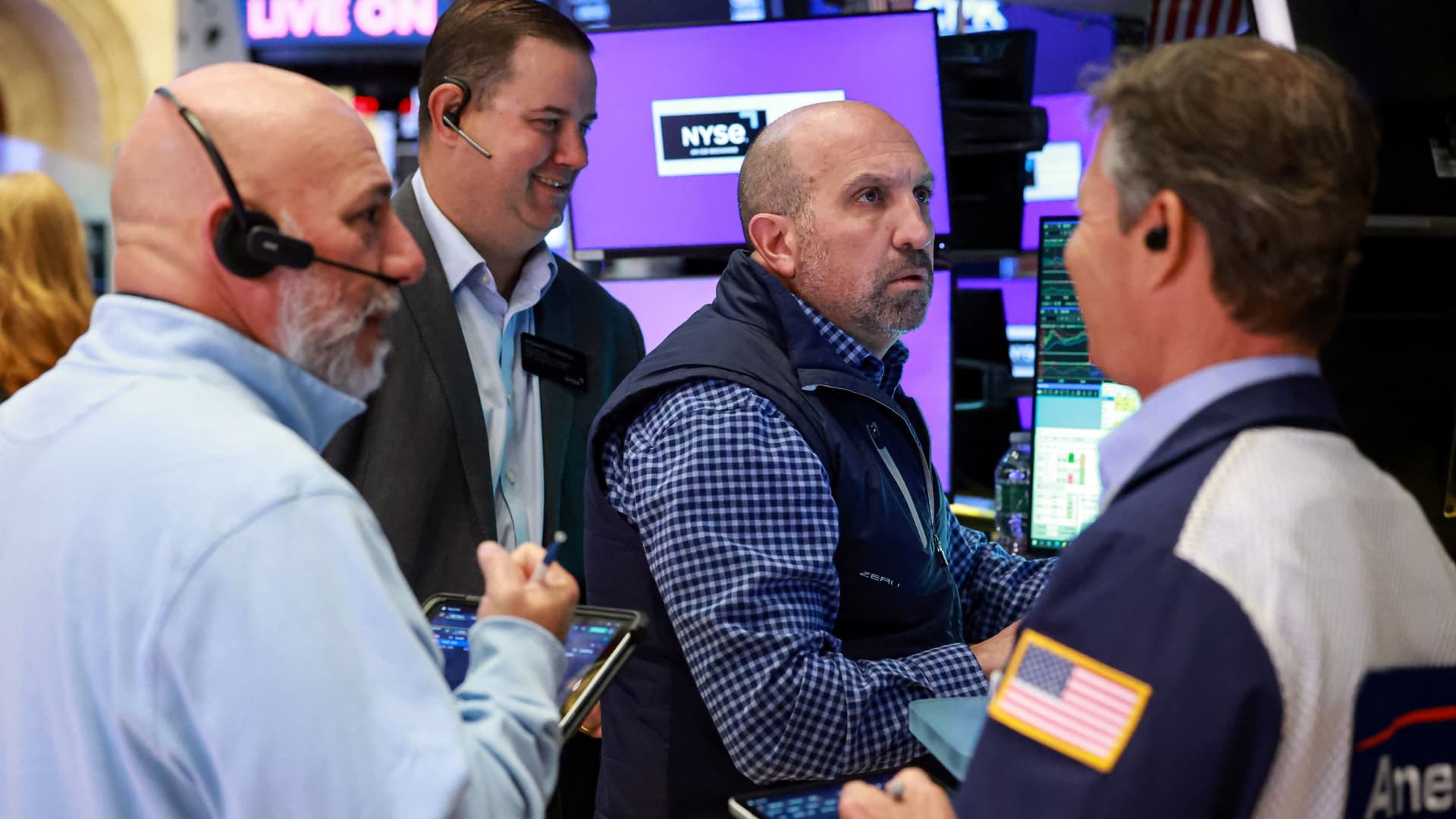
US-Iran War Fails to Halt Stock Market Rally


- Market Resilience: Despite the ongoing US-Iran war, the S&P 500 closed above 7,400 for the first time on Monday, rebounding approximately 17% from its March low, indicating strong market confidence in economic fundamentals.
- Limited Company Impact: Analysis from Trivariate Research reveals that only 10% of the US equity market's total capitalization expects negative impacts from the US-Iran conflict, suggesting that most companies can withstand the pressures of rising oil prices.
- Strong Tech Earnings: The top ten companies in the S&P 500 now account for 34% of total profits, with earnings growth outpacing the other 493 stocks by over 40%, highlighting the robust growth potential driven by artificial intelligence.
- Increased Economic Independence: The US economy's reduced reliance on oil means that current oil price shocks have only a 0.25 percentage point impact on inflation, significantly lower than the 0.90 percentage point effect seen in the 1970s, indicating enhanced economic resilience.
See More
Market Financial Solutions Collapse Impacts Major Banks
- Financial Sector Shock: The collapse of Market Financial Solutions (MFS) has raised widespread concerns across the financial services sector, particularly as its downfall in the UK could lead to hundreds of millions in losses impacting major banks like Barclays and HSBC.
- Loss Disclosures: HSBC reported a $400 million impairment in its first-quarter earnings, while Barclays disclosed a £228 million ($308 million) loss, highlighting the profound impact of MFS's complex funding structures on financial institutions.
- Increased Regulatory Scrutiny: The failure of MFS has triggered greater regulatory scrutiny regarding the interconnectedness of banks with specialist lenders and private credit funds, with industry experts emphasizing the need for robust operational controls to mitigate risks associated with complex financing chains.
- Industry Response: In the wake of the MFS incident, there has been an intensified focus on loan data, collateral reporting, and governance processes within the industry, with experts urging lenders to independently assess collateral and risks throughout the entire loan lifecycle to ensure transparency and accountability.
See More
Harvard Endowment CEO Narvekar Plans Retirement After Nearly a Decade
- Leadership Transition: N.P. Narvekar, CEO of Harvard's endowment, plans to retire after nearly a decade, with a potential departure timeline set for late 2027 to facilitate succession planning, which may impact the long-term strategic direction of the fund.
- Performance Improvement: Under Narvekar's leadership, the endowment achieved an 8.1% annualized return over the past three years, surpassing rivals like Yale and Princeton, demonstrating a successful transformation in investment management that has strengthened Harvard's competitive position in academia.
- Investment Strategy Shift: Narvekar aggressively liquidated underperforming illiquid assets while increasing allocations to private equity and venture capital, diversifying the fund's portfolio and successfully attracting capital from top-tier investment managers, thereby enhancing overall investment returns.
- Fiscal Anchor Role: The endowment generated over one-third of Harvard's $6.7 billion operating budget, serving as a crucial fiscal anchor for the university, particularly in light of federal research funding cuts implemented during the Trump administration, ensuring financial stability for the institution.
See More
Tiger Global Management's New Investment Moves
- New Investment Portfolio: In Q1 2026, Tiger Global Management initiated new positions in stocks like Intel (INTC.O) and Robinhood Markets (HOOD.O), indicating a sustained interest in the tech and fintech sectors, which could drive future stock price increases.
- Reduction Strategy: The hedge fund reduced its holdings in Microsoft (MSFT.O) and Apollo Global Management (APO.N) during the same quarter, suggesting a cautious outlook on these mature companies, which may impact their stock performance.
- Liquidation Actions: Tiger Global completely liquidated its investment in Circle Internet Group and sold shares of Workday (WDAY.O), reflecting a reassessment of future growth potential for these companies, which could lead to decreased market confidence.
- Regulatory Disclosure: The investment changes were disclosed in the latest 13-F filing with the U.S. Securities and Exchange Commission, enhancing market understanding of the fund's investment strategy transparency, potentially influencing other investors' decisions.
See More
Billionaire Warns of Potential Major Market Correction
- Market Correction Risk: Marc Rowan, founder of Apollo Global Management, warns of a 35% chance of a significant market correction despite record highs in the S&P 500 and Nasdaq, reflecting concerns over external factors like tariffs and war-driven inflation that could undermine investor confidence.
- Asset Management Milestone: Apollo has reported over $1 trillion in assets under management for the first time, yet Rowan's preparations for a potential downturn indicate a cautious approach that may influence investment strategies even amid asset growth.
- Berkshire Hathaway's Resilience: Historically, Berkshire Hathaway has outperformed the market during major downturns, achieving gains of 26% in 2000 and 31.8% in 2008, showcasing its ability to capitalize on economic turmoil and secure lucrative deals when others falter.
- Investment Timing Consideration: Despite Berkshire's recent 5.3% stock decline compared to the S&P 500's 25.7% rise, Rowan's warning may prompt investors to reassess the risks of overvalued tech stocks, positioning Berkshire as a potentially strong investment choice during market corrections.
See More
UK FCA Plans Overhaul of Reporting Requirements for Credit Groups
- Data Transparency Enhancement: The UK's Financial Conduct Authority (FCA) is in discussions with major credit groups, including Apollo, Blackstone, Carlyle, Goldman Sachs Asset Management, and KKR, aiming to enhance data transparency in the private credit sector to better address potential financial crises.
- Stress Test Collaboration: These credit groups have voluntarily agreed to provide data to the Bank of England for a stress test assessing how the $16 trillion global private equity and private credit industries would respond to significant financial shocks, thereby improving systemic resilience.
- Information Collection Optimization: The FCA seeks to regularly obtain data from credit groups that they provide to the Bank of England, which will enhance the quality of information collected and improve regulatory effectiveness in monitoring the sector.
- Regulatory Streamlining Objective: This reform also aims to simplify the regulatory framework for Alternative Investment Fund Managers, thereby increasing regulatory efficiency and promoting stability in the financial markets.
See More
US-Iran War Fails to Halt Stock Market Rally
- Market Resilience: Despite the ongoing US-Iran war, the S&P 500 closed above 7,400 for the first time on Monday, rebounding approximately 17% from its March low, indicating strong market confidence in economic fundamentals.
- Limited Company Impact: Analysis from Trivariate Research reveals that only 10% of the US equity market's total capitalization expects negative impacts from the US-Iran conflict, suggesting that most companies can withstand the pressures of rising oil prices.
- Strong Tech Earnings: The top ten companies in the S&P 500 now account for 34% of total profits, with earnings growth outpacing the other 493 stocks by over 40%, highlighting the robust growth potential driven by artificial intelligence.
- Increased Economic Independence: The US economy's reduced reliance on oil means that current oil price shocks have only a 0.25 percentage point impact on inflation, significantly lower than the 0.90 percentage point effect seen in the 1970s, indicating enhanced economic resilience.
See More