BJ's Wholesale Club Opens New Location in Chattanooga, Offering Up to 25% Savings
Written by Emily J. Thompson, Senior Investment Analyst
Updated: Jan 22 2026
0mins
Should l Buy BJ?
Source: Businesswire
- New Store Opening: BJ's Wholesale Club will open a new location in Chattanooga, Tennessee, on January 30, marking its sixth store in the state and expected to attract a significant number of new members while increasing local market share.
- Gas Station Launch: The BJ's gas station at the new store opened on January 14, offering everyday low fuel prices and additional savings through the BJ's Fuel Savers Program, enhancing the overall shopping experience for customers.
- Community Support: BJ's is partnering with the Chattanooga Area Food Bank to regularly donate fresh produce, meat, and dairy products, having provided over 155 million meals in the past 15 years, demonstrating its long-term commitment to community nourishment.
- Membership Benefits: New members can take advantage of limited-time offers, with a 1-year BJ's Club membership available for $40, earning a $10 reward for every $100 spent in the first 90 days, which is expected to attract more families and enhance customer loyalty.
Trade with 70% Backtested Accuracy
Stop guessing "Should I Buy BJ?" and start using high-conviction signals backed by rigorous historical data.
Sign up today to access powerful investing tools and make smarter, data-driven decisions.
Analyst Views on BJ
Wall Street analysts forecast BJ stock price to rise
17 Analyst Rating
9 Buy
7 Hold
1 Sell
Moderate Buy
Current: 94.610

Low
90.00
Averages
104.43
High
123.00
Current: 94.610
Low
90.00
Averages
104.43
High
123.00
About BJ
BJ’s Wholesale Club Holdings, Inc. is an operator of membership warehouse clubs concentrated primarily on the eastern half of the United States. The Company provides a wide assortment of fresh foods, produce, a full-service deli, fresh bakery, household essentials and gas. It also offers technology, home decor, apparel, seasonal items, among others. It groups its merchandise offerings into two divisions: perishables, grocery and sundries, and general merchandise and services. Perishables, grocery, and sundries consist of meat, produce, dairy, deli and frozen products, packaged foods, beverages, detergents, disinfectants, paper products, beauty care, adult and baby care, and pet foods. General merchandise and services consist of electronics, apparel, seasonal goods, small appliances, televisions, furniture, optical, tires and third-party gift cards. It offers specialty services, such as full-service optical centers, tire installation services, a propane tank filling service, and others.
About the author

Emily J. Thompson
Emily J. Thompson, a Chartered Financial Analyst (CFA) with 12 years in investment research, graduated with honors from the Wharton School. Specializing in industrial and technology stocks, she provides in-depth analysis for Intellectia’s earnings and market brief reports.

Trump's Address Triggers Market Volatility

- Oil Price Surge: Trump's address indicated that the U.S. would strike Iran
See More
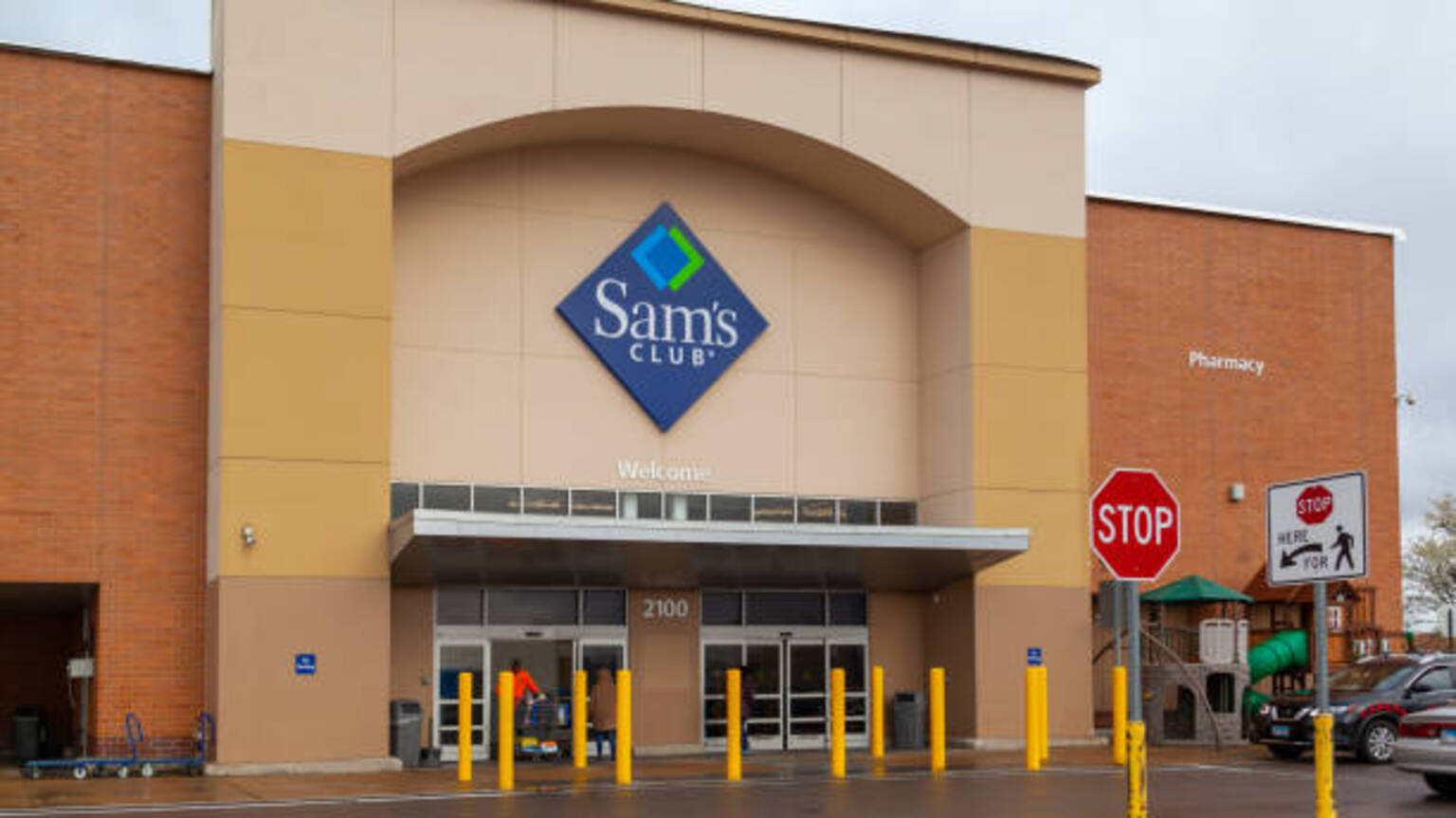
Sam's Club Raises Annual Membership Fee to $60

- Membership Fee Increase: Sam's Club announced a $10 increase in its basic membership fee to $60 and $120 for the higher-tier option, marking the first price hike since October 2022, effective May 1, aimed at enhancing member services.
- Market Competition Insight: The new fee structure remains below current rates charged by Costco (COST) but matches BJ's Wholesale Club (BJ), indicating Sam's strategic pricing approach in a competitive membership retail landscape.
- Membership Growth Momentum: Although specific figures were not disclosed, Sam's Club recorded its highest-ever membership count at the end of its last reporting period, reflecting success in attracting new members, which could further drive sales growth.
- Sales Performance Review: In Q4, Sam's Club achieved a 4.0% increase in comparable sales, with a 5.3% rise in transactions offsetting a 1.3% decline in average ticket size, while adjusted operating income rose by 3.8%, although it did not match the growth rates of Walmart's U.S. and International segments.
See More
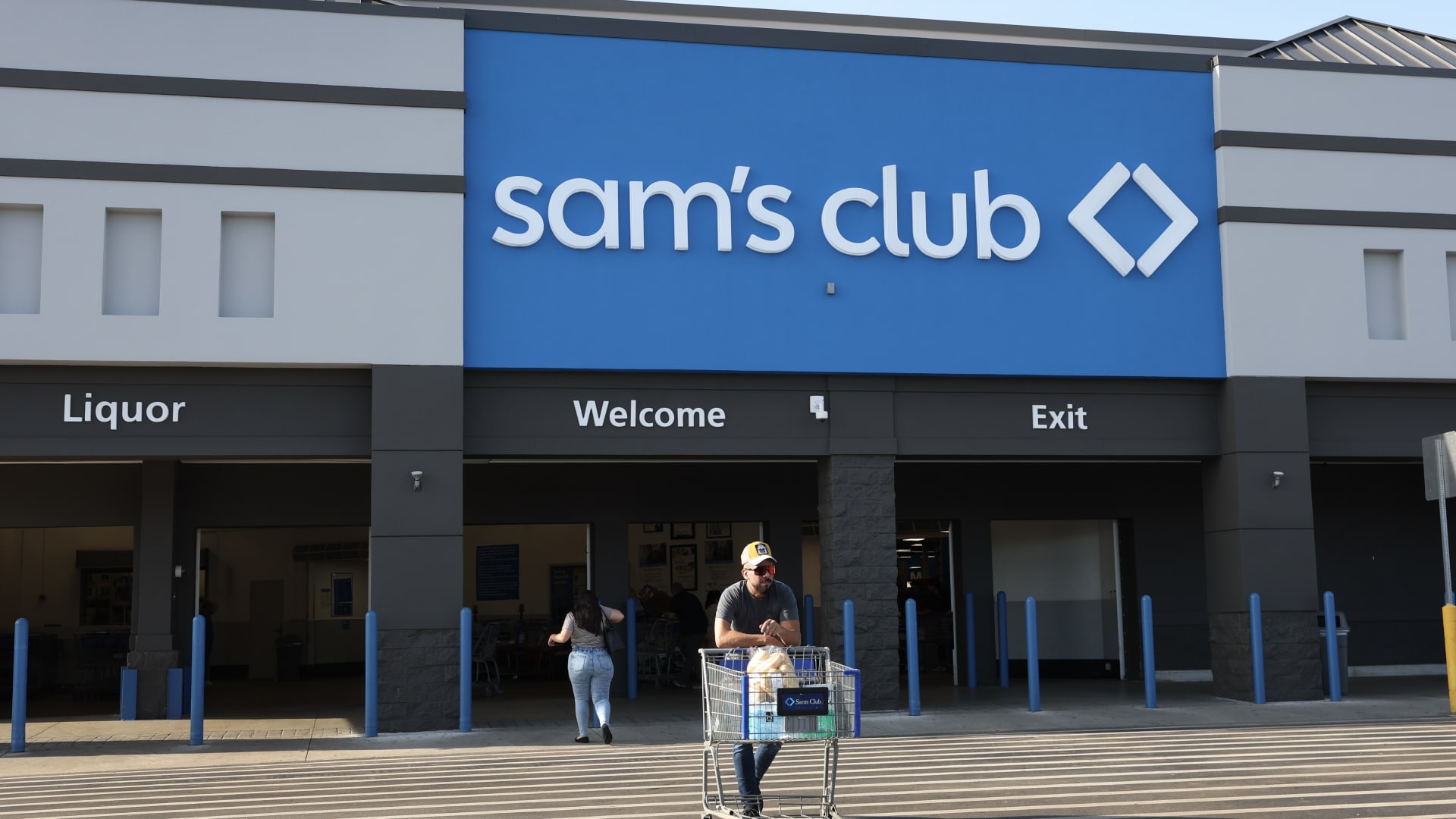
Sam's Club Raises Annual Membership Fee by $10

- Membership Fee Adjustment: Sam's Club announced an increase in its basic membership fee from $50 to $60 and the Plus membership fee from $110 to $120, effective May 1, aimed at supporting services that members love, although still below competitor Costco's pricing.
- Sales Growth: The U.S. net sales for Sam's Club grew by approximately 3.1% to $93 billion, partly driven by a 23% year-over-year increase in e-commerce sales during the holiday quarter, indicating strong performance in its digital business.
- Estimated Membership Count: While Sam's Club does not disclose specific membership numbers, it is estimated to exceed 30 million, with a similar proportion of high-tier members as Costco, and the fee increase is expected to boost annual income for parent company Walmart by over $200 million.
- Enhanced Rewards Program: Under the new fee structure, Plus members will be able to earn up to $750 per year in Sam's Cash rewards on eligible purchases, up from $500 previously, further enhancing the appeal of membership.
See More
Sam's Club Raises Membership Fee by $10
- Membership Fee Adjustment: Sam's Club is increasing its basic membership fee from $50 to $60 and its Plus membership from $110 to $120, although these rates remain lower than Costco's, indicating its awareness of competitive pricing.
- Sales Growth: The warehouse club reported a 3.1% increase in net sales to $93 billion last fiscal year, partly driven by a 23% year-over-year rise in e-commerce sales, highlighting the effectiveness of its digital expansion strategy.
- Gas Price Impact: With the national average gas price hitting $4.018 due to the Iran war, more consumers are drawn to Sam's Club's fuel discounts, enhancing its value proposition for members amid rising fuel costs.
- Increased Member Rewards: The new fee structure allows Plus members to earn up to $750 in cash rewards annually, up from $500, aimed at boosting member loyalty and encouraging higher spending within the club.
See More

Analysts Upgrade Rocket Lab and Sandisk Amid Market Changes

- Rocket Lab Upgrade: Analyst David B. McMillan upgraded Rocket Lab from Sell to Hold, noting that a 40% stock decline has created a more favorable risk-reward profile, supported by a backlog exceeding $2 billion and high-margin HASTE contracts, although long-term valuation remains contingent on the success of the Neutron rocket.
- Sandisk Strong Performance: Analyst Gary Alexander upgraded Sandisk from Sell to Neutral, reporting a 61% year-over-year revenue increase to $3.03 billion in 2026, significantly surpassing Wall Street's expectations of $2.69 billion, reflecting robust demand for storage chips that has elevated gross margins to over 60%.
- Qualcomm Downgrade: Analyst JR Research downgraded Qualcomm, citing weak smartphone demand and memory constraints leading to a sharp stock decline, with recovery unlikely before FY2027 as smartphone chipset revenue constitutes over 62% of the company's base.
- BJ’s Wholesale Club Cautious Outlook: Redfox Capital downgraded BJ from Buy to Hold, indicating a shift in FY2026 focus towards SG&A investments over earnings growth, which will slow adjusted EPS growth to low-to-mid-single digits despite strong membership quality, reflecting market caution in BJ's near-term valuation adjustments.
See More
Analysis of Retail Sector Impact from Rising Oil Prices


- Impact of Rising Oil Prices: Brent crude futures have surged above $110 per barrel due to the ongoing Middle East conflict, with diesel prices exceeding $5 per gallon for the first time since 2022, potentially imposing secondary effects on the U.S. retail sector and increasing household budget pressures.
- Advantage of Higher-Income Customers: Deutsche Bank analysts noted that retailers like Ulta Beauty and Costco, which cater to higher-income demographics, have historically shown a positive correlation between sales and rising oil prices, indicating better sales performance in such environments.
- Pressure on Lower-Income Customers: Conversely, retailers like BJ's Wholesale Club and Burlington Stores, which primarily serve lower-income customers, exhibit negative sales correlations with rising gas prices, highlighting a trend where lower-income consumers reduce spending as fuel costs increase.
- Inventory Management Strategy: Despite the risks associated with rising input costs, many global brands, including Amer Sports and Birkenstock, maintain over 200 days of finished goods inventory, which helps mitigate near-term margin pressures and ensures market stability amid supply chain disruptions.
See More
Trump's Address Triggers Market Volatility
- Oil Price Surge: Trump's address indicated that the U.S. would strike Iran
See More
Sam's Club Raises Annual Membership Fee to $60
- Membership Fee Increase: Sam's Club announced a $10 increase in its basic membership fee to $60 and $120 for the higher-tier option, marking the first price hike since October 2022, effective May 1, aimed at enhancing member services.
- Market Competition Insight: The new fee structure remains below current rates charged by Costco (COST) but matches BJ's Wholesale Club (BJ), indicating Sam's strategic pricing approach in a competitive membership retail landscape.
- Membership Growth Momentum: Although specific figures were not disclosed, Sam's Club recorded its highest-ever membership count at the end of its last reporting period, reflecting success in attracting new members, which could further drive sales growth.
- Sales Performance Review: In Q4, Sam's Club achieved a 4.0% increase in comparable sales, with a 5.3% rise in transactions offsetting a 1.3% decline in average ticket size, while adjusted operating income rose by 3.8%, although it did not match the growth rates of Walmart's U.S. and International segments.
See More
Sam's Club Raises Annual Membership Fee by $10
- Membership Fee Adjustment: Sam's Club announced an increase in its basic membership fee from $50 to $60 and the Plus membership fee from $110 to $120, effective May 1, aimed at supporting services that members love, although still below competitor Costco's pricing.
- Sales Growth: The U.S. net sales for Sam's Club grew by approximately 3.1% to $93 billion, partly driven by a 23% year-over-year increase in e-commerce sales during the holiday quarter, indicating strong performance in its digital business.
- Estimated Membership Count: While Sam's Club does not disclose specific membership numbers, it is estimated to exceed 30 million, with a similar proportion of high-tier members as Costco, and the fee increase is expected to boost annual income for parent company Walmart by over $200 million.
- Enhanced Rewards Program: Under the new fee structure, Plus members will be able to earn up to $750 per year in Sam's Cash rewards on eligible purchases, up from $500 previously, further enhancing the appeal of membership.
See More
Sam's Club Raises Membership Fee by $10
- Membership Fee Adjustment: Sam's Club is increasing its basic membership fee from $50 to $60 and its Plus membership from $110 to $120, although these rates remain lower than Costco's, indicating its awareness of competitive pricing.
- Sales Growth: The warehouse club reported a 3.1% increase in net sales to $93 billion last fiscal year, partly driven by a 23% year-over-year rise in e-commerce sales, highlighting the effectiveness of its digital expansion strategy.
- Gas Price Impact: With the national average gas price hitting $4.018 due to the Iran war, more consumers are drawn to Sam's Club's fuel discounts, enhancing its value proposition for members amid rising fuel costs.
- Increased Member Rewards: The new fee structure allows Plus members to earn up to $750 in cash rewards annually, up from $500, aimed at boosting member loyalty and encouraging higher spending within the club.
See More
Analysts Upgrade Rocket Lab and Sandisk Amid Market Changes
- Rocket Lab Upgrade: Analyst David B. McMillan upgraded Rocket Lab from Sell to Hold, noting that a 40% stock decline has created a more favorable risk-reward profile, supported by a backlog exceeding $2 billion and high-margin HASTE contracts, although long-term valuation remains contingent on the success of the Neutron rocket.
- Sandisk Strong Performance: Analyst Gary Alexander upgraded Sandisk from Sell to Neutral, reporting a 61% year-over-year revenue increase to $3.03 billion in 2026, significantly surpassing Wall Street's expectations of $2.69 billion, reflecting robust demand for storage chips that has elevated gross margins to over 60%.
- Qualcomm Downgrade: Analyst JR Research downgraded Qualcomm, citing weak smartphone demand and memory constraints leading to a sharp stock decline, with recovery unlikely before FY2027 as smartphone chipset revenue constitutes over 62% of the company's base.
- BJ’s Wholesale Club Cautious Outlook: Redfox Capital downgraded BJ from Buy to Hold, indicating a shift in FY2026 focus towards SG&A investments over earnings growth, which will slow adjusted EPS growth to low-to-mid-single digits despite strong membership quality, reflecting market caution in BJ's near-term valuation adjustments.
See More
Analysis of Retail Sector Impact from Rising Oil Prices
- Impact of Rising Oil Prices: Brent crude futures have surged above $110 per barrel due to the ongoing Middle East conflict, with diesel prices exceeding $5 per gallon for the first time since 2022, potentially imposing secondary effects on the U.S. retail sector and increasing household budget pressures.
- Advantage of Higher-Income Customers: Deutsche Bank analysts noted that retailers like Ulta Beauty and Costco, which cater to higher-income demographics, have historically shown a positive correlation between sales and rising oil prices, indicating better sales performance in such environments.
- Pressure on Lower-Income Customers: Conversely, retailers like BJ's Wholesale Club and Burlington Stores, which primarily serve lower-income customers, exhibit negative sales correlations with rising gas prices, highlighting a trend where lower-income consumers reduce spending as fuel costs increase.
- Inventory Management Strategy: Despite the risks associated with rising input costs, many global brands, including Amer Sports and Birkenstock, maintain over 200 days of finished goods inventory, which helps mitigate near-term margin pressures and ensures market stability amid supply chain disruptions.
See More