Recursion Pharmaceuticals Upgraded to Overweight by JPMorgan

Recursion Pharmaceuticals Inc (RXRX) saw a price increase of 5.03% as it crossed above the 20-day SMA, reflecting positive investor sentiment amid broader market gains with the Nasdaq-100 up 0.88% and S&P 500 up 0.62%.
The stock's rise is attributed to JPMorgan's upgrade from Neutral to Overweight with a price target increase from $10 to $11, recognizing the long-term potential of its treatment REC-4881 for familial adenomatous polyposis. Additionally, Cathie Wood's ARK Investment's purchase of 755,000 shares signals strong confidence in the company's future, which may further attract investor interest.
This upgrade and significant investment highlight the growing recognition of Recursion's market potential, particularly in light of the anticipated success of REC-4881, which analysts believe could generate peak revenues exceeding $1 billion.
Trade with 70% Backtested Accuracy
Analyst Views on RXRX

About RXRX
About the author


Investment Opportunities and Risks in Artificial Intelligence


- AI Technology Transformation: Artificial intelligence is viewed as a transformative technology that could trigger paradigm shifts across various industries; while some companies have capitalized on investments, the overall sector is still in its early stages, presenting ongoing investment opportunities.
- Alphabet's AI Strategy: Alphabet has integrated AI modes and overviews into its search engine, boosting search traffic and user engagement, and although its stock has fallen 13% due to market volatility, its AI investments help solidify its market position.
- Recursion's Challenges: Recursion Pharmaceuticals focuses on leveraging AI to accelerate drug development, claiming to shorten clinical trial times, yet it has not launched any products and remains unprofitable, posing significant risks.
- Investment Risk Assessment: While Recursion could achieve breakthroughs in the future, the lack of market products and profitability suggests that investors with average risk tolerance should approach this stock with caution.

Analysis of AI Prospects for Alphabet and Recursion
- Alphabet's AI Investment: Despite a 13% drop in Alphabet's stock this year, its substantial investments in AI are enhancing search engine traffic and user engagement, demonstrating the company's strong competitive advantage.
- Market Volatility Impact: While Alphabet's financial performance remains robust, broader market volatility and concerns over AI investment returns are causing investor caution, potentially affecting future stock performance.
- Recursion's Challenges: Recursion Pharmaceuticals has yet to launch any market products, and although it claims to accelerate drug development through AI, the lack of successful clinical trials poses high risks, making it a cautious choice for average investors.
- Investment Recommendation: Although Alphabet did not make the Motley Fool's list of the top 10 stocks to buy, its diversified growth avenues and strong brand equity still position it as a quality stock worth holding long-term.
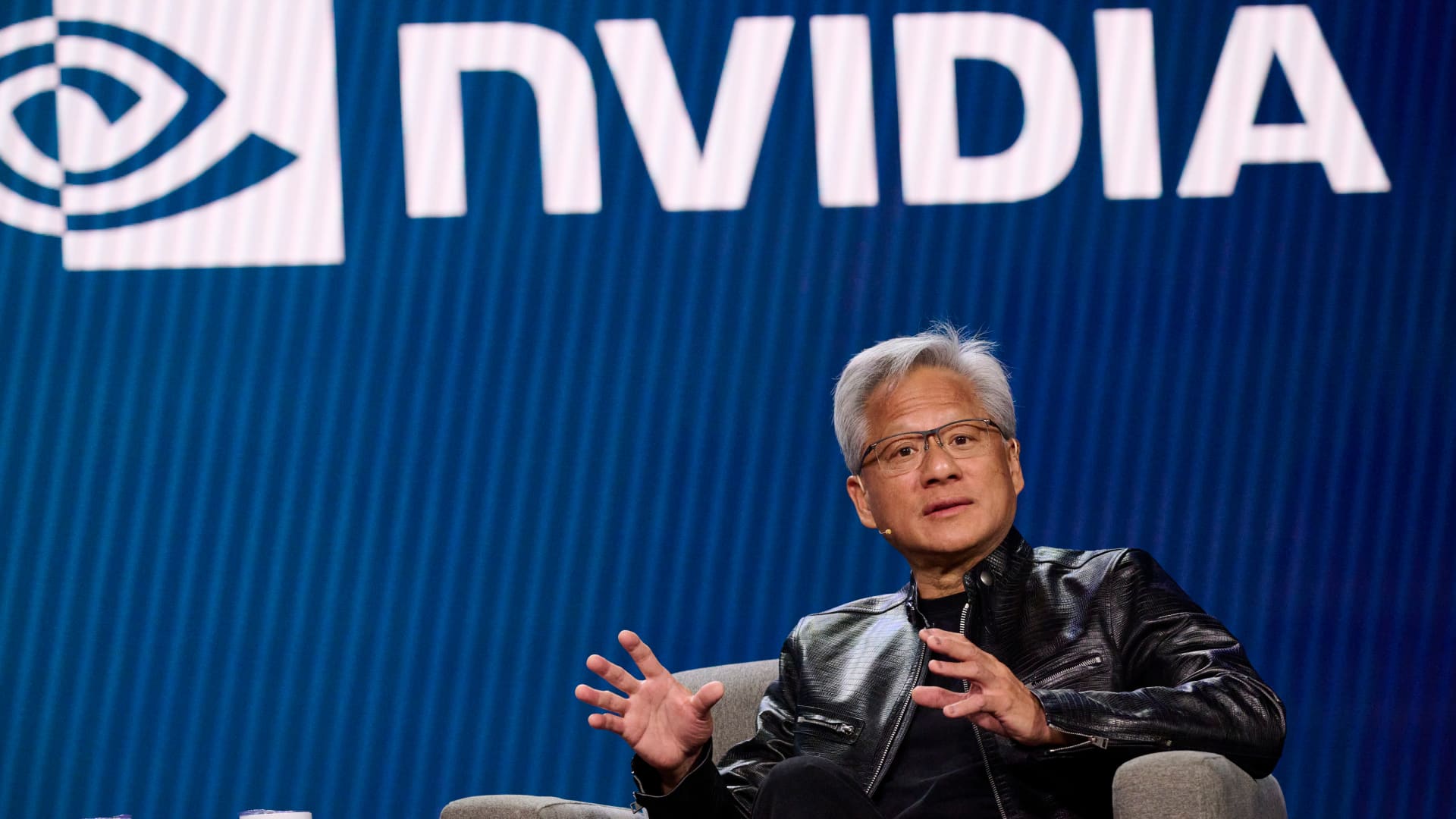
Goldman Sachs Optimistic on Nvidia's AI Healthcare Prospects

- Positive Market Outlook: Goldman Sachs' buy rating on Nvidia and a $250 price target imply a 51% upside, reflecting investor confidence in its AI applications within healthcare and life sciences.
- Collaborative Technological Edge: By partnering with life sciences companies, Nvidia can validate its models in labs, leveraging digital twins and simulation to enhance the quality of experiments and manufacturing while reducing costs, thereby strengthening its market position.
- Investment and Applications: In 2023, Nvidia invested $50 million in clinical-stage biotech firm Recursion Pharmaceuticals to develop AI models for accelerating drug discovery, driving technological advancements in the biopharma sector.
- Clinical Trial Efficiency Gains: Recursion's AI technology enables drugmakers to synthesize 90% fewer compounds and reduces the average time to enter human trials from 42 months to 17 months, significantly improving research and development efficiency.

AI's Promising Applications in Healthcare

- Reduced Drug Development Costs: Recursion Pharmaceuticals leverages over 50 petabytes of chemical and biological data through its AI platform to help pharmaceutical companies assess drug performance in hours, significantly lowering the traditional R&D costs close to $900 million, thereby enhancing resource efficiency.
- Strengthened Partnerships: Recursion's collaboration with traditional pharma giants like Sanofi and Roche to conduct virtual testing has driven revenue growth, with expectations of a larger revenue influx in the next fiscal year, indicating its potential in the AI drug development market.
- Tempus AI's Market Performance: Tempus AI empowers healthcare providers with real-time data-driven decision support, achieving fourth-quarter revenue of $367 million, an 83% year-over-year increase, demonstrating strong market demand and customer satisfaction.
- Future Growth Expectations: Analysts have set a target price of $77.93 for Tempus, which is 70% above its current price, reflecting market optimism regarding its future profitability and further enhancing its investment appeal.

Recursion Pharmaceuticals Stock Decline Analysis
- Stock Performance: Recursion Pharmaceuticals (RXRX) closed at $2.94, down 6.67% from the previous session, significantly underperforming the S&P 500's 1.67% decline, indicating weakness in market sentiment towards the company.
- Monthly Decline: The stock has fallen 16.45% over the past month, greatly exceeding the Medical sector's 7.36% and the S&P 500's 6.15% losses, reflecting investor concerns regarding its future profitability.
- Earnings Expectations: The upcoming earnings report is expected to show an EPS of -$0.27, a 46% increase from the prior year, with revenue projected at $20.73 million, up 40.65% year-over-year, indicating potential business growth.
- Analyst Ratings: Currently holding a Zacks Rank of #3 (Hold), Recursion's EPS estimate has increased by 9.98% in the last 30 days, suggesting analysts' growing confidence in the company's short-term performance, despite its industry ranking being in the bottom 40% of over 250 sectors.

Recursion Appoints New Chief Medical Officer
- Executive Change: Recursion announced the appointment of Vicki Goodman as Chief Medical Officer, effective April 6, 2026, succeeding David Mauro; Goodman brings over 20 years of oncology drug development experience, having most recently served as CMO at Mural Oncology, where she advanced its pipeline.
- Extensive Industry Background: Goodman has held senior oncology roles at Merck and Bristol Myers Squibb, leading the development of key drugs such as Keytruda, Opdivo, and Yervoy, showcasing her deep expertise in cancer therapeutics.
- Market Reaction: Following the announcement of this executive change, Recursion's shares fell by 1.86%, indicating market uncertainty regarding the new CMO's impact and investors' cautious outlook on the company's strategic direction.
- Future Outlook: Recursion expects to extend its cash runway into early 2028 while enhancing operational efficiency; although the executive transition may affect short-term market confidence, the long-term strategy remains focused on innovative drug development.
Investment Opportunities and Risks in Artificial Intelligence
- AI Technology Transformation: Artificial intelligence is viewed as a transformative technology that could trigger paradigm shifts across various industries; while some companies have capitalized on investments, the overall sector is still in its early stages, presenting ongoing investment opportunities.
- Alphabet's AI Strategy: Alphabet has integrated AI modes and overviews into its search engine, boosting search traffic and user engagement, and although its stock has fallen 13% due to market volatility, its AI investments help solidify its market position.
- Recursion's Challenges: Recursion Pharmaceuticals focuses on leveraging AI to accelerate drug development, claiming to shorten clinical trial times, yet it has not launched any products and remains unprofitable, posing significant risks.
- Investment Risk Assessment: While Recursion could achieve breakthroughs in the future, the lack of market products and profitability suggests that investors with average risk tolerance should approach this stock with caution.
Analysis of AI Prospects for Alphabet and Recursion
- Alphabet's AI Investment: Despite a 13% drop in Alphabet's stock this year, its substantial investments in AI are enhancing search engine traffic and user engagement, demonstrating the company's strong competitive advantage.
- Market Volatility Impact: While Alphabet's financial performance remains robust, broader market volatility and concerns over AI investment returns are causing investor caution, potentially affecting future stock performance.
- Recursion's Challenges: Recursion Pharmaceuticals has yet to launch any market products, and although it claims to accelerate drug development through AI, the lack of successful clinical trials poses high risks, making it a cautious choice for average investors.
- Investment Recommendation: Although Alphabet did not make the Motley Fool's list of the top 10 stocks to buy, its diversified growth avenues and strong brand equity still position it as a quality stock worth holding long-term.
Goldman Sachs Optimistic on Nvidia's AI Healthcare Prospects
- Positive Market Outlook: Goldman Sachs' buy rating on Nvidia and a $250 price target imply a 51% upside, reflecting investor confidence in its AI applications within healthcare and life sciences.
- Collaborative Technological Edge: By partnering with life sciences companies, Nvidia can validate its models in labs, leveraging digital twins and simulation to enhance the quality of experiments and manufacturing while reducing costs, thereby strengthening its market position.
- Investment and Applications: In 2023, Nvidia invested $50 million in clinical-stage biotech firm Recursion Pharmaceuticals to develop AI models for accelerating drug discovery, driving technological advancements in the biopharma sector.
- Clinical Trial Efficiency Gains: Recursion's AI technology enables drugmakers to synthesize 90% fewer compounds and reduces the average time to enter human trials from 42 months to 17 months, significantly improving research and development efficiency.
AI's Promising Applications in Healthcare
- Reduced Drug Development Costs: Recursion Pharmaceuticals leverages over 50 petabytes of chemical and biological data through its AI platform to help pharmaceutical companies assess drug performance in hours, significantly lowering the traditional R&D costs close to $900 million, thereby enhancing resource efficiency.
- Strengthened Partnerships: Recursion's collaboration with traditional pharma giants like Sanofi and Roche to conduct virtual testing has driven revenue growth, with expectations of a larger revenue influx in the next fiscal year, indicating its potential in the AI drug development market.
- Tempus AI's Market Performance: Tempus AI empowers healthcare providers with real-time data-driven decision support, achieving fourth-quarter revenue of $367 million, an 83% year-over-year increase, demonstrating strong market demand and customer satisfaction.
- Future Growth Expectations: Analysts have set a target price of $77.93 for Tempus, which is 70% above its current price, reflecting market optimism regarding its future profitability and further enhancing its investment appeal.
Recursion Pharmaceuticals Stock Decline Analysis
- Stock Performance: Recursion Pharmaceuticals (RXRX) closed at $2.94, down 6.67% from the previous session, significantly underperforming the S&P 500's 1.67% decline, indicating weakness in market sentiment towards the company.
- Monthly Decline: The stock has fallen 16.45% over the past month, greatly exceeding the Medical sector's 7.36% and the S&P 500's 6.15% losses, reflecting investor concerns regarding its future profitability.
- Earnings Expectations: The upcoming earnings report is expected to show an EPS of -$0.27, a 46% increase from the prior year, with revenue projected at $20.73 million, up 40.65% year-over-year, indicating potential business growth.
- Analyst Ratings: Currently holding a Zacks Rank of #3 (Hold), Recursion's EPS estimate has increased by 9.98% in the last 30 days, suggesting analysts' growing confidence in the company's short-term performance, despite its industry ranking being in the bottom 40% of over 250 sectors.
Recursion Appoints New Chief Medical Officer
- Executive Change: Recursion announced the appointment of Vicki Goodman as Chief Medical Officer, effective April 6, 2026, succeeding David Mauro; Goodman brings over 20 years of oncology drug development experience, having most recently served as CMO at Mural Oncology, where she advanced its pipeline.
- Extensive Industry Background: Goodman has held senior oncology roles at Merck and Bristol Myers Squibb, leading the development of key drugs such as Keytruda, Opdivo, and Yervoy, showcasing her deep expertise in cancer therapeutics.
- Market Reaction: Following the announcement of this executive change, Recursion's shares fell by 1.86%, indicating market uncertainty regarding the new CMO's impact and investors' cautious outlook on the company's strategic direction.
- Future Outlook: Recursion expects to extend its cash runway into early 2028 while enhancing operational efficiency; although the executive transition may affect short-term market confidence, the long-term strategy remains focused on innovative drug development.