PulteGroup Shares Surge After Dividend Increase

Shares of PulteGroup, Inc. (PHM.N) experienced a notable uptick today, crossing above its 5-day simple moving average (SMA) as investors reacted positively to the company's recent dividend announcement. The stock's movement reflects growing bullish sentiment following the declaration of an 18% increase in its quarterly dividend to $0.26 per share, effective January 6, 2026, for shareholders of record by December 16, 2025.
This marks the seventh consecutive year of dividend increases, underscoring PulteGroup's commitment to returning excess funds to shareholders, as highlighted by President and CEO Ryan Marshall. The company's robust performance, particularly in the active adult segment, is anticipated to drive full-year closings to approximately 29,400 homes, further solidifying its position as a leader in the U.S. homebuilding market.
With a strong corporate purpose focused on customer satisfaction and community development, PulteGroup continues to attract investors, making it a favorable choice in the current market landscape.
Trade with 70% Backtested Accuracy
Analyst Views on PHM

About PHM
About the author


Private Sector Adds 62,000 Jobs in March, Exceeding Expectations


- Job Growth Overview: Private sector employment increased by 62,000 in March, down 4,000 from February's revised total of 66,000 but exceeding the Dow Jones estimate of 39,000, indicating resilience in economic recovery.
- Sector Contribution Analysis: The education and health services sector contributed 58,000 jobs, while construction added 30,000, highlighting the critical role of the health services industry in transforming the labor market.
- Small Business Dominance: Businesses with fewer than 50 employees added 85,000 jobs, while medium-sized firms lost 20,000, indicating a shift towards small businesses leading the recovery, potentially due to inflation impacts and the need for multiple jobs.
- Wage Growth Trends: Wage growth for those remaining in their jobs held steady at 4.5%, while job changers saw a 6.6% increase, up 0.3 percentage points from February, reflecting tightening competition in the labor market.

US Stocks Surge on Hopes for End to Iran War


- Market Rally: The S&P 500 index rose by 2.91%, the Dow Jones Industrial Average by 2.49%, and the Nasdaq 100 by 3.43%, reflecting market optimism regarding the potential end of the Iran war, which could lower energy prices and ease inflation concerns.
- Consumer Confidence Boost: The US March consumer confidence index unexpectedly increased by 0.8 to 91.8, surpassing the anticipated decline to 87.9, indicating a strengthening consumer outlook that may drive spending and economic growth.
- Strength in China: China's March manufacturing PMI rose to 50.4, better than the expected 50.1, signaling signs of economic recovery that could positively impact global growth prospects and further support US stock performance.
- Falling Bond Yields: The 10-year Treasury note yield dropped to 4.28%, a one-week low, reflecting reduced inflation worries, which may provide support for the stock market and enhance investor interest in equities.

US Stocks Surge as Market Sentiment Improves

- Market Sentiment Improves: The S&P 500 index rose by 1.02%, the Dow Jones Industrial Average increased by 0.67%, and the Nasdaq 100 surged by 1.10% as President Trump signaled a willingness to end military actions against Iran, reflecting investor optimism over easing geopolitical risks.
- Falling Bond Yields: The 10-year Treasury note yield dropped to a one-week low of 4.30%, indicating market expectations that an end to the Iran conflict could lower energy prices and alleviate inflation concerns, further supporting stock market gains.
- Consumer Confidence Rises: The US March consumer confidence index unexpectedly increased by 0.8 to 91.8, surpassing expectations of a decline to 87.9, suggesting enhanced consumer confidence in economic prospects, which could drive spending and economic growth.
- Strong Chinese Economy: China's March manufacturing PMI rose to 50.4, exceeding expectations of 50.1, indicating signs of economic recovery that support global growth prospects and positively influence market performance.

US Stocks Surge as Market Sentiment Improves
- Market Rebound: The S&P 500 Index rose by 1.33%, the Dow Jones Industrial Average increased by 1.10%, and the Nasdaq 100 Index climbed by 1.45%, reflecting investor optimism following President Trump's willingness to end military actions against Iran, potentially easing geopolitical tensions.
- Supportive Economic Data: China's March manufacturing PMI rose by 1.4 to 50.4, surpassing expectations of 50.1, indicating signs of economic recovery that could enhance global growth prospects and drive stock markets higher.
- Falling Bond Yields: The 10-year T-note yield dropped to 4.30%, a one-week low, as WTI crude oil prices fell, alleviating inflation concerns and lowering borrowing costs, thereby supporting further gains in the stock market.
- Tech Stocks Lead Gains: The

Impact of Iran War on US Housing Market


- Rising Mortgage Rates: The average rate for a 30-year fixed mortgage has surged from 5.99% to 6.5% due to the war with Iran, severely undermining the anticipated improvement in housing affordability and leading to a 5% drop in mortgage applications.
- Sales Forecast Downgrade: Zillow initially projected a 4.3% increase in existing home sales for 2026, but rising energy prices and inflation concerns have introduced new uncertainties, potentially reducing the sales growth to just 1.21%.
- New Construction Market Struggles: KB Home has lowered its full-year sales forecast following disappointing quarterly earnings, citing that net orders in Q1 fell below necessary levels, reflecting heightened consumer challenges exacerbated by the Middle East conflict.
- Supply-Demand Imbalance: The cancellation rate of home contracts has reached its highest since 2017, with approximately 13.7% of contracts canceled in February, resulting in over 600,000 more sellers than buyers in the market, creating a precarious and unstable housing environment.
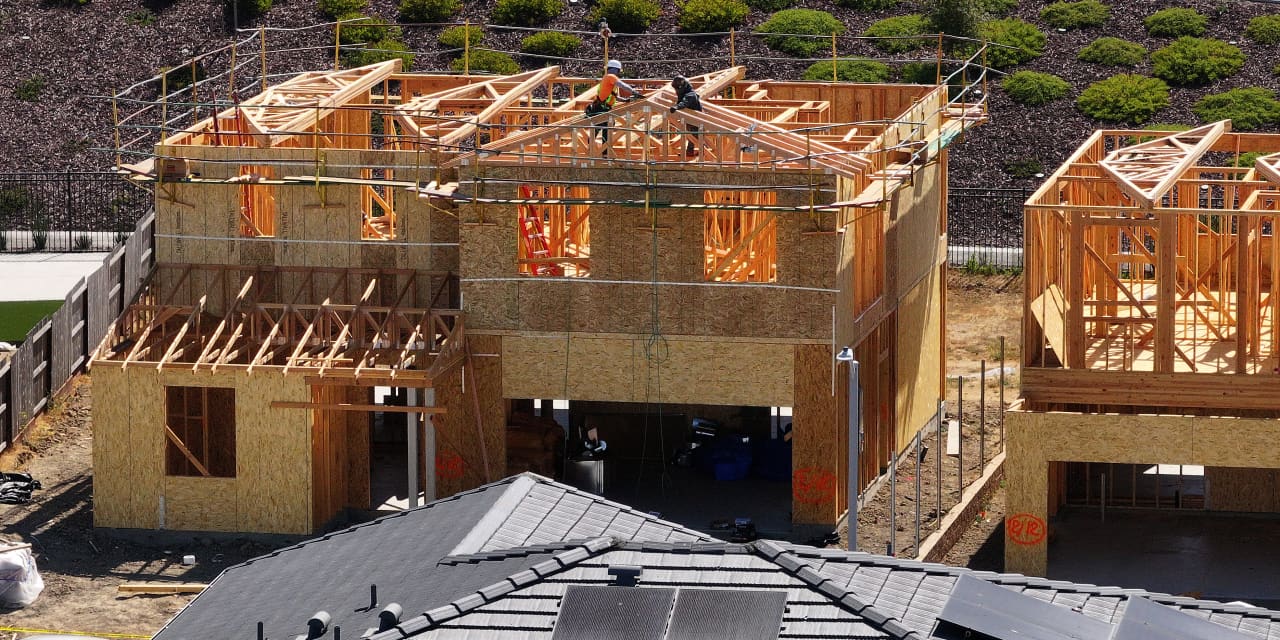
KB Home's Updated Projections Weigh Down Builder Stocks, But the Situation May Not Be as Dire as It Seems.

Earnings Estimates Lowered: KB Home has reduced its earnings estimates due to cautious consumer behavior, rising mortgage rates, and geopolitical uncertainties.
Impact on Home-Builder Stocks: The revision of earnings estimates has negatively affected home-builder stocks, indicating a challenging market environment.
Future Outlook for Home Sales: Despite the current challenges, there is a glimmer of hope for home sales in 2026, suggesting potential recovery in the housing market.
Market Sentiment: The overall sentiment in the housing market remains cautious as builders navigate economic uncertainties and consumer hesitance.
Private Sector Adds 62,000 Jobs in March, Exceeding Expectations
- Job Growth Overview: Private sector employment increased by 62,000 in March, down 4,000 from February's revised total of 66,000 but exceeding the Dow Jones estimate of 39,000, indicating resilience in economic recovery.
- Sector Contribution Analysis: The education and health services sector contributed 58,000 jobs, while construction added 30,000, highlighting the critical role of the health services industry in transforming the labor market.
- Small Business Dominance: Businesses with fewer than 50 employees added 85,000 jobs, while medium-sized firms lost 20,000, indicating a shift towards small businesses leading the recovery, potentially due to inflation impacts and the need for multiple jobs.
- Wage Growth Trends: Wage growth for those remaining in their jobs held steady at 4.5%, while job changers saw a 6.6% increase, up 0.3 percentage points from February, reflecting tightening competition in the labor market.
US Stocks Surge on Hopes for End to Iran War
- Market Rally: The S&P 500 index rose by 2.91%, the Dow Jones Industrial Average by 2.49%, and the Nasdaq 100 by 3.43%, reflecting market optimism regarding the potential end of the Iran war, which could lower energy prices and ease inflation concerns.
- Consumer Confidence Boost: The US March consumer confidence index unexpectedly increased by 0.8 to 91.8, surpassing the anticipated decline to 87.9, indicating a strengthening consumer outlook that may drive spending and economic growth.
- Strength in China: China's March manufacturing PMI rose to 50.4, better than the expected 50.1, signaling signs of economic recovery that could positively impact global growth prospects and further support US stock performance.
- Falling Bond Yields: The 10-year Treasury note yield dropped to 4.28%, a one-week low, reflecting reduced inflation worries, which may provide support for the stock market and enhance investor interest in equities.
US Stocks Surge as Market Sentiment Improves
- Market Sentiment Improves: The S&P 500 index rose by 1.02%, the Dow Jones Industrial Average increased by 0.67%, and the Nasdaq 100 surged by 1.10% as President Trump signaled a willingness to end military actions against Iran, reflecting investor optimism over easing geopolitical risks.
- Falling Bond Yields: The 10-year Treasury note yield dropped to a one-week low of 4.30%, indicating market expectations that an end to the Iran conflict could lower energy prices and alleviate inflation concerns, further supporting stock market gains.
- Consumer Confidence Rises: The US March consumer confidence index unexpectedly increased by 0.8 to 91.8, surpassing expectations of a decline to 87.9, suggesting enhanced consumer confidence in economic prospects, which could drive spending and economic growth.
- Strong Chinese Economy: China's March manufacturing PMI rose to 50.4, exceeding expectations of 50.1, indicating signs of economic recovery that support global growth prospects and positively influence market performance.
US Stocks Surge as Market Sentiment Improves
- Market Rebound: The S&P 500 Index rose by 1.33%, the Dow Jones Industrial Average increased by 1.10%, and the Nasdaq 100 Index climbed by 1.45%, reflecting investor optimism following President Trump's willingness to end military actions against Iran, potentially easing geopolitical tensions.
- Supportive Economic Data: China's March manufacturing PMI rose by 1.4 to 50.4, surpassing expectations of 50.1, indicating signs of economic recovery that could enhance global growth prospects and drive stock markets higher.
- Falling Bond Yields: The 10-year T-note yield dropped to 4.30%, a one-week low, as WTI crude oil prices fell, alleviating inflation concerns and lowering borrowing costs, thereby supporting further gains in the stock market.
- Tech Stocks Lead Gains: The
Impact of Iran War on US Housing Market
- Rising Mortgage Rates: The average rate for a 30-year fixed mortgage has surged from 5.99% to 6.5% due to the war with Iran, severely undermining the anticipated improvement in housing affordability and leading to a 5% drop in mortgage applications.
- Sales Forecast Downgrade: Zillow initially projected a 4.3% increase in existing home sales for 2026, but rising energy prices and inflation concerns have introduced new uncertainties, potentially reducing the sales growth to just 1.21%.
- New Construction Market Struggles: KB Home has lowered its full-year sales forecast following disappointing quarterly earnings, citing that net orders in Q1 fell below necessary levels, reflecting heightened consumer challenges exacerbated by the Middle East conflict.
- Supply-Demand Imbalance: The cancellation rate of home contracts has reached its highest since 2017, with approximately 13.7% of contracts canceled in February, resulting in over 600,000 more sellers than buyers in the market, creating a precarious and unstable housing environment.
KB Home's Updated Projections Weigh Down Builder Stocks, But the Situation May Not Be as Dire as It Seems.
Earnings Estimates Lowered: KB Home has reduced its earnings estimates due to cautious consumer behavior, rising mortgage rates, and geopolitical uncertainties.
Impact on Home-Builder Stocks: The revision of earnings estimates has negatively affected home-builder stocks, indicating a challenging market environment.
Future Outlook for Home Sales: Despite the current challenges, there is a glimmer of hope for home sales in 2026, suggesting potential recovery in the housing market.
Market Sentiment: The overall sentiment in the housing market remains cautious as builders navigate economic uncertainties and consumer hesitance.