Carnival PLC stock declines amid broader market weakness

Carnival PLC's stock price fell by 5.01% as it crossed below the 20-day SMA, reflecting a challenging trading environment.
Despite Carnival's recent positive financial outlook, including a 60% year-over-year increase in adjusted net income and a significant reduction in long-term debt, the stock faced downward pressure amid broader market weakness, with the Nasdaq-100 down 1.39% and the S&P 500 down 0.82%. This sector rotation indicates that investors are reallocating their portfolios in response to market conditions rather than reacting to Carnival's strong performance.
The cruise industry continues to show strong demand, and Carnival's management remains optimistic about future profitability. However, the current market dynamics suggest that investors are cautious, leading to a decline in stock price despite the company's positive financial indicators.
Trade with 70% Backtested Accuracy
Analyst Views on CUK
About CUK
About the author


Carnival's Impressive Recovery and Growth Story

- Financial Recovery: Carnival achieved record full-year revenue exceeding $26 billion and adjusted net income of $3.1 billion in 2023, demonstrating strong post-pandemic recovery and improved profitability.
- Effective Debt Management: The company has aggressively paid down debt and successfully returned to an investment-grade credit rating, reducing vulnerability to interest rate increases and enhancing financial stability and growth potential.
- Operational Efficiency: By replacing older ships with more fuel-efficient vessels, Carnival has not only improved operational efficiency but also boosted profitability through increased onboard spending by travelers.
- Reasonable Market Valuation: Currently trading at 12x forward earnings estimates, down from over 16x a year ago, this reasonable valuation provides investors with ample room for further gains, potentially attracting more buyers into the stock.

Carnival's Remarkable Recovery and Profitability Improvement
- Debt Management Success: Carnival has effectively managed its debt during the pandemic by aggressively paying it down, resulting in an upgrade to investment-grade credit status, which enhances financial stability and investor confidence.
- Record Financial Performance: The company reported full-year revenue exceeding $26 billion and adjusted net income of $3.1 billion in 2023, surpassing financial goals by 18 months, indicating strong market demand and improving profitability.
- Sustainability Strategy: Carnival's SEA Change plan aims to enhance sustainability and return on invested capital, further driving the company's dual goals of environmental responsibility and profitability, thereby strengthening its competitive position in the market.
- Attractive Valuation for Investors: With a current P/E ratio of 12, down from over 16 a year ago, combined with its impressive recovery narrative, Carnival may attract more investors, potentially leading to further stock price gains.

Carnival (CUK.US) Officer Plans to Sell $11.56 Million in Common Stock via Form 144
Stock Sale Announcement: Carnival PLC plans to sell 361.79K shares of its common stock on February 10.
Market Value: The total market value of the shares being sold is approximately $11.56 million.

Queen Mary 2 Reunites with Legendary Namesake After 20 Years
- Historic Reunion: The world's only ocean liner, Queen Mary 2, reunited with her legendary namesake, the original Queen Mary, off the coast of Long Beach for the first time in 20 years, highlighting Cunard's maritime legacy and historical significance.
- Cultural Icon: Celebrating her 90th anniversary, the Queen Mary, an Art Deco icon since her debut in 1936, now serves as a vibrant cultural destination in Long Beach, offering acclaimed dining, immersive tours, and overnight accommodations that attract visitors worldwide.
- Milestone Voyage: This reunion coincides with Queen Mary 2's first-ever transit of the Panama Canal, further solidifying her importance in ocean travel and laying the groundwork for her upcoming 108-night World Voyage, which includes over 30 ports of call.
- Strategic Implications: Cunard's reunion event not only pays tribute to the past but also looks toward the future, showcasing the company's ongoing innovation and leadership in the luxury cruise market, thereby attracting more high-end clientele.

Carnival Reports Record Performance in 2025
- Record Performance: Carnival achieved record revenue, net yields, and adjusted EBITDA in 2025, reflecting strong market demand and profitability, although high debt remains a challenge.
- Debt Management: The company successfully refinanced $19 billion in debt in 2025, reducing it by $10 billion from its 2023 peak, with lower interest rates aiding faster debt repayment and enhancing future financial flexibility.
- Market Performance: Carnival's stock outperformed the S&P 500 with a 23% increase over the past year, although investors remain cautious due to its high debt, raising questions about its ability to sustain market outperformance.
- Dividend Restart: The company has restarted its dividend payments, indicating management's confidence in future profitability, and with a low forward P/E ratio of less than 11, it presents an attractive opportunity in a diversified portfolio.
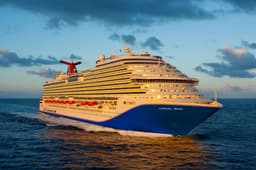
Carnival Corp. Achieves Record Performance in 2025
- Record Performance: Carnival Corp. set new records in 2025, achieving historical highs in revenue, net yields, operating income, customer deposits, and adjusted EBITDA, indicating strong market performance and future growth potential.
- Strong Quarterly Results: In the fourth fiscal quarter ending November 30, Carnival exceeded guidance across metrics, suggesting continued strong profitability in 2026, with bookings and occupancy at historical highs, reflecting sustained consumer demand.
- Debt Management Strategy: Despite incurring significant debt during the pandemic, Carnival successfully refinanced $19 billion in 2025, reducing its debt by $10 billion from its 2023 peak, which lowers financial risk and enhances future repayment capacity.
- Attractive Stock Valuation: With a forward P/E ratio below 11, Carnival's stock appears undervalued, and the management's decision to restart dividends signals confidence in future prospects; if interest rates continue to decline, Carnival is poised to outperform the market again.
Carnival's Impressive Recovery and Growth Story
- Financial Recovery: Carnival achieved record full-year revenue exceeding $26 billion and adjusted net income of $3.1 billion in 2023, demonstrating strong post-pandemic recovery and improved profitability.
- Effective Debt Management: The company has aggressively paid down debt and successfully returned to an investment-grade credit rating, reducing vulnerability to interest rate increases and enhancing financial stability and growth potential.
- Operational Efficiency: By replacing older ships with more fuel-efficient vessels, Carnival has not only improved operational efficiency but also boosted profitability through increased onboard spending by travelers.
- Reasonable Market Valuation: Currently trading at 12x forward earnings estimates, down from over 16x a year ago, this reasonable valuation provides investors with ample room for further gains, potentially attracting more buyers into the stock.
Carnival's Remarkable Recovery and Profitability Improvement
- Debt Management Success: Carnival has effectively managed its debt during the pandemic by aggressively paying it down, resulting in an upgrade to investment-grade credit status, which enhances financial stability and investor confidence.
- Record Financial Performance: The company reported full-year revenue exceeding $26 billion and adjusted net income of $3.1 billion in 2023, surpassing financial goals by 18 months, indicating strong market demand and improving profitability.
- Sustainability Strategy: Carnival's SEA Change plan aims to enhance sustainability and return on invested capital, further driving the company's dual goals of environmental responsibility and profitability, thereby strengthening its competitive position in the market.
- Attractive Valuation for Investors: With a current P/E ratio of 12, down from over 16 a year ago, combined with its impressive recovery narrative, Carnival may attract more investors, potentially leading to further stock price gains.
Carnival (CUK.US) Officer Plans to Sell $11.56 Million in Common Stock via Form 144
Stock Sale Announcement: Carnival PLC plans to sell 361.79K shares of its common stock on February 10.
Market Value: The total market value of the shares being sold is approximately $11.56 million.
Queen Mary 2 Reunites with Legendary Namesake After 20 Years
- Historic Reunion: The world's only ocean liner, Queen Mary 2, reunited with her legendary namesake, the original Queen Mary, off the coast of Long Beach for the first time in 20 years, highlighting Cunard's maritime legacy and historical significance.
- Cultural Icon: Celebrating her 90th anniversary, the Queen Mary, an Art Deco icon since her debut in 1936, now serves as a vibrant cultural destination in Long Beach, offering acclaimed dining, immersive tours, and overnight accommodations that attract visitors worldwide.
- Milestone Voyage: This reunion coincides with Queen Mary 2's first-ever transit of the Panama Canal, further solidifying her importance in ocean travel and laying the groundwork for her upcoming 108-night World Voyage, which includes over 30 ports of call.
- Strategic Implications: Cunard's reunion event not only pays tribute to the past but also looks toward the future, showcasing the company's ongoing innovation and leadership in the luxury cruise market, thereby attracting more high-end clientele.
Carnival Reports Record Performance in 2025
- Record Performance: Carnival achieved record revenue, net yields, and adjusted EBITDA in 2025, reflecting strong market demand and profitability, although high debt remains a challenge.
- Debt Management: The company successfully refinanced $19 billion in debt in 2025, reducing it by $10 billion from its 2023 peak, with lower interest rates aiding faster debt repayment and enhancing future financial flexibility.
- Market Performance: Carnival's stock outperformed the S&P 500 with a 23% increase over the past year, although investors remain cautious due to its high debt, raising questions about its ability to sustain market outperformance.
- Dividend Restart: The company has restarted its dividend payments, indicating management's confidence in future profitability, and with a low forward P/E ratio of less than 11, it presents an attractive opportunity in a diversified portfolio.
Carnival Corp. Achieves Record Performance in 2025
- Record Performance: Carnival Corp. set new records in 2025, achieving historical highs in revenue, net yields, operating income, customer deposits, and adjusted EBITDA, indicating strong market performance and future growth potential.
- Strong Quarterly Results: In the fourth fiscal quarter ending November 30, Carnival exceeded guidance across metrics, suggesting continued strong profitability in 2026, with bookings and occupancy at historical highs, reflecting sustained consumer demand.
- Debt Management Strategy: Despite incurring significant debt during the pandemic, Carnival successfully refinanced $19 billion in 2025, reducing its debt by $10 billion from its 2023 peak, which lowers financial risk and enhances future repayment capacity.
- Attractive Stock Valuation: With a forward P/E ratio below 11, Carnival's stock appears undervalued, and the management's decision to restart dividends signals confidence in future prospects; if interest rates continue to decline, Carnival is poised to outperform the market again.