Loading...

12/17 05:27
Loading...


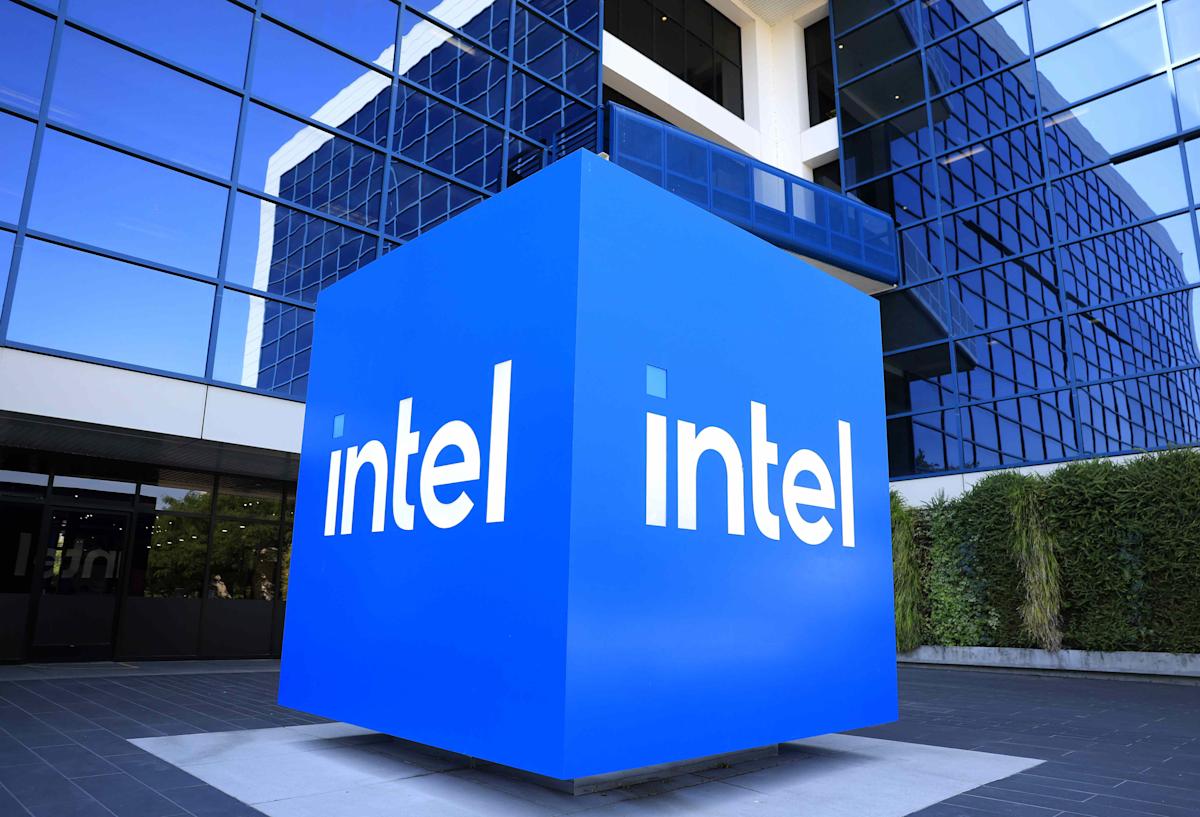
President Donald Trump announced a landmark deal involving the U.S. government acquiring a 10% stake in Intel, one of America's leading but struggling chipmakers. The agreement aims to stabilize Intel's operations as it navigates financial and competitive challenges. This unprecedented deal will convert funds allocated under the Biden-era CHIPS Act into equity, marking a significant departure from traditional government intervention in private enterprise. The CHIPS Act was originally designed to bolster domestic semiconductor manufacturing, and the equity conversion represents a strategic pivot to provide direct support to Intel.
Trump described the agreement as mutually beneficial, emphasizing its importance in revitalizing U.S.-based chip production amid global supply chain uncertainties. This move follows heightened concerns over the U.S.'s reliance on overseas semiconductor manufacturing, particularly in Taiwan, which dominates the global market.
Intel has faced significant headwinds in recent years, losing market share in both its legacy computer chip segment and the rapidly growing artificial intelligence (AI) sector. Rival companies such as Advanced Micro Devices (AMD) and Nvidia (NVDA) have outpaced Intel in innovation and market performance. Intel’s inability to compete effectively in AI chips has further eroded its competitive position.
Financially, the company has been under pressure, with a market capitalization reduced to approximately $111 billion—nearly half of its 2021 valuation. In response to these challenges, Intel has implemented cost-cutting measures, including workforce reductions of 15%, and delayed major projects, such as its $20 billion chip manufacturing complex in Ohio. These setbacks highlight Intel's struggle to keep pace with competitors and execute its turnaround plans.
The acquisition of a 10% stake in Intel by the U.S. government underscores the strategic importance of domestic semiconductor manufacturing for national security. Semiconductors are critical components in a wide range of technologies, from consumer electronics to military systems, and the U.S. government aims to reduce reliance on foreign suppliers by bolstering domestic production capacity.
For Intel, the deal provides a financial lifeline and an opportunity to regain its footing in the global semiconductor industry. However, the company still faces significant hurdles, including lagging behind in advanced chip technologies and recovering its market share in key sectors. While the government’s involvement could stabilize operations in the short term, Intel’s long-term success will depend on its ability to innovate and execute its manufacturing strategies effectively. The deal also signals a broader policy shift towards direct government involvement in critical industries, which could influence global competition in the semiconductor market.
 Sources
 yahoo
yahoo investopediayahoo
 cnn
cnn

RIME
Algorhythm Holdings Inc

ABLV
Able View Global Inc

CTOS
Custom Truck One Source Inc

IRS
IRSA Inversiones y Representaciones SA

IAC
IAC Inc

KXIN
Kaixin Holdings

CLST
Catalyst Bancorp Inc

UNFI
United Natural Foods Inc

UAMY
United States Antimony Corp

FG
F&G Annuities & Life Inc