Zscaler Sees 21% Revenue Increase in Fiscal Q4
Strong Financial Performance: Zscaler reported Q4 FY2025 results with GAAP revenue of $719.2 million, exceeding expectations, and achieved a 22% year-over-year growth in Annual Recurring Revenue (ARR), surpassing $3 billion for the first time. Despite a GAAP net loss of $17.6 million, the company showed strong demand with a 32% increase in calculated billings and a 26.1% rise in free cash flow.
Product Innovation and Strategic Growth: The company launched new AI-powered security modules and enhanced its Zero Trust Exchange platform, focusing on customer needs and technological advancements. Strategic acquisitions, such as Red Canary, and partnerships are expected to bolster Zscaler's capabilities in cybersecurity, while management provided optimistic guidance for FY2026, anticipating continued revenue growth amidst competitive pressures.
Trade with 70% Backtested Accuracy
Analyst Views on ZS

About ZS
About the author

Boeing and GE Vernova Report Strong Earnings, Market Rebounds


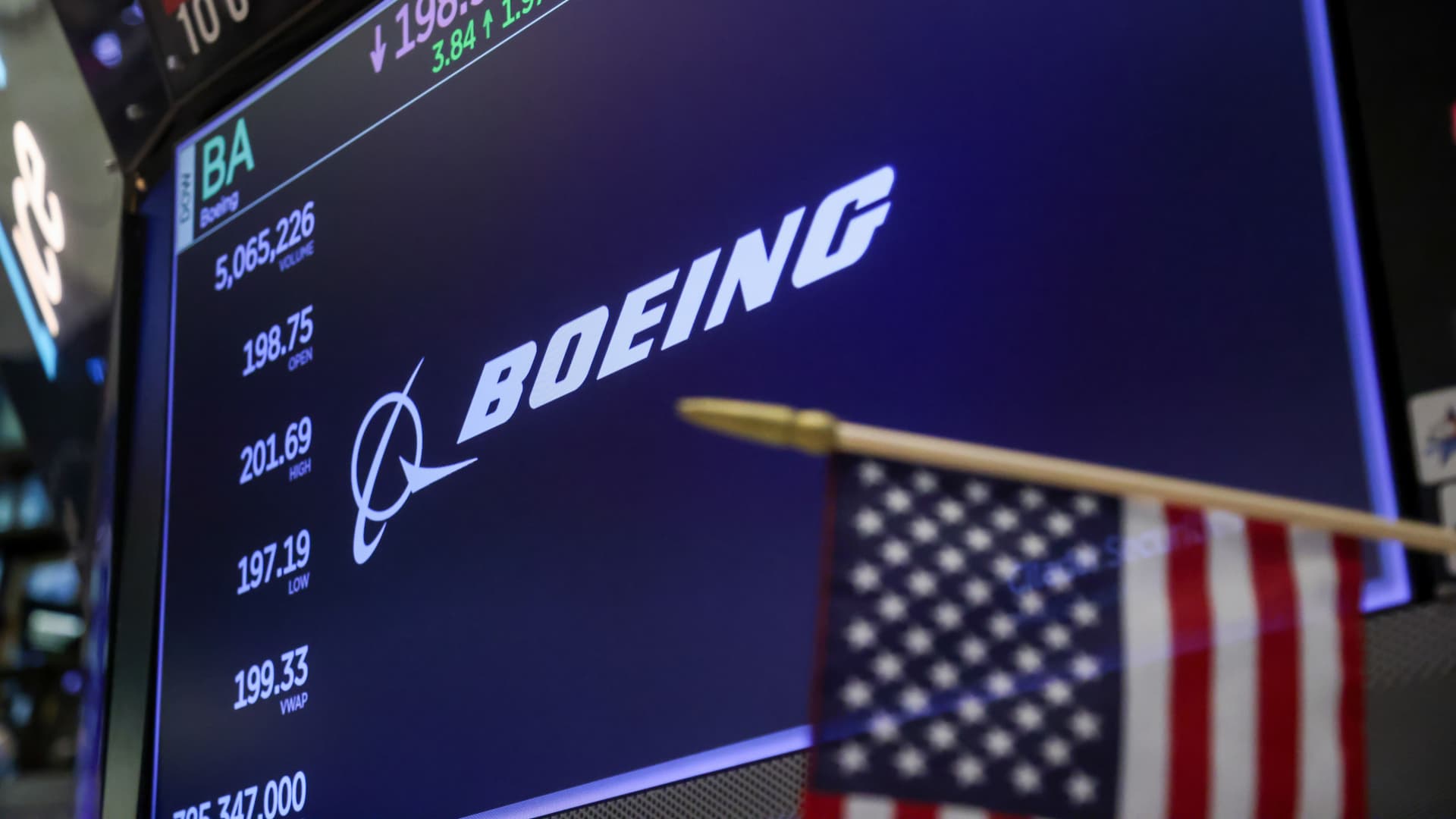
- Boeing's Strong Earnings: Boeing's first-quarter results exceeded expectations with record revenue and profit, achieving the highest backlog levels across its commercial, defense, and services segments, and while free cash flow remains negative, it shows significant improvement from last year, indicating early success of CEO Kelly Ortberg's turnaround strategy.
- GE Vernova's Blowout Performance: GE Vernova reported a significantly better-than-expected first quarter, with shares jumping nearly 8%, as natural gas turbine orders are sold out through 2028, and the electrical grid equipment segment is booming due to surging demand from data centers, highlighting strong market demand driven by AI infrastructure development.
- Capital One's Earnings Miss: Capital One missed earnings and revenue expectations in a noisy quarter, and while Barclays raised its price target to $250, we lowered our target to $255 to reflect concerns over credit card business pressures amid worries about consumer spending.
- Adobe's Stock Buyback Plan: Adobe announced a long-term $25 billion stock buyback plan set to run through 2030, with shares rising nearly 3% on the news, demonstrating the company's confidence in future growth despite facing challenges from AI disruptions this year.
Morgan Stanley Downgrades Zscaler Rating Amid Competition Concerns

- Rating Downgrade: Morgan Stanley downgraded Zscaler's rating from Overweight to Equal-weight and cut the price target from $200 to $155, primarily due to increasing competition in the Secure Access Service Edge (SASE) space, which has weakened market confidence in its future growth.
- Performance Outlook: While Zscaler's ZDX achieved $100 million in annual recurring revenue with an 80% year-over-year increase, analysts noted that the slow integration of Red Canary has failed to provide the expected market momentum, impacting the overall growth narrative of the platform.
- Market Reaction: Zscaler's shares dipped about 1% in premarket trading on Tuesday and have fallen over 35% year-to-date, significantly exceeding the security sector's average decline of 24%, indicating that the market has partially priced in the analysts' cautious outlook.
- Competitive Pressure: Analysts warned that as customers evaluate broader platform vendors with deeper networking capabilities, Zscaler faces increased competitive pressure in large enterprise deals, leading to elongated sales cycles that could affect its future profitability and market share.

ZSCALER INC: MORGAN STANLEY LOWERS RATING TO EQUAL-WEIGHT FROM OVERWEIGHT
Morgan Stanley's Strategy: Morgan Stanley has adjusted its investment strategy by cutting its overweight position in certain assets to achieve a more equal-weighted portfolio.
Market Implications: This shift indicates a response to market conditions, aiming to balance risk and return across various investments.

US Stocks Rise on Strong Retail Sales and Earnings Reports


- Strong Retail Sales: US March retail sales rose 1.7% month-over-month, exceeding expectations of 1.4% and marking the largest increase in a year, indicating robust consumer spending that could bolster economic recovery and market confidence.
- Earnings Support: UnitedHealth Group (UNH) reported Q1 adjusted EPS of $9.23, significantly above the consensus of $6.57, raising its full-year forecast to above $18.25, which has driven health insurance stocks higher and reflects industry resilience.
- Fed Nomination in Focus: Kevin Warsh's confirmation hearing before the Senate Banking Committee is drawing attention; despite facing an investigation hurdle, Warsh's commitment to an independent Fed and prioritizing inflation control could influence future monetary policy directions.
- International Tensions Impact Oil Prices: WTI crude oil prices fell over 1% as Iran is set to attend peace talks with the US, while the closure of the Strait of Hormuz threatens to exacerbate the global energy crisis, affecting market sentiment.

U.S. Stocks Mixed as Oil Prices Rebound
- Market Performance: The S&P 500 Index fell by 0.13%, and the Dow Jones Industrial Average also declined by 0.13%, while the Nasdaq 100 saw a slight increase of 0.02%, reflecting market volatility influenced by oil price rebounds and economic data.
- Strong Economic Data: March retail sales rose by 1.7% month-over-month, exceeding expectations of 1.4%, marking the largest increase in a year, indicating robust consumer spending that may support stock prices.
- Oil Price Recovery: WTI crude oil prices rebounded by over 2% as market speculation intensified regarding Iran's participation in upcoming peace talks, potentially exacerbating the global energy crisis.
- Impressive Earnings Reports: UnitedHealth Group reported Q1 adjusted EPS of $9.23, significantly above the consensus of $6.57, leading to a stock price increase of over 7% and raising its full-year earnings forecast, showcasing strong performance in the health insurance sector.
US Stocks Close Lower as Oil Prices Rebound Impact Market

- Market Decline: The S&P 500 index fell by 0.63%, the Dow Jones Industrial Average dropped by 0.59%, and the Nasdaq 100 index decreased by 0.42%, reflecting investor concerns over the uncertainty surrounding Iran's geopolitical situation, which dampened market sentiment.
- Oil Price Rebound Impact: WTI crude oil prices rebounded by over 2% after Iran announced it would not attend peace talks, raising fears of a deepening global energy crisis, which could further hinder economic recovery.
- Supportive Economic Data: March retail sales rose by 1.7% month-over-month, surpassing expectations of 1.4%, indicating robust consumer spending that may provide some support for the stock market, despite overall market pressures.
- Fed Nominee Supports Independence: Fed Chair nominee Kevin Warsh emphasized the importance of monetary policy independence and controlling inflation in his Senate Banking Committee statement, which could positively influence market confidence.
Boeing and GE Vernova Report Strong Earnings, Market Rebounds
- Boeing's Strong Earnings: Boeing's first-quarter results exceeded expectations with record revenue and profit, achieving the highest backlog levels across its commercial, defense, and services segments, and while free cash flow remains negative, it shows significant improvement from last year, indicating early success of CEO Kelly Ortberg's turnaround strategy.
- GE Vernova's Blowout Performance: GE Vernova reported a significantly better-than-expected first quarter, with shares jumping nearly 8%, as natural gas turbine orders are sold out through 2028, and the electrical grid equipment segment is booming due to surging demand from data centers, highlighting strong market demand driven by AI infrastructure development.
- Capital One's Earnings Miss: Capital One missed earnings and revenue expectations in a noisy quarter, and while Barclays raised its price target to $250, we lowered our target to $255 to reflect concerns over credit card business pressures amid worries about consumer spending.
- Adobe's Stock Buyback Plan: Adobe announced a long-term $25 billion stock buyback plan set to run through 2030, with shares rising nearly 3% on the news, demonstrating the company's confidence in future growth despite facing challenges from AI disruptions this year.
Morgan Stanley Downgrades Zscaler Rating Amid Competition Concerns
- Rating Downgrade: Morgan Stanley downgraded Zscaler's rating from Overweight to Equal-weight and cut the price target from $200 to $155, primarily due to increasing competition in the Secure Access Service Edge (SASE) space, which has weakened market confidence in its future growth.
- Performance Outlook: While Zscaler's ZDX achieved $100 million in annual recurring revenue with an 80% year-over-year increase, analysts noted that the slow integration of Red Canary has failed to provide the expected market momentum, impacting the overall growth narrative of the platform.
- Market Reaction: Zscaler's shares dipped about 1% in premarket trading on Tuesday and have fallen over 35% year-to-date, significantly exceeding the security sector's average decline of 24%, indicating that the market has partially priced in the analysts' cautious outlook.
- Competitive Pressure: Analysts warned that as customers evaluate broader platform vendors with deeper networking capabilities, Zscaler faces increased competitive pressure in large enterprise deals, leading to elongated sales cycles that could affect its future profitability and market share.
ZSCALER INC: MORGAN STANLEY LOWERS RATING TO EQUAL-WEIGHT FROM OVERWEIGHT
Morgan Stanley's Strategy: Morgan Stanley has adjusted its investment strategy by cutting its overweight position in certain assets to achieve a more equal-weighted portfolio.
Market Implications: This shift indicates a response to market conditions, aiming to balance risk and return across various investments.
US Stocks Rise on Strong Retail Sales and Earnings Reports
- Strong Retail Sales: US March retail sales rose 1.7% month-over-month, exceeding expectations of 1.4% and marking the largest increase in a year, indicating robust consumer spending that could bolster economic recovery and market confidence.
- Earnings Support: UnitedHealth Group (UNH) reported Q1 adjusted EPS of $9.23, significantly above the consensus of $6.57, raising its full-year forecast to above $18.25, which has driven health insurance stocks higher and reflects industry resilience.
- Fed Nomination in Focus: Kevin Warsh's confirmation hearing before the Senate Banking Committee is drawing attention; despite facing an investigation hurdle, Warsh's commitment to an independent Fed and prioritizing inflation control could influence future monetary policy directions.
- International Tensions Impact Oil Prices: WTI crude oil prices fell over 1% as Iran is set to attend peace talks with the US, while the closure of the Strait of Hormuz threatens to exacerbate the global energy crisis, affecting market sentiment.
U.S. Stocks Mixed as Oil Prices Rebound
- Market Performance: The S&P 500 Index fell by 0.13%, and the Dow Jones Industrial Average also declined by 0.13%, while the Nasdaq 100 saw a slight increase of 0.02%, reflecting market volatility influenced by oil price rebounds and economic data.
- Strong Economic Data: March retail sales rose by 1.7% month-over-month, exceeding expectations of 1.4%, marking the largest increase in a year, indicating robust consumer spending that may support stock prices.
- Oil Price Recovery: WTI crude oil prices rebounded by over 2% as market speculation intensified regarding Iran's participation in upcoming peace talks, potentially exacerbating the global energy crisis.
- Impressive Earnings Reports: UnitedHealth Group reported Q1 adjusted EPS of $9.23, significantly above the consensus of $6.57, leading to a stock price increase of over 7% and raising its full-year earnings forecast, showcasing strong performance in the health insurance sector.
US Stocks Close Lower as Oil Prices Rebound Impact Market
- Market Decline: The S&P 500 index fell by 0.63%, the Dow Jones Industrial Average dropped by 0.59%, and the Nasdaq 100 index decreased by 0.42%, reflecting investor concerns over the uncertainty surrounding Iran's geopolitical situation, which dampened market sentiment.
- Oil Price Rebound Impact: WTI crude oil prices rebounded by over 2% after Iran announced it would not attend peace talks, raising fears of a deepening global energy crisis, which could further hinder economic recovery.
- Supportive Economic Data: March retail sales rose by 1.7% month-over-month, surpassing expectations of 1.4%, indicating robust consumer spending that may provide some support for the stock market, despite overall market pressures.
- Fed Nominee Supports Independence: Fed Chair nominee Kevin Warsh emphasized the importance of monetary policy independence and controlling inflation in his Senate Banking Committee statement, which could positively influence market confidence.