Peabody CEO Appointed Chair of National Coal Council

Peabody Energy Corp (BTU) has seen its stock price rise by 3.04% as it reaches a 52-week high.
The increase is attributed to the appointment of Peabody's CEO Jim Grech as Chair of the National Coal Council, which underscores the growing significance of the coal industry in U.S. energy policy. This role is expected to drive advancements in coal usage and policy support, particularly as U.S. coal-fueled generation is projected to rise by 13% in 2025. Furthermore, global coal demand has reached an all-time high, reflecting coal's critical role in meeting energy needs.
This leadership position not only enhances Peabody's visibility in the energy sector but also positions the company favorably amid increasing coal demand, potentially leading to further growth opportunities.
Trade with 70% Backtested Accuracy
Analyst Views on BTU

About BTU
About the author


Gate City Capital Management Sells Peabody Energy Shares
- Share Reduction: Gate City Capital Management sold 481,537 shares of Peabody Energy in Q4 2025, with an estimated transaction value of $14.15 million, indicating a cautious approach to its holdings in the company.
- Position Value Shift: As of the end of Q4 2025, the remaining position in Peabody Energy was valued at $18.11 million, reflecting a $10.83 million decline from the previous quarter, highlighting the impact of market fluctuations on its assets.
- Performance Overview: Peabody Energy reported $3.86 billion in revenue for 2025, despite a net loss of $52.9 million for the year; however, the fourth quarter saw an adjusted EBITDA of $118.1 million, showcasing strong performance particularly in the Powder River Basin.
- Strategic Outlook: With the Centurion longwall mining project starting two months ahead of schedule and targeting 3.5 million tons in 2026, ramping up to 4.7 million tons annually, this significantly enhances its leverage in the premium metallurgical coal market.

Trump Signs Executive Order for Coal Purchases

- Coal Procurement Directive: President Trump signed an executive order directing the Department of Defense to purchase electricity from coal-fired power plants, aiming to support the struggling coal industry and enhance national energy security through military procurement of significant coal supplies.
- Funding for Upgrades: The Energy Department will allocate $175 million to upgrade six coal plants across Kentucky, North Carolina, Ohio, Virginia, and West Virginia, aiming to improve operational efficiency and environmental compliance of these facilities.
- Closure Delay Announcement: The Tennessee Valley Authority announced plans to delay the closure of two older coal-fired plants in Tennessee, indicating government support for the coal industry, which may impact the future energy landscape.
- Industry Outlook Analysis: While coal generation rose approximately 13% year-over-year, the International Energy Agency projects that U.S. coal consumption will decline by 6% annually through 2030, reflecting a gradual shift towards renewable energy and natural gas alternatives.
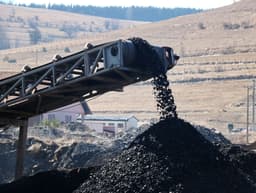
Trump Signs Executive Order to Revitalize Coal Industry
- Government Procurement Commitment: Trump signed an executive order committing the federal government to long-term electricity purchase agreements with coal plants to support U.S. military operations, which is expected to enhance market demand and stability for the coal industry.
- Funding for Upgrades: The Department of Energy will provide $175 million to upgrade six coal plants in Kentucky, North Carolina, Ohio, Virginia, and West Virginia, which is anticipated to improve production efficiency and environmental standards at these facilities.
- Positive Market Reaction: Following Trump's signing of the order, Peabody Energy's stock rose 4.5% in after-hours trading, indicating optimistic market sentiment towards the revitalization of the coal industry, while other coal-related companies also saw stock price increases, reflecting investor confidence in policy support.
- Environmental Controversy Intensifies: Despite Trump's efforts to revitalize the coal industry, environmental groups criticized the move as placing a financial burden on taxpayers for high-pollution power plants, potentially leading to increased energy costs in the future and raising social risks associated with policy implementation.

Trump Orders Defense Department to Purchase Coal Power
- Coal Procurement Order: President Trump signed an executive order directing the Defense Department to secure long-term power purchase agreements with coal plants for military installations, which is expected to significantly boost market demand and stability for the coal industry.
- Industry Revival Plan: This order aims to revitalize the coal sector amid fierce competition from natural gas and renewable energy, with Trump reiterating the importance of coal to U.S. national and economic security.
- Positive Market Reaction: Following the announcement of the procurement plan, Peabody Energy's shares rose by 4% in after-hours trading, reflecting market optimism regarding the recovery of the coal industry.
- Funding Support Measures: Trump also directed the Department of Energy to provide funds to keep coal plants operational in West Virginia, Ohio, North Carolina, and Kentucky, further solidifying coal's position in the U.S. energy landscape.
Peabody Energy Restarts Longwall Production at Centurion Mine
- Production Restart: Peabody Energy has restarted longwall production at its Centurion coking coal mine in Australia after an eight-year hiatus, marking a strategic return to the coal market with plans to produce 3.5 million tons of coking coal in 2026 and ramping up to 4.7 million tons annually by 2028.
- Historical Context: The Centurion mine, previously known as the North Goonyella mine, halted production in September 2018 due to a fire, and its restart is expected to significantly enhance the company's coal production capacity, addressing the growing market demand while reflecting confidence in coal as a vital U.S. energy asset.
- CEO Statement: Peabody's CEO James Grech emphasized during the earnings call that coal remains America's most valuable energy asset, with more energy in U.S. coal than any other nation has in a single energy source, surpassing Saudi Arabia's oil and Russia's natural gas, highlighting coal's critical role in future energy security.
- Market Outlook: The restart of the Centurion mine not only strengthens Peabody's competitive position in the market but also ensures future energy supply security, further solidifying its standing in the global coal industry.
Trump to Unveil Plans Supporting Coal Power Plants
- Government Funding Support: Trump plans to sustain U.S. coal-fired power plants through an executive order utilizing government funding and Pentagon contracts, aiming to enhance domestic reliance on fossil fuels and drive energy independence.
- Electricity Procurement Agreements: Trump directs the Defense Secretary to enter agreements with coal plants to purchase electricity for military operations, a move that not only ensures stable energy supply for the military but may also boost overall demand in the coal industry.
- Upgrade Investment Plan: The Department of Energy will provide $175 million for upgrades at six coal-fired plants in Kentucky, North Carolina, Ohio, Virginia, and West Virginia, which is expected to enhance the efficiency and environmental standards of these facilities, promoting sustainable development in the coal sector.
- Industry Promotion Event: The White House will hold an event on Wednesday to promote coal-powered energy, with coal executives, miners, and energy industry leaders attending, which not only demonstrates government support for the coal industry but may also enhance industry confidence and encourage investment.
Gate City Capital Management Sells Peabody Energy Shares
- Share Reduction: Gate City Capital Management sold 481,537 shares of Peabody Energy in Q4 2025, with an estimated transaction value of $14.15 million, indicating a cautious approach to its holdings in the company.
- Position Value Shift: As of the end of Q4 2025, the remaining position in Peabody Energy was valued at $18.11 million, reflecting a $10.83 million decline from the previous quarter, highlighting the impact of market fluctuations on its assets.
- Performance Overview: Peabody Energy reported $3.86 billion in revenue for 2025, despite a net loss of $52.9 million for the year; however, the fourth quarter saw an adjusted EBITDA of $118.1 million, showcasing strong performance particularly in the Powder River Basin.
- Strategic Outlook: With the Centurion longwall mining project starting two months ahead of schedule and targeting 3.5 million tons in 2026, ramping up to 4.7 million tons annually, this significantly enhances its leverage in the premium metallurgical coal market.
Trump Signs Executive Order for Coal Purchases
- Coal Procurement Directive: President Trump signed an executive order directing the Department of Defense to purchase electricity from coal-fired power plants, aiming to support the struggling coal industry and enhance national energy security through military procurement of significant coal supplies.
- Funding for Upgrades: The Energy Department will allocate $175 million to upgrade six coal plants across Kentucky, North Carolina, Ohio, Virginia, and West Virginia, aiming to improve operational efficiency and environmental compliance of these facilities.
- Closure Delay Announcement: The Tennessee Valley Authority announced plans to delay the closure of two older coal-fired plants in Tennessee, indicating government support for the coal industry, which may impact the future energy landscape.
- Industry Outlook Analysis: While coal generation rose approximately 13% year-over-year, the International Energy Agency projects that U.S. coal consumption will decline by 6% annually through 2030, reflecting a gradual shift towards renewable energy and natural gas alternatives.
Trump Signs Executive Order to Revitalize Coal Industry
- Government Procurement Commitment: Trump signed an executive order committing the federal government to long-term electricity purchase agreements with coal plants to support U.S. military operations, which is expected to enhance market demand and stability for the coal industry.
- Funding for Upgrades: The Department of Energy will provide $175 million to upgrade six coal plants in Kentucky, North Carolina, Ohio, Virginia, and West Virginia, which is anticipated to improve production efficiency and environmental standards at these facilities.
- Positive Market Reaction: Following Trump's signing of the order, Peabody Energy's stock rose 4.5% in after-hours trading, indicating optimistic market sentiment towards the revitalization of the coal industry, while other coal-related companies also saw stock price increases, reflecting investor confidence in policy support.
- Environmental Controversy Intensifies: Despite Trump's efforts to revitalize the coal industry, environmental groups criticized the move as placing a financial burden on taxpayers for high-pollution power plants, potentially leading to increased energy costs in the future and raising social risks associated with policy implementation.
Trump Orders Defense Department to Purchase Coal Power
- Coal Procurement Order: President Trump signed an executive order directing the Defense Department to secure long-term power purchase agreements with coal plants for military installations, which is expected to significantly boost market demand and stability for the coal industry.
- Industry Revival Plan: This order aims to revitalize the coal sector amid fierce competition from natural gas and renewable energy, with Trump reiterating the importance of coal to U.S. national and economic security.
- Positive Market Reaction: Following the announcement of the procurement plan, Peabody Energy's shares rose by 4% in after-hours trading, reflecting market optimism regarding the recovery of the coal industry.
- Funding Support Measures: Trump also directed the Department of Energy to provide funds to keep coal plants operational in West Virginia, Ohio, North Carolina, and Kentucky, further solidifying coal's position in the U.S. energy landscape.
Peabody Energy Restarts Longwall Production at Centurion Mine
- Production Restart: Peabody Energy has restarted longwall production at its Centurion coking coal mine in Australia after an eight-year hiatus, marking a strategic return to the coal market with plans to produce 3.5 million tons of coking coal in 2026 and ramping up to 4.7 million tons annually by 2028.
- Historical Context: The Centurion mine, previously known as the North Goonyella mine, halted production in September 2018 due to a fire, and its restart is expected to significantly enhance the company's coal production capacity, addressing the growing market demand while reflecting confidence in coal as a vital U.S. energy asset.
- CEO Statement: Peabody's CEO James Grech emphasized during the earnings call that coal remains America's most valuable energy asset, with more energy in U.S. coal than any other nation has in a single energy source, surpassing Saudi Arabia's oil and Russia's natural gas, highlighting coal's critical role in future energy security.
- Market Outlook: The restart of the Centurion mine not only strengthens Peabody's competitive position in the market but also ensures future energy supply security, further solidifying its standing in the global coal industry.
Trump to Unveil Plans Supporting Coal Power Plants
- Government Funding Support: Trump plans to sustain U.S. coal-fired power plants through an executive order utilizing government funding and Pentagon contracts, aiming to enhance domestic reliance on fossil fuels and drive energy independence.
- Electricity Procurement Agreements: Trump directs the Defense Secretary to enter agreements with coal plants to purchase electricity for military operations, a move that not only ensures stable energy supply for the military but may also boost overall demand in the coal industry.
- Upgrade Investment Plan: The Department of Energy will provide $175 million for upgrades at six coal-fired plants in Kentucky, North Carolina, Ohio, Virginia, and West Virginia, which is expected to enhance the efficiency and environmental standards of these facilities, promoting sustainable development in the coal sector.
- Industry Promotion Event: The White House will hold an event on Wednesday to promote coal-powered energy, with coal executives, miners, and energy industry leaders attending, which not only demonstrates government support for the coal industry but may also enhance industry confidence and encourage investment.