Expedia Group Inc rises after Tiqets acquisition announcement
Written by Emily J. Thompson, Senior Investment Analyst
Updated: Dec 10 2025
0mins

Should l Buy EXPE?
Source: Businesswire
Expedia Group Inc's stock rose by 3.95% and reached a 52-week high. This increase comes amid broader market weakness, with the Nasdaq-100 down 0.19% and the S&P 500 down 0.10%.
The rise in Expedia's stock is attributed to the company's announcement of its acquisition of Amsterdam-based Tiqets, aimed at enhancing its travel experience offerings. This strategic acquisition is expected to unlock new growth opportunities and improve customer satisfaction by providing a more comprehensive selection of activities for travelers.
This acquisition positions Expedia to better compete in the rapidly growing travel activities market, potentially leading to increased revenue and market share as the travel industry continues to recover.
Trade with 70% Backtested Accuracy
Stop guessing "Should I Buy EXPE?" and start using high-conviction signals backed by rigorous historical data.
Sign up today to access powerful investing tools and make smarter, data-driven decisions.
Analyst Views on EXPE
Wall Street analysts forecast EXPE stock price to rise
28 Analyst Rating
9 Buy
19 Hold
0 Sell
Moderate Buy
Current: 227.670

Low
220.00
Averages
284.79
High
360.00
Current: 227.670
Low
220.00
Averages
284.79
High
360.00
About EXPE
Expedia Group, Inc. is an online travel company. The Company’s segments include B2C, B2B, and trivago. The B2C segment provides a full range of travel and advertising services to its worldwide customers through a variety of consumer brands including: Expedia.com, Hotels.com, Vrbo, Orbitz, Travelocity, Wotif Group, ebookers, CheapTickets, Hotwire.com and CarRentals.com. The B2B segment fuels a wide range of travel and non-travel companies, including airlines, offline travel agents, online retailers, corporate travel management and financial institutions, who leverage travel technology and tap into its diverse supply to augment their offerings and market Expedia Group rates and availabilities to their travelers. Its trivago segment generates advertising revenue primarily from sending referrals to online travel companies and travel service providers from its hotel metasearch Websites. The trivago is its majority-owned hotel metasearch company, based in Dusseldorf, Germany.
About the author

Emily J. Thompson
Emily J. Thompson, a Chartered Financial Analyst (CFA) with 12 years in investment research, graduated with honors from the Wharton School. Specializing in industrial and technology stocks, she provides in-depth analysis for Intellectia’s earnings and market brief reports.

Target Hospitality Shares Surge 36.4% on $550 Million Contract Announcement

- Contract Impact: Target Hospitality's announcement of a $550 million multi-year contract with a top-five global hyperscaler led to a 36.4% surge in share price during the last trading session, reflecting strong market confidence in its growth potential.
- Revenue Guidance Increase: Management raised its 2026 revenue guidance to a range of $360 million to $370 million, with adjusted EBITDA expected to reach $70 million to $80 million, indicating significant revenue streams and improved profitability from the new contract.
- Quarterly Loss Expectations: Despite the stock surge, Target Hospitality anticipates a quarterly loss of $0.11 per share, representing a 120% year-over-year decline, highlighting challenges in restoring profitability that investors should monitor closely.
- Market Reaction Analysis: Although the stock price has risen sharply, a 42.2% downward revision in earnings estimates over the past 30 days suggests market concerns about future profitability, prompting investors to exercise caution in observing subsequent trends.
See More
US Stock Market Declines Amid Rising Oil Prices


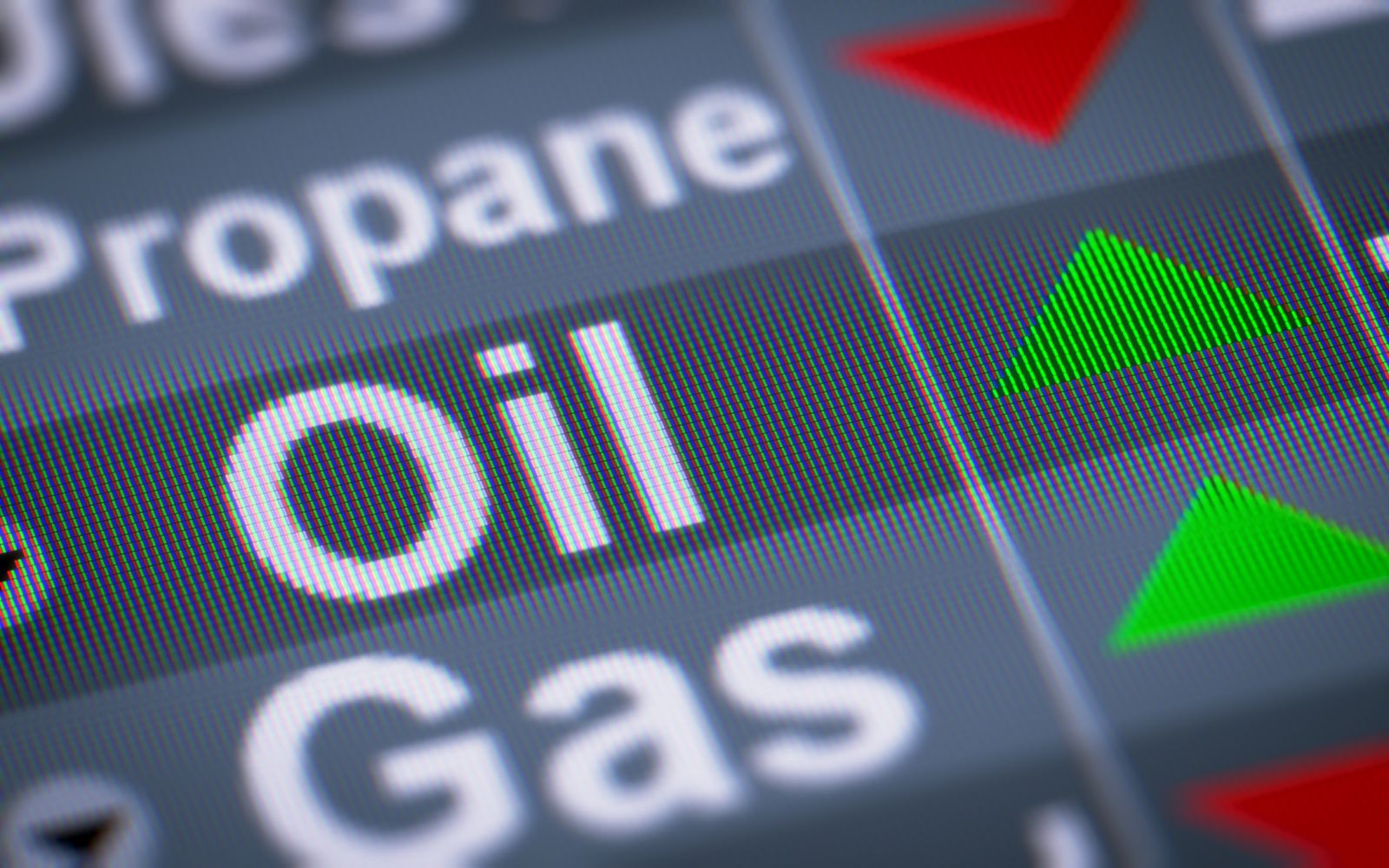
- Oil Price Surge Impacts Markets: The S&P 500 Index fell by 0.75%, the Dow Jones Industrial Average by 0.21%, and the Nasdaq 100 by 1.18% as the market reacts to the first oil settlement exceeding $100 since 2022, highlighting concerns over rising energy costs amid ongoing supply chain risks.
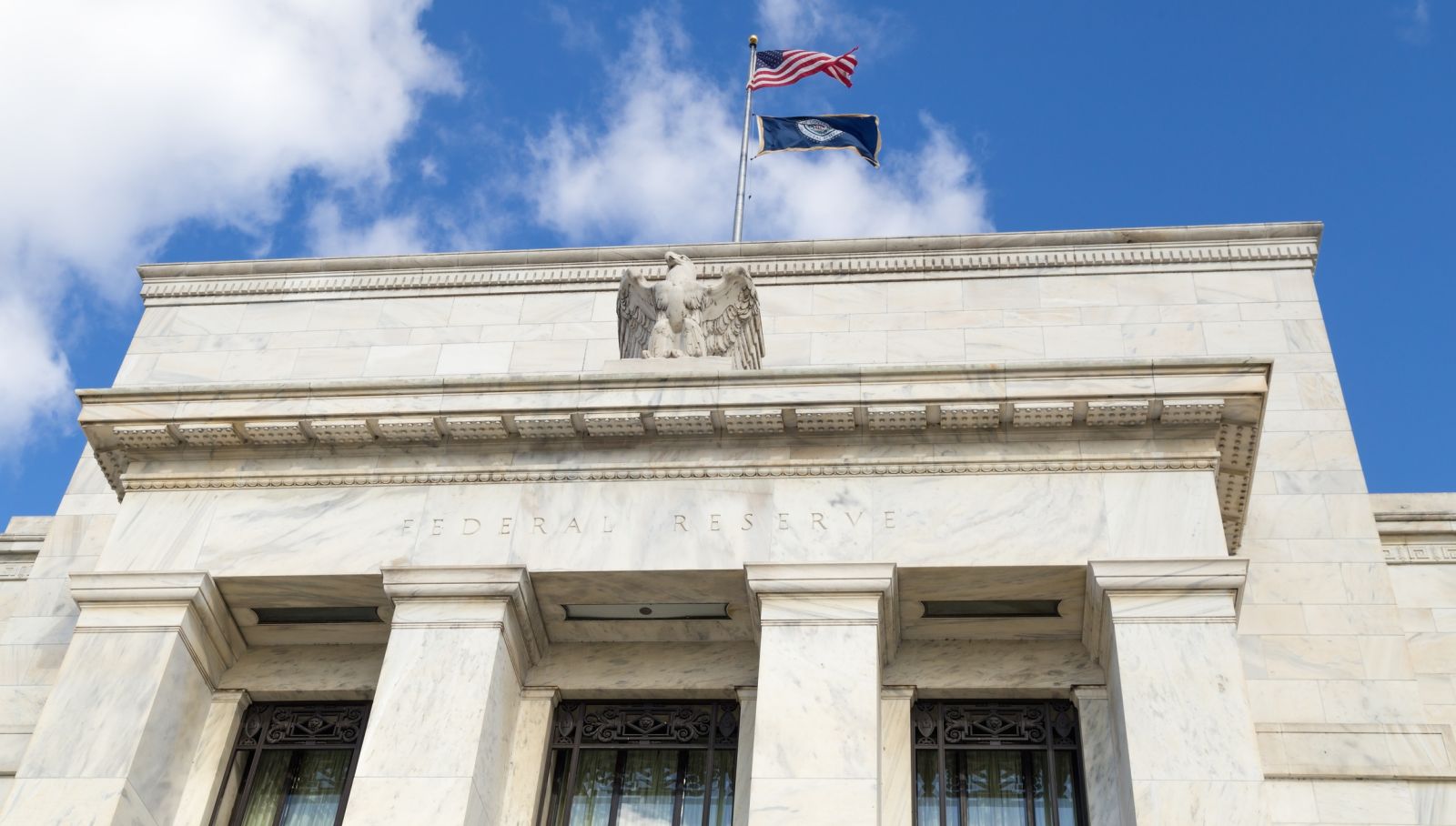
- Uncertain Fed Policy Outlook: Federal Reserve Chair Jerome Powell noted that while the central bank is monitoring the surge in energy prices, its tools to address supply-side shocks are limited, with markets pricing in only a 3% chance of a 25 bp rate hike at the April meeting, indicating investor uncertainty about future monetary policy.
- Escalating Middle East Tensions: US and Israeli forces continue military operations in Iran, with the Pentagon preparing for weeks of ground operations as approximately 3,500 sailors and Marines arrive in the region, potentially exacerbating global energy supply issues.
- Positive Bond Market Reaction: The 10-year Treasury yield fell to 4.330% as speculation grows that the ongoing conflict in the Middle East may lead to fuel shortages, offsetting inflation fears and supporting Treasury prices amid declining inflation expectations.
See More
Mixed U.S. Stock Indices Amid Rising Oil Prices
- Mixed Stock Performance: The S&P 500 Index fell by 0.29%, while the Dow Jones Industrial Average rose by 0.26%, and the Nasdaq 100 Index decreased by 0.67%, indicating a complex market reaction to Federal Reserve policies and international tensions.
- Rising Oil Prices: Crude oil prices surged over 2% to a three-week high due to disruptions in oil and gas flows through the Strait of Hormuz caused by the Iran conflict, which could negatively impact global economic growth.
- Weak Manufacturing Activity: The Dallas Fed manufacturing activity index dropped from -0.4 to -0.2, falling short of the expected increase to 2.0, suggesting challenges in economic recovery that may influence future policy decisions.
- Escalating International Tensions: U.S. and Israeli military actions against Iran have intensified, with 3,500 sailors and Marines deployed to the Middle East, potentially leading to further volatility in energy markets and impacting global supply chains.
See More

US Stocks Rise as Oil Prices Hit Three-Week High
- Market Gains: The S&P 500 Index rose by 0.58%, the Dow Jones Industrial Average increased by 0.91%, and the Nasdaq 100 Index climbed by 0.30%, reflecting a positive market sentiment amid expectations that the Fed may keep interest rates unchanged.
- Declining Bond Yields: The 10-year Treasury note yield fell by 10 basis points to 4.33%, driven by concerns that the ongoing war in the Middle East could lead to a fuel shortage, potentially hindering global economic growth and influencing the Fed's future rate decisions.
- Rising Oil Prices: Crude oil prices surged over 2% to a three-week high due to Iranian attacks on shipping, raising fears that the closure of the Strait of Hormuz could disrupt global oil and gas supplies, which may lead to significant price increases.
- Manufacturing Activity Decline: The Dallas Fed's manufacturing activity survey dropped by 0.4 to -0.2, falling short of the expected increase to 2.0, indicating signs of economic slowdown that could impact future investment decisions.
See More

Market Recap: Trump's Comments and Tech Stock Rebound
- Trump's Comments Impact: Trump's statement about serious discussions with Iran led to a rise in the S&P 500, but Jim Cramer cautioned investors against rushing to buy, as Trump's claims are often later denied by Iran, indicating market uncertainty.
- Meta Stock Surge: Meta was named a top pick by Morgan Stanley, with shares rising over 2%, as analysts argue that despite AI investment and regulatory risks, Meta remains competitively strong; Jim Cramer supports this view, suggesting investors should not sell due to regulatory concerns.
- Cybersecurity Stock Rebound: CrowdStrike and Palo Alto Networks rebounded after significant declines last Friday, with CrowdStrike up nearly 5% following an upgrade to buy-equivalent by Wolfe Research, as analysts believe advancements in AI models will increase demand for cybersecurity.
- Executive Buy Signal: Palo Alto Networks CEO Nikesh Arora purchased about $10 million in shares on Friday, resulting in a 7% stock increase, with Jim Cramer noting that the market is mispricing the stock, reflecting executive confidence in the company's future.
See More

Middle East Tensions Impact Global Markets

- Market Recovery: The S&P 500 Index rose by 0.42%, the Dow Jones Industrial Average increased by 0.64%, and the Nasdaq 100 Index gained 0.32%, indicating a short-term market rebound amid escalating tensions in the Middle East, as investor confidence in future economic growth shows signs of recovery.
- Declining Bond Yields: The 10-year T-note yield fell by 8 basis points to 4.35%, reflecting market concerns that the ongoing war in the Middle East may lead to fuel shortages, thereby suppressing inflation expectations and potentially keeping the Fed from raising interest rates in upcoming meetings.
- Rising Oil Prices: Crude oil prices surged over 1% to a three-week high due to Iranian attacks on shipping, with fears that the closure of the Strait of Hormuz could disrupt global oil supplies, potentially driving prices to exceed the 2008 record high.
- Energy Infrastructure Damage: The International Energy Agency reported that more than 40 energy sites across nine Middle Eastern countries have been severely damaged, which could prolong disruptions to global supply chains after the war ends, further impacting international market stability.
See More
Target Hospitality Shares Surge 36.4% on $550 Million Contract Announcement
- Contract Impact: Target Hospitality's announcement of a $550 million multi-year contract with a top-five global hyperscaler led to a 36.4% surge in share price during the last trading session, reflecting strong market confidence in its growth potential.
- Revenue Guidance Increase: Management raised its 2026 revenue guidance to a range of $360 million to $370 million, with adjusted EBITDA expected to reach $70 million to $80 million, indicating significant revenue streams and improved profitability from the new contract.
- Quarterly Loss Expectations: Despite the stock surge, Target Hospitality anticipates a quarterly loss of $0.11 per share, representing a 120% year-over-year decline, highlighting challenges in restoring profitability that investors should monitor closely.
- Market Reaction Analysis: Although the stock price has risen sharply, a 42.2% downward revision in earnings estimates over the past 30 days suggests market concerns about future profitability, prompting investors to exercise caution in observing subsequent trends.
See More
US Stock Market Declines Amid Rising Oil Prices
- Oil Price Surge Impacts Markets: The S&P 500 Index fell by 0.75%, the Dow Jones Industrial Average by 0.21%, and the Nasdaq 100 by 1.18% as the market reacts to the first oil settlement exceeding $100 since 2022, highlighting concerns over rising energy costs amid ongoing supply chain risks.
- Uncertain Fed Policy Outlook: Federal Reserve Chair Jerome Powell noted that while the central bank is monitoring the surge in energy prices, its tools to address supply-side shocks are limited, with markets pricing in only a 3% chance of a 25 bp rate hike at the April meeting, indicating investor uncertainty about future monetary policy.
- Escalating Middle East Tensions: US and Israeli forces continue military operations in Iran, with the Pentagon preparing for weeks of ground operations as approximately 3,500 sailors and Marines arrive in the region, potentially exacerbating global energy supply issues.
- Positive Bond Market Reaction: The 10-year Treasury yield fell to 4.330% as speculation grows that the ongoing conflict in the Middle East may lead to fuel shortages, offsetting inflation fears and supporting Treasury prices amid declining inflation expectations.
See More
Mixed U.S. Stock Indices Amid Rising Oil Prices
- Mixed Stock Performance: The S&P 500 Index fell by 0.29%, while the Dow Jones Industrial Average rose by 0.26%, and the Nasdaq 100 Index decreased by 0.67%, indicating a complex market reaction to Federal Reserve policies and international tensions.
- Rising Oil Prices: Crude oil prices surged over 2% to a three-week high due to disruptions in oil and gas flows through the Strait of Hormuz caused by the Iran conflict, which could negatively impact global economic growth.
- Weak Manufacturing Activity: The Dallas Fed manufacturing activity index dropped from -0.4 to -0.2, falling short of the expected increase to 2.0, suggesting challenges in economic recovery that may influence future policy decisions.
- Escalating International Tensions: U.S. and Israeli military actions against Iran have intensified, with 3,500 sailors and Marines deployed to the Middle East, potentially leading to further volatility in energy markets and impacting global supply chains.
See More
US Stocks Rise as Oil Prices Hit Three-Week High
- Market Gains: The S&P 500 Index rose by 0.58%, the Dow Jones Industrial Average increased by 0.91%, and the Nasdaq 100 Index climbed by 0.30%, reflecting a positive market sentiment amid expectations that the Fed may keep interest rates unchanged.
- Declining Bond Yields: The 10-year Treasury note yield fell by 10 basis points to 4.33%, driven by concerns that the ongoing war in the Middle East could lead to a fuel shortage, potentially hindering global economic growth and influencing the Fed's future rate decisions.
- Rising Oil Prices: Crude oil prices surged over 2% to a three-week high due to Iranian attacks on shipping, raising fears that the closure of the Strait of Hormuz could disrupt global oil and gas supplies, which may lead to significant price increases.
- Manufacturing Activity Decline: The Dallas Fed's manufacturing activity survey dropped by 0.4 to -0.2, falling short of the expected increase to 2.0, indicating signs of economic slowdown that could impact future investment decisions.
See More
Market Recap: Trump's Comments and Tech Stock Rebound
- Trump's Comments Impact: Trump's statement about serious discussions with Iran led to a rise in the S&P 500, but Jim Cramer cautioned investors against rushing to buy, as Trump's claims are often later denied by Iran, indicating market uncertainty.
- Meta Stock Surge: Meta was named a top pick by Morgan Stanley, with shares rising over 2%, as analysts argue that despite AI investment and regulatory risks, Meta remains competitively strong; Jim Cramer supports this view, suggesting investors should not sell due to regulatory concerns.
- Cybersecurity Stock Rebound: CrowdStrike and Palo Alto Networks rebounded after significant declines last Friday, with CrowdStrike up nearly 5% following an upgrade to buy-equivalent by Wolfe Research, as analysts believe advancements in AI models will increase demand for cybersecurity.
- Executive Buy Signal: Palo Alto Networks CEO Nikesh Arora purchased about $10 million in shares on Friday, resulting in a 7% stock increase, with Jim Cramer noting that the market is mispricing the stock, reflecting executive confidence in the company's future.
See More
Middle East Tensions Impact Global Markets
- Market Recovery: The S&P 500 Index rose by 0.42%, the Dow Jones Industrial Average increased by 0.64%, and the Nasdaq 100 Index gained 0.32%, indicating a short-term market rebound amid escalating tensions in the Middle East, as investor confidence in future economic growth shows signs of recovery.
- Declining Bond Yields: The 10-year T-note yield fell by 8 basis points to 4.35%, reflecting market concerns that the ongoing war in the Middle East may lead to fuel shortages, thereby suppressing inflation expectations and potentially keeping the Fed from raising interest rates in upcoming meetings.
- Rising Oil Prices: Crude oil prices surged over 1% to a three-week high due to Iranian attacks on shipping, with fears that the closure of the Strait of Hormuz could disrupt global oil supplies, potentially driving prices to exceed the 2008 record high.
- Energy Infrastructure Damage: The International Energy Agency reported that more than 40 energy sites across nine Middle Eastern countries have been severely damaged, which could prolong disruptions to global supply chains after the war ends, further impacting international market stability.
See More