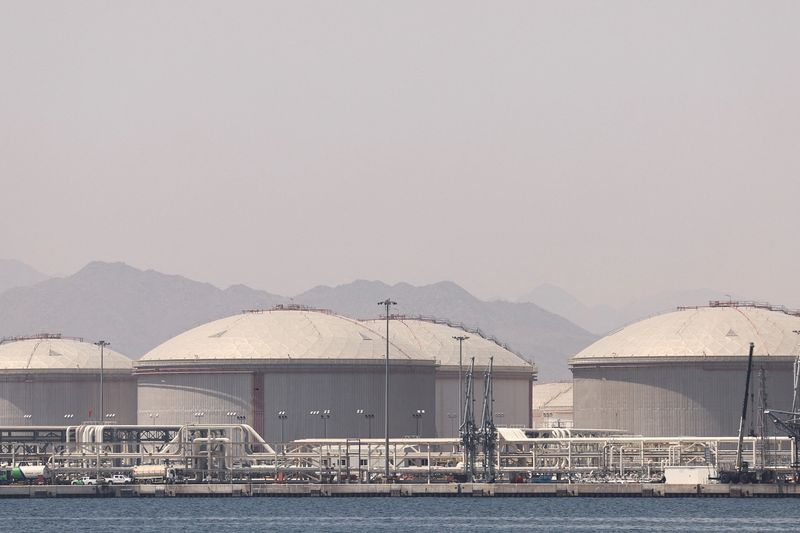
Walmart Reports 7.3% Revenue Growth in Q1 Amid Consumer Spending Concerns
Written by Emily J. Thompson, Senior Investment Analyst
Updated: 2 days ago
0mins
Source: NASDAQ.COM
- Revenue Growth: Walmart's revenue for Q1 of fiscal 2027 increased by 7.3% year-over-year to $177.8 billion, demonstrating the company's resilience amid economic uncertainty, although risks of consumer spending slowdown loom ahead.
- Strong E-commerce Performance: E-commerce sales surged by 26%, driven by store-fulfilled pickup and delivery services, which not only boosted overall sales but also enhanced Walmart's competitive edge in the digital retail space.
- Advertising Sales Surge: The company's high-margin advertising sales jumped by 37%, indicating significant progress in diversifying revenue streams and further solidifying its market position.
- Cautious Future Outlook: While Walmart maintained its full-year sales growth forecast of 4% to 5%, management cautioned that as tax refunds fade and gasoline prices rise, lower-income consumers may face spending pressures, potentially impacting future performance.
Trade with 70% Backtested Accuracy
Stop guessing "Should I Buy WMT?" and start using high-conviction signals backed by rigorous historical data.
Sign up today to access powerful investing tools and make smarter, data-driven decisions.
Analyst Views on WMT
Wall Street analysts forecast WMT stock price to rise
26 Analyst Rating
25 Buy
1 Hold
0 Sell
Strong Buy
Current: 121.340

Low
119.00
Averages
125.75
High
136.00
Current: 121.340
Low
119.00
Averages
125.75
High
136.00
About WMT
Walmart Inc. is a technology-powered omnichannel retailer. The Company is engaged in the operation of retail and wholesale stores and clubs, as well as eCommerce Websites and mobile applications, located throughout the United States (U.S.), Africa, Canada, Central America, Chile, China, India and Mexico. It operates in three reportable segments: Walmart U.S., Walmart International and Sam's Club U.S. The Walmart U.S. segment includes the Company's mass merchandising concept in the U.S., as well as eCommerce, which includes omni-channel initiatives and certain other business offerings such as advertising services. The Walmart International segment consists of the Company's operations outside of the U.S. through its subsidiaries, as well as eCommerce and omni-channel initiatives. The Sam's Club U.S. segment includes the warehouse membership clubs in the U.S., as well as samsclub.com and omni-channel initiatives.
About the author

Emily J. Thompson
Emily J. Thompson, a Chartered Financial Analyst (CFA) with 12 years in investment research, graduated with honors from the Wharton School. Specializing in industrial and technology stocks, she provides in-depth analysis for Intellectia’s earnings and market brief reports.

Walmart Reports 7.3% Revenue Growth in Q1 Amid Economic Pressures

- Revenue Growth: Walmart reported a 7.3% year-over-year increase in total revenue for Q1, indicating strong consumer demand for low prices, even amidst rising economic pressures, which underscores the company's competitive edge in value-oriented strategies.
- Consumer Stress: CFO John Rainey noted that rising fuel prices are straining lower-income consumers' budgets, as evidenced by a drop in average gas purchases at Walmart stations to below 10 gallons for the first time, reflecting financial distress among shoppers.
- Cost Impact: The company absorbed approximately $175 million in higher-than-expected fuel costs during the quarter, which affected operating income growth despite strong sales, highlighting Walmart's ongoing challenges in cost management.
- Price Warning: Walmart anticipates that sustained high fuel prices could lead to increased food prices, particularly affecting the food supply chain linked to fertilizer costs, potentially resulting in higher spending for consumers on everyday grocery items.
See More
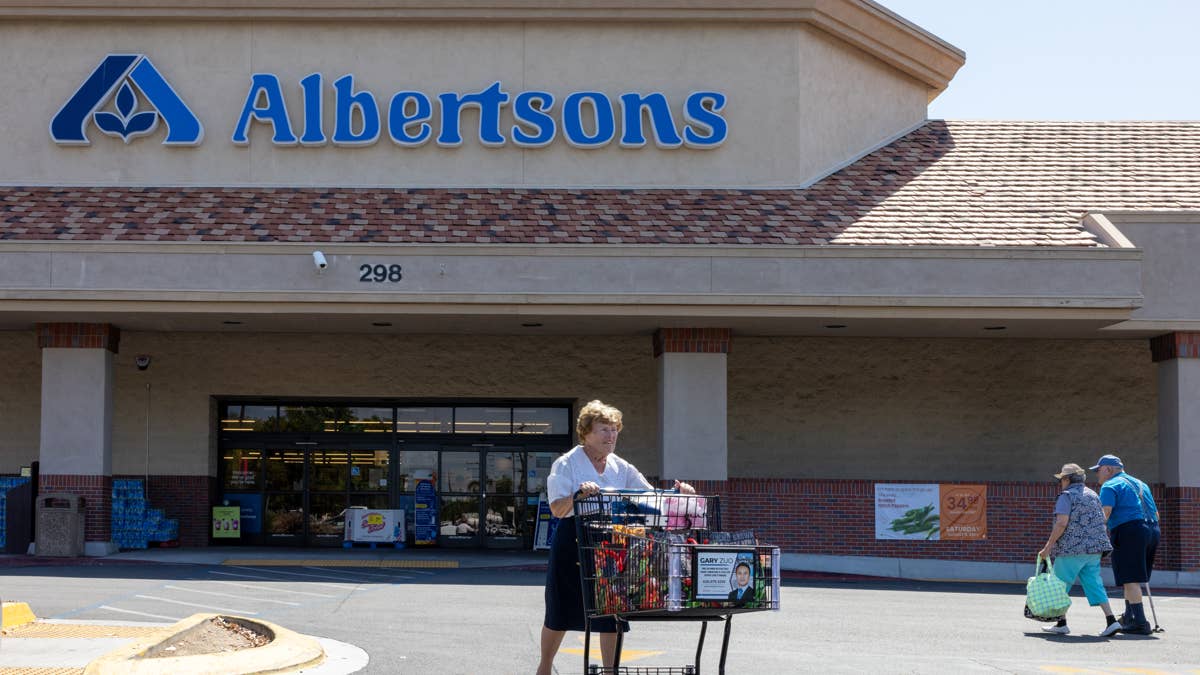
Albertsons Leverages AI to Reduce Food Waste

- Food Waste Issue: The USDA estimates that 30% to 40% of food is wasted annually in the U.S., resulting in an economic loss of approximately $161 billion, which significantly impacts consumer spending and poses financial challenges for retailers.
- AI Tool Implementation: Albertsons has launched an AI tool powered by Google Cloud that utilizes computer vision technology to enhance the quality inspection of fresh fruits and vegetables, with early results indicating improved consistency in product quality, particularly for perishable items.
- Operational Efficiency Gains: By comparing images against Albertsons' quality standards, the AI tool aids quality inspection teams in making more accurate assessments, thereby accelerating decision-making processes and enhancing operational efficiency and customer satisfaction, which strengthens the company's competitive position.
- Future Expansion Plans: Albertsons intends to expand the application of this AI tool to all berry products and eventually roll it out nationwide, aiming to continuously reduce food waste and improve overall product quality through technological innovation.
See More

Walmart and Costco's Long-Term Investment Value
- Walmart's Dividend Growth: Walmart has increased its dividend for 53 consecutive years, raising the quarterly payout to $0.248 per share in 2026, which, while modest, signifies important growth and durability for long-term investors, with projected earnings per share for fiscal 2027 expected to cover the new dividend comfortably at $2.75 to $2.85.
- Shift to Higher-Margin Businesses: Over the past five years, Walmart has transitioned towards higher-margin operations, with advertising revenue reaching $6.4 billion annually, and the expansion of membership and marketplace businesses enhancing overall profitability, as evidenced by a 10.8% increase in adjusted operating income in the fourth quarter, showcasing sustained operational leverage.
- Costco's Membership Model: In the first 24 weeks of fiscal 2026, Costco generated $2.68 billion in membership fee revenue, surpassing merchandise sales operating income by $134.2 billion, highlighting its high renewal rates (over 90%) that transform the business into a subscription-like model, significantly boosting customer retention.
- Market Positioning and Risks: Walmart and Costco address different customer needs, with Walmart serving as a broad-based retailer and Costco as a high-renewal-rate membership wholesaler; while both hold leadership positions in retail, risks remain from international expansion and market competition, particularly in Asia and Europe.
See More

Two Quality Stocks to Hold for 20 Years

- Walmart's Stability: Walmart (NASDAQ: WMT) has increased its dividend for 53 consecutive years, raising its quarterly payout to $0.248 per share in 2026, demonstrating its long-term investment stability and appeal, while its advertising revenue has reached $6.4 billion, indicating a successful shift towards higher-margin businesses.
- Cost Efficiency and Membership Model: Costco (NASDAQ: COST) generated $2.68 billion in membership fee revenue in the first 24 weeks of fiscal 2026, exceeding merchandise sales operating income by $134.2 billion, showcasing how its high renewal-rate membership model provides strong cash flow support and enhances market competitiveness.
- Market Adaptability: Both Walmart and Costco have demonstrated adaptability in the e-commerce landscape, with Walmart enhancing profits through advertising and marketplace operations, while Costco maintains customer loyalty through its high renewal rates, ensuring long-term business growth potential.
- Portfolio Diversification: These two companies address different customer needs in the retail sector, with Walmart serving as a broad-based everyday retailer and Costco as a high-renewal-rate wholesale membership model, allowing investors to achieve diversification within consumer retail and mitigate risks associated with any single channel or geography.
See More
Costco's Aggressive Expansion Strategy in Retail
- Membership Growth Momentum: Costco's membership continues to rise, and despite overcrowding in high-density cities, the company plans to open at least 30 new stores annually to meet demand, thereby enhancing its market competitiveness.
- Innovative Property Development: The construction of its first mixed-use property in Los Angeles, combining apartments with warehouses, is expected to increase foot traffic and help the company expand in high-income areas, alleviating space constraints.
- International Market Expansion: With seven pilot stores in China laying the groundwork for future international growth, Costco's international sales have increased by 13% year-over-year, indicating strong expansion potential despite modest growth in the U.S. market.
- Stock Price Outlook: Although the current price-to-earnings ratio is nearly 56, indicating potential risks due to high stock prices, long-term investors can remain optimistic about Costco's brand value and ongoing growth potential, anticipating favorable stock performance in the future.
See More

Middle East Conflict Shifts U.S. Consumer Behavior

- Oil Price Impact on Sentiment: The ongoing conflict in the Middle East has disrupted global energy markets, leading to soaring oil prices; a CNN poll reveals only 21% of respondents approve of President Trump's handling of gas prices, indicating widespread consumer dissatisfaction with high fuel costs.
- Walmart Sales Surge: Amid economic concerns, consumers are shifting from higher-priced stores to discount retailers, with Walmart reporting a 4.4% sales increase in the U.S. market for fiscal 2026 and a 4.6% rise in same-store sales, showcasing its competitive edge in the low-price segment.
- Strong Performance from Other Discounters: Similarly, Dollar Tree experienced a 9% sales increase and a 5% rise in same-store sales for fiscal 2025, with expectations for positive first-quarter results, reflecting the resilience of discount retailers in the current economic climate.
- Sustained Consumer Demand: Despite rising oil prices and inflation, the robust sales figures from Walmart and Dollar Tree suggest that consumer demand for low-priced goods was strong even before the spike in energy costs, indicating that retailers may continue to benefit from budget-conscious shoppers in the near future.
See More
Walmart Reports 7.3% Revenue Growth in Q1 Amid Economic Pressures
- Revenue Growth: Walmart reported a 7.3% year-over-year increase in total revenue for Q1, indicating strong consumer demand for low prices, even amidst rising economic pressures, which underscores the company's competitive edge in value-oriented strategies.
- Consumer Stress: CFO John Rainey noted that rising fuel prices are straining lower-income consumers' budgets, as evidenced by a drop in average gas purchases at Walmart stations to below 10 gallons for the first time, reflecting financial distress among shoppers.
- Cost Impact: The company absorbed approximately $175 million in higher-than-expected fuel costs during the quarter, which affected operating income growth despite strong sales, highlighting Walmart's ongoing challenges in cost management.
- Price Warning: Walmart anticipates that sustained high fuel prices could lead to increased food prices, particularly affecting the food supply chain linked to fertilizer costs, potentially resulting in higher spending for consumers on everyday grocery items.
See More
Albertsons Leverages AI to Reduce Food Waste
- Food Waste Issue: The USDA estimates that 30% to 40% of food is wasted annually in the U.S., resulting in an economic loss of approximately $161 billion, which significantly impacts consumer spending and poses financial challenges for retailers.
- AI Tool Implementation: Albertsons has launched an AI tool powered by Google Cloud that utilizes computer vision technology to enhance the quality inspection of fresh fruits and vegetables, with early results indicating improved consistency in product quality, particularly for perishable items.
- Operational Efficiency Gains: By comparing images against Albertsons' quality standards, the AI tool aids quality inspection teams in making more accurate assessments, thereby accelerating decision-making processes and enhancing operational efficiency and customer satisfaction, which strengthens the company's competitive position.
- Future Expansion Plans: Albertsons intends to expand the application of this AI tool to all berry products and eventually roll it out nationwide, aiming to continuously reduce food waste and improve overall product quality through technological innovation.
See More
Walmart and Costco's Long-Term Investment Value
- Walmart's Dividend Growth: Walmart has increased its dividend for 53 consecutive years, raising the quarterly payout to $0.248 per share in 2026, which, while modest, signifies important growth and durability for long-term investors, with projected earnings per share for fiscal 2027 expected to cover the new dividend comfortably at $2.75 to $2.85.
- Shift to Higher-Margin Businesses: Over the past five years, Walmart has transitioned towards higher-margin operations, with advertising revenue reaching $6.4 billion annually, and the expansion of membership and marketplace businesses enhancing overall profitability, as evidenced by a 10.8% increase in adjusted operating income in the fourth quarter, showcasing sustained operational leverage.
- Costco's Membership Model: In the first 24 weeks of fiscal 2026, Costco generated $2.68 billion in membership fee revenue, surpassing merchandise sales operating income by $134.2 billion, highlighting its high renewal rates (over 90%) that transform the business into a subscription-like model, significantly boosting customer retention.
- Market Positioning and Risks: Walmart and Costco address different customer needs, with Walmart serving as a broad-based retailer and Costco as a high-renewal-rate membership wholesaler; while both hold leadership positions in retail, risks remain from international expansion and market competition, particularly in Asia and Europe.
See More
Two Quality Stocks to Hold for 20 Years
- Walmart's Stability: Walmart (NASDAQ: WMT) has increased its dividend for 53 consecutive years, raising its quarterly payout to $0.248 per share in 2026, demonstrating its long-term investment stability and appeal, while its advertising revenue has reached $6.4 billion, indicating a successful shift towards higher-margin businesses.
- Cost Efficiency and Membership Model: Costco (NASDAQ: COST) generated $2.68 billion in membership fee revenue in the first 24 weeks of fiscal 2026, exceeding merchandise sales operating income by $134.2 billion, showcasing how its high renewal-rate membership model provides strong cash flow support and enhances market competitiveness.
- Market Adaptability: Both Walmart and Costco have demonstrated adaptability in the e-commerce landscape, with Walmart enhancing profits through advertising and marketplace operations, while Costco maintains customer loyalty through its high renewal rates, ensuring long-term business growth potential.
- Portfolio Diversification: These two companies address different customer needs in the retail sector, with Walmart serving as a broad-based everyday retailer and Costco as a high-renewal-rate wholesale membership model, allowing investors to achieve diversification within consumer retail and mitigate risks associated with any single channel or geography.
See More
Costco's Aggressive Expansion Strategy in Retail
- Membership Growth Momentum: Costco's membership continues to rise, and despite overcrowding in high-density cities, the company plans to open at least 30 new stores annually to meet demand, thereby enhancing its market competitiveness.
- Innovative Property Development: The construction of its first mixed-use property in Los Angeles, combining apartments with warehouses, is expected to increase foot traffic and help the company expand in high-income areas, alleviating space constraints.
- International Market Expansion: With seven pilot stores in China laying the groundwork for future international growth, Costco's international sales have increased by 13% year-over-year, indicating strong expansion potential despite modest growth in the U.S. market.
- Stock Price Outlook: Although the current price-to-earnings ratio is nearly 56, indicating potential risks due to high stock prices, long-term investors can remain optimistic about Costco's brand value and ongoing growth potential, anticipating favorable stock performance in the future.
See More
Middle East Conflict Shifts U.S. Consumer Behavior
- Oil Price Impact on Sentiment: The ongoing conflict in the Middle East has disrupted global energy markets, leading to soaring oil prices; a CNN poll reveals only 21% of respondents approve of President Trump's handling of gas prices, indicating widespread consumer dissatisfaction with high fuel costs.
- Walmart Sales Surge: Amid economic concerns, consumers are shifting from higher-priced stores to discount retailers, with Walmart reporting a 4.4% sales increase in the U.S. market for fiscal 2026 and a 4.6% rise in same-store sales, showcasing its competitive edge in the low-price segment.
- Strong Performance from Other Discounters: Similarly, Dollar Tree experienced a 9% sales increase and a 5% rise in same-store sales for fiscal 2025, with expectations for positive first-quarter results, reflecting the resilience of discount retailers in the current economic climate.
- Sustained Consumer Demand: Despite rising oil prices and inflation, the robust sales figures from Walmart and Dollar Tree suggest that consumer demand for low-priced goods was strong even before the spike in energy costs, indicating that retailers may continue to benefit from budget-conscious shoppers in the near future.
See More