U.S. Companies Rush to Apply for Tariff Refunds
Written by Emily J. Thompson, Senior Investment Analyst
Updated: 2 days ago
0mins

Source: CNBC
- Corporate Refund Applications: Following President Trump's suggestion to monitor companies that do not seek tariff refunds, major U.S. firms like Walmart and Apple have confirmed they are applying for refunds despite potential political risks, indicating a willingness to risk government relations for financial gain.
- Significant Refund Amounts: U.S. Customs and Border Protection reported that over $35 billion in refunds have been processed, with the government owing approximately $166 billion overall, providing substantial financial incentives for companies to pursue refunds, especially under current economic pressures to maximize shareholder returns.
- Walmart's Strategy: Walmart's finance chief confirmed the company applied for IEEPA tariff refunds, although expecting minimal impact on overall business; nonetheless, it plans to use any received funds to lower consumer prices, demonstrating a commitment to customer value amid competitive market pressures.
- Apple's Innovation Investment: In response to Trump's comments, Apple has decided to apply for tariff refunds and plans to reinvest any recovered funds into U.S. innovation and advanced manufacturing, reflecting the company's strategy to align with government priorities while addressing market demands and enhancing its competitive edge.
Trade with 70% Backtested Accuracy
Stop guessing "Should I Buy GM?" and start using high-conviction signals backed by rigorous historical data.
Sign up today to access powerful investing tools and make smarter, data-driven decisions.
Analyst Views on GM
Wall Street analysts forecast GM stock price to rise
19 Analyst Rating
14 Buy
4 Hold
1 Sell
Moderate Buy
Current: 77.210

Low
57.00
Averages
95.06
High
122.00
Current: 77.210
Low
57.00
Averages
95.06
High
122.00
About GM
General Motors Company designs, builds and sells trucks, crossovers, cars and automobile parts and provides software-enabled services and subscriptions worldwide. The Company's segments include GMNA, GMI and GM Financial. Its GM North America (GMNA) and GM International (GMI) segment develop, manufacture and/or markets vehicles under the Buick, Cadillac, Chevrolet and GMC brands. The Company's GM Financial segment provides automotive financing and related services. The Company is also focused on investing in electric vehicles (EVs) and autonomous vehicles (Avs), software-enabled services and subscriptions and new business opportunities. The Company's portfolio includes OnStar, GM Energy, GM Insurance, GM Genuine Parts, and the GM Company Store. Its OnStar portfolio offers safety, connectivity and hands-free driver assistance technologies. Its GM Energy provides Home EV Charging, Public EV Charging, Vehicle-To-Home and Energy Storage services.
About the author

Emily J. Thompson
Emily J. Thompson, a Chartered Financial Analyst (CFA) with 12 years in investment research, graduated with honors from the Wharton School. Specializing in industrial and technology stocks, she provides in-depth analysis for Intellectia’s earnings and market brief reports.
GitHub Faces Challenges as Microsoft's AI Strategy Struggles


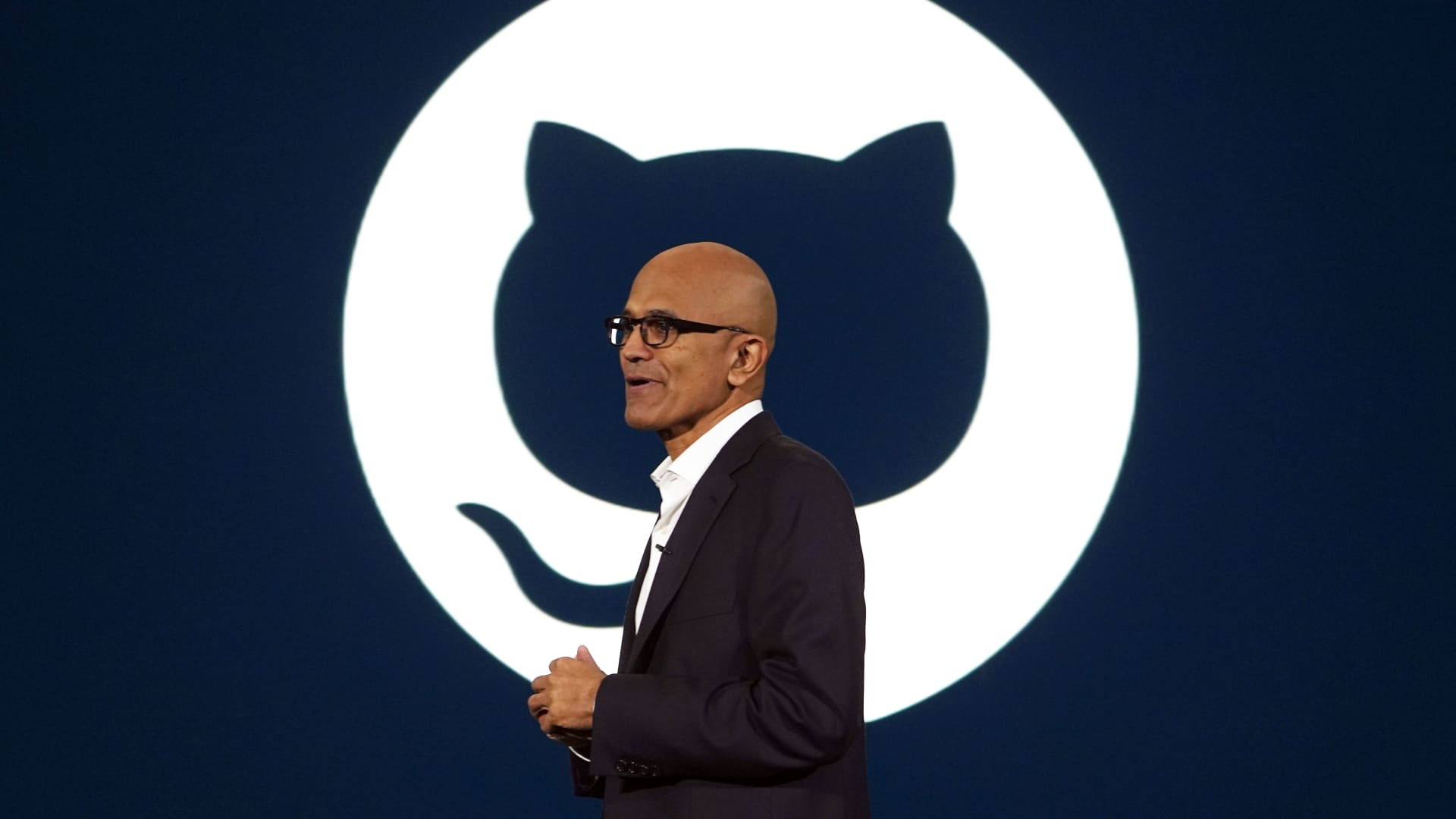
- Reliability Issues: GitHub has faced over a dozen outages recently, affecting major companies like Cisco, which raises concerns about its reliability and could lead to customer attrition, negatively impacting Microsoft's market share.
- Frequent Executive Turnover: GitHub's former CEO Thomas Dohmke resigned in August last year, and the lack of a successor has created instability in leadership, potentially affecting the company's strategic direction and execution, increasing market concerns about its future.
- Rising Competition: With the popularity of new tools like Cursor and Claude Code, GitHub's market share is threatened, particularly in the AI-assisted coding space, where GitHub Copilot's user growth has been surpassed by competitors, challenging Microsoft's leadership in this critical market.
- Customer Attrition Risk: Due to declining service quality and rising prices, more enterprise customers are considering alternatives like GitLab and Atlassian, which could further shrink GitHub's revenue and user base, adversely affecting Microsoft's overall financial performance.
See More

U.S. Companies Rush to Apply for Tariff Refunds


- Corporate Refund Applications: Following President Trump's suggestion to monitor companies that do not seek tariff refunds, major U.S. firms like Walmart and Apple have confirmed they are applying for refunds despite potential political risks, indicating a willingness to risk government relations for financial gain.
- Significant Refund Amounts: U.S. Customs and Border Protection reported that over $35 billion in refunds have been processed, with the government owing approximately $166 billion overall, providing substantial financial incentives for companies to pursue refunds, especially under current economic pressures to maximize shareholder returns.
- Walmart's Strategy: Walmart's finance chief confirmed the company applied for IEEPA tariff refunds, although expecting minimal impact on overall business; nonetheless, it plans to use any received funds to lower consumer prices, demonstrating a commitment to customer value amid competitive market pressures.
- Apple's Innovation Investment: In response to Trump's comments, Apple has decided to apply for tariff refunds and plans to reinvest any recovered funds into U.S. innovation and advanced manufacturing, reflecting the company's strategy to align with government priorities while addressing market demands and enhancing its competitive edge.
See More

SpaceX Aims for Record $75 Billion IPO on Nasdaq


- Record IPO Size: SpaceX's planned Nasdaq debut aims to raise approximately $75 billion, more than triple Alibaba's $22 billion IPO in 2014, marking a significant revival for the U.S. IPO market.
- Market Impact: This IPO is expected to inject new life into a market that has seen muted activity since late 2021, with investors hoping SpaceX's success will encourage other tech firms like OpenAI and Anthropic to go public, thus revitalizing the overall market.
- Increased Industry Competition: With SpaceX's unprecedented fundraising, other major tech companies may reassess their IPO timing and funding strategies, particularly in the AI and space exploration sectors, leading to intensified competition.
- Boosted Investor Confidence: A successful SpaceX IPO will not only enhance investor confidence in high-risk tech stocks but may also draw attention to other potential high-value companies, further stimulating capital flow within the tech industry.
See More

SpaceX Poised to Set Record for Largest IPO in History

- Record-Setting IPO: SpaceX is set to debut on Nasdaq with an anticipated raise of over $75 billion, which would be more than triple the $22 billion raised by Alibaba in 2014, highlighting the company's immense potential and market impact.
- Market Revival Catalyst: Amidst muted IPO activity since late 2021, SpaceX's listing is seen as a crucial factor in restoring investor confidence, potentially activating other tech companies' plans to go public, particularly in the booming AI sector.
- Industry Influence: As a leading rocket manufacturer, SpaceX's successful IPO will not only elevate its market valuation but may also ignite an investment surge in the aerospace industry, attracting more capital into related technologies and innovations.
- Future Outlook: SpaceX's IPO is poised to become the largest initial public offering in Wall Street history, expected to reshape investor perceptions of high-tech companies and potentially trigger a series of subsequent market activities that further drive growth in tech stocks.
See More
General Motors Boosts Investment to Enhance Profitability
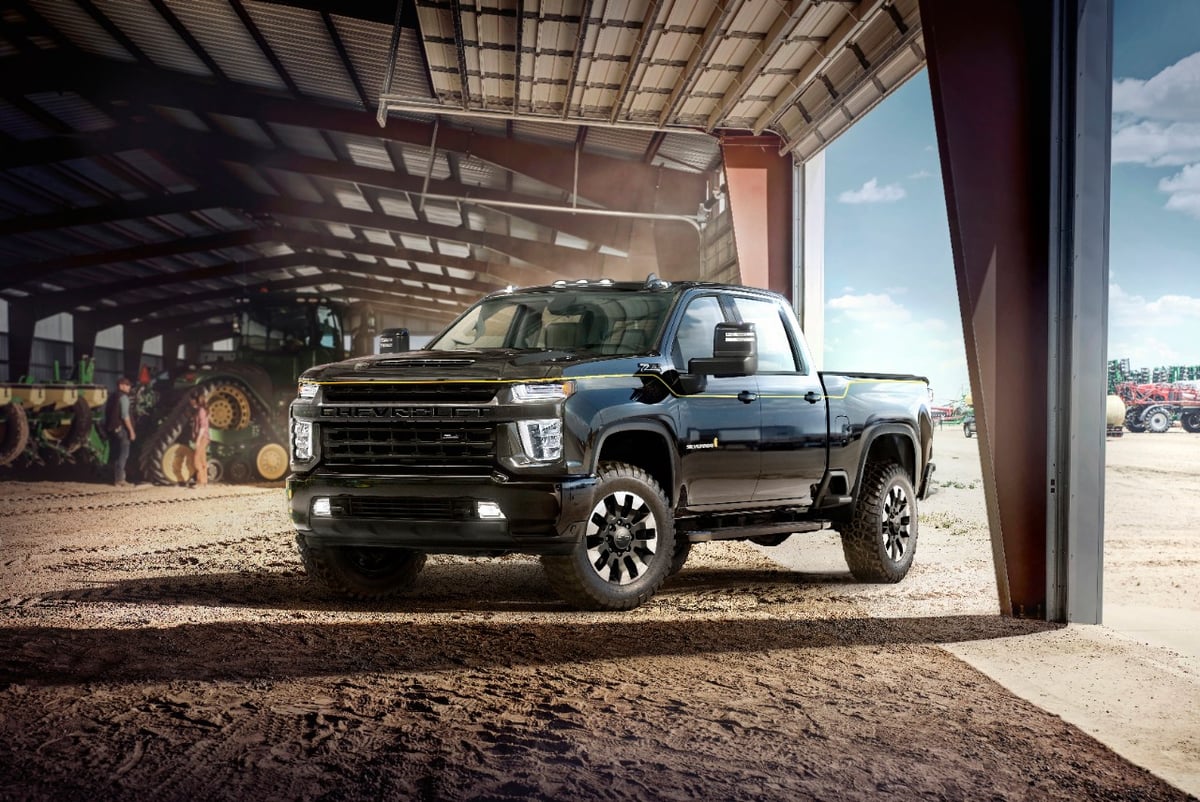
- Investment Expansion: General Motors has announced an additional $300 million investment to enhance transmission production capacity at a plant near Detroit, matching a previous commitment, reflecting the company's confidence in future profitability.
- Powertrain Upgrade: GM is investing $505 million in its propulsion plant in Ontario to produce next-generation V8 engines, aimed at meeting strong demand for pickups and SUVs, thereby enhancing product competitiveness.
- Casting Production Boost: The company will invest $150 million at a metal-casting plant in Michigan to increase casting production for sixth-generation V8 engines, further solidifying its market position in high-margin vehicles.
- Manufacturing Investment Overview: Since 2025, GM has invested over $6 billion in U.S. manufacturing, indicating its commitment to enhancing overall profitability while revamping the Silverado and Sierra pickups.
See More

GM Increases Investments to Boost Profitability
- Investment Resurgence: GM has announced an additional $300 million investment at its transmission plant near Detroit, aimed at increasing capacity, which not only reduces investment risk but also directly supports the production of high-margin vehicles.
- Powertrain Upgrade: GM is investing $505 million in its propulsion plant in Ontario, focusing on the production of next-generation V8 engines, which is expected to significantly enhance the market competitiveness of full-size pickups and SUVs, thereby boosting the company's profitability.
- Casting Production Expansion: At its metal-casting plant in Michigan, GM will invest $150 million to increase casting production for sixth-generation V8 engines, supporting the production of the Chevrolet Corvette and full-size pickups to meet market demand.
- Total Manufacturing Investment: Since 2025, GM has invested over $6 billion in U.S. manufacturing, demonstrating the company's strong confidence in the high-margin full-size truck market, which is expected to drive future sales growth.
See More
GitHub Faces Challenges as Microsoft's AI Strategy Struggles
- Reliability Issues: GitHub has faced over a dozen outages recently, affecting major companies like Cisco, which raises concerns about its reliability and could lead to customer attrition, negatively impacting Microsoft's market share.
- Frequent Executive Turnover: GitHub's former CEO Thomas Dohmke resigned in August last year, and the lack of a successor has created instability in leadership, potentially affecting the company's strategic direction and execution, increasing market concerns about its future.
- Rising Competition: With the popularity of new tools like Cursor and Claude Code, GitHub's market share is threatened, particularly in the AI-assisted coding space, where GitHub Copilot's user growth has been surpassed by competitors, challenging Microsoft's leadership in this critical market.
- Customer Attrition Risk: Due to declining service quality and rising prices, more enterprise customers are considering alternatives like GitLab and Atlassian, which could further shrink GitHub's revenue and user base, adversely affecting Microsoft's overall financial performance.
See More
U.S. Companies Rush to Apply for Tariff Refunds
- Corporate Refund Applications: Following President Trump's suggestion to monitor companies that do not seek tariff refunds, major U.S. firms like Walmart and Apple have confirmed they are applying for refunds despite potential political risks, indicating a willingness to risk government relations for financial gain.
- Significant Refund Amounts: U.S. Customs and Border Protection reported that over $35 billion in refunds have been processed, with the government owing approximately $166 billion overall, providing substantial financial incentives for companies to pursue refunds, especially under current economic pressures to maximize shareholder returns.
- Walmart's Strategy: Walmart's finance chief confirmed the company applied for IEEPA tariff refunds, although expecting minimal impact on overall business; nonetheless, it plans to use any received funds to lower consumer prices, demonstrating a commitment to customer value amid competitive market pressures.
- Apple's Innovation Investment: In response to Trump's comments, Apple has decided to apply for tariff refunds and plans to reinvest any recovered funds into U.S. innovation and advanced manufacturing, reflecting the company's strategy to align with government priorities while addressing market demands and enhancing its competitive edge.
See More
SpaceX Aims for Record $75 Billion IPO on Nasdaq
- Record IPO Size: SpaceX's planned Nasdaq debut aims to raise approximately $75 billion, more than triple Alibaba's $22 billion IPO in 2014, marking a significant revival for the U.S. IPO market.
- Market Impact: This IPO is expected to inject new life into a market that has seen muted activity since late 2021, with investors hoping SpaceX's success will encourage other tech firms like OpenAI and Anthropic to go public, thus revitalizing the overall market.
- Increased Industry Competition: With SpaceX's unprecedented fundraising, other major tech companies may reassess their IPO timing and funding strategies, particularly in the AI and space exploration sectors, leading to intensified competition.
- Boosted Investor Confidence: A successful SpaceX IPO will not only enhance investor confidence in high-risk tech stocks but may also draw attention to other potential high-value companies, further stimulating capital flow within the tech industry.
See More
SpaceX Poised to Set Record for Largest IPO in History
- Record-Setting IPO: SpaceX is set to debut on Nasdaq with an anticipated raise of over $75 billion, which would be more than triple the $22 billion raised by Alibaba in 2014, highlighting the company's immense potential and market impact.
- Market Revival Catalyst: Amidst muted IPO activity since late 2021, SpaceX's listing is seen as a crucial factor in restoring investor confidence, potentially activating other tech companies' plans to go public, particularly in the booming AI sector.
- Industry Influence: As a leading rocket manufacturer, SpaceX's successful IPO will not only elevate its market valuation but may also ignite an investment surge in the aerospace industry, attracting more capital into related technologies and innovations.
- Future Outlook: SpaceX's IPO is poised to become the largest initial public offering in Wall Street history, expected to reshape investor perceptions of high-tech companies and potentially trigger a series of subsequent market activities that further drive growth in tech stocks.
See More
General Motors Boosts Investment to Enhance Profitability
- Investment Expansion: General Motors has announced an additional $300 million investment to enhance transmission production capacity at a plant near Detroit, matching a previous commitment, reflecting the company's confidence in future profitability.
- Powertrain Upgrade: GM is investing $505 million in its propulsion plant in Ontario to produce next-generation V8 engines, aimed at meeting strong demand for pickups and SUVs, thereby enhancing product competitiveness.
- Casting Production Boost: The company will invest $150 million at a metal-casting plant in Michigan to increase casting production for sixth-generation V8 engines, further solidifying its market position in high-margin vehicles.
- Manufacturing Investment Overview: Since 2025, GM has invested over $6 billion in U.S. manufacturing, indicating its commitment to enhancing overall profitability while revamping the Silverado and Sierra pickups.
See More
GM Increases Investments to Boost Profitability
- Investment Resurgence: GM has announced an additional $300 million investment at its transmission plant near Detroit, aimed at increasing capacity, which not only reduces investment risk but also directly supports the production of high-margin vehicles.
- Powertrain Upgrade: GM is investing $505 million in its propulsion plant in Ontario, focusing on the production of next-generation V8 engines, which is expected to significantly enhance the market competitiveness of full-size pickups and SUVs, thereby boosting the company's profitability.
- Casting Production Expansion: At its metal-casting plant in Michigan, GM will invest $150 million to increase casting production for sixth-generation V8 engines, supporting the production of the Chevrolet Corvette and full-size pickups to meet market demand.
- Total Manufacturing Investment: Since 2025, GM has invested over $6 billion in U.S. manufacturing, demonstrating the company's strong confidence in the high-margin full-size truck market, which is expected to drive future sales growth.
See More