Trump Claims Interim Agreement on Strait of Hormuz is Close
Written by Emily J. Thompson, Senior Investment Analyst
Updated: 31 minutes ago
0mins
Source: Yahoo Finance
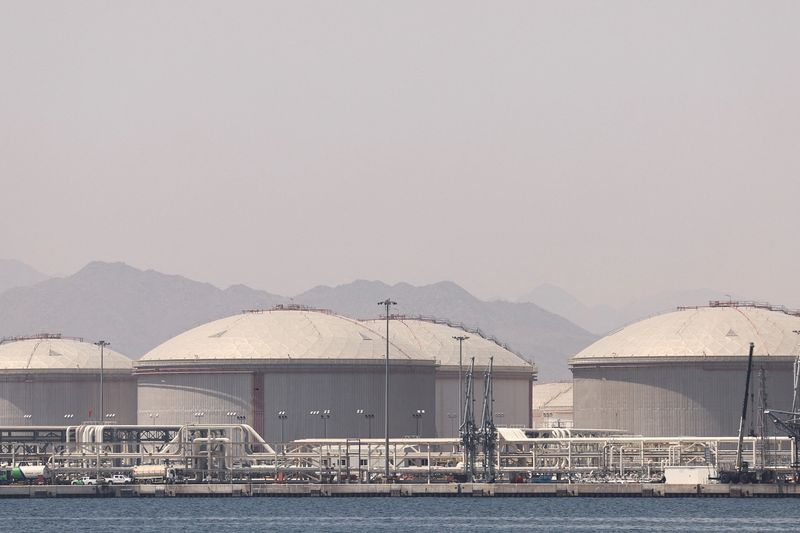
- Agreement Progress: President Trump stated that an interim agreement regarding the Strait of Hormuz is close to being finalized, although negotiations are still ongoing, which may alleviate market concerns over geopolitical tensions in the region.
- Geopolitical Impact: Should the agreement be reached, it would help ensure the safety of shipping through the Strait of Hormuz, thereby stabilizing global oil supply chains and reducing the risk of price volatility.
- Negotiation Dynamics: Trump's remarks indicate an active U.S. government stance in addressing tensions in the Middle East, which could influence international investor confidence in the region.
- Market Reaction Expectations: The market may respond positively to this news, with investors closely monitoring subsequent negotiation developments to assess potential impacts on the energy market.
Trade with 70% Backtested Accuracy
Stop guessing "Should I Buy ASML?" and start using high-conviction signals backed by rigorous historical data.
Sign up today to access powerful investing tools and make smarter, data-driven decisions.
Analyst Views on ASML
Wall Street analysts forecast ASML stock price to fall
12 Analyst Rating
12 Buy
0 Hold
0 Sell
Strong Buy
Current: 1592.000

Low
1385
Averages
1583
High
1911
Current: 1592.000
Low
1385
Averages
1583
High
1911
About ASML
ASML Holding N.V. is a holding company based in the Netherlands. The Company operates through its subsidiaries in the Netherlands, the United States, Italy, France, Germany, the United Kingdom, Ireland, Belgium, South Korea, Taiwan, Singapore, China, Hong Kong, Japan, Malaysia and Israel. The Company operates through one business segment which is engage in development, production, marketing, sales, upgrading and servicing of advanced semiconductor equipment systems, consisting of lithography, metrology and inspection systems. The Company offers TWINSCAN systems, equipped with lithography system with a mercury lamp as light source (i-line), Krypton Fluoride (KrF) and Argon Fluoride (ArF) light sources for processing wafers for manufacturing environments for which imaging at a small resolution is required. TWINSCAN systems also include immersion lithography systems (TWINSCAN immersion systems).
About the author

Emily J. Thompson
Emily J. Thompson, a Chartered Financial Analyst (CFA) with 12 years in investment research, graduated with honors from the Wharton School. Specializing in industrial and technology stocks, she provides in-depth analysis for Intellectia’s earnings and market brief reports.
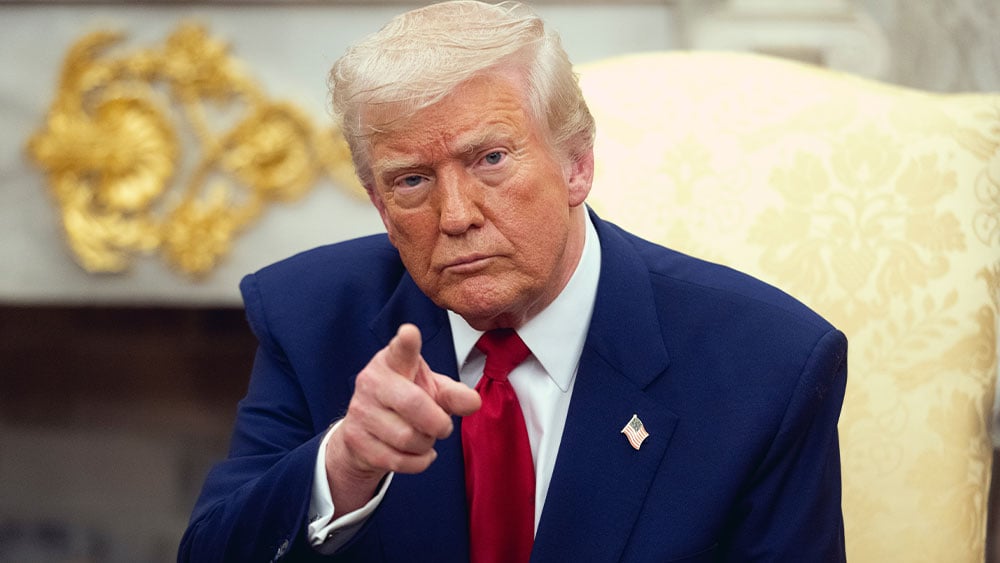
Trump Claims Interim Agreement on Strait of Hormuz is Close

- Agreement Progress: President Trump stated that an interim agreement regarding the Strait of Hormuz is close to being finalized, although negotiations are still ongoing, which may alleviate market concerns over geopolitical tensions in the region.
- Geopolitical Impact: Should the agreement be reached, it would help ensure the safety of shipping through the Strait of Hormuz, thereby stabilizing global oil supply chains and reducing the risk of price volatility.
- Negotiation Dynamics: Trump's remarks indicate an active U.S. government stance in addressing tensions in the Middle East, which could influence international investor confidence in the region.
- Market Reaction Expectations: The market may respond positively to this news, with investors closely monitoring subsequent negotiation developments to assess potential impacts on the energy market.
See More

Laffont Cuts Cloud Stakes, Increases Semiconductor Holdings

- Portfolio Adjustment: Billionaire investor Philippe Laffont of Coatue Management significantly reduced his stakes in major cloud providers like Amazon, Alphabet, and Microsoft in Q1, while completely exiting Oracle, indicating a reassessment of the cloud computing sector.
- Increased Semiconductor Investment: Laffont boosted his stake in Taiwan Semiconductor Manufacturing Co. (TSMC), making it his top holding, and initiated a new position in ASML Holding, reflecting his optimism towards semiconductor infrastructure, particularly amid the rapid growth of AI infrastructure.
- Market Position of TSMC: As the world's largest foundry, TSMC holds a near-monopoly in manufacturing logic chips due to its high yields and advanced packaging technology, and it is expected to enhance its strong pricing power and margins through planned multiyear price hikes.
- Technological Edge of ASML: ASML monopolizes extreme ultraviolet (EUV) lithography, and as demand for advanced logic chips rises, TSMC and other foundries will increasingly require ASML's machines, thereby solidifying ASML's foundation for future growth.
See More

TSMC and ASML Positioned for AI Infrastructure Boom
- Market Leadership: TSMC, as the world's largest semiconductor foundry, is benefiting from the rapid growth of AI infrastructure due to its near-monopoly in advanced logic chip manufacturing, which is expected to drive profit margins higher and enhance its competitive position in the market.
- Technological Innovation: ASML holds a monopoly on extreme ultraviolet (EUV) lithography technology, and as demand for advanced logic chips and memory increases, it is poised for significant growth in equipment sales, further solidifying its leadership in the semiconductor equipment market.
- Investor Dynamics: Billionaire investor Philippe Laffont significantly increased his stake in TSMC and established a new position in ASML during the first quarter, indicating strong confidence in semiconductor infrastructure companies and reflecting market recognition of their future growth potential.
- Price Hike Expectations: TSMC has informed customers of planned multiyear price increases, and combined with its high yield and low defect rates, this is expected to further enhance its profitability and market share, solidifying its critical role in the global semiconductor value chain.
See More
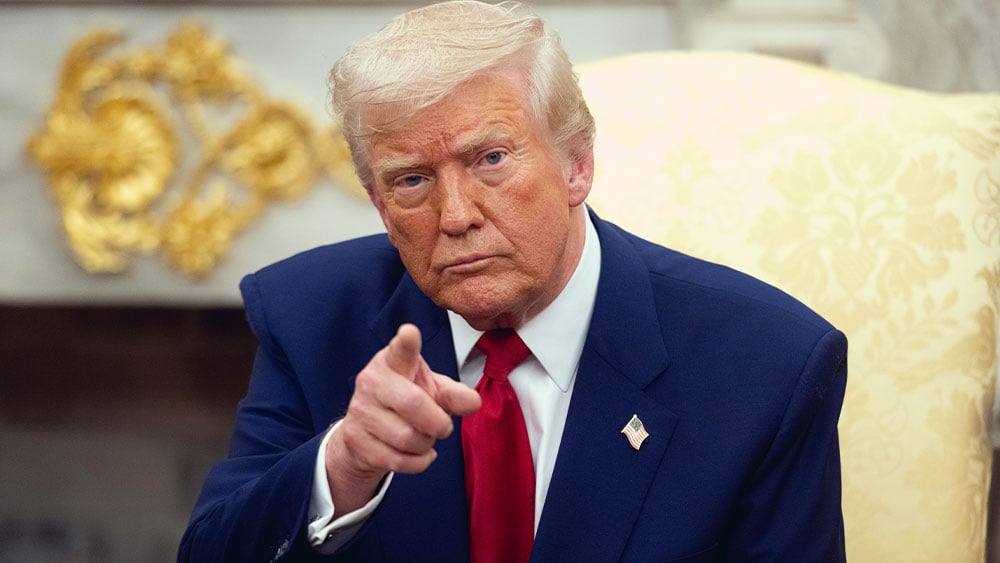
Trump Claims US and Iran Near Interim Deal

- Interim Deal Prospects: President Trump stated that the U.S. and Iran are nearing an interim deal aimed at reopening the Strait of Hormuz, a strategic waterway crucial for global oil transport, which could alleviate current geopolitical tensions.
- Economic Impact Assessment: If the deal is reached, it is expected to stabilize international oil prices, as the Strait of Hormuz accounts for approximately 20% of global oil transport, and restoring passage would aid in the recovery and growth of the global energy market.
- Diplomatic Efforts Intensified: This statement indicates that U.S. diplomatic efforts in the Middle East are making progress, potentially paving the way for more comprehensive negotiations in the future, thereby improving U.S.-Iran relations and reducing conflict risks.
- Regional Security Considerations: The achievement of an interim deal would not only help ensure navigation safety in the Strait but could also influence the security situation of neighboring countries, prompting all parties to reassess their military deployments and strategic collaborations.
See More

Stock Market Rebounds on Iran Deal Hopes

- Market Rebound: The stock market experienced solid weekly gains driven by optimism surrounding the Iran deal, indicating investor confidence in future economic recovery, which may attract more capital inflows into the market.
- Tesla Buy Point Approaching: Tesla's stock is nearing a buy point, suggesting investor interest in its growth potential, which could lead to a short-term price increase and enhance overall market vitality.
- Strong AI Stock Performance: ASML and several AI-related stocks are performing well, reflecting ongoing market enthusiasm for technology stocks, potentially prompting more investors to focus on and invest in the tech sector.
- Weekend Negotiations Ongoing: Talks regarding the Iran deal continued over the weekend, and if a consensus is reached, it could further boost market sentiment and drive stock performance in related sectors, particularly energy and technology.
See More

US Stocks Close Higher as Market Sentiment Improves


- Market Recovery: The S&P 500 rose by 0.37% and the Nasdaq 100 by 0.42%, with the Dow Jones Industrial Average hitting an all-time high, reflecting optimism about a potential US-Iran peace deal that could boost investor confidence.
- Consumer Sentiment Decline: The University of Michigan's consumer sentiment index was revised down to a record low of 44.8, below the expected 48.2, indicating growing concerns among consumers about the economic outlook, which may impact future spending.
- Rising Inflation Expectations: The 1-year inflation expectations for May were revised upward to 4.8%, exceeding the expected 4.6%, potentially prompting the Federal Reserve to consider interest rate hikes in upcoming meetings, which could pressure the stock market.
- Tech Stocks Lead Gains: Workday's stock surged over 5% after reporting Q1 adjusted EPS of $2.66, surpassing expectations, highlighting strong performance in the software sector and potentially attracting more investor interest in tech stocks.
See More
Trump Claims Interim Agreement on Strait of Hormuz is Close
- Agreement Progress: President Trump stated that an interim agreement regarding the Strait of Hormuz is close to being finalized, although negotiations are still ongoing, which may alleviate market concerns over geopolitical tensions in the region.
- Geopolitical Impact: Should the agreement be reached, it would help ensure the safety of shipping through the Strait of Hormuz, thereby stabilizing global oil supply chains and reducing the risk of price volatility.
- Negotiation Dynamics: Trump's remarks indicate an active U.S. government stance in addressing tensions in the Middle East, which could influence international investor confidence in the region.
- Market Reaction Expectations: The market may respond positively to this news, with investors closely monitoring subsequent negotiation developments to assess potential impacts on the energy market.
See More
Laffont Cuts Cloud Stakes, Increases Semiconductor Holdings
- Portfolio Adjustment: Billionaire investor Philippe Laffont of Coatue Management significantly reduced his stakes in major cloud providers like Amazon, Alphabet, and Microsoft in Q1, while completely exiting Oracle, indicating a reassessment of the cloud computing sector.
- Increased Semiconductor Investment: Laffont boosted his stake in Taiwan Semiconductor Manufacturing Co. (TSMC), making it his top holding, and initiated a new position in ASML Holding, reflecting his optimism towards semiconductor infrastructure, particularly amid the rapid growth of AI infrastructure.
- Market Position of TSMC: As the world's largest foundry, TSMC holds a near-monopoly in manufacturing logic chips due to its high yields and advanced packaging technology, and it is expected to enhance its strong pricing power and margins through planned multiyear price hikes.
- Technological Edge of ASML: ASML monopolizes extreme ultraviolet (EUV) lithography, and as demand for advanced logic chips rises, TSMC and other foundries will increasingly require ASML's machines, thereby solidifying ASML's foundation for future growth.
See More
TSMC and ASML Positioned for AI Infrastructure Boom
- Market Leadership: TSMC, as the world's largest semiconductor foundry, is benefiting from the rapid growth of AI infrastructure due to its near-monopoly in advanced logic chip manufacturing, which is expected to drive profit margins higher and enhance its competitive position in the market.
- Technological Innovation: ASML holds a monopoly on extreme ultraviolet (EUV) lithography technology, and as demand for advanced logic chips and memory increases, it is poised for significant growth in equipment sales, further solidifying its leadership in the semiconductor equipment market.
- Investor Dynamics: Billionaire investor Philippe Laffont significantly increased his stake in TSMC and established a new position in ASML during the first quarter, indicating strong confidence in semiconductor infrastructure companies and reflecting market recognition of their future growth potential.
- Price Hike Expectations: TSMC has informed customers of planned multiyear price increases, and combined with its high yield and low defect rates, this is expected to further enhance its profitability and market share, solidifying its critical role in the global semiconductor value chain.
See More
Trump Claims US and Iran Near Interim Deal
- Interim Deal Prospects: President Trump stated that the U.S. and Iran are nearing an interim deal aimed at reopening the Strait of Hormuz, a strategic waterway crucial for global oil transport, which could alleviate current geopolitical tensions.
- Economic Impact Assessment: If the deal is reached, it is expected to stabilize international oil prices, as the Strait of Hormuz accounts for approximately 20% of global oil transport, and restoring passage would aid in the recovery and growth of the global energy market.
- Diplomatic Efforts Intensified: This statement indicates that U.S. diplomatic efforts in the Middle East are making progress, potentially paving the way for more comprehensive negotiations in the future, thereby improving U.S.-Iran relations and reducing conflict risks.
- Regional Security Considerations: The achievement of an interim deal would not only help ensure navigation safety in the Strait but could also influence the security situation of neighboring countries, prompting all parties to reassess their military deployments and strategic collaborations.
See More
Stock Market Rebounds on Iran Deal Hopes
- Market Rebound: The stock market experienced solid weekly gains driven by optimism surrounding the Iran deal, indicating investor confidence in future economic recovery, which may attract more capital inflows into the market.
- Tesla Buy Point Approaching: Tesla's stock is nearing a buy point, suggesting investor interest in its growth potential, which could lead to a short-term price increase and enhance overall market vitality.
- Strong AI Stock Performance: ASML and several AI-related stocks are performing well, reflecting ongoing market enthusiasm for technology stocks, potentially prompting more investors to focus on and invest in the tech sector.
- Weekend Negotiations Ongoing: Talks regarding the Iran deal continued over the weekend, and if a consensus is reached, it could further boost market sentiment and drive stock performance in related sectors, particularly energy and technology.
See More
US Stocks Close Higher as Market Sentiment Improves
- Market Recovery: The S&P 500 rose by 0.37% and the Nasdaq 100 by 0.42%, with the Dow Jones Industrial Average hitting an all-time high, reflecting optimism about a potential US-Iran peace deal that could boost investor confidence.
- Consumer Sentiment Decline: The University of Michigan's consumer sentiment index was revised down to a record low of 44.8, below the expected 48.2, indicating growing concerns among consumers about the economic outlook, which may impact future spending.
- Rising Inflation Expectations: The 1-year inflation expectations for May were revised upward to 4.8%, exceeding the expected 4.6%, potentially prompting the Federal Reserve to consider interest rate hikes in upcoming meetings, which could pressure the stock market.
- Tech Stocks Lead Gains: Workday's stock surged over 5% after reporting Q1 adjusted EPS of $2.66, surpassing expectations, highlighting strong performance in the software sector and potentially attracting more investor interest in tech stocks.
See More