Trump Cautions Against Rushing Iran Peace Agreement
Written by Emily J. Thompson, Senior Investment Analyst
Updated: 40 minutes ago
0mins
Source: seekingalpha
- Cautious U.S. Stance: Trump stated on social media that the U.S. will not rush into a peace agreement with Iran, emphasizing that the blockade on the Strait of Hormuz will remain in effect until an agreement is reached, certified, and signed, indicating a more conservative approach in negotiations.
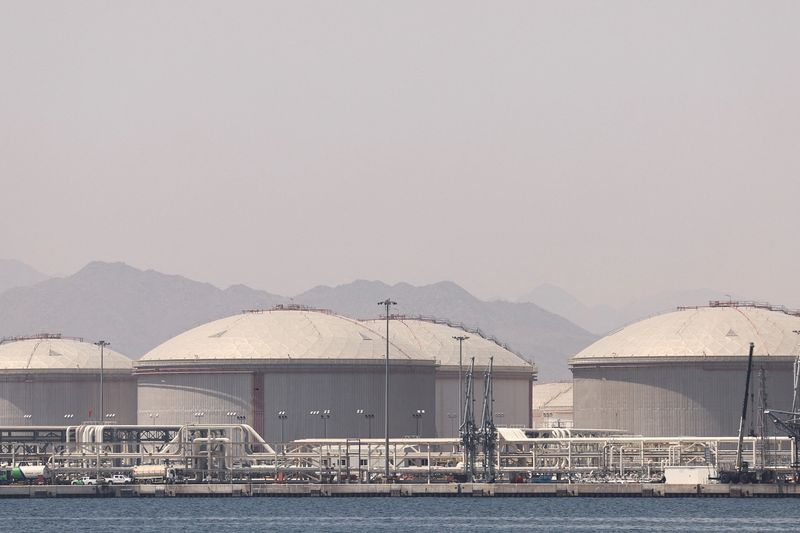
- Impact on Energy Markets: The Strait of Hormuz handles about one-fifth of global oil and LNG shipments, and any durable ceasefire or reopening could ease pressure on energy markets, affecting inflation-sensitive sectors like airlines and agriculture, highlighting the profound economic implications of geopolitical tensions.
- Slow Negotiation Progress: Although Trump mentioned that both sides have “largely negotiated” a memorandum of understanding, significant disagreements remain, particularly regarding Iran's nuclear program, sanctions relief, and access to frozen oil revenues, illustrating the fragility and complexity of any potential agreement.
- Decline in Strait Traffic: The Iranian Revolutionary Guards reported that only 33 vessels passed through the Strait of Hormuz in a recent 24-hour period, sharply down from approximately 140 ships daily before the conflict, reflecting the ongoing tensions and unresolved issues in the region.
Trade with 70% Backtested Accuracy
Stop guessing "Should I Buy DJT?" and start using high-conviction signals backed by rigorous historical data.
Sign up today to access powerful investing tools and make smarter, data-driven decisions.
Analyst Views on DJT
About DJT
Trump Media & Technology Group Corp. (TMTG) is a social media and technology-focused company. The Company's product, Truth Social, is a social media platform where any user can create content, follow other users and engage in an open global conversation. The Company does not restrict whom a user can follow. Additionally, users can be followed by other users without requiring a reciprocal relationship, enhancing the ability of its users to reach a broad audience. Its products and services include Truth Social and Truth+. TMTG operates a TV streaming platform, Truth+, across the entire Truth Social platform-iOS, Android, and the Web. The streaming service relies on TMTG's custom-built content delivery network (CDN), which operates through a data center. TMTG's streaming technology is powered through specially designed infrastructure with its own servers, routers, and software stack. The Company is also focused on launching Truth.Fi, a financial service and FinTech brand.
About the author

Emily J. Thompson
Emily J. Thompson, a Chartered Financial Analyst (CFA) with 12 years in investment research, graduated with honors from the Wharton School. Specializing in industrial and technology stocks, she provides in-depth analysis for Intellectia’s earnings and market brief reports.
Trump Cautions Against Rushing Iran Peace Agreement

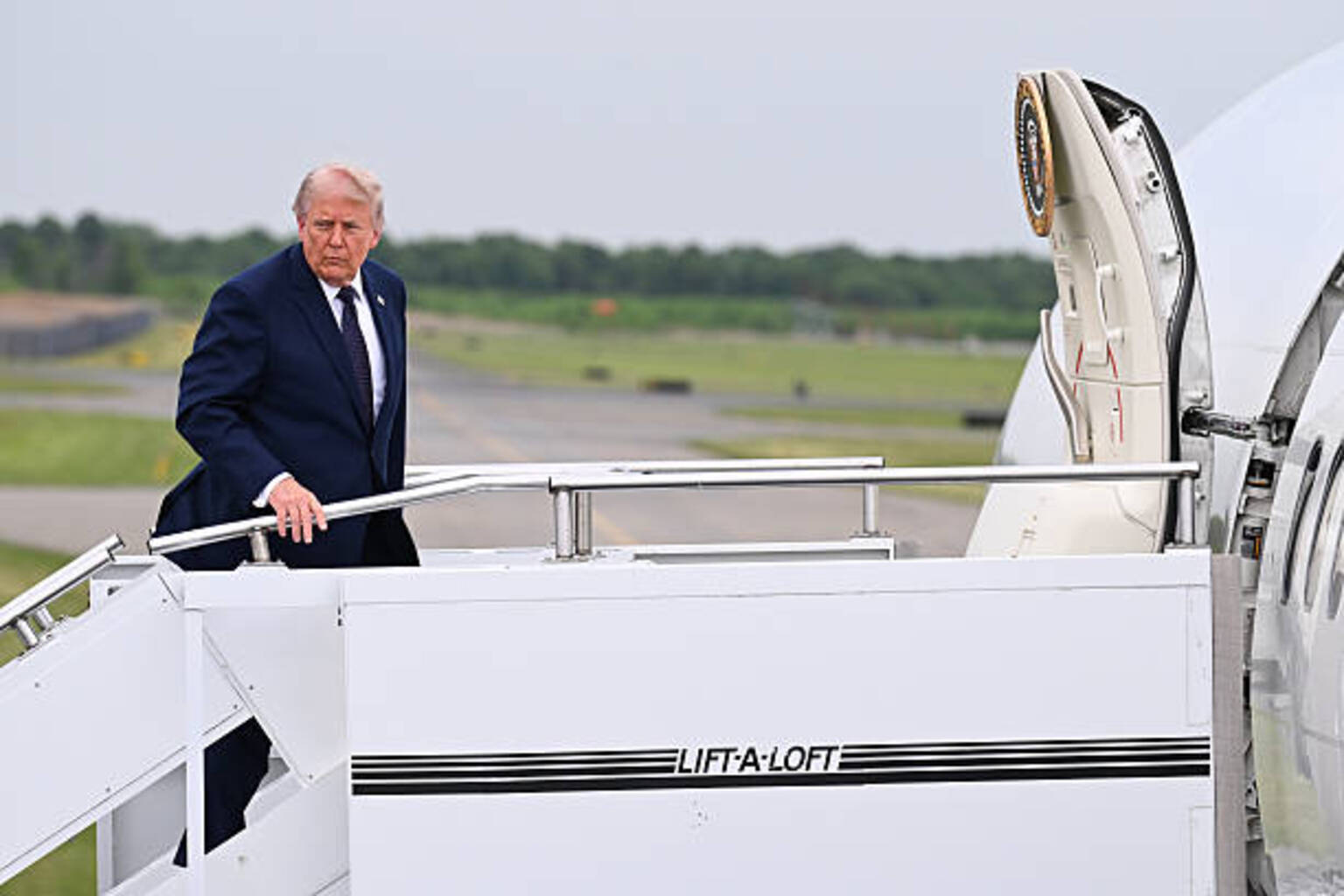
- Cautious U.S. Stance: Trump stated on social media that the U.S. will not rush into a peace agreement with Iran, emphasizing that the blockade on the Strait of Hormuz will remain in effect until an agreement is reached, certified, and signed, indicating a more conservative approach in negotiations.
- Impact on Energy Markets: The Strait of Hormuz handles about one-fifth of global oil and LNG shipments, and any durable ceasefire or reopening could ease pressure on energy markets, affecting inflation-sensitive sectors like airlines and agriculture, highlighting the profound economic implications of geopolitical tensions.
- Slow Negotiation Progress: Although Trump mentioned that both sides have “largely negotiated” a memorandum of understanding, significant disagreements remain, particularly regarding Iran's nuclear program, sanctions relief, and access to frozen oil revenues, illustrating the fragility and complexity of any potential agreement.
- Decline in Strait Traffic: The Iranian Revolutionary Guards reported that only 33 vessels passed through the Strait of Hormuz in a recent 24-hour period, sharply down from approximately 140 ships daily before the conflict, reflecting the ongoing tensions and unresolved issues in the region.
See More
Shooting Incident Near White House Raises Security Concerns
- Incident Overview: On Saturday evening, 21-year-old suspect Nasire Best opened fire near a White House security checkpoint, resulting in his death after being shot by Secret Service officers, marking the third shooting incident related to Trump in a month, which heightens security concerns surrounding the White House.
- Suspect Background: Best had previously attracted law enforcement attention for attempting to enter another White House checkpoint without authorization in July 2025, where he allegedly claimed to be Jesus Christ and expressed a desire to be arrested, indicating potential mental health issues.
- On-Site Response: Following the shooting, the area around the White House was quickly locked down, with a heavy law enforcement presence drawing significant media attention; witnesses reported hearing multiple gunshots, and journalists were instructed to shelter in the press briefing room, underscoring the severity of the incident.
- Escalating Security Threats: This incident follows an assassination attempt against Trump during the White House Correspondents' Association Dinner in April, indicating an increasing security threat against him, prompting the Secret Service and FBI to enhance security measures in the area.
See More
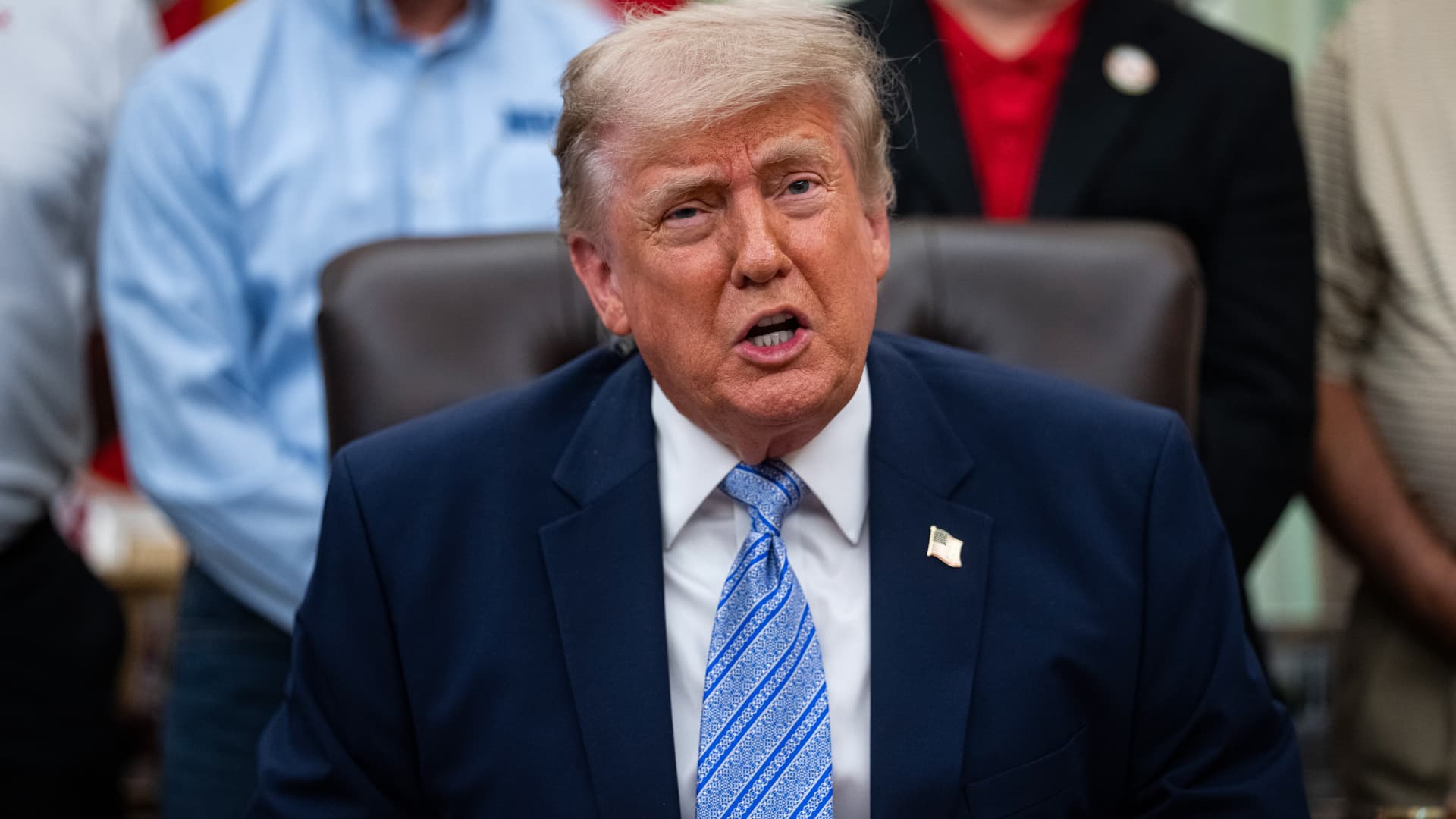
Trump Defends Controversial Anti-Weaponization Fund Amid GOP Backlash
- Fund Controversy: Trump's announcement of the Anti-Weaponization Fund has sparked significant backlash, particularly from Senate Republicans who criticize it as a potential 'slush fund' and have proposed legislation to prohibit taxpayer money from being used for it.
- Legal Settlement Context: The fund's establishment is linked to Trump's $10 billion lawsuit against the IRS, where he received no compensation; however, it aims to compensate supporters who claim to have been victims of prosecutorial overreach by the DOJ.
- Political Discord Intensifies: While Trump's supporters view the fund as a response to 'weaponization,' many GOP leaders expressed dismay, highlighting internal party divisions that could affect other legislative agendas.
- Funding Usage Debate: Although some Republicans support the fund as a means to provide justice for victims, critics warn that the lack of transparency and accountability measures could lead to misuse of funds, raising further concerns about government spending.
See More
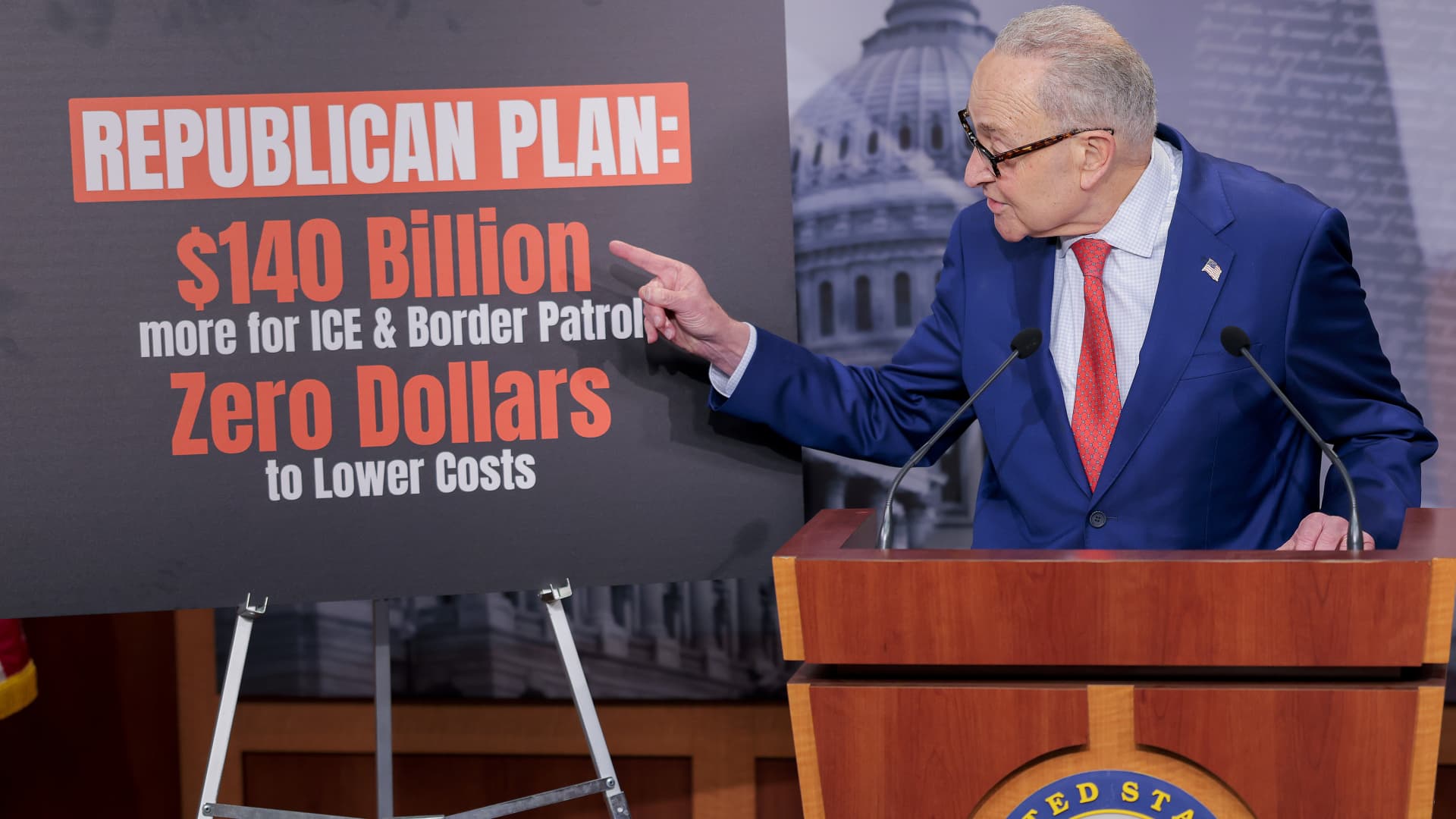
Congress Fails to Approve Immigration Enforcement Funding Package
- Funding Controversy: Congress failed to pass a $72 billion immigration enforcement funding package before the June 1 deadline, leaving immigration enforcement agencies without necessary funding and potentially escalating tensions surrounding immigration policies.
- Increasing Partisan Divisions: Democrats plan to utilize a marathon voting procedure to force Republicans to take stances on sensitive issues like Trump's anti-weaponization fund, highlighting deep divisions between the parties that could hinder future legislative cooperation.
- Trump's Priorities Blocked: Internal Republican divisions emerged as the Senate parliamentarian ruled that a $1 billion security upgrade fund for Trump's proposed White House ballroom could not be included in the budget package, potentially diminishing Trump's influence within the party.
- Concerns Over Fiscal Responsibility: Senator Bill Cassidy expressed concerns about the $1.8 billion anti-weaponization fund, arguing it would increase national debt and calling for such funding issues to be brought before Congress, reflecting a demand for greater transparency in government spending.
See More
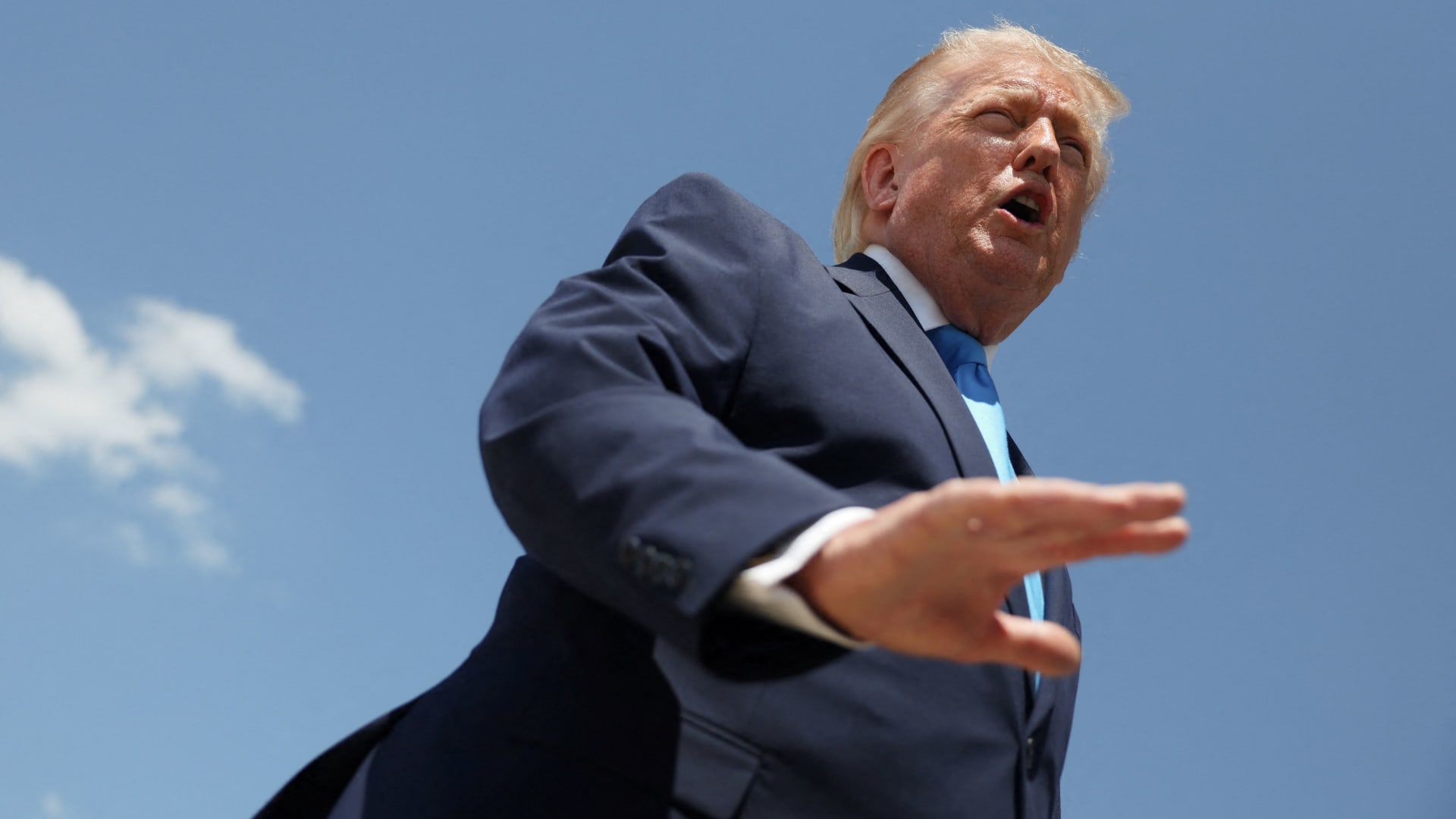
Trump's $1.8B Legal Fund Faces Congressional Challenge

- Congressional Legal Challenge: Former federal prosecutors assert that Congress has solid legal grounds to contest the $1.8 billion 'lawfare fund' established by the DOJ to settle Trump's lawsuit against the IRS, potentially impacting Trump's political funding operations.
- Escalating Legal Controversy: Two police officers who defended the Capitol have filed a lawsuit against Trump in federal court, seeking to block the fund's implementation, and a successful challenge could significantly undermine Trump's legal strategies.
- Appropriations Clause Dispute: Legal experts argue that the fund may violate the Constitution's Appropriations Clause, as it involves unauthorized use of taxpayer funds, which could trigger broader legal challenges and affect government financial transparency.
- Bipartisan Opposition: Lawmakers from both parties have expressed concerns over the fund's lack of congressional oversight, fearing it could lead to misuse of taxpayer money and exacerbate political divisions.
See More
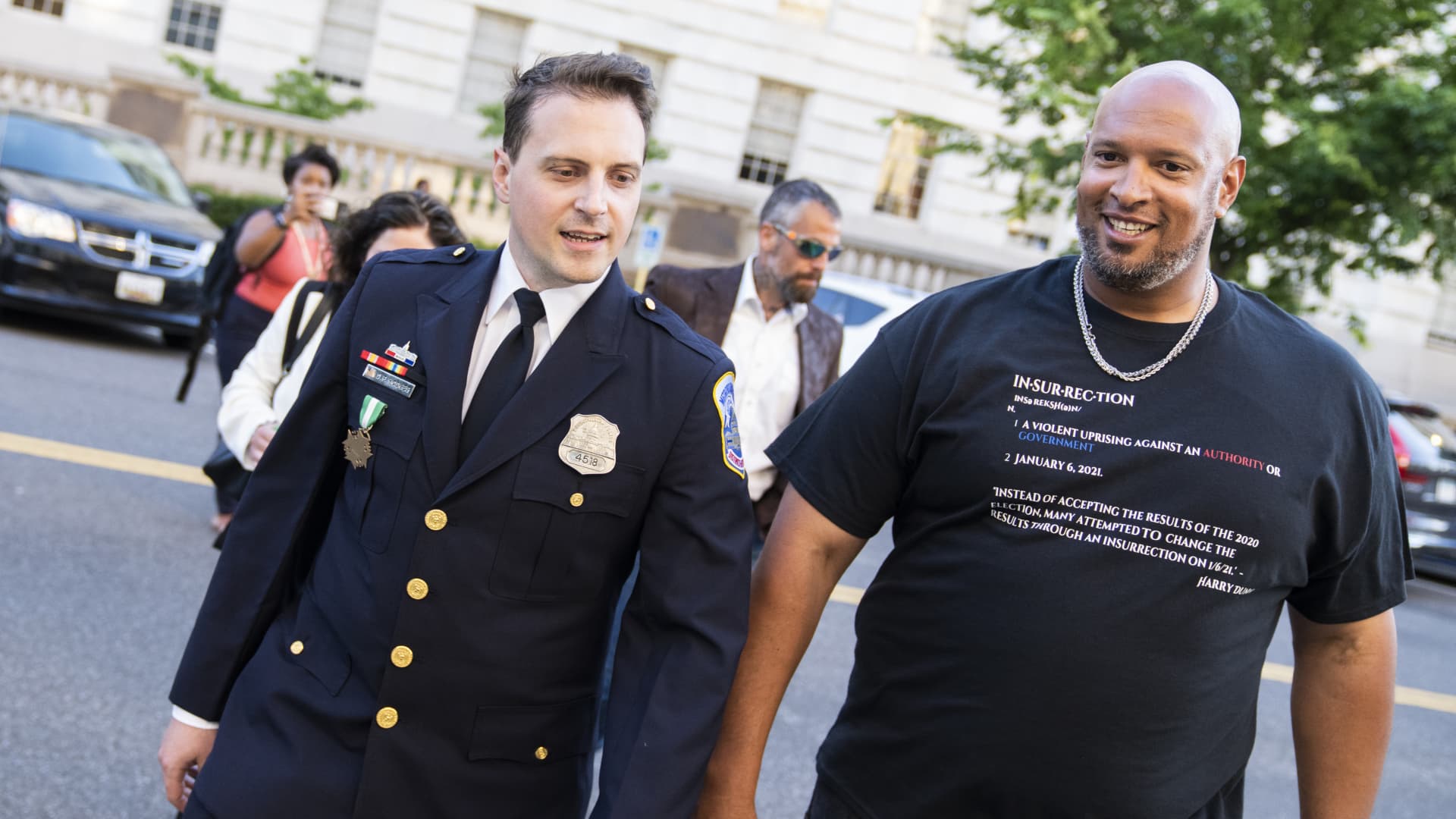
Two Officers Sue Trump to Block $1.8 Billion Lawfare Fund
- Lawsuit Context: Two police officers, Harry Dunn and Daniel Hodges, who defended the Capitol during the January 6, 2021, riots, have filed a lawsuit against President Trump to block the newly established $1.8 billion 'lawfare fund' by the DOJ, aimed at compensating Trump allies claiming prosecutorial overreach.
- Legality of the Fund: The lawsuit alleges that the fund represents 'the most brazen act of presidential corruption this century,' claiming it lacks legal authorization and violates the Constitution and federal law, which could significantly impact Trump's legal standing and that of his allies.
- Political Repercussions: Congressional Democrats have labeled the fund a 'corrupt slush fund,' raising questions about its legality, which may further erode public trust in Trump and his policies, potentially affecting his future political endeavors.
- DOJ Statement: The DOJ stated that the fund will provide a systematic process for claims from individuals affected by 'weaponization' and 'lawfare,' although this statement has not quelled the controversy surrounding the fund's legality, sparking broader political and legal discussions.
See More
Trump Cautions Against Rushing Iran Peace Agreement
- Cautious U.S. Stance: Trump stated on social media that the U.S. will not rush into a peace agreement with Iran, emphasizing that the blockade on the Strait of Hormuz will remain in effect until an agreement is reached, certified, and signed, indicating a more conservative approach in negotiations.
- Impact on Energy Markets: The Strait of Hormuz handles about one-fifth of global oil and LNG shipments, and any durable ceasefire or reopening could ease pressure on energy markets, affecting inflation-sensitive sectors like airlines and agriculture, highlighting the profound economic implications of geopolitical tensions.
- Slow Negotiation Progress: Although Trump mentioned that both sides have “largely negotiated” a memorandum of understanding, significant disagreements remain, particularly regarding Iran's nuclear program, sanctions relief, and access to frozen oil revenues, illustrating the fragility and complexity of any potential agreement.
- Decline in Strait Traffic: The Iranian Revolutionary Guards reported that only 33 vessels passed through the Strait of Hormuz in a recent 24-hour period, sharply down from approximately 140 ships daily before the conflict, reflecting the ongoing tensions and unresolved issues in the region.
See More
Shooting Incident Near White House Raises Security Concerns
- Incident Overview: On Saturday evening, 21-year-old suspect Nasire Best opened fire near a White House security checkpoint, resulting in his death after being shot by Secret Service officers, marking the third shooting incident related to Trump in a month, which heightens security concerns surrounding the White House.
- Suspect Background: Best had previously attracted law enforcement attention for attempting to enter another White House checkpoint without authorization in July 2025, where he allegedly claimed to be Jesus Christ and expressed a desire to be arrested, indicating potential mental health issues.
- On-Site Response: Following the shooting, the area around the White House was quickly locked down, with a heavy law enforcement presence drawing significant media attention; witnesses reported hearing multiple gunshots, and journalists were instructed to shelter in the press briefing room, underscoring the severity of the incident.
- Escalating Security Threats: This incident follows an assassination attempt against Trump during the White House Correspondents' Association Dinner in April, indicating an increasing security threat against him, prompting the Secret Service and FBI to enhance security measures in the area.
See More
Trump Defends Controversial Anti-Weaponization Fund Amid GOP Backlash
- Fund Controversy: Trump's announcement of the Anti-Weaponization Fund has sparked significant backlash, particularly from Senate Republicans who criticize it as a potential 'slush fund' and have proposed legislation to prohibit taxpayer money from being used for it.
- Legal Settlement Context: The fund's establishment is linked to Trump's $10 billion lawsuit against the IRS, where he received no compensation; however, it aims to compensate supporters who claim to have been victims of prosecutorial overreach by the DOJ.
- Political Discord Intensifies: While Trump's supporters view the fund as a response to 'weaponization,' many GOP leaders expressed dismay, highlighting internal party divisions that could affect other legislative agendas.
- Funding Usage Debate: Although some Republicans support the fund as a means to provide justice for victims, critics warn that the lack of transparency and accountability measures could lead to misuse of funds, raising further concerns about government spending.
See More
Congress Fails to Approve Immigration Enforcement Funding Package
- Funding Controversy: Congress failed to pass a $72 billion immigration enforcement funding package before the June 1 deadline, leaving immigration enforcement agencies without necessary funding and potentially escalating tensions surrounding immigration policies.
- Increasing Partisan Divisions: Democrats plan to utilize a marathon voting procedure to force Republicans to take stances on sensitive issues like Trump's anti-weaponization fund, highlighting deep divisions between the parties that could hinder future legislative cooperation.
- Trump's Priorities Blocked: Internal Republican divisions emerged as the Senate parliamentarian ruled that a $1 billion security upgrade fund for Trump's proposed White House ballroom could not be included in the budget package, potentially diminishing Trump's influence within the party.
- Concerns Over Fiscal Responsibility: Senator Bill Cassidy expressed concerns about the $1.8 billion anti-weaponization fund, arguing it would increase national debt and calling for such funding issues to be brought before Congress, reflecting a demand for greater transparency in government spending.
See More
Trump's $1.8B Legal Fund Faces Congressional Challenge
- Congressional Legal Challenge: Former federal prosecutors assert that Congress has solid legal grounds to contest the $1.8 billion 'lawfare fund' established by the DOJ to settle Trump's lawsuit against the IRS, potentially impacting Trump's political funding operations.
- Escalating Legal Controversy: Two police officers who defended the Capitol have filed a lawsuit against Trump in federal court, seeking to block the fund's implementation, and a successful challenge could significantly undermine Trump's legal strategies.
- Appropriations Clause Dispute: Legal experts argue that the fund may violate the Constitution's Appropriations Clause, as it involves unauthorized use of taxpayer funds, which could trigger broader legal challenges and affect government financial transparency.
- Bipartisan Opposition: Lawmakers from both parties have expressed concerns over the fund's lack of congressional oversight, fearing it could lead to misuse of taxpayer money and exacerbate political divisions.
See More
Two Officers Sue Trump to Block $1.8 Billion Lawfare Fund
- Lawsuit Context: Two police officers, Harry Dunn and Daniel Hodges, who defended the Capitol during the January 6, 2021, riots, have filed a lawsuit against President Trump to block the newly established $1.8 billion 'lawfare fund' by the DOJ, aimed at compensating Trump allies claiming prosecutorial overreach.
- Legality of the Fund: The lawsuit alleges that the fund represents 'the most brazen act of presidential corruption this century,' claiming it lacks legal authorization and violates the Constitution and federal law, which could significantly impact Trump's legal standing and that of his allies.
- Political Repercussions: Congressional Democrats have labeled the fund a 'corrupt slush fund,' raising questions about its legality, which may further erode public trust in Trump and his policies, potentially affecting his future political endeavors.
- DOJ Statement: The DOJ stated that the fund will provide a systematic process for claims from individuals affected by 'weaponization' and 'lawfare,' although this statement has not quelled the controversy surrounding the fund's legality, sparking broader political and legal discussions.
See More