

Silver Price Volatility and Market Outlook
Written by Emily J. Thompson, Senior Investment Analyst
Updated: May 14 2026
0mins
Source: CNBC
- Extreme Price Volatility: On January 28, 2025, silver prices surged past $120 per ounce before crashing nearly 30% in a single day, highlighting extreme market instability that could undermine investor confidence.
- Signs of Market Recovery: Despite initial suppression during the Iran war, both spot silver and futures have risen 10% over the past month, currently trading around $87 per ounce, indicating a gradual market recovery.
- Analyst Insights: HSBC analysts argue that silver is 'fundamentally overvalued' with limited upside potential, suggesting that the gold:silver ratio may widen, indicating potential declines in silver prices even if gold rallies.
- Impact of Industrial Demand: As a critical component in various industrial goods, silver's price is more sensitive to economic cycles, and analysts warn that reduced industrial demand and increased supply may pressure prices further into 2026.
Trade with 70% Backtested Accuracy
Stop guessing "Should I Buy HSBC?" and start using high-conviction signals backed by rigorous historical data.
Sign up today to access powerful investing tools and make smarter, data-driven decisions.
Analyst Views on HSBC
About HSBC
HSBC Holdings plc (HSBC) is a banking and financial services company. Its business segments include Hong Kong, UK, Corporate and Institutional Banking (CIB), and International Wealth and Premier Banking (IWPB). Its Hong Kong business comprises retail banking and wealth and commercial banking of HSBC Hong Kong and Hang Seng Bank. Its UK business comprises UK retail banking and wealth (including first direct and M&S Bank) and UK commercial banking, including HSBC Innovation Bank. The CIB segment is formed from the integration of its commercial banking business (outside the UK and Hong Kong) with its global banking and markets business. The IWPB segment comprises premier banking outside of Hong Kong and the UK, its global private bank, and its asset management, insurance and investment distribution businesses. Its customers worldwide through a network covering 58 countries and territories. Its customers range from individual savers and investors to companies, governments and others.
About the author

Emily J. Thompson
Emily J. Thompson, a Chartered Financial Analyst (CFA) with 12 years in investment research, graduated with honors from the Wharton School. Specializing in industrial and technology stocks, she provides in-depth analysis for Intellectia’s earnings and market brief reports.

HSBC Downgrades Thermo Fisher to Hold Amid Growth Concerns


- Downgrade Impact: On June 3, HSBC downgraded Thermo Fisher from Buy to Hold and lowered its price target from $670 to $540, reflecting concerns about the company's future growth, particularly its relatively lower exposure to bioprocessing compared to peers.
- Uncertain Growth Outlook: Analysts noted that Thermo Fisher's goal of achieving 7% growth beyond 2027 requires more support, and the uncertainty surrounding outsourcing demand exacerbates market concerns about its near-term performance, potentially impacting investor confidence.
- Competitive Advantage Analysis: Despite HSBC's cautious stance, Wolfe Research initiated coverage on June 2 with an Outperform rating and a $535 price target, viewing Thermo Fisher's leadership in life science tools and its acquisition capabilities as key drivers for sustained growth.
- Investor Considerations: While Thermo Fisher is seen as a potential investment, analysts suggest that certain AI stocks may offer greater upside potential and lower downside risk, urging investors to choose wisely.
See More

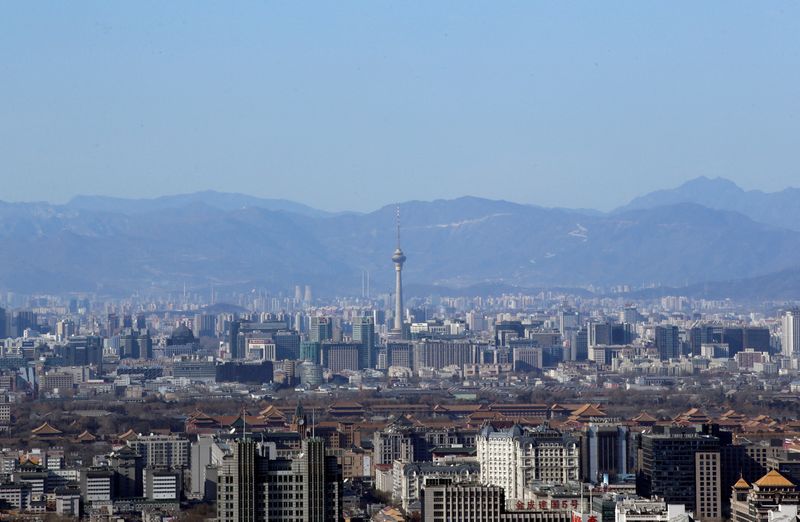
China's Trade Growth Exceeds Expectations in May


- Strong Export Growth: In May, China's exports rose by 19.4% year-on-year, surpassing economists' expectations of 15%, indicating robust demand for AI-related products that supports the economy despite weak overall demand.
- Continued Import Surge: Imports increased by 27.4% in May, up from 25.3% in April, primarily driven by specific categories like semiconductors and gold, suggesting strong import demand despite high cost pressures.
- Weak Domestic Consumption: Despite strong exports, domestic consumption remains weak, with retail sales growth expected to fall to zero in May, reflecting the fading impact of trade-in subsidies and increasing risks of economic slowdown.
- Rising Producer Prices: Producer Price Index is expected to accelerate to 3.8% in May, the highest level in nearly four years, indicating manufacturers are absorbing higher input costs, while consumer inflation is projected to be modest at 1.3%.
See More
Economic Impact Analysis of 2026 World Cup

- Increased Teams: The 2026 World Cup will feature 48 teams for the first time, hosted across three North American countries, which is expected to attract a larger audience and enhance business opportunities in related sectors.
- Beneficiaries in Consumer Goods: Goldman Sachs predicts that European and U.S. consumer staples, retail, and hospitality sectors will be the main beneficiaries of the World Cup, although the macroeconomic impact may not be substantial or long-lasting.
- Sports Betting Competition: Deutsche Bank analysts highlight the intensifying competition between traditional bookmakers and emerging prediction markets, particularly with platforms like Polymarket and Kalshi gaining traction during this World Cup.
- Private Market Concerns: At the upcoming SuperReturn conference, Partners Group warned of potential limits on fund withdrawals, triggering a sell-off in stocks exposed to private markets, indicating growing concerns about liquidity in the market.
See More
AIA Fund Surges 53% in Five Months, Outperforming S&P 500


- Outstanding Fund Performance: The AIA fund surged 53% in the first five months of 2026, marking the largest outperformance of Asia mega-caps against the S&P 500 in a decade, highlighting its strong market position and investment appeal.
- TSM Drives Returns: AIA's top holding, Taiwan Semiconductor Manufacturing (TSM), which constitutes 22% of the fund, has risen 44% year-to-date due to robust demand for AI chips, further boosting AIA's overall returns and indicating a strong recovery in the semiconductor sector.
- China Internet Drag: Despite AIA's overall strong performance, Alibaba (BABA), its fourth-largest holding, has declined 13% year-to-date, reflecting weakness in the Chinese internet sector that negatively impacts the fund and could affect future investor confidence.
- Geopolitical Risk Challenge: AIA's current performance hinges on the continued growth of AI capital expenditures and the Taiwan Strait geopolitical risk remaining theoretical; any changes in these factors could significantly impact the fund's future performance.
See More
SpaceX Set to Launch Largest IPO in History


- Historic IPO: SpaceX has officially set a fixed price of $135 per share for its IPO next week, achieving a valuation of $1.77 trillion, which will make CEO Elon Musk the world's first trillionaire, marking a significant success in the aerospace sector.
- Market Response: Despite the high expectations for SpaceX's IPO, a review of 30 major IPOs over the past 15 years indicates that stocks often experience declines and sharp drawdowns in the first year, prompting investors to approach with caution regarding potential risks.
- SoftBank's Risks: SoftBank's highly leveraged investments in artificial intelligence have raised liquidity crunch concerns, and although its shares have surged about 70% this year, analysts warn that the market's renewed optimism may be masking mounting balance-sheet risks.
- Middle East Situation Impact: The ceasefire agreement between Israel and Lebanon has eased oil prices slightly, boosting hopes for a potential deal between the U.S. and Iran, which could influence global economic conditions and investor confidence.
See More
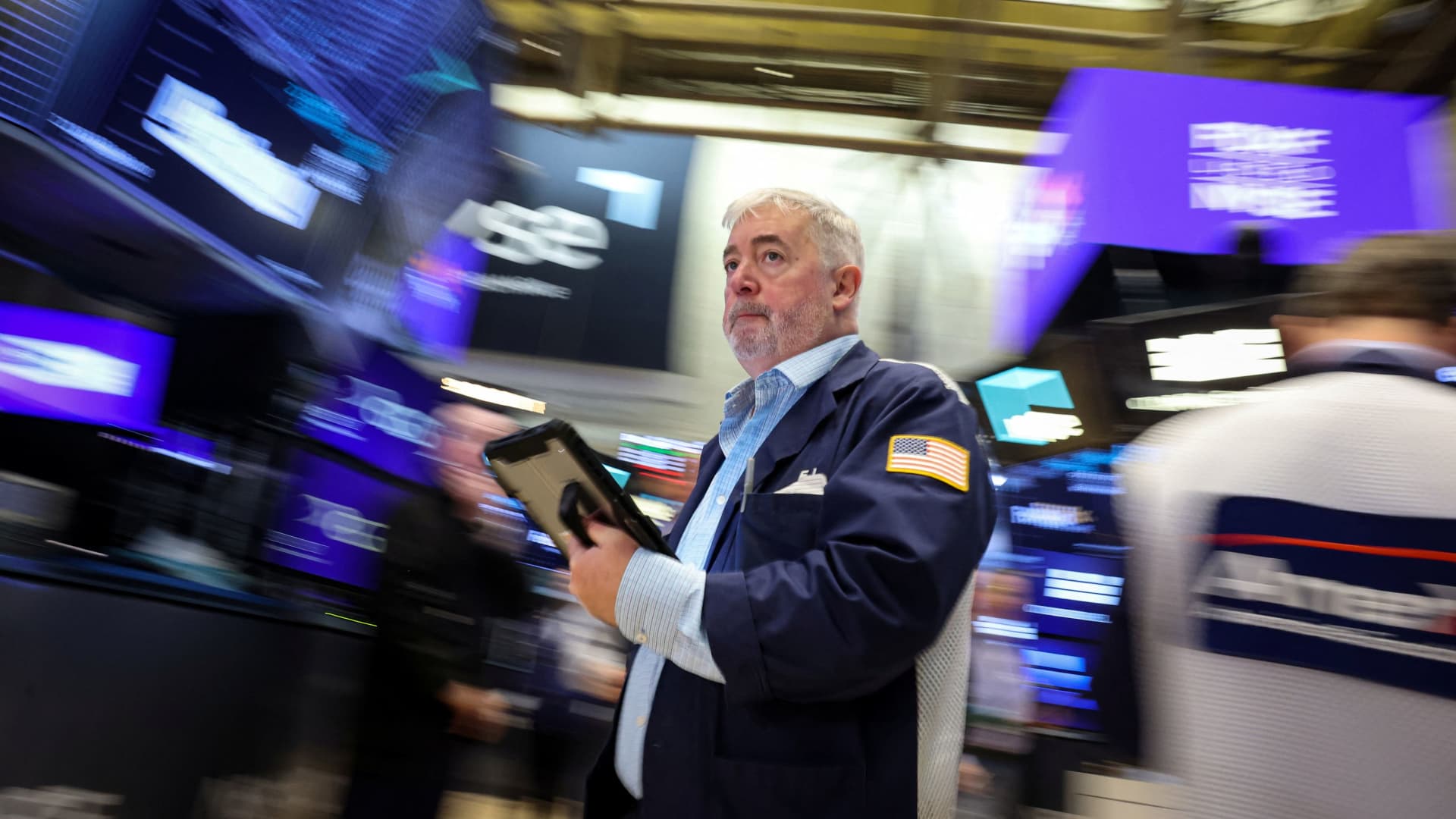
Market Optimism Drives Stock Indices to Record Highs
- Record Highs: The S&P 500 has crossed 7,600 for the first time, closing at an all-time high, reflecting market optimism around AI despite geopolitical concerns, indicating strong investor confidence in future growth.
- Economic Warning Signals: Deutsche Bank cautions that the rapid rise in stock prices does not align with an economy emerging from recession, suggesting potential market risks that investors should navigate carefully.
- AI Fundraising Wave: Goldman Sachs CEO David Solomon highlights that the market is currently in a phase of more greed than fear, anticipating a wave of massive AI equity offerings that could further increase market volatility.
- Trade Tensions: The U.S. Trade Representative has proposed additional tariffs of up to 12.5% on imports from 60 economies due to failures in banning goods produced with forced labor, which could escalate international trade tensions.
See More
HSBC Downgrades Thermo Fisher to Hold Amid Growth Concerns
- Downgrade Impact: On June 3, HSBC downgraded Thermo Fisher from Buy to Hold and lowered its price target from $670 to $540, reflecting concerns about the company's future growth, particularly its relatively lower exposure to bioprocessing compared to peers.
- Uncertain Growth Outlook: Analysts noted that Thermo Fisher's goal of achieving 7% growth beyond 2027 requires more support, and the uncertainty surrounding outsourcing demand exacerbates market concerns about its near-term performance, potentially impacting investor confidence.
- Competitive Advantage Analysis: Despite HSBC's cautious stance, Wolfe Research initiated coverage on June 2 with an Outperform rating and a $535 price target, viewing Thermo Fisher's leadership in life science tools and its acquisition capabilities as key drivers for sustained growth.
- Investor Considerations: While Thermo Fisher is seen as a potential investment, analysts suggest that certain AI stocks may offer greater upside potential and lower downside risk, urging investors to choose wisely.
See More
China's Trade Growth Exceeds Expectations in May
- Strong Export Growth: In May, China's exports rose by 19.4% year-on-year, surpassing economists' expectations of 15%, indicating robust demand for AI-related products that supports the economy despite weak overall demand.
- Continued Import Surge: Imports increased by 27.4% in May, up from 25.3% in April, primarily driven by specific categories like semiconductors and gold, suggesting strong import demand despite high cost pressures.
- Weak Domestic Consumption: Despite strong exports, domestic consumption remains weak, with retail sales growth expected to fall to zero in May, reflecting the fading impact of trade-in subsidies and increasing risks of economic slowdown.
- Rising Producer Prices: Producer Price Index is expected to accelerate to 3.8% in May, the highest level in nearly four years, indicating manufacturers are absorbing higher input costs, while consumer inflation is projected to be modest at 1.3%.
See More
Economic Impact Analysis of 2026 World Cup
- Increased Teams: The 2026 World Cup will feature 48 teams for the first time, hosted across three North American countries, which is expected to attract a larger audience and enhance business opportunities in related sectors.
- Beneficiaries in Consumer Goods: Goldman Sachs predicts that European and U.S. consumer staples, retail, and hospitality sectors will be the main beneficiaries of the World Cup, although the macroeconomic impact may not be substantial or long-lasting.
- Sports Betting Competition: Deutsche Bank analysts highlight the intensifying competition between traditional bookmakers and emerging prediction markets, particularly with platforms like Polymarket and Kalshi gaining traction during this World Cup.
- Private Market Concerns: At the upcoming SuperReturn conference, Partners Group warned of potential limits on fund withdrawals, triggering a sell-off in stocks exposed to private markets, indicating growing concerns about liquidity in the market.
See More
AIA Fund Surges 53% in Five Months, Outperforming S&P 500
- Outstanding Fund Performance: The AIA fund surged 53% in the first five months of 2026, marking the largest outperformance of Asia mega-caps against the S&P 500 in a decade, highlighting its strong market position and investment appeal.
- TSM Drives Returns: AIA's top holding, Taiwan Semiconductor Manufacturing (TSM), which constitutes 22% of the fund, has risen 44% year-to-date due to robust demand for AI chips, further boosting AIA's overall returns and indicating a strong recovery in the semiconductor sector.
- China Internet Drag: Despite AIA's overall strong performance, Alibaba (BABA), its fourth-largest holding, has declined 13% year-to-date, reflecting weakness in the Chinese internet sector that negatively impacts the fund and could affect future investor confidence.
- Geopolitical Risk Challenge: AIA's current performance hinges on the continued growth of AI capital expenditures and the Taiwan Strait geopolitical risk remaining theoretical; any changes in these factors could significantly impact the fund's future performance.
See More
SpaceX Set to Launch Largest IPO in History
- Historic IPO: SpaceX has officially set a fixed price of $135 per share for its IPO next week, achieving a valuation of $1.77 trillion, which will make CEO Elon Musk the world's first trillionaire, marking a significant success in the aerospace sector.
- Market Response: Despite the high expectations for SpaceX's IPO, a review of 30 major IPOs over the past 15 years indicates that stocks often experience declines and sharp drawdowns in the first year, prompting investors to approach with caution regarding potential risks.
- SoftBank's Risks: SoftBank's highly leveraged investments in artificial intelligence have raised liquidity crunch concerns, and although its shares have surged about 70% this year, analysts warn that the market's renewed optimism may be masking mounting balance-sheet risks.
- Middle East Situation Impact: The ceasefire agreement between Israel and Lebanon has eased oil prices slightly, boosting hopes for a potential deal between the U.S. and Iran, which could influence global economic conditions and investor confidence.
See More
Market Optimism Drives Stock Indices to Record Highs
- Record Highs: The S&P 500 has crossed 7,600 for the first time, closing at an all-time high, reflecting market optimism around AI despite geopolitical concerns, indicating strong investor confidence in future growth.
- Economic Warning Signals: Deutsche Bank cautions that the rapid rise in stock prices does not align with an economy emerging from recession, suggesting potential market risks that investors should navigate carefully.
- AI Fundraising Wave: Goldman Sachs CEO David Solomon highlights that the market is currently in a phase of more greed than fear, anticipating a wave of massive AI equity offerings that could further increase market volatility.
- Trade Tensions: The U.S. Trade Representative has proposed additional tariffs of up to 12.5% on imports from 60 economies due to failures in banning goods produced with forced labor, which could escalate international trade tensions.
See More





