Middle East Conflict Impacts AI Infrastructure Development
Written by Emily J. Thompson, Senior Investment Analyst
Updated: 57 minutes ago
0mins

Source: CNBC
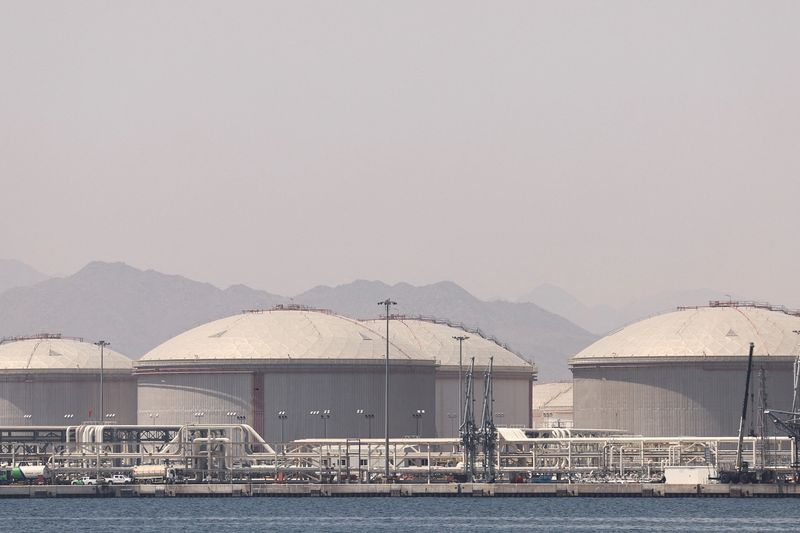
- Investment Delays: The ongoing conflict in the Middle East has led Pure Data Center Group to temporarily pause investment decisions in the region, while still engaging in project planning and discussions, indicating that geopolitical risks are impacting the development of AI infrastructure.
- Energy Price Volatility: Since the outbreak of war, Brent crude prices surged from around $72 to nearly $120, causing natural gas prices in the UAE to rise by 30% in April, which pressures operational costs for large industrial users like data centers.
- Infrastructure Security Enhancement: As data centers become strategic assets, experts suggest that they need to be physically hardened and potentially built underground to address increasing attack risks, reflecting a heightened focus on data center security.
- Long-term Investment Confidence: Despite the conflict, companies like G42 and HUMAIN remain optimistic about AI infrastructure investments in the Middle East, emphasizing that AI will become foundational to economies and societies, showcasing confidence in future market potential.
Trade with 70% Backtested Accuracy
Stop guessing "Should I Buy AMZN?" and start using high-conviction signals backed by rigorous historical data.
Sign up today to access powerful investing tools and make smarter, data-driven decisions.
Analyst Views on AMZN
Wall Street analysts forecast AMZN stock price to rise
44 Analyst Rating
41 Buy
3 Hold
0 Sell
Strong Buy
Current: 268.460

Low
175.00
Averages
280.01
High
325.00
Current: 268.460
Low
175.00
Averages
280.01
High
325.00
About AMZN
Amazon.com, Inc. provides a range of products and services to customers. The products offered through its stores include merchandise and content it has purchased for resale and products offered by third-party sellers. The Company’s segments include North America, International and Amazon Web Services (AWS). It serves consumers through its online and physical stores and focuses on selection, price, and convenience. Customers access its offerings through its websites, mobile apps, Alexa, devices, streaming, and physically visiting its stores. It also manufactures and sells electronic devices, including Kindle, Fire tablet, Fire TV, Echo, Ring, Blink, and eero, and develops and produces media content. It serves developers and enterprises of all sizes, including start-ups, government agencies, and academic institutions, through AWS, which offers a set of on-demand technology services, including compute, storage, database, analytics, and machine learning, and other services.
About the author

Emily J. Thompson
Emily J. Thompson, a Chartered Financial Analyst (CFA) with 12 years in investment research, graduated with honors from the Wharton School. Specializing in industrial and technology stocks, she provides in-depth analysis for Intellectia’s earnings and market brief reports.

SpaceX's Starlink Revenue Soars

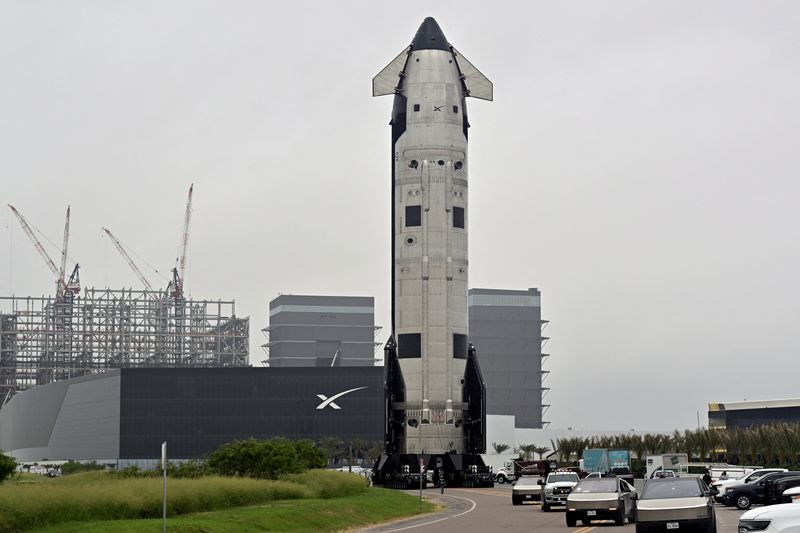
- Significant Revenue Growth: SpaceX's Starlink business generated $11.3 billion in revenue in 2025, accounting for 61% of the company's total revenue, with projections of $20 billion in 2026, indicating strong market demand and profit potential.
- Strong User Growth: As of February 2026, Starlink connected over 10 million active users, with 4.6 million added in 2025, demonstrating sustained service demand across 160 countries and enhancing market competitiveness.
- Key ARPU Trend: With Amazon planning to launch competing satellite internet services, SpaceX must monitor Starlink's average revenue per user (ARPU) trend to ensure profitability and market positioning, particularly in attracting high-margin business customers.
- Optimistic IPO Outlook: SpaceX is expected to conduct an IPO in 2026 with a valuation of $1.75 trillion; if Starlink's ARPU continues to grow, it will provide strong support for future profitability, ensuring sustainable development under such a high valuation.
See More

Costco's Aggressive Expansion Strategy in Retail


- Membership Growth Momentum: Costco's membership continues to rise, and despite overcrowding in high-density cities, the company plans to open at least 30 new stores annually to meet demand, thereby enhancing its market competitiveness.
- Innovative Property Development: The construction of its first mixed-use property in Los Angeles, combining apartments with warehouses, is expected to increase foot traffic and help the company expand in high-income areas, alleviating space constraints.
- International Market Expansion: With seven pilot stores in China laying the groundwork for future international growth, Costco's international sales have increased by 13% year-over-year, indicating strong expansion potential despite modest growth in the U.S. market.
- Stock Price Outlook: Although the current price-to-earnings ratio is nearly 56, indicating potential risks due to high stock prices, long-term investors can remain optimistic about Costco's brand value and ongoing growth potential, anticipating favorable stock performance in the future.
See More
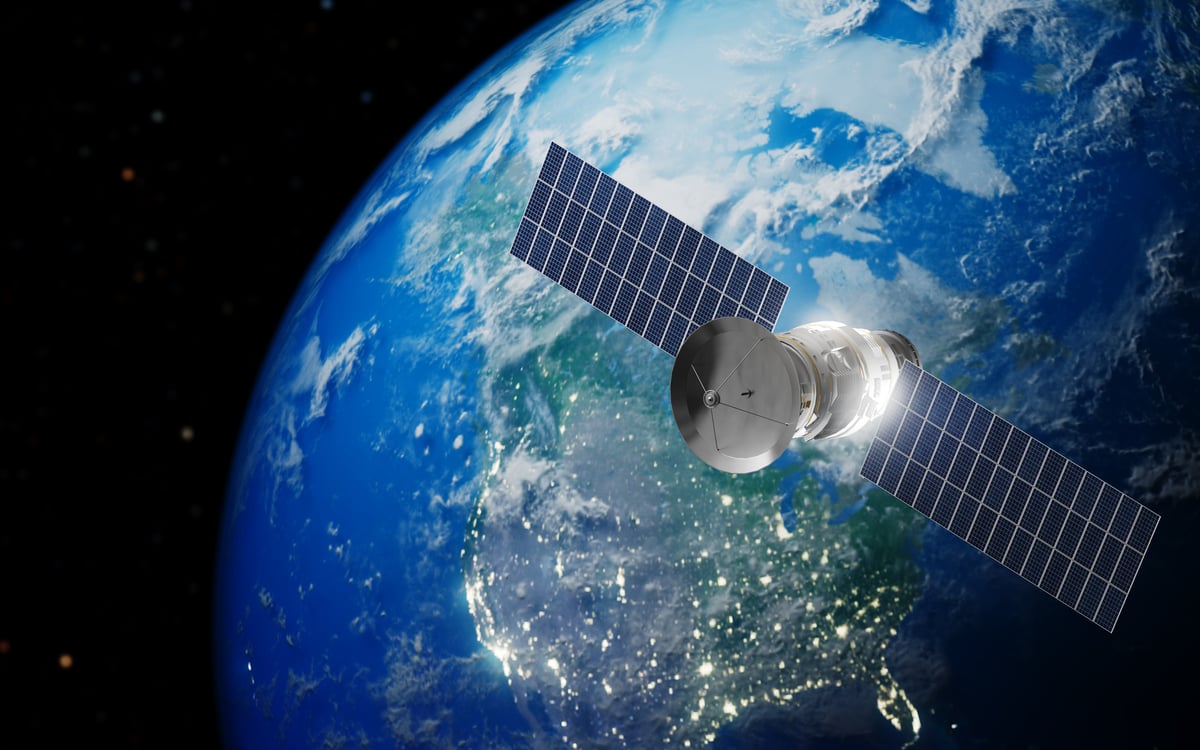
2026 Set to be the Year of Mega IPOs
- SpaceX IPO Valuation: SpaceX's IPO is projected to be valued at $1.75 trillion, making it the largest IPO in history, which will attract investor attention regarding its future growth potential and market performance.
- Starlink Revenue Growth: Starlink generated $11.3 billion in revenue last year, accounting for 61% of SpaceX's total revenue in 2025, with projections of reaching $20 billion in 2026, indicating strong demand in the satellite internet market.
- User Growth and ARPU: Starlink reported over 9 million users in 2025, with 4.6 million added last year, and as of February 2026, it has connected over 10 million active users; the trend in ARPU will be a critical metric for assessing its profitability.
- Profitability Outlook: While Starlink's ARPU is a key initial metric to monitor, SpaceX must achieve significant earnings in the future to justify its $1.75 trillion valuation, ensuring its survival in a competitive market.
See More

Nvidia's AI Demand Soars, Positive Outlook for Stock


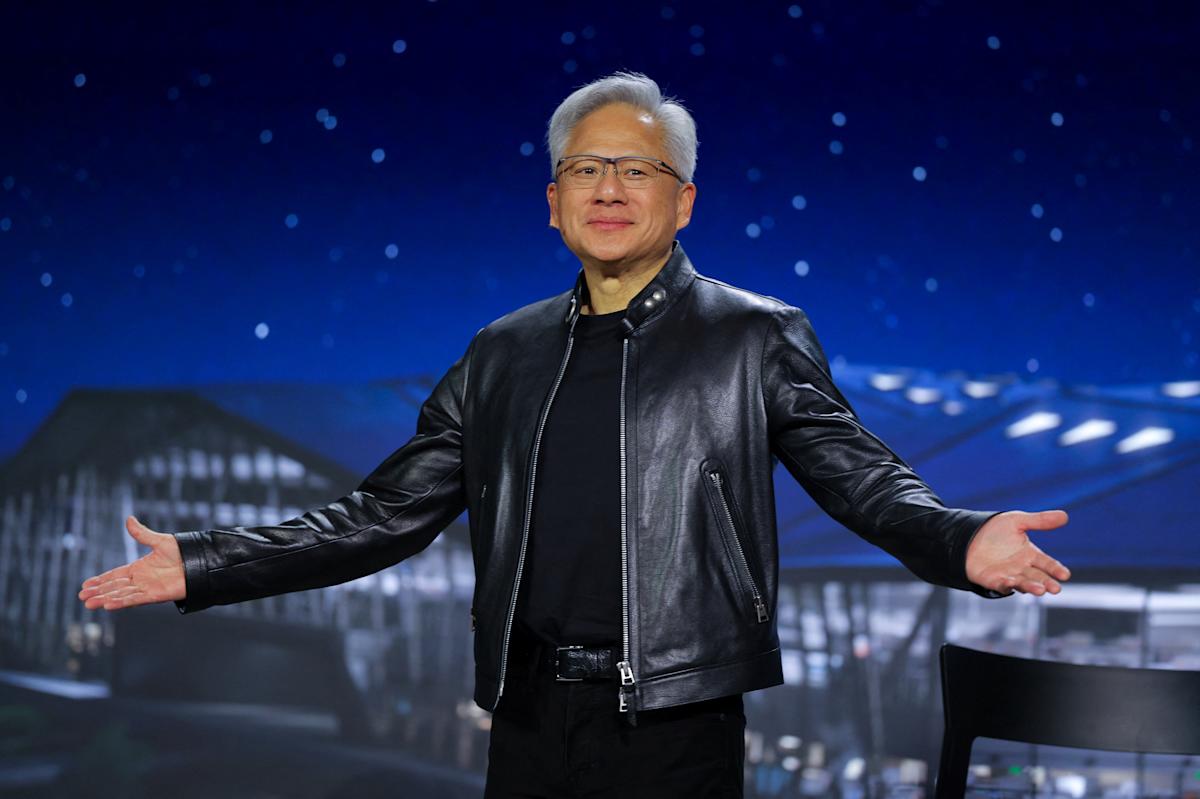
- Surging Demand: Nvidia CEO Jensen Huang announced during the earnings call that AI demand has gone parabolic, indicating that the arrival of agentic AI will drive future revenue growth and alleviate investor concerns about sustainability.
- Infrastructure Investment: Major cloud providers like Microsoft and Amazon have pledged nearly $700 billion for infrastructure build-out, creating significant market opportunities for chip designers like Nvidia, which is expected to further boost its performance.
- Product Innovation: Nvidia's Blackwell and the upcoming Vera Rubin platform are tailored for AI agent needs and are set to ship in Q3 this year, further solidifying its leadership position in the AI computing market.
- Attractive Valuation: Despite concerns about demand leading to a stock price drop in Q1, Nvidia's P/E ratio has decreased from 40x at the beginning of the year to 25x, providing an appealing buying opportunity for investors.
See More

Nvidia's AI Demand Surges, Stock Outlook Positive
- Surging Demand: Nvidia CEO Jensen Huang announced in the latest earnings call that AI demand has gone parabolic, indicating that the arrival of agentic AI is driving ongoing increases in compute needs, which is expected to propel future revenue growth for the company.
- Infrastructure Investment: Major cloud providers like Microsoft and Amazon have pledged nearly $700 billion in 2023 for infrastructure build-out, creating significant market opportunities for chip designers like Nvidia, although investors express concerns about the sustainability of future demand.
- Product Innovation: Nvidia's new platform, Vera Rubin, is set to ship in Q3 2023, tailored for the needs of AI agents, and combined with the existing Blackwell system, it further solidifies Nvidia's leadership in the AI computing space.
- Valuation Adjustment: Despite Nvidia's stock experiencing a decline in Q1 due to demand concerns, its current price-to-earnings ratio stands at 25x, down from 40x at the beginning of the year, indicating that investor confidence in its future growth remains intact.
See More
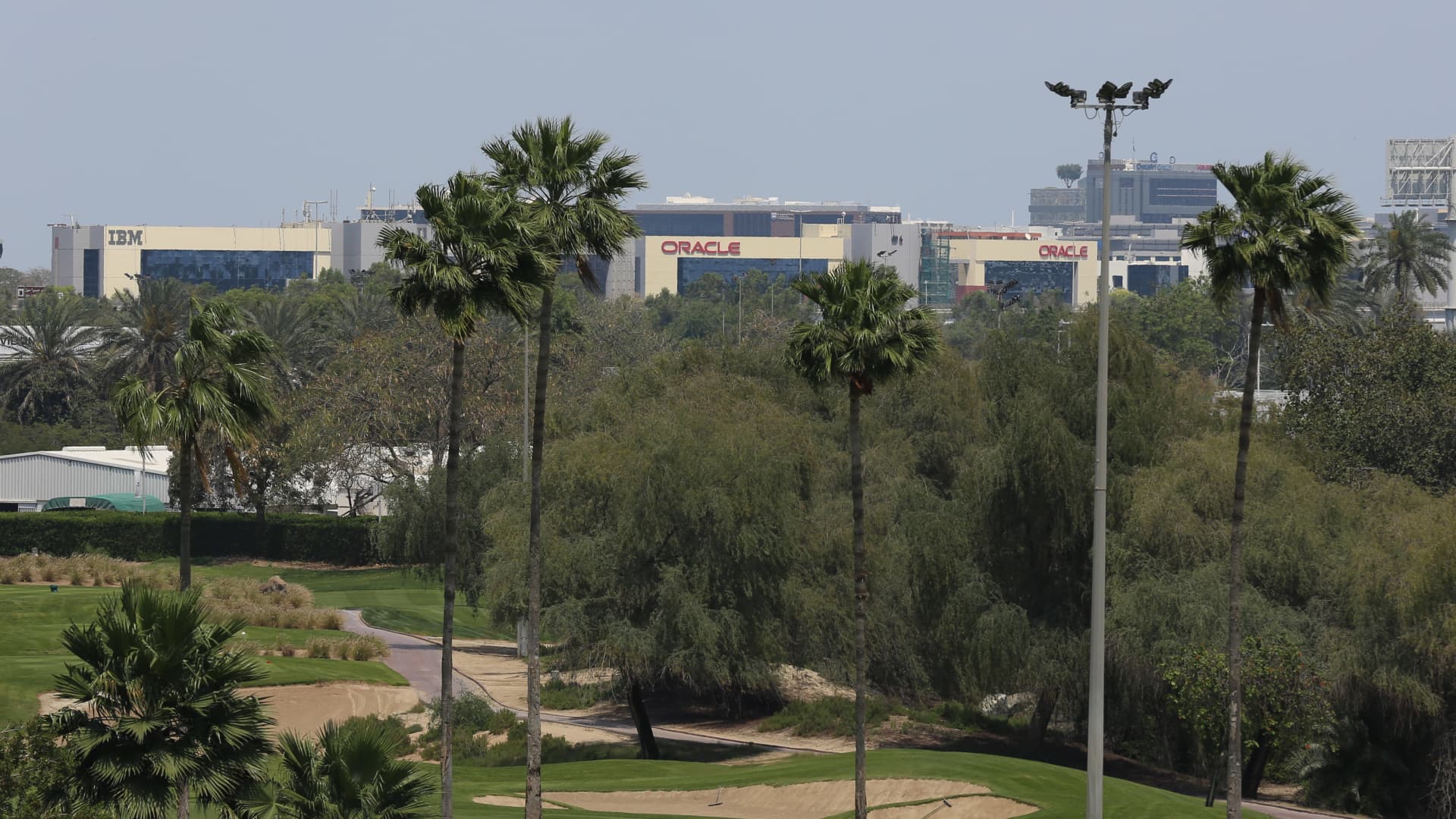
Middle East Conflict Impacts AI Infrastructure Development
- Investment Delays: The ongoing conflict in the Middle East has led Pure Data Center Group to temporarily pause investment decisions in the region, while still engaging in project planning and discussions, indicating that geopolitical risks are impacting the development of AI infrastructure.
- Energy Price Volatility: Since the outbreak of war, Brent crude prices surged from around $72 to nearly $120, causing natural gas prices in the UAE to rise by 30% in April, which pressures operational costs for large industrial users like data centers.
- Infrastructure Security Enhancement: As data centers become strategic assets, experts suggest that they need to be physically hardened and potentially built underground to address increasing attack risks, reflecting a heightened focus on data center security.
- Long-term Investment Confidence: Despite the conflict, companies like G42 and HUMAIN remain optimistic about AI infrastructure investments in the Middle East, emphasizing that AI will become foundational to economies and societies, showcasing confidence in future market potential.
See More
SpaceX's Starlink Revenue Soars
- Significant Revenue Growth: SpaceX's Starlink business generated $11.3 billion in revenue in 2025, accounting for 61% of the company's total revenue, with projections of $20 billion in 2026, indicating strong market demand and profit potential.
- Strong User Growth: As of February 2026, Starlink connected over 10 million active users, with 4.6 million added in 2025, demonstrating sustained service demand across 160 countries and enhancing market competitiveness.
- Key ARPU Trend: With Amazon planning to launch competing satellite internet services, SpaceX must monitor Starlink's average revenue per user (ARPU) trend to ensure profitability and market positioning, particularly in attracting high-margin business customers.
- Optimistic IPO Outlook: SpaceX is expected to conduct an IPO in 2026 with a valuation of $1.75 trillion; if Starlink's ARPU continues to grow, it will provide strong support for future profitability, ensuring sustainable development under such a high valuation.
See More
Costco's Aggressive Expansion Strategy in Retail
- Membership Growth Momentum: Costco's membership continues to rise, and despite overcrowding in high-density cities, the company plans to open at least 30 new stores annually to meet demand, thereby enhancing its market competitiveness.
- Innovative Property Development: The construction of its first mixed-use property in Los Angeles, combining apartments with warehouses, is expected to increase foot traffic and help the company expand in high-income areas, alleviating space constraints.
- International Market Expansion: With seven pilot stores in China laying the groundwork for future international growth, Costco's international sales have increased by 13% year-over-year, indicating strong expansion potential despite modest growth in the U.S. market.
- Stock Price Outlook: Although the current price-to-earnings ratio is nearly 56, indicating potential risks due to high stock prices, long-term investors can remain optimistic about Costco's brand value and ongoing growth potential, anticipating favorable stock performance in the future.
See More
2026 Set to be the Year of Mega IPOs
- SpaceX IPO Valuation: SpaceX's IPO is projected to be valued at $1.75 trillion, making it the largest IPO in history, which will attract investor attention regarding its future growth potential and market performance.
- Starlink Revenue Growth: Starlink generated $11.3 billion in revenue last year, accounting for 61% of SpaceX's total revenue in 2025, with projections of reaching $20 billion in 2026, indicating strong demand in the satellite internet market.
- User Growth and ARPU: Starlink reported over 9 million users in 2025, with 4.6 million added last year, and as of February 2026, it has connected over 10 million active users; the trend in ARPU will be a critical metric for assessing its profitability.
- Profitability Outlook: While Starlink's ARPU is a key initial metric to monitor, SpaceX must achieve significant earnings in the future to justify its $1.75 trillion valuation, ensuring its survival in a competitive market.
See More
Nvidia's AI Demand Soars, Positive Outlook for Stock
- Surging Demand: Nvidia CEO Jensen Huang announced during the earnings call that AI demand has gone parabolic, indicating that the arrival of agentic AI will drive future revenue growth and alleviate investor concerns about sustainability.
- Infrastructure Investment: Major cloud providers like Microsoft and Amazon have pledged nearly $700 billion for infrastructure build-out, creating significant market opportunities for chip designers like Nvidia, which is expected to further boost its performance.
- Product Innovation: Nvidia's Blackwell and the upcoming Vera Rubin platform are tailored for AI agent needs and are set to ship in Q3 this year, further solidifying its leadership position in the AI computing market.
- Attractive Valuation: Despite concerns about demand leading to a stock price drop in Q1, Nvidia's P/E ratio has decreased from 40x at the beginning of the year to 25x, providing an appealing buying opportunity for investors.
See More
Nvidia's AI Demand Surges, Stock Outlook Positive
- Surging Demand: Nvidia CEO Jensen Huang announced in the latest earnings call that AI demand has gone parabolic, indicating that the arrival of agentic AI is driving ongoing increases in compute needs, which is expected to propel future revenue growth for the company.
- Infrastructure Investment: Major cloud providers like Microsoft and Amazon have pledged nearly $700 billion in 2023 for infrastructure build-out, creating significant market opportunities for chip designers like Nvidia, although investors express concerns about the sustainability of future demand.
- Product Innovation: Nvidia's new platform, Vera Rubin, is set to ship in Q3 2023, tailored for the needs of AI agents, and combined with the existing Blackwell system, it further solidifies Nvidia's leadership in the AI computing space.
- Valuation Adjustment: Despite Nvidia's stock experiencing a decline in Q1 due to demand concerns, its current price-to-earnings ratio stands at 25x, down from 40x at the beginning of the year, indicating that investor confidence in its future growth remains intact.
See More
Middle East Conflict Impacts AI Infrastructure Development
- Investment Delays: The ongoing conflict in the Middle East has led Pure Data Center Group to temporarily pause investment decisions in the region, while still engaging in project planning and discussions, indicating that geopolitical risks are impacting the development of AI infrastructure.
- Energy Price Volatility: Since the outbreak of war, Brent crude prices surged from around $72 to nearly $120, causing natural gas prices in the UAE to rise by 30% in April, which pressures operational costs for large industrial users like data centers.
- Infrastructure Security Enhancement: As data centers become strategic assets, experts suggest that they need to be physically hardened and potentially built underground to address increasing attack risks, reflecting a heightened focus on data center security.
- Long-term Investment Confidence: Despite the conflict, companies like G42 and HUMAIN remain optimistic about AI infrastructure investments in the Middle East, emphasizing that AI will become foundational to economies and societies, showcasing confidence in future market potential.
See More