Laffont Cuts Cloud Stakes, Increases Semiconductor Holdings
Written by Emily J. Thompson, Senior Investment Analyst
Updated: 31 minutes ago
0mins
Source: Fool
- Portfolio Adjustment: Billionaire investor Philippe Laffont of Coatue Management significantly reduced his stakes in major cloud providers like Amazon, Alphabet, and Microsoft in Q1, while completely exiting Oracle, indicating a reassessment of the cloud computing sector.
- Increased Semiconductor Investment: Laffont boosted his stake in Taiwan Semiconductor Manufacturing Co. (TSMC), making it his top holding, and initiated a new position in ASML Holding, reflecting his optimism towards semiconductor infrastructure, particularly amid the rapid growth of AI infrastructure.
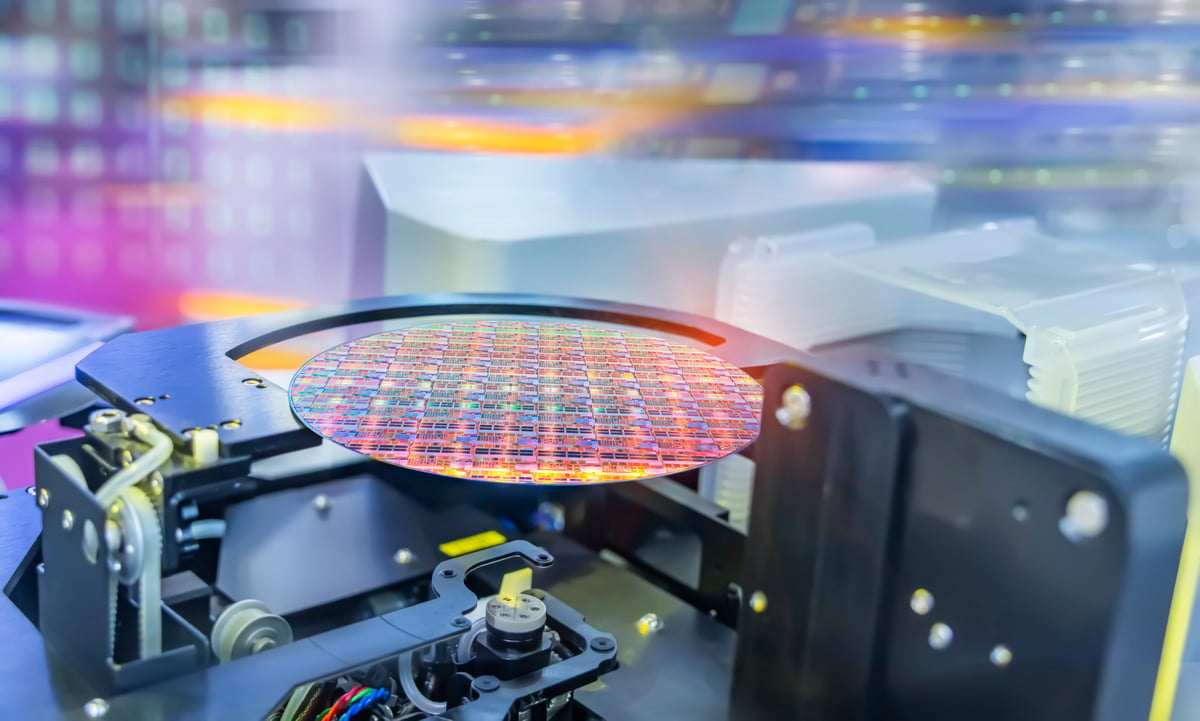
- Market Position of TSMC: As the world's largest foundry, TSMC holds a near-monopoly in manufacturing logic chips due to its high yields and advanced packaging technology, and it is expected to enhance its strong pricing power and margins through planned multiyear price hikes.
- Technological Edge of ASML: ASML monopolizes extreme ultraviolet (EUV) lithography, and as demand for advanced logic chips rises, TSMC and other foundries will increasingly require ASML's machines, thereby solidifying ASML's foundation for future growth.
Trade with 70% Backtested Accuracy
Stop guessing "Should I Buy TSM?" and start using high-conviction signals backed by rigorous historical data.
Sign up today to access powerful investing tools and make smarter, data-driven decisions.
Analyst Views on TSM
Wall Street analysts forecast TSM stock price to fall
8 Analyst Rating
7 Buy
1 Hold
0 Sell
Strong Buy
Current: 407.150

Low
63.24
Averages
313.46
High
390.00
Current: 407.150
Low
63.24
Averages
313.46
High
390.00
About TSM
Taiwan Semiconductor Manufacturing Co Ltd is a Taiwan-based integrated circuit foundry service provider. The Company is primarily engaged in integrated circuit manufacturing services. It offers advanced process technologies, specialised process solutions, advanced photomask and silicon stacking, and packaging-related technologies, while supporting a comprehensive design ecosystem. The Company's products serve diverse electronic sectors including artificial intelligence, high-performance computing, wired and wireless communications, automotive and industrial equipment, personal computing, information applications, consumer electronics, smart internet of things, and wearable devices.
About the author

Emily J. Thompson
Emily J. Thompson, a Chartered Financial Analyst (CFA) with 12 years in investment research, graduated with honors from the Wharton School. Specializing in industrial and technology stocks, she provides in-depth analysis for Intellectia’s earnings and market brief reports.
Laffont Cuts Cloud Stakes, Increases Semiconductor Holdings

- Portfolio Adjustment: Billionaire investor Philippe Laffont of Coatue Management significantly reduced his stakes in major cloud providers like Amazon, Alphabet, and Microsoft in Q1, while completely exiting Oracle, indicating a reassessment of the cloud computing sector.
- Increased Semiconductor Investment: Laffont boosted his stake in Taiwan Semiconductor Manufacturing Co. (TSMC), making it his top holding, and initiated a new position in ASML Holding, reflecting his optimism towards semiconductor infrastructure, particularly amid the rapid growth of AI infrastructure.
- Market Position of TSMC: As the world's largest foundry, TSMC holds a near-monopoly in manufacturing logic chips due to its high yields and advanced packaging technology, and it is expected to enhance its strong pricing power and margins through planned multiyear price hikes.
- Technological Edge of ASML: ASML monopolizes extreme ultraviolet (EUV) lithography, and as demand for advanced logic chips rises, TSMC and other foundries will increasingly require ASML's machines, thereby solidifying ASML's foundation for future growth.
See More

TSMC and ASML Positioned for AI Infrastructure Boom
- Market Leadership: TSMC, as the world's largest semiconductor foundry, is benefiting from the rapid growth of AI infrastructure due to its near-monopoly in advanced logic chip manufacturing, which is expected to drive profit margins higher and enhance its competitive position in the market.
- Technological Innovation: ASML holds a monopoly on extreme ultraviolet (EUV) lithography technology, and as demand for advanced logic chips and memory increases, it is poised for significant growth in equipment sales, further solidifying its leadership in the semiconductor equipment market.
- Investor Dynamics: Billionaire investor Philippe Laffont significantly increased his stake in TSMC and established a new position in ASML during the first quarter, indicating strong confidence in semiconductor infrastructure companies and reflecting market recognition of their future growth potential.
- Price Hike Expectations: TSMC has informed customers of planned multiyear price increases, and combined with its high yield and low defect rates, this is expected to further enhance its profitability and market share, solidifying its critical role in the global semiconductor value chain.
See More

SpaceX Releases S-1 Prospectus Ahead of $1.5 Trillion IPO Valuation

- Business Segment Overview: SpaceX's S-1 prospectus reveals projected revenues for 2025, with the Connectivity segment expected to generate $11.387 billion and an operating income of $4.423 billion, highlighting its profitability primarily driven by Starlink broadband services.
- AI Segment Challenges: Despite an anticipated revenue of $3.201 billion for the AI segment in 2025, it faces a staggering operating loss of $6.355 billion, indicating significant hurdles, particularly as xAI's models have not gained traction compared to competitors.
- Market Opportunity Assessment: SpaceX estimates a total addressable market of $28.5 trillion, with 93% stemming from AI applications; however, the current lack of competitiveness in AI models may hinder future market share and revenue growth.
- Space Data Center Strategy: SpaceX aims to establish data centers in space to reduce AI model costs by harnessing solar energy, coupled with the Terafab joint venture with Tesla to lessen reliance on traditional chip manufacturers, potentially enhancing long-term profitability.
See More

SpaceX Plans IPO at $1.5 Trillion Valuation
- Funding Target: SpaceX aims to raise high tens of billions in its upcoming IPO, with a valuation of $1.5 trillion, contingent on its performance across multiple sectors including space, connectivity, and AI, which are critical for justifying this lofty valuation.
- Segment Performance: The S-1 filing reveals that SpaceX's connectivity segment is projected to generate $11.387 billion in revenue and $4.423 billion in operating income by 2025, reflecting a 49.8% revenue growth and 120.4% profit increase, making it the only profitable segment and highlighting strong demand for Starlink.
- AI Business Challenges: Despite an expected revenue of $3.201 billion for AI in 2025, the segment faces a staggering operating loss of $6.355 billion, with first-quarter revenue stagnating, indicating SpaceX's insufficient competitiveness in this area, particularly when compared to industry leaders.
- Space Data Center Strategy: SpaceX plans to establish data centers in space to reduce AI model costs by leveraging solar energy, alongside its joint venture Terafab with Tesla to produce chips, aiming to decrease reliance on external suppliers; if successful, this strategy could significantly alter the competitive landscape in the AI industry.
See More

Alphabet and TSMC's Leading Positions in the AI Market

- AI Market Potential: Alphabet's development of tensor processing units (TPUs) over a decade ago provides a significant cost advantage in building AI models, allowing it to perform inference at lower costs and maintain a competitive edge.
- Distribution and Surface Advantage: With nearly 70% global market share through Chrome and Android, Alphabet serves as a primary gateway to the internet, embedding AI models across multiple platforms to drive user growth.
- Advertising Network Advantage: Operating the world's largest ad network, Alphabet leverages strong connections through Google Shopping and its Gemini 3.5 model to deliver fast, cost-effective AI solutions, driving growth across various products.
- TSMC's Market Position: As the
See More

Top Growth Stocks for the AI Era
- Alphabet's Market Edge: Alphabet (GOOGL) is well-positioned in the AI sector with a market cap of $4.6 trillion and a gross margin of 60.43%, leveraging its proprietary TPU chips to reduce AI model development costs, thus maintaining a competitive advantage.
- Distribution and Monetization: With Chrome and Android commanding nearly 70% global market share, Alphabet solidifies its role as the internet gateway through a revenue-sharing deal with Apple, which is expected to drive future advertising revenue growth significantly.
- TSMC's Manufacturing Dominance: Taiwan Semiconductor Manufacturing (TSM) holds a near-monopoly in the AI infrastructure market with a market cap of $2.1 trillion, benefiting from strong pricing power and increasing customer demand for AI chips, indicating robust future growth potential.
- Long-term Investment Value: As the
See More
Laffont Cuts Cloud Stakes, Increases Semiconductor Holdings
- Portfolio Adjustment: Billionaire investor Philippe Laffont of Coatue Management significantly reduced his stakes in major cloud providers like Amazon, Alphabet, and Microsoft in Q1, while completely exiting Oracle, indicating a reassessment of the cloud computing sector.
- Increased Semiconductor Investment: Laffont boosted his stake in Taiwan Semiconductor Manufacturing Co. (TSMC), making it his top holding, and initiated a new position in ASML Holding, reflecting his optimism towards semiconductor infrastructure, particularly amid the rapid growth of AI infrastructure.
- Market Position of TSMC: As the world's largest foundry, TSMC holds a near-monopoly in manufacturing logic chips due to its high yields and advanced packaging technology, and it is expected to enhance its strong pricing power and margins through planned multiyear price hikes.
- Technological Edge of ASML: ASML monopolizes extreme ultraviolet (EUV) lithography, and as demand for advanced logic chips rises, TSMC and other foundries will increasingly require ASML's machines, thereby solidifying ASML's foundation for future growth.
See More
TSMC and ASML Positioned for AI Infrastructure Boom
- Market Leadership: TSMC, as the world's largest semiconductor foundry, is benefiting from the rapid growth of AI infrastructure due to its near-monopoly in advanced logic chip manufacturing, which is expected to drive profit margins higher and enhance its competitive position in the market.
- Technological Innovation: ASML holds a monopoly on extreme ultraviolet (EUV) lithography technology, and as demand for advanced logic chips and memory increases, it is poised for significant growth in equipment sales, further solidifying its leadership in the semiconductor equipment market.
- Investor Dynamics: Billionaire investor Philippe Laffont significantly increased his stake in TSMC and established a new position in ASML during the first quarter, indicating strong confidence in semiconductor infrastructure companies and reflecting market recognition of their future growth potential.
- Price Hike Expectations: TSMC has informed customers of planned multiyear price increases, and combined with its high yield and low defect rates, this is expected to further enhance its profitability and market share, solidifying its critical role in the global semiconductor value chain.
See More
SpaceX Releases S-1 Prospectus Ahead of $1.5 Trillion IPO Valuation
- Business Segment Overview: SpaceX's S-1 prospectus reveals projected revenues for 2025, with the Connectivity segment expected to generate $11.387 billion and an operating income of $4.423 billion, highlighting its profitability primarily driven by Starlink broadband services.
- AI Segment Challenges: Despite an anticipated revenue of $3.201 billion for the AI segment in 2025, it faces a staggering operating loss of $6.355 billion, indicating significant hurdles, particularly as xAI's models have not gained traction compared to competitors.
- Market Opportunity Assessment: SpaceX estimates a total addressable market of $28.5 trillion, with 93% stemming from AI applications; however, the current lack of competitiveness in AI models may hinder future market share and revenue growth.
- Space Data Center Strategy: SpaceX aims to establish data centers in space to reduce AI model costs by harnessing solar energy, coupled with the Terafab joint venture with Tesla to lessen reliance on traditional chip manufacturers, potentially enhancing long-term profitability.
See More
SpaceX Plans IPO at $1.5 Trillion Valuation
- Funding Target: SpaceX aims to raise high tens of billions in its upcoming IPO, with a valuation of $1.5 trillion, contingent on its performance across multiple sectors including space, connectivity, and AI, which are critical for justifying this lofty valuation.
- Segment Performance: The S-1 filing reveals that SpaceX's connectivity segment is projected to generate $11.387 billion in revenue and $4.423 billion in operating income by 2025, reflecting a 49.8% revenue growth and 120.4% profit increase, making it the only profitable segment and highlighting strong demand for Starlink.
- AI Business Challenges: Despite an expected revenue of $3.201 billion for AI in 2025, the segment faces a staggering operating loss of $6.355 billion, with first-quarter revenue stagnating, indicating SpaceX's insufficient competitiveness in this area, particularly when compared to industry leaders.
- Space Data Center Strategy: SpaceX plans to establish data centers in space to reduce AI model costs by leveraging solar energy, alongside its joint venture Terafab with Tesla to produce chips, aiming to decrease reliance on external suppliers; if successful, this strategy could significantly alter the competitive landscape in the AI industry.
See More
Alphabet and TSMC's Leading Positions in the AI Market
- AI Market Potential: Alphabet's development of tensor processing units (TPUs) over a decade ago provides a significant cost advantage in building AI models, allowing it to perform inference at lower costs and maintain a competitive edge.
- Distribution and Surface Advantage: With nearly 70% global market share through Chrome and Android, Alphabet serves as a primary gateway to the internet, embedding AI models across multiple platforms to drive user growth.
- Advertising Network Advantage: Operating the world's largest ad network, Alphabet leverages strong connections through Google Shopping and its Gemini 3.5 model to deliver fast, cost-effective AI solutions, driving growth across various products.
- TSMC's Market Position: As the
See More
Top Growth Stocks for the AI Era
- Alphabet's Market Edge: Alphabet (GOOGL) is well-positioned in the AI sector with a market cap of $4.6 trillion and a gross margin of 60.43%, leveraging its proprietary TPU chips to reduce AI model development costs, thus maintaining a competitive advantage.
- Distribution and Monetization: With Chrome and Android commanding nearly 70% global market share, Alphabet solidifies its role as the internet gateway through a revenue-sharing deal with Apple, which is expected to drive future advertising revenue growth significantly.
- TSMC's Manufacturing Dominance: Taiwan Semiconductor Manufacturing (TSM) holds a near-monopoly in the AI infrastructure market with a market cap of $2.1 trillion, benefiting from strong pricing power and increasing customer demand for AI chips, indicating robust future growth potential.
- Long-term Investment Value: As the
See More