IBM Emerges as a Quantum Computing Leader
Written by Emily J. Thompson, Senior Investment Analyst
Updated: 43 minutes ago
0mins

Source: Fool
- Quantum Leadership: Since launching its quantum computing division in 2016, IBM has focused on developing the low-error-rate Heron processor, advancing quantum computing towards practical applications and demonstrating its leadership in quantum technology.
- Market Potential: Although the global quantum computing market is currently around $2 billion, IBM expects to deliver its first large-scale fault-tolerant quantum computer by 2030, with the market projected to grow to $4 billion, and potentially reach $170 billion in the long term, indicating significant growth opportunities.
- Strategic Partnerships: IBM has partnered with nearly 300 companies and government entities to develop quantum applications and hardware, including AMD and Vanguard, enhancing its ecosystem in quantum computing and accelerating technological advancements.
- Government Investment Support: IBM has secured a $1 billion federal investment to build the first purpose-built quantum chip foundry in the U.S., which will not only produce IBM's proprietary hardware but also supply advanced quantum chips for the broader tech industry, further solidifying its market position.
Trade with 70% Backtested Accuracy
Stop guessing "Should I Buy IBM?" and start using high-conviction signals backed by rigorous historical data.
Sign up today to access powerful investing tools and make smarter, data-driven decisions.
Analyst Views on IBM
Wall Street analysts forecast IBM stock price to rise
16 Analyst Rating
11 Buy
4 Hold
1 Sell
Moderate Buy
Current: 253.840

Low
210.00
Averages
315.80
High
375.00
Current: 253.840
Low
210.00
Averages
315.80
High
375.00
About IBM
International Business Machines Corporation is a provider of global hybrid cloud and artificial intelligence (AI) and consulting expertise. The Company’s segments include Software, Consulting, Infrastructure and Financing. The Software segment includes hybrid cloud and AI platforms, which allow clients to realize their digital and AI transformations across the applications, data, and environments in which they operate. The Consulting segment focuses on integrating skills on strategy, experience, technology and operations by domain and industry. The Infrastructure segment is focused on the hybrid cloud infrastructure market, providing on-premises and cloud-based server and storage solutions. In addition, it offers a portfolio of life-cycle services for hybrid cloud infrastructure deployment. The Financing segment provides client and commercial financing, facilitating its clients’ acquisition of hardware, software and services. It helps clients in more than 175 countries.
About the author

Emily J. Thompson
Emily J. Thompson, a Chartered Financial Analyst (CFA) with 12 years in investment research, graduated with honors from the Wharton School. Specializing in industrial and technology stocks, she provides in-depth analysis for Intellectia’s earnings and market brief reports.

IBM's Revenue Growth Accelerates

- Accelerating Revenue Growth: IBM's revenue growth is accelerating, indicating an increasing competitiveness in the market, which is expected to positively impact future financial performance.
- Stock Performance: Afternoon trading prices as of May 21, 2026, show that IBM's stock is performing steadily, likely driven by revenue growth, which enhances investor confidence.
- Market Reaction: The video published on May 23, 2026, highlights market attention on IBM's revenue growth, potentially attracting more investors to focus on the company's future developments.
- Strategic Implications: The acceleration in revenue growth not only enhances IBM's market position but may also prompt the company to invest more in technological innovation and market expansion to maintain its competitive edge.
See More

IBM Emerges as a Quantum Computing Leader

- Quantum Leadership: Since launching its quantum computing division in 2016, IBM has focused on developing the low-error-rate Heron processor, advancing quantum computing towards practical applications and demonstrating its leadership in quantum technology.
- Market Potential: Although the global quantum computing market is currently around $2 billion, IBM expects to deliver its first large-scale fault-tolerant quantum computer by 2030, with the market projected to grow to $4 billion, and potentially reach $170 billion in the long term, indicating significant growth opportunities.
- Strategic Partnerships: IBM has partnered with nearly 300 companies and government entities to develop quantum applications and hardware, including AMD and Vanguard, enhancing its ecosystem in quantum computing and accelerating technological advancements.
- Government Investment Support: IBM has secured a $1 billion federal investment to build the first purpose-built quantum chip foundry in the U.S., which will not only produce IBM's proprietary hardware but also supply advanced quantum chips for the broader tech industry, further solidifying its market position.
See More

Transformation of India's Global Capability Centers


- Global Center Scale: India has emerged as the world's largest hub for Global Capability Centers (GCCs), with over 2,100 centers employing 2.36 million people and generating nearly $100 billion in revenue, highlighting its significant role and attractiveness in the global market.
- Functional Transformation: GCCs are evolving from mere back-office support units to integrated hubs closely aligned with their parent companies, managing a range of functions from technology to product support, reflecting a shift towards outcome-based evaluations.
- Intensified Talent Competition: Bengaluru faces dual pressures of talent shortages and rising costs as demand for AI and machine learning skills surges, with some tech roles experiencing annual salary increases of 40% to 50%, threatening India's cost advantage in the sector.
- AI Impact: AI is reshaping work dynamics, enabling increased output without additional headcount, although adoption lags; many firms are reallocating workers to higher-value roles, marking a pivotal moment for India's GCC sector as it adapts to rising costs and global competition.
See More
U.S. Government's Major Investment in Quantum Computing

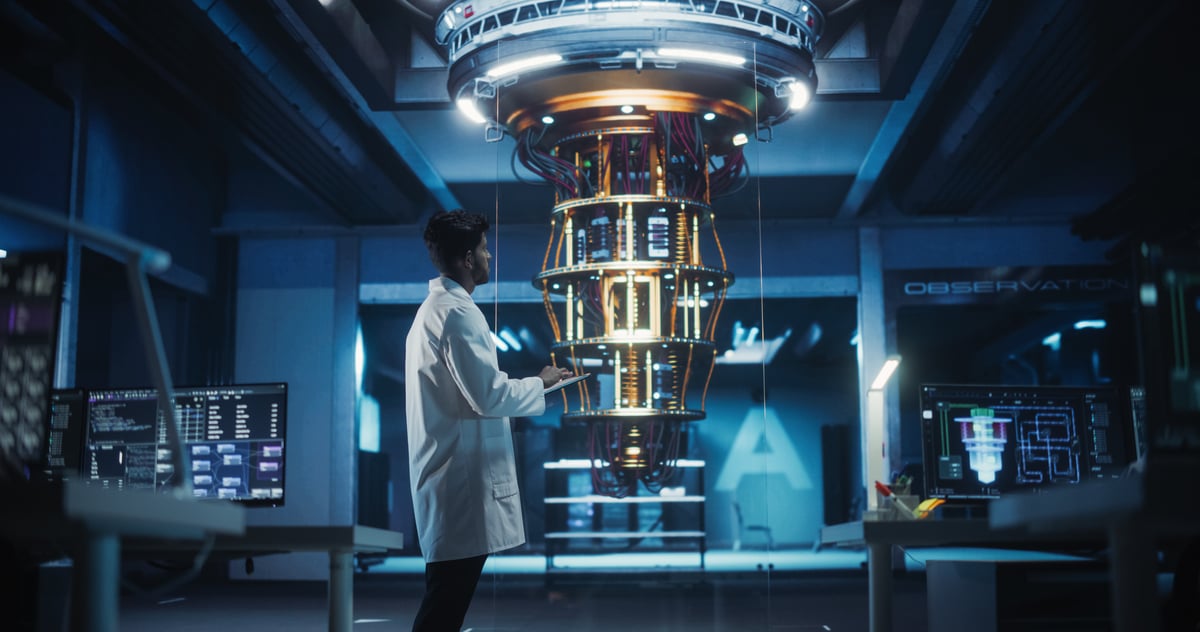
- Government Funding Injection: The U.S. Department of Commerce has signed letters of intent to provide approximately $2.01 billion to nine quantum companies, with the government taking minority, non-controlling equity stakes, indicating strong support for the quantum computing sector and potentially accelerating technological advancements.
- Significant Gains for IBM: International Business Machines (IBM) is set to receive $1 billion to build a quantum chip foundry in Albany, New York, matching that with another billion of its own, bringing the total project cost to nearly $2 billion, reflecting its long-term commitment to quantum computing.
- Surge in Smaller Quantum Firms: Smaller quantum companies like D-Wave Quantum, Rigetti Computing, and Infleqtion saw stock prices soar over 30% following the announcement, collectively adding nearly $5 billion in market value, despite their weak financial performance, highlighting the speculative nature of the quantum technology market.
- Risks and Opportunities: While the government's funding commitment could bring long-term growth potential to the quantum computing industry, significant risks remain, and investors should tread carefully, especially since these funding agreements are still in the proposal stage.
See More

U.S. Commerce Department Allocates $2 Billion to Quantum Companies
- Funding Scale: The U.S. Commerce Department signed letters of intent to provide approximately $2 billion to nine quantum companies, with IBM set to receive $1 billion for a new quantum chip foundry, indicating strong government backing for the quantum computing sector.
- Market Reaction: Following the announcement, IBM's stock surged about 12%, while smaller quantum firms like D-Wave Quantum, Rigetti Computing, and Infleqtion saw their shares rise over 30%, reflecting investor optimism about the future of quantum technology.
- Quantum Technology Outlook: IBM plans to match the government funding with an additional $1 billion investment to advance its quantum chip foundry in Albany, New York, which is expected to accelerate its long-term strategic roadmap in quantum computing.
- Risks and Opportunities: Despite the significant stock price increases, the financial performance of quantum companies remains weak, with D-Wave reporting only $2.9 million in revenue for Q1, highlighting the high-risk nature of these investments and the need for cautious evaluation of potential returns versus risks.
See More

Global Companies Increase In-House Work in India
- Significant In-Housing Trend: Global companies are increasingly bringing core functions such as engineering, product development, and analytics in-house at their India cost centers, reflecting a reduced reliance on outsourcing, particularly as AI boosts productivity.
- Daimler's Strategic Shift: Daimler Truck's innovation center in Bengaluru is shifting the development of core software and performance-critical algorithms in-house, emphasizing the direct impact of software on vehicle performance and safety, thereby enhancing its competitive edge.
- AI-Driven Efficiency Gains: IBM has stated that automation allows the company to accomplish much more with the same number of employees, indicating a growing importance of internal teams as companies move up the value chain.
- Trend Towards Internal Talent Investment: Catalyst Brands' managing director noted that most companies in the market are increasing investments in internal talent to enhance capabilities, and while outsourcing remains, strategic ownership is gradually shifting towards in-house operations.
See More
IBM's Revenue Growth Accelerates
- Accelerating Revenue Growth: IBM's revenue growth is accelerating, indicating an increasing competitiveness in the market, which is expected to positively impact future financial performance.
- Stock Performance: Afternoon trading prices as of May 21, 2026, show that IBM's stock is performing steadily, likely driven by revenue growth, which enhances investor confidence.
- Market Reaction: The video published on May 23, 2026, highlights market attention on IBM's revenue growth, potentially attracting more investors to focus on the company's future developments.
- Strategic Implications: The acceleration in revenue growth not only enhances IBM's market position but may also prompt the company to invest more in technological innovation and market expansion to maintain its competitive edge.
See More
IBM Emerges as a Quantum Computing Leader
- Quantum Leadership: Since launching its quantum computing division in 2016, IBM has focused on developing the low-error-rate Heron processor, advancing quantum computing towards practical applications and demonstrating its leadership in quantum technology.
- Market Potential: Although the global quantum computing market is currently around $2 billion, IBM expects to deliver its first large-scale fault-tolerant quantum computer by 2030, with the market projected to grow to $4 billion, and potentially reach $170 billion in the long term, indicating significant growth opportunities.
- Strategic Partnerships: IBM has partnered with nearly 300 companies and government entities to develop quantum applications and hardware, including AMD and Vanguard, enhancing its ecosystem in quantum computing and accelerating technological advancements.
- Government Investment Support: IBM has secured a $1 billion federal investment to build the first purpose-built quantum chip foundry in the U.S., which will not only produce IBM's proprietary hardware but also supply advanced quantum chips for the broader tech industry, further solidifying its market position.
See More
Transformation of India's Global Capability Centers
- Global Center Scale: India has emerged as the world's largest hub for Global Capability Centers (GCCs), with over 2,100 centers employing 2.36 million people and generating nearly $100 billion in revenue, highlighting its significant role and attractiveness in the global market.
- Functional Transformation: GCCs are evolving from mere back-office support units to integrated hubs closely aligned with their parent companies, managing a range of functions from technology to product support, reflecting a shift towards outcome-based evaluations.
- Intensified Talent Competition: Bengaluru faces dual pressures of talent shortages and rising costs as demand for AI and machine learning skills surges, with some tech roles experiencing annual salary increases of 40% to 50%, threatening India's cost advantage in the sector.
- AI Impact: AI is reshaping work dynamics, enabling increased output without additional headcount, although adoption lags; many firms are reallocating workers to higher-value roles, marking a pivotal moment for India's GCC sector as it adapts to rising costs and global competition.
See More
U.S. Government's Major Investment in Quantum Computing
- Government Funding Injection: The U.S. Department of Commerce has signed letters of intent to provide approximately $2.01 billion to nine quantum companies, with the government taking minority, non-controlling equity stakes, indicating strong support for the quantum computing sector and potentially accelerating technological advancements.
- Significant Gains for IBM: International Business Machines (IBM) is set to receive $1 billion to build a quantum chip foundry in Albany, New York, matching that with another billion of its own, bringing the total project cost to nearly $2 billion, reflecting its long-term commitment to quantum computing.
- Surge in Smaller Quantum Firms: Smaller quantum companies like D-Wave Quantum, Rigetti Computing, and Infleqtion saw stock prices soar over 30% following the announcement, collectively adding nearly $5 billion in market value, despite their weak financial performance, highlighting the speculative nature of the quantum technology market.
- Risks and Opportunities: While the government's funding commitment could bring long-term growth potential to the quantum computing industry, significant risks remain, and investors should tread carefully, especially since these funding agreements are still in the proposal stage.
See More
U.S. Commerce Department Allocates $2 Billion to Quantum Companies
- Funding Scale: The U.S. Commerce Department signed letters of intent to provide approximately $2 billion to nine quantum companies, with IBM set to receive $1 billion for a new quantum chip foundry, indicating strong government backing for the quantum computing sector.
- Market Reaction: Following the announcement, IBM's stock surged about 12%, while smaller quantum firms like D-Wave Quantum, Rigetti Computing, and Infleqtion saw their shares rise over 30%, reflecting investor optimism about the future of quantum technology.
- Quantum Technology Outlook: IBM plans to match the government funding with an additional $1 billion investment to advance its quantum chip foundry in Albany, New York, which is expected to accelerate its long-term strategic roadmap in quantum computing.
- Risks and Opportunities: Despite the significant stock price increases, the financial performance of quantum companies remains weak, with D-Wave reporting only $2.9 million in revenue for Q1, highlighting the high-risk nature of these investments and the need for cautious evaluation of potential returns versus risks.
See More
Global Companies Increase In-House Work in India
- Significant In-Housing Trend: Global companies are increasingly bringing core functions such as engineering, product development, and analytics in-house at their India cost centers, reflecting a reduced reliance on outsourcing, particularly as AI boosts productivity.
- Daimler's Strategic Shift: Daimler Truck's innovation center in Bengaluru is shifting the development of core software and performance-critical algorithms in-house, emphasizing the direct impact of software on vehicle performance and safety, thereby enhancing its competitive edge.
- AI-Driven Efficiency Gains: IBM has stated that automation allows the company to accomplish much more with the same number of employees, indicating a growing importance of internal teams as companies move up the value chain.
- Trend Towards Internal Talent Investment: Catalyst Brands' managing director noted that most companies in the market are increasing investments in internal talent to enhance capabilities, and while outsourcing remains, strategic ownership is gradually shifting towards in-house operations.
See More