Goldman Sachs Leads Historic SpaceX IPO
Written by Emily J. Thompson, Senior Investment Analyst
Updated: 1 hour ago
0mins
Source: Fool
- AI Division Growth Potential: Goldman Sachs predicts that SpaceX's AI division will grow from $3.2 billion in 2025 to $322 billion by 2030, requiring an average annual growth rate of 151%, a challenging target given that it exceeds Microsoft's total revenue over the past four quarters combined.
- Total Revenue Expectations: If SpaceX's AI division achieves Goldman Sachs' projections, the company's total revenue could soar from $18.7 billion last year to $474 billion by 2030, significantly enhancing its market position and investment appeal.
- IPO Pricing and Valuation: SpaceX plans to sell its initial shares at $135 each, aiming to raise $75 billion and achieve a valuation of approximately $1.77 trillion, which would place it among the top ten public companies globally, reflecting high market expectations for its future potential.
- Market Reaction and Risks: Despite Goldman Sachs' ambitious forecasts, analysts express skepticism about the feasibility of these projections, suggesting they may merely serve to justify the high valuation SpaceX is pursuing, potentially impacting market reactions.
Trade with 70% Backtested Accuracy
Stop guessing "Should I Buy GS?" and start using high-conviction signals backed by rigorous historical data.
Sign up today to access powerful investing tools and make smarter, data-driven decisions.
Analyst Views on GS
Wall Street analysts forecast GS stock price to fall
12 Analyst Rating
5 Buy
7 Hold
0 Sell
Moderate Buy
Current: 1045.000

Low
604.00
Averages
951.45
High
1100
Current: 1045.000
Low
604.00
Averages
951.45
High
1100
About GS
The Goldman Sachs Group, Inc. is a global financial institution that delivers a range of financial services to a large and diversified client base that includes corporations, financial institutions, governments and individuals. Its segments include Global Banking & Markets, Asset & Wealth Management and Platform Solutions. The Global Banking & Markets segment offers a range of services, including financing, advisory services, risk distribution, and hedging for its institutional and corporate clients. It facilitates client transactions and makes markets in fixed income, equity, currency and commodity products. The Asset & Wealth Management segment manages assets and offers investment products across all asset classes to a diverse set of clients. It also provides investing and wealth advisory solutions. The Platform Solutions segment includes consumer platforms, such as partnerships offering credit cards and point-of-sale financing, and transaction banking and other platform businesses.
About the author

Emily J. Thompson
Emily J. Thompson, a Chartered Financial Analyst (CFA) with 12 years in investment research, graduated with honors from the Wharton School. Specializing in industrial and technology stocks, she provides in-depth analysis for Intellectia’s earnings and market brief reports.
CD Rates Decline but Remain Competitive for Investors

- Current CD Rates: Short-term CDs (6 to 12 months) currently offer rates around 4% APY, which, despite the overall decline, remain higher than traditional savings accounts, highlighting the attractiveness of CDs for investors.
- Historical Rate Trends: Since 2009, average CD rates have significantly decreased, particularly after the 2008 financial crisis when five-year CDs fell below 2% APY, reflecting the impact of economic slowdowns on interest rates.
- Fed Policy Impact: Between 2022 and 2023, the Fed raised rates 11 times to combat inflation, leading to higher CD rates; although rate cuts began in 2024, CD rates still remain elevated compared to historical standards, indicating shifts in market expectations for future rates.
- Factors for Choosing CDs: When selecting a CD, investors should consider the duration for which they can lock away funds, the type of financial institution and its rates, account terms, and the potential impact of inflation on real returns to ensure optimal investment outcomes.
See More

SpaceX IPO Set for June 12 at $1.77 Trillion Valuation

- IPO Valuation and Funding: SpaceX plans to go public on June 12 with a valuation of $1.77 trillion, aiming to raise up to $75 billion, which would surpass Tesla's market cap, indicating strong market confidence in its future growth.
- Market Potential Analysis: The company states in its IPO prospectus that its quantifiable total addressable market (TAM) is $28.5 trillion, with $26.5 trillion coming from the artificial intelligence sector, highlighting a strategic shift towards high-growth AI business.
- Launch Cost Reduction: By utilizing reusable rocket technology, SpaceX has reduced the launch cost of its Falcon 9 rocket from $62 million in 2020 to a projected $10 million, significantly enhancing its market competitiveness and laying the groundwork for the expansion of its Starlink internet service.
- Capital Expenditure Forecast: Evercore ISI projects that SpaceX's capital expenditures will reach $360 billion by 2030 and double to $732 billion by 2031, almost entirely dedicated to AI, which will be crucial for achieving its revenue targets and reflects the reasonableness of its IPO valuation.
See More
SpaceX IPO Set to Break Records with $1.77 Trillion Valuation
- Record IPO Valuation: SpaceX plans to go public on June 12 with a valuation of $1.77 trillion, aiming to raise up to $75 billion, which would surpass Tesla's market cap, marking one of the largest IPOs in history.
- Massive Market Potential: The company states in its IPO prospectus that its quantifiable total addressable market (TAM) is $28.5 trillion, with $26.5 trillion attributed to artificial intelligence, highlighting its significant future tech market potential.
- Significant Cost Reductions: SpaceX has reduced launch costs through reusable rockets, with Falcon 9 launches costing $62 million in 2020, and future Starship launches projected at just $10 million, facilitating the expansion of related businesses like Starlink.
- Surging Capital Expenditures: By 2031, SpaceX's capital expenditures are expected to reach $732 billion, primarily focused on artificial intelligence, making this strategic investment crucial for achieving its revenue targets, despite only totaling $20 billion last year.
See More
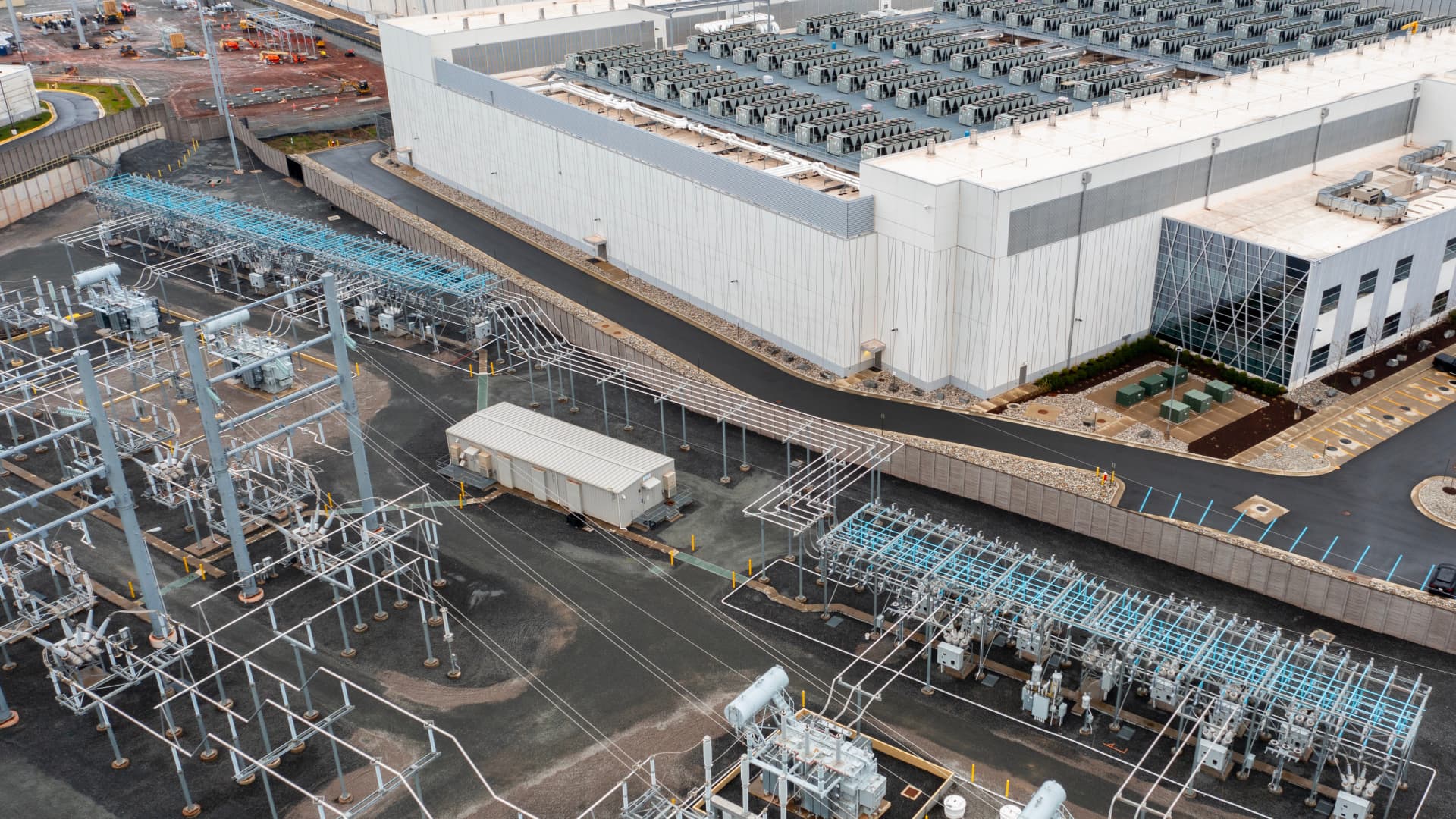
Goldman Sachs Leads Historic SpaceX IPO
- AI Division Growth Potential: Goldman Sachs predicts that SpaceX's AI division will grow from $3.2 billion in 2025 to $322 billion by 2030, requiring an average annual growth rate of 151%, a challenging target given that it exceeds Microsoft's total revenue over the past four quarters combined.
- Total Revenue Expectations: If SpaceX's AI division achieves Goldman Sachs' projections, the company's total revenue could soar from $18.7 billion last year to $474 billion by 2030, significantly enhancing its market position and investment appeal.
- IPO Pricing and Valuation: SpaceX plans to sell its initial shares at $135 each, aiming to raise $75 billion and achieve a valuation of approximately $1.77 trillion, which would place it among the top ten public companies globally, reflecting high market expectations for its future potential.
- Market Reaction and Risks: Despite Goldman Sachs' ambitious forecasts, analysts express skepticism about the feasibility of these projections, suggesting they may merely serve to justify the high valuation SpaceX is pursuing, potentially impacting market reactions.
See More
SpaceX Aims for Largest IPO in History
- IPO Scale Expectations: SpaceX plans to conduct its IPO on June 12, aiming to raise $75 billion by selling shares at $135 each, which would value the company at approximately $1.77 trillion, making it one of the top ten public companies globally.
- AI Division Revenue Forecast: Goldman Sachs predicts that SpaceX's AI division will generate over $320 billion in revenue by 2030, growing 100-fold from $3.2 billion in 2025, requiring an average annual growth rate of 151%, which poses a significant challenge for the company.
- Overall Revenue Outlook: If Goldman Sachs' projections hold true, SpaceX's total revenue could reach $474 billion by 2030, a substantial increase from last year's $18.7 billion, which would have profound implications for the company's long-term strategy and market position.
- Market Reaction and Valuation: While Goldman Sachs' forecasts may be aimed at justifying SpaceX's high valuation, analysts express caution regarding the feasibility of achieving these targets, suggesting that the likelihood of reaching such revenue goals in the current market environment is low.
See More

Investors Take Profits, Tech Stocks Pull Back


- Market Pullback Reasons: Stocks are retreating as investors take profits in technology and AI infrastructure stocks, particularly after the S&P 500 rose about 1% shortly after the open before reversing, indicating market fragility.
- Investment Strategy Adjustment: To prepare for the upcoming SpaceX IPO, investors are freeing up capital, prompting us to trim positions in Goldman Sachs and Qnity Electronics on Monday to lock in substantial gains, reflecting market sensitivity to new supply.
- Dividend Adjustment Impact: FedEx announced a 5% increase in its annual dividend, but due to a one-time adjustment related to the FedEx Freight spin-off, the new quarterly payment is $1.22 per share, down from $1.45 in April, although the yield remains around 1.5%, demonstrating the company's commitment to shareholder returns.
- Economic Data Focus: The most significant economic readout this week is the May consumer price index, expected to rise 0.5% month-over-month and 4.2% year-over-year, with the core index projected to increase 2.9% year-over-year, which will influence market expectations regarding the Fed's future rate hikes, especially following a strong jobs report.
See More
CD Rates Decline but Remain Competitive for Investors
- Current CD Rates: Short-term CDs (6 to 12 months) currently offer rates around 4% APY, which, despite the overall decline, remain higher than traditional savings accounts, highlighting the attractiveness of CDs for investors.
- Historical Rate Trends: Since 2009, average CD rates have significantly decreased, particularly after the 2008 financial crisis when five-year CDs fell below 2% APY, reflecting the impact of economic slowdowns on interest rates.
- Fed Policy Impact: Between 2022 and 2023, the Fed raised rates 11 times to combat inflation, leading to higher CD rates; although rate cuts began in 2024, CD rates still remain elevated compared to historical standards, indicating shifts in market expectations for future rates.
- Factors for Choosing CDs: When selecting a CD, investors should consider the duration for which they can lock away funds, the type of financial institution and its rates, account terms, and the potential impact of inflation on real returns to ensure optimal investment outcomes.
See More
SpaceX IPO Set for June 12 at $1.77 Trillion Valuation
- IPO Valuation and Funding: SpaceX plans to go public on June 12 with a valuation of $1.77 trillion, aiming to raise up to $75 billion, which would surpass Tesla's market cap, indicating strong market confidence in its future growth.
- Market Potential Analysis: The company states in its IPO prospectus that its quantifiable total addressable market (TAM) is $28.5 trillion, with $26.5 trillion coming from the artificial intelligence sector, highlighting a strategic shift towards high-growth AI business.
- Launch Cost Reduction: By utilizing reusable rocket technology, SpaceX has reduced the launch cost of its Falcon 9 rocket from $62 million in 2020 to a projected $10 million, significantly enhancing its market competitiveness and laying the groundwork for the expansion of its Starlink internet service.
- Capital Expenditure Forecast: Evercore ISI projects that SpaceX's capital expenditures will reach $360 billion by 2030 and double to $732 billion by 2031, almost entirely dedicated to AI, which will be crucial for achieving its revenue targets and reflects the reasonableness of its IPO valuation.
See More
SpaceX IPO Set to Break Records with $1.77 Trillion Valuation
- Record IPO Valuation: SpaceX plans to go public on June 12 with a valuation of $1.77 trillion, aiming to raise up to $75 billion, which would surpass Tesla's market cap, marking one of the largest IPOs in history.
- Massive Market Potential: The company states in its IPO prospectus that its quantifiable total addressable market (TAM) is $28.5 trillion, with $26.5 trillion attributed to artificial intelligence, highlighting its significant future tech market potential.
- Significant Cost Reductions: SpaceX has reduced launch costs through reusable rockets, with Falcon 9 launches costing $62 million in 2020, and future Starship launches projected at just $10 million, facilitating the expansion of related businesses like Starlink.
- Surging Capital Expenditures: By 2031, SpaceX's capital expenditures are expected to reach $732 billion, primarily focused on artificial intelligence, making this strategic investment crucial for achieving its revenue targets, despite only totaling $20 billion last year.
See More
Goldman Sachs Leads Historic SpaceX IPO
- AI Division Growth Potential: Goldman Sachs predicts that SpaceX's AI division will grow from $3.2 billion in 2025 to $322 billion by 2030, requiring an average annual growth rate of 151%, a challenging target given that it exceeds Microsoft's total revenue over the past four quarters combined.
- Total Revenue Expectations: If SpaceX's AI division achieves Goldman Sachs' projections, the company's total revenue could soar from $18.7 billion last year to $474 billion by 2030, significantly enhancing its market position and investment appeal.
- IPO Pricing and Valuation: SpaceX plans to sell its initial shares at $135 each, aiming to raise $75 billion and achieve a valuation of approximately $1.77 trillion, which would place it among the top ten public companies globally, reflecting high market expectations for its future potential.
- Market Reaction and Risks: Despite Goldman Sachs' ambitious forecasts, analysts express skepticism about the feasibility of these projections, suggesting they may merely serve to justify the high valuation SpaceX is pursuing, potentially impacting market reactions.
See More
SpaceX Aims for Largest IPO in History
- IPO Scale Expectations: SpaceX plans to conduct its IPO on June 12, aiming to raise $75 billion by selling shares at $135 each, which would value the company at approximately $1.77 trillion, making it one of the top ten public companies globally.
- AI Division Revenue Forecast: Goldman Sachs predicts that SpaceX's AI division will generate over $320 billion in revenue by 2030, growing 100-fold from $3.2 billion in 2025, requiring an average annual growth rate of 151%, which poses a significant challenge for the company.
- Overall Revenue Outlook: If Goldman Sachs' projections hold true, SpaceX's total revenue could reach $474 billion by 2030, a substantial increase from last year's $18.7 billion, which would have profound implications for the company's long-term strategy and market position.
- Market Reaction and Valuation: While Goldman Sachs' forecasts may be aimed at justifying SpaceX's high valuation, analysts express caution regarding the feasibility of achieving these targets, suggesting that the likelihood of reaching such revenue goals in the current market environment is low.
See More
Investors Take Profits, Tech Stocks Pull Back
- Market Pullback Reasons: Stocks are retreating as investors take profits in technology and AI infrastructure stocks, particularly after the S&P 500 rose about 1% shortly after the open before reversing, indicating market fragility.
- Investment Strategy Adjustment: To prepare for the upcoming SpaceX IPO, investors are freeing up capital, prompting us to trim positions in Goldman Sachs and Qnity Electronics on Monday to lock in substantial gains, reflecting market sensitivity to new supply.
- Dividend Adjustment Impact: FedEx announced a 5% increase in its annual dividend, but due to a one-time adjustment related to the FedEx Freight spin-off, the new quarterly payment is $1.22 per share, down from $1.45 in April, although the yield remains around 1.5%, demonstrating the company's commitment to shareholder returns.
- Economic Data Focus: The most significant economic readout this week is the May consumer price index, expected to rise 0.5% month-over-month and 4.2% year-over-year, with the core index projected to increase 2.9% year-over-year, which will influence market expectations regarding the Fed's future rate hikes, especially following a strong jobs report.
See More