Geopolitical Tensions Drive Oil Prices Higher
Written by Emily J. Thompson, Senior Investment Analyst
Updated: 19 hours ago
0mins

Source: NASDAQ.COM
- Market Impact of Oil Volatility: Geopolitical conflicts in the Middle East have led to dramatic fluctuations in oil prices, and if prices stabilize around $100 per barrel, energy producers like Devon Energy are likely to emerge as market winners, enhancing their profitability.
- Sector Differentiation: The energy sector is divided into upstream, midstream, and downstream segments, with upstream benefiting from high oil prices, while midstream and downstream face pressures, particularly downstream chemical companies that encounter rising input costs.
- Devon Energy's Strong Performance: Devon Energy's stock price closely tracks oil price swings, and if oil prices remain elevated, its earnings are expected to significantly improve, even as investor sentiment in other sectors remains cautious.
- Cautious Investment Advice: While high oil prices offer short-term gains, historical volatility suggests that investors should tread carefully, especially considering ExxonMobil and Chevron's relative resilience during oil price declines.
Trade with 70% Backtested Accuracy
Stop guessing "Should I Buy XOM?" and start using high-conviction signals backed by rigorous historical data.
Sign up today to access powerful investing tools and make smarter, data-driven decisions.
Analyst Views on XOM
Wall Street analysts forecast XOM stock price to fall
19 Analyst Rating
12 Buy
7 Hold
0 Sell
Moderate Buy
Current: 148.130

Low
114.00
Averages
132.17
High
158.00
Current: 148.130
Low
114.00
Averages
132.17
High
158.00
About XOM
Exxon Mobil Corporation is an energy provider and chemical manufacturer. The Company’s principal business involves exploration for, and production of, crude oil and natural gas; the manufacture, trade, transport and sale of crude oil, natural gas, petroleum products, petrochemicals and a wide variety of specialty products; and pursuit of lower-emission and other new business opportunities, including carbon capture and storage, hydrogen, lower-emission fuels, Proxxima systems, carbon materials, and lithium. Its Upstream segment explores for and produces crude oil and natural gas. The Energy Products, Chemical Products, and Specialty Products segments manufacture and sell petroleum products and petrochemicals. Energy Products segment includes fuels, aromatics, and catalysts and licensing. Chemical Products segment consists of olefins, polyolefins, and intermediates. Specialty Products segment includes finished lubricants, basestocks and waxes, synthetics, and elastomers and resins.
About the author

Emily J. Thompson
Emily J. Thompson, a Chartered Financial Analyst (CFA) with 12 years in investment research, graduated with honors from the Wharton School. Specializing in industrial and technology stocks, she provides in-depth analysis for Intellectia’s earnings and market brief reports.
ExxonMobil Board Proposes Redomiciliation to Texas

- Unanimous Board Decision: ExxonMobil's Board of Directors unanimously recommends shareholders approve the change of the company's legal domicile from New Jersey to Texas, believing this alignment with leadership and core operations since 1989 will enhance shareholder value.
- Texas Advantages: The Board highlighted Texas's recent efforts to create a favorable policy and regulatory environment for businesses, enabling the company to maximize shareholder value, with Texas's legal framework being stronger in certain aspects compared to New Jersey.
- Shareholder Rights Protection: The proposed redomiciliation will not affect business operations, management, strategy, assets, or employee locations, with the Board confirming that shareholder rights under Texas law are largely comparable to those in New Jersey, and in some areas, stronger.
- Shareholder Voting Arrangement: The proposal will be voted on at the 2026 Annual Meeting of Shareholders, with detailed information provided in the preliminary proxy statement filed with the U.S. Securities and Exchange Commission, ensuring shareholders are well-informed about the voting process.
See More

US Stocks Close Mixed Amid Volatile Oil Prices

- Market Volatility: US stocks closed mixed on Wednesday, primarily influenced by volatile oil prices, as investors adopted a cautious stance due to market uncertainties, reflecting concerns about future economic trends.
- IEA Decision: The International Energy Agency (IEA) approved the release of 400 million barrels from strategic oil reserves to address the escalating conflict between Iran and Israel, aiming to stabilize the global oil market and alleviate supply tensions.
- Geopolitical Pressures: Tortoise senior portfolio manager Rob Thummel examined the geopolitical pressures impacting the global market, emphasizing how these factors affect energy companies, particularly Cheniere Energy, EQT, and Exxon Mobil.
- Energy Company Trends: Amid market turmoil, investors are closely monitoring the performance of energy companies, especially Cheniere Energy, EQT, and Exxon Mobil, which may be affected to varying degrees by geopolitical tensions and oil price fluctuations.
See More

Airlines Adjust Fares Amid Soaring Fuel Prices


- Fuel Surcharge Increase: Cathay Pacific announced it would nearly double fuel surcharges starting March 18, reflecting the pressure on airlines from soaring fuel prices due to the U.S. and Israel's attacks on Iran, which may impact consumer travel choices.
- Flight Adjustment Risks: Air New Zealand stated it would suspend its financial outlook and make initial fare adjustments if fuel markets and operating conditions remain unstable, highlighting the vulnerability of airlines in a high fuel price environment, potentially affecting profitability.
- Demand and Pricing Power: Despite rising fuel prices, United Airlines CEO Scott Kirby noted that travel demand remains strong, and if this trend continues, airlines may gain more pricing power; however, this will depend on the duration of the conflict.
- Delayed Market Response: Analysts expect airlines to face the most acute financial impact in the next 30-90 days, as they booked yields for flights assuming lower fuel prices, making it difficult to adjust fares quickly, which could lead to earnings hits in the first quarter.
See More
Denmark's Energy Minister Urges Energy Conservation Amid Rising Oil Prices

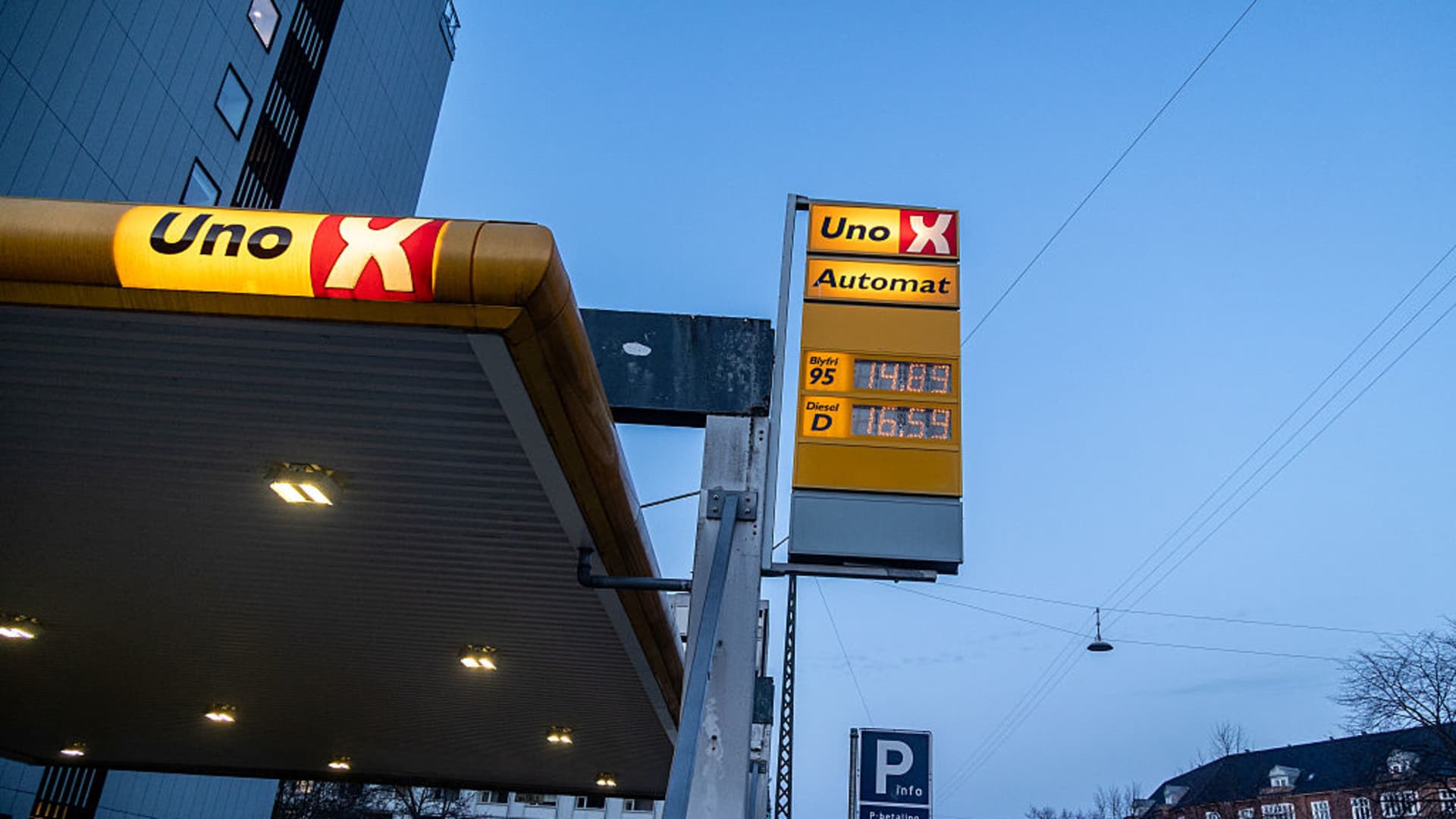
- Energy Consumption Warning: Denmark's Minister for Climate, Energy, and Utilities, Lars Aagaard, has urged citizens to cut back on energy use, particularly non-essential car travel, as oil prices have surged above $100 per barrel due to ongoing Middle Eastern conflicts, putting pressure on household finances.
- Reserve Utilization Strategy: Aagaard emphasized that energy conservation could not only alleviate financial burdens on families but also extend the lifespan of the country's oil reserves, ensuring national energy security amid the ongoing conflict.
- International Response Measures: The International Energy Agency has agreed to release 400 million barrels of oil to address supply disruptions, while the U.S. plans to release 172 million barrels from its Strategic Petroleum Reserve, expected to be completed over the next 120 days, highlighting global concern over soaring oil prices.
- Global Energy Conservation Advocacy: Similar calls for energy conservation are spreading worldwide, with countries like the U.K. and Vietnam implementing measures to encourage reduced non-essential travel, reflecting a sense of urgency and willingness to cooperate in addressing the energy crisis.
See More
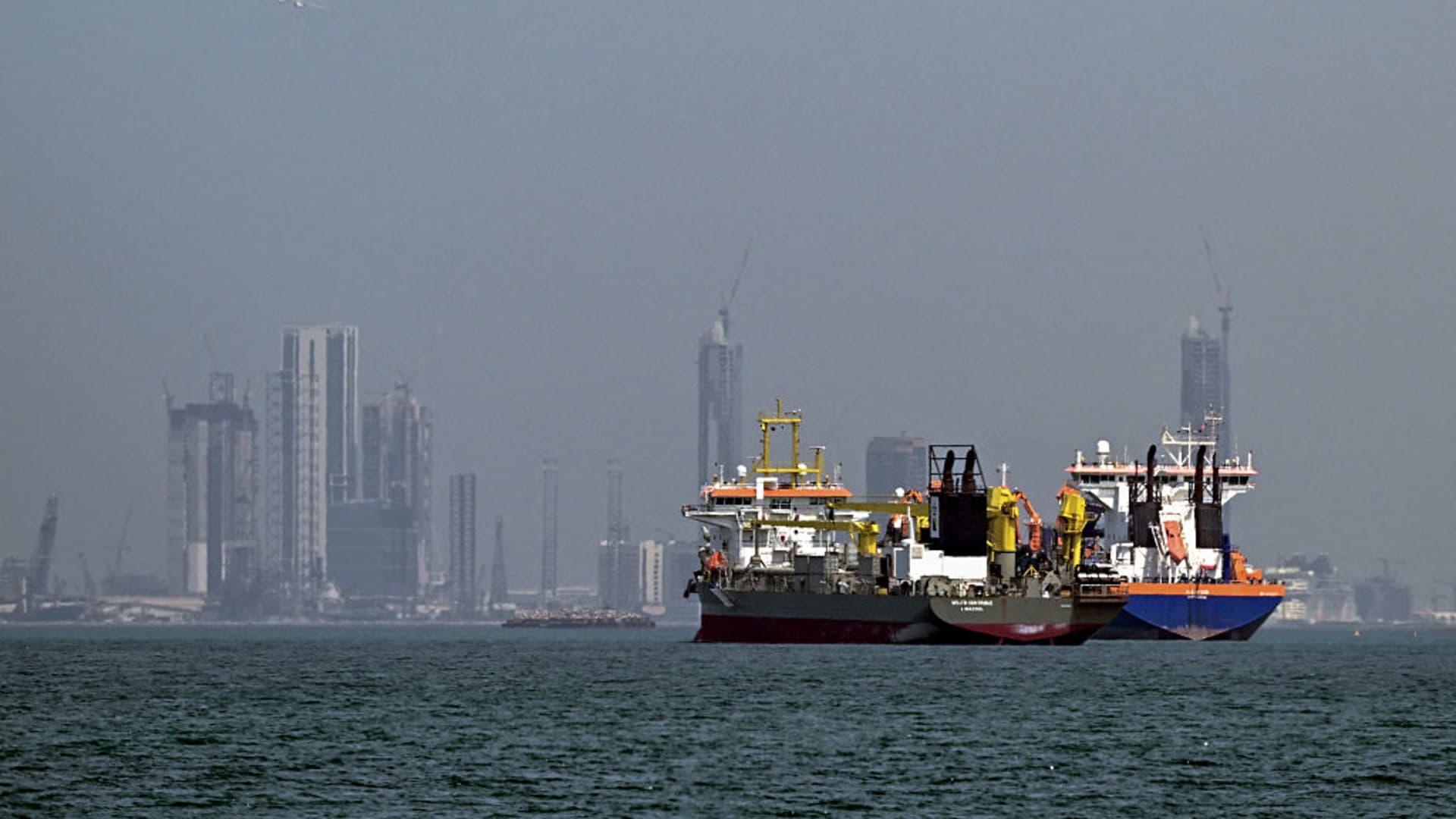
Attacks on Vessels in Strait of Hormuz Could Drive Oil Prices to $200
- Escalating Maritime Attacks: Three foreign vessels were struck in the Strait of Hormuz, with oil tankers ablaze in Iraqi waters resulting in at least one fatality and 38 crew members rescued, indicating a significant deterioration in regional security.
- Oil Price Warning: An Iranian military spokesperson warned that oil prices could surge to $200 per barrel, highlighting the direct impact of regional security on oil prices, which could trigger a global economic shock.
- Shipping Traffic Disruption: Since the U.S. and Israel launched airstrikes on Iran on February 28, shipping traffic through the Strait of Hormuz has virtually ground to a halt, exacerbating uncertainties in global energy supply.
- International Market Reaction: Brent crude futures rose 5.7% to $97.16 per barrel, reflecting the market's heightened concern over supply risks, which could lead to broader economic implications.
See More
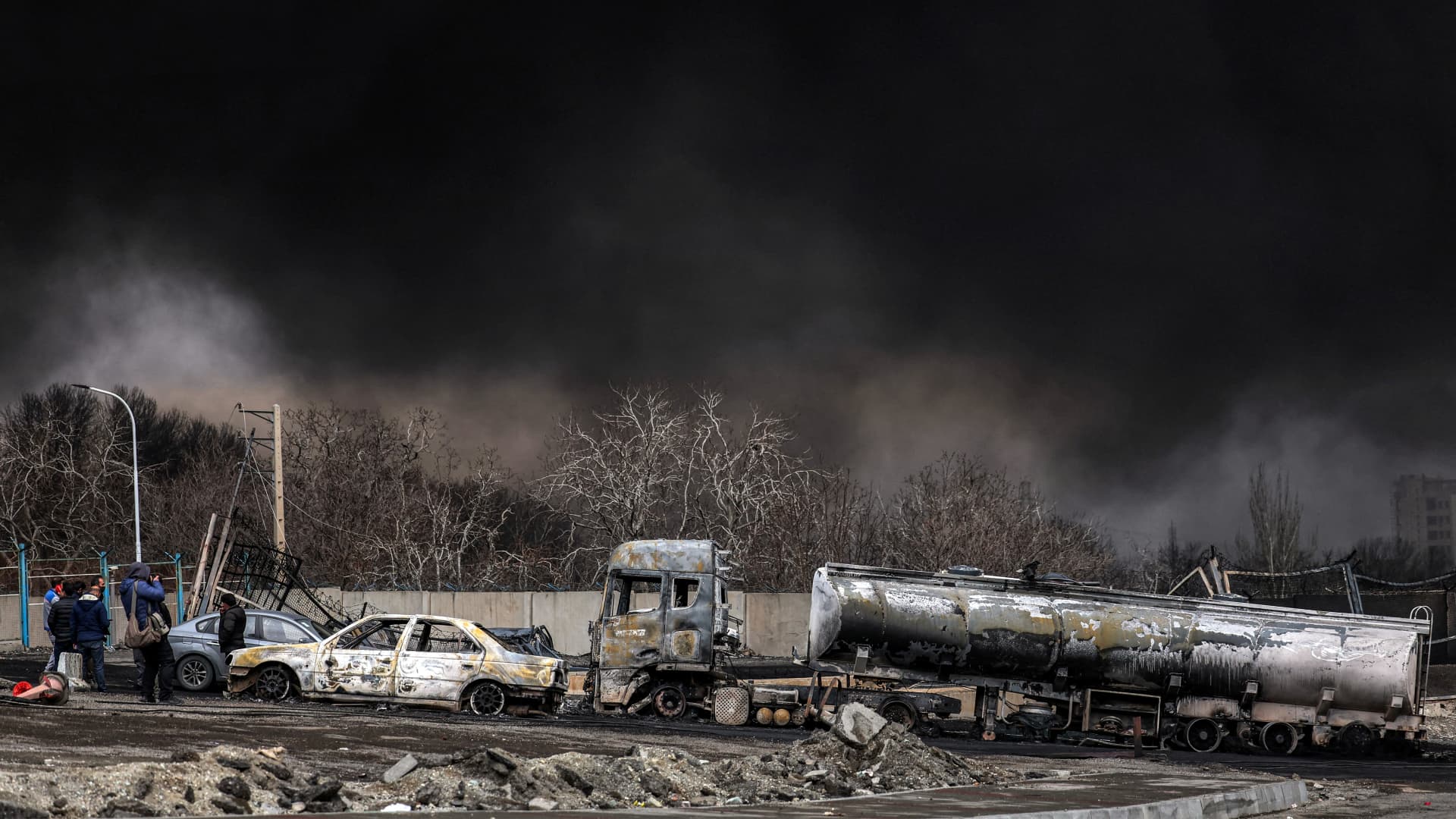
Oil Prices Surge Amid Trade Tensions and Geopolitical Strains

- Oil Price Surge: Despite the International Energy Agency's agreement to release a record 400 million barrels of oil, Brent crude prices surged past $100 per barrel on Thursday, indicating a strong market reaction to supply constraints that could lead to higher energy costs for consumers and businesses.
- U.S. Strategic Petroleum Reserve: The U.S. announced it would tap 172 million barrels from its Strategic Petroleum Reserve to help lower energy costs; however, this measure failed to stabilize market volatility, reflecting the complexity and uncertainty of the global energy landscape.
- Escalating Trade War: The U.S. government launched trade probes into over a dozen countries, targeting the EU, China, and Mexico, aiming to replace reciprocal tariffs ruled illegal by the Supreme Court, which could further escalate global trade tensions and impact international market confidence.
- Middle East Conflict Impact: The ongoing war in Iran poses risks to AI infrastructure development in the Middle East, with experts warning that attacks on data centers have already caused outages in banking and consumer services, highlighting the geopolitical risks threatening technology investments.
See More
ExxonMobil Board Proposes Redomiciliation to Texas
- Unanimous Board Decision: ExxonMobil's Board of Directors unanimously recommends shareholders approve the change of the company's legal domicile from New Jersey to Texas, believing this alignment with leadership and core operations since 1989 will enhance shareholder value.
- Texas Advantages: The Board highlighted Texas's recent efforts to create a favorable policy and regulatory environment for businesses, enabling the company to maximize shareholder value, with Texas's legal framework being stronger in certain aspects compared to New Jersey.
- Shareholder Rights Protection: The proposed redomiciliation will not affect business operations, management, strategy, assets, or employee locations, with the Board confirming that shareholder rights under Texas law are largely comparable to those in New Jersey, and in some areas, stronger.
- Shareholder Voting Arrangement: The proposal will be voted on at the 2026 Annual Meeting of Shareholders, with detailed information provided in the preliminary proxy statement filed with the U.S. Securities and Exchange Commission, ensuring shareholders are well-informed about the voting process.
See More
US Stocks Close Mixed Amid Volatile Oil Prices
- Market Volatility: US stocks closed mixed on Wednesday, primarily influenced by volatile oil prices, as investors adopted a cautious stance due to market uncertainties, reflecting concerns about future economic trends.
- IEA Decision: The International Energy Agency (IEA) approved the release of 400 million barrels from strategic oil reserves to address the escalating conflict between Iran and Israel, aiming to stabilize the global oil market and alleviate supply tensions.
- Geopolitical Pressures: Tortoise senior portfolio manager Rob Thummel examined the geopolitical pressures impacting the global market, emphasizing how these factors affect energy companies, particularly Cheniere Energy, EQT, and Exxon Mobil.
- Energy Company Trends: Amid market turmoil, investors are closely monitoring the performance of energy companies, especially Cheniere Energy, EQT, and Exxon Mobil, which may be affected to varying degrees by geopolitical tensions and oil price fluctuations.
See More
Airlines Adjust Fares Amid Soaring Fuel Prices
- Fuel Surcharge Increase: Cathay Pacific announced it would nearly double fuel surcharges starting March 18, reflecting the pressure on airlines from soaring fuel prices due to the U.S. and Israel's attacks on Iran, which may impact consumer travel choices.
- Flight Adjustment Risks: Air New Zealand stated it would suspend its financial outlook and make initial fare adjustments if fuel markets and operating conditions remain unstable, highlighting the vulnerability of airlines in a high fuel price environment, potentially affecting profitability.
- Demand and Pricing Power: Despite rising fuel prices, United Airlines CEO Scott Kirby noted that travel demand remains strong, and if this trend continues, airlines may gain more pricing power; however, this will depend on the duration of the conflict.
- Delayed Market Response: Analysts expect airlines to face the most acute financial impact in the next 30-90 days, as they booked yields for flights assuming lower fuel prices, making it difficult to adjust fares quickly, which could lead to earnings hits in the first quarter.
See More
Denmark's Energy Minister Urges Energy Conservation Amid Rising Oil Prices
- Energy Consumption Warning: Denmark's Minister for Climate, Energy, and Utilities, Lars Aagaard, has urged citizens to cut back on energy use, particularly non-essential car travel, as oil prices have surged above $100 per barrel due to ongoing Middle Eastern conflicts, putting pressure on household finances.
- Reserve Utilization Strategy: Aagaard emphasized that energy conservation could not only alleviate financial burdens on families but also extend the lifespan of the country's oil reserves, ensuring national energy security amid the ongoing conflict.
- International Response Measures: The International Energy Agency has agreed to release 400 million barrels of oil to address supply disruptions, while the U.S. plans to release 172 million barrels from its Strategic Petroleum Reserve, expected to be completed over the next 120 days, highlighting global concern over soaring oil prices.
- Global Energy Conservation Advocacy: Similar calls for energy conservation are spreading worldwide, with countries like the U.K. and Vietnam implementing measures to encourage reduced non-essential travel, reflecting a sense of urgency and willingness to cooperate in addressing the energy crisis.
See More
Attacks on Vessels in Strait of Hormuz Could Drive Oil Prices to $200
- Escalating Maritime Attacks: Three foreign vessels were struck in the Strait of Hormuz, with oil tankers ablaze in Iraqi waters resulting in at least one fatality and 38 crew members rescued, indicating a significant deterioration in regional security.
- Oil Price Warning: An Iranian military spokesperson warned that oil prices could surge to $200 per barrel, highlighting the direct impact of regional security on oil prices, which could trigger a global economic shock.
- Shipping Traffic Disruption: Since the U.S. and Israel launched airstrikes on Iran on February 28, shipping traffic through the Strait of Hormuz has virtually ground to a halt, exacerbating uncertainties in global energy supply.
- International Market Reaction: Brent crude futures rose 5.7% to $97.16 per barrel, reflecting the market's heightened concern over supply risks, which could lead to broader economic implications.
See More
Oil Prices Surge Amid Trade Tensions and Geopolitical Strains
- Oil Price Surge: Despite the International Energy Agency's agreement to release a record 400 million barrels of oil, Brent crude prices surged past $100 per barrel on Thursday, indicating a strong market reaction to supply constraints that could lead to higher energy costs for consumers and businesses.
- U.S. Strategic Petroleum Reserve: The U.S. announced it would tap 172 million barrels from its Strategic Petroleum Reserve to help lower energy costs; however, this measure failed to stabilize market volatility, reflecting the complexity and uncertainty of the global energy landscape.
- Escalating Trade War: The U.S. government launched trade probes into over a dozen countries, targeting the EU, China, and Mexico, aiming to replace reciprocal tariffs ruled illegal by the Supreme Court, which could further escalate global trade tensions and impact international market confidence.
- Middle East Conflict Impact: The ongoing war in Iran poses risks to AI infrastructure development in the Middle East, with experts warning that attacks on data centers have already caused outages in banking and consumer services, highlighting the geopolitical risks threatening technology investments.
See More