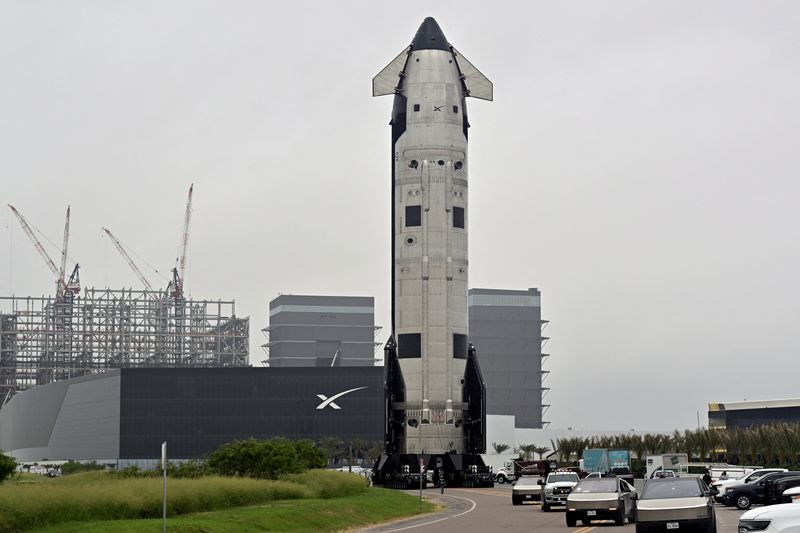
Arm Holdings Under Antitrust Investigation by FTC
Written by Emily J. Thompson, Senior Investment Analyst
Updated: May 15 2026
0mins

Source: Newsfilter
- Antitrust Investigation Launched: The U.S. Federal Trade Commission (FTC) is investigating Arm Holdings' semiconductor technology licensing to assess whether it is attempting to illegally monopolize parts of the semiconductor market, which could significantly impact its future market position.
- Licensing Agreement Scrutiny: The FTC is examining whether Arm will reject or downgrade licensing agreements for its chip blueprints used in designing central processing units, a decision that would directly affect Arm's relationships with major clients like Nvidia and Apple, as well as its revenue streams.
- Global Regulatory Pressure: In addition to the U.S., Arm's offices in South Korea are also under investigation by antitrust regulators, highlighting ongoing global scrutiny of its licensing practices, which may restrict its operations in international markets.
- Document Preservation Requirement: The FTC has demanded that Arm preserve relevant documents, indicating the seriousness of the investigation and potential legal repercussions; unfavorable findings could negatively impact Arm's business model and stock price.
Trade with 70% Backtested Accuracy
Stop guessing "Should I Buy NVDA?" and start using high-conviction signals backed by rigorous historical data.
Sign up today to access powerful investing tools and make smarter, data-driven decisions.
Analyst Views on NVDA
Wall Street analysts forecast NVDA stock price to rise
41 Analyst Rating
39 Buy
1 Hold
1 Sell
Strong Buy
Current: 219.510

Low
200.00
Averages
264.97
High
352.00
Current: 219.510
Low
200.00
Averages
264.97
High
352.00
About NVDA
NVIDIA Corporation is an artificial intelligence (AI) infrastructure company. The Company is engaged in accelerated computing to help solve the challenging computational problems. Its segments include Compute & Networking and Graphics. The Compute & Networking segment includes its Data Center accelerated computing and networking platforms and AI solutions and software, and automotive platforms and autonomous and electric vehicle solutions, including software. The Graphics segment includes GeForce GPUs for gaming and personal computers (PCs), and Quadro/NVIDIA RTX GPUs for enterprise workstation graphics. Its technology stack includes the foundational NVIDIA CUDA development platform that runs on all NVIDIA GPUs, as well as hundreds of domain-specific software libraries, frameworks, algorithms, software development kits (SDKs), and application programming interfaces (APIs). Its platforms address four markets, which include Data Center, Gaming, Professional Visualization, and Automotive.
About the author

Emily J. Thompson
Emily J. Thompson, a Chartered Financial Analyst (CFA) with 12 years in investment research, graduated with honors from the Wharton School. Specializing in industrial and technology stocks, she provides in-depth analysis for Intellectia’s earnings and market brief reports.
Nvidia Achieves $5 Trillion Market Capitalization

- Significant Revenue Growth: Nvidia reported $81.6 billion in revenue for Q1 fiscal 2027, marking an impressive 85% year-over-year increase, which surpasses last year's 69% growth rate, demonstrating strong demand and sustained market leadership in the AI chip sector.
- Profitability Surge: The company's non-GAAP earnings skyrocketed by 140% year-over-year to $1.87 per share, significantly exceeding last year's 33% growth, indicating Nvidia's ability to enhance profitability even in a highly competitive environment, thereby boosting investor confidence.
- Future Growth Expectations: Nvidia anticipates revenue of $91 billion for the current quarter, a remarkable 95% increase year-over-year, suggesting that the company is well-positioned to capitalize on the next phase of the AI computing cycle and expand its market share further.
- Infrastructure Spending Boom: AI infrastructure spending is projected to surge from $1 trillion in 2026 to between $3 trillion and $4 trillion by 2030, with Nvidia's data center revenue already at $75.2 billion, translating to an annual run rate of $300 billion, highlighting its substantial growth potential in this market.
See More
Nvidia Enters $200 Billion Market with Vera Rubin Platform
- Strong Earnings Report: Nvidia reported $81.6 billion in revenue for Q1 FY2027, an 85% year-over-year increase, reflecting robust market demand and significant growth potential, particularly in the data center segment.
- Data Center Dominance: Over 92% of total revenue ($75.2 billion) came from the data center business, indicating that this segment will continue to be Nvidia's primary revenue generator, solidifying its market leadership.
- New Market Opportunity: The introduction of Nvidia's Vera Rubin platform into a $200 billion total addressable market signifies a pivotal shift from being a graphics chip manufacturer to a comprehensive AI hardware ecosystem, opening new revenue streams.
- CPU Revenue Expectations: Nvidia anticipates standalone CPU revenue of $20 billion this year, and while the realization of this projection remains to be seen, it generates excitement among investors, potentially driving future growth.
See More

Three Key Strategies for Investors Before Year-End

- Focus on Winning Stocks: For instance, Alphabet's stock has more than doubled in the past year, prompting investors to consider taking profits before year-end to reduce its allocation in their portfolios and mitigate potential capital gains tax burdens.
- Tax Loss Harvesting Strategy: With NuScale Power's shares down 50% over the past year, investors can sell losing stocks to offset gains from winning stocks, effectively utilizing this strategy to minimize tax impacts on their trading decisions.
- Cash Reallocation: After trimming profits and harvesting tax losses, investors can use the cash in their brokerage accounts to buy new stocks or increase positions in existing investments, with companies like Procter & Gamble viewed as safe havens during economic uncertainty.
- Portfolio Maintenance: Investors should regularly review their portfolios to ensure necessary buying, selling, and rebalancing occurs before year-end, maintaining the effectiveness of their investment plans and avoiding potential losses from neglect.
See More

SpaceX Releases S-1 Prospectus Ahead of $1.5 Trillion IPO Valuation

- Business Segment Overview: SpaceX's S-1 prospectus reveals projected revenues for 2025, with the Connectivity segment expected to generate $11.387 billion and an operating income of $4.423 billion, highlighting its profitability primarily driven by Starlink broadband services.
- AI Segment Challenges: Despite an anticipated revenue of $3.201 billion for the AI segment in 2025, it faces a staggering operating loss of $6.355 billion, indicating significant hurdles, particularly as xAI's models have not gained traction compared to competitors.
- Market Opportunity Assessment: SpaceX estimates a total addressable market of $28.5 trillion, with 93% stemming from AI applications; however, the current lack of competitiveness in AI models may hinder future market share and revenue growth.
- Space Data Center Strategy: SpaceX aims to establish data centers in space to reduce AI model costs by harnessing solar energy, coupled with the Terafab joint venture with Tesla to lessen reliance on traditional chip manufacturers, potentially enhancing long-term profitability.
See More

SpaceX Plans IPO at $1.5 Trillion Valuation
- Funding Target: SpaceX aims to raise high tens of billions in its upcoming IPO, with a valuation of $1.5 trillion, contingent on its performance across multiple sectors including space, connectivity, and AI, which are critical for justifying this lofty valuation.
- Segment Performance: The S-1 filing reveals that SpaceX's connectivity segment is projected to generate $11.387 billion in revenue and $4.423 billion in operating income by 2025, reflecting a 49.8% revenue growth and 120.4% profit increase, making it the only profitable segment and highlighting strong demand for Starlink.
- AI Business Challenges: Despite an expected revenue of $3.201 billion for AI in 2025, the segment faces a staggering operating loss of $6.355 billion, with first-quarter revenue stagnating, indicating SpaceX's insufficient competitiveness in this area, particularly when compared to industry leaders.
- Space Data Center Strategy: SpaceX plans to establish data centers in space to reduce AI model costs by leveraging solar energy, alongside its joint venture Terafab with Tesla to produce chips, aiming to decrease reliance on external suppliers; if successful, this strategy could significantly alter the competitive landscape in the AI industry.
See More

Micron Technology Reports Strong Earnings, Optimistic Outlook

- Strong Earnings Performance: Micron Technology reported an EPS of $12.20 in its latest quarter, exceeding the market estimate of $8.79 by 39%, highlighting the company's robust growth potential in the AI sector.
- Significant Revenue Growth: The Cloud Memory Business Unit generated $5.28 billion in revenue this quarter with a gross margin of 66%, contributing to a 57% year-over-year increase in overall revenue, underscoring Micron's central role in the rapidly expanding AI market.
- Attractive Valuation: With a forward PE of just 8 and a PEG ratio of 0.259, Micron's earnings growth is significantly outpacing its stock price growth, indicating that the current stock price is undervalued and that investor expectations for future profitability are not fully reflected.
- Market Sentiment Fluctuations: Despite a 685% increase in Micron's stock price over the past year, the Wall Street consensus price target sits at $613, below the current price, suggesting analysts have not fully adjusted to its earnings power, while market sentiment remains volatile.
See More
Nvidia Achieves $5 Trillion Market Capitalization
- Significant Revenue Growth: Nvidia reported $81.6 billion in revenue for Q1 fiscal 2027, marking an impressive 85% year-over-year increase, which surpasses last year's 69% growth rate, demonstrating strong demand and sustained market leadership in the AI chip sector.
- Profitability Surge: The company's non-GAAP earnings skyrocketed by 140% year-over-year to $1.87 per share, significantly exceeding last year's 33% growth, indicating Nvidia's ability to enhance profitability even in a highly competitive environment, thereby boosting investor confidence.
- Future Growth Expectations: Nvidia anticipates revenue of $91 billion for the current quarter, a remarkable 95% increase year-over-year, suggesting that the company is well-positioned to capitalize on the next phase of the AI computing cycle and expand its market share further.
- Infrastructure Spending Boom: AI infrastructure spending is projected to surge from $1 trillion in 2026 to between $3 trillion and $4 trillion by 2030, with Nvidia's data center revenue already at $75.2 billion, translating to an annual run rate of $300 billion, highlighting its substantial growth potential in this market.
See More
Nvidia Enters $200 Billion Market with Vera Rubin Platform
- Strong Earnings Report: Nvidia reported $81.6 billion in revenue for Q1 FY2027, an 85% year-over-year increase, reflecting robust market demand and significant growth potential, particularly in the data center segment.
- Data Center Dominance: Over 92% of total revenue ($75.2 billion) came from the data center business, indicating that this segment will continue to be Nvidia's primary revenue generator, solidifying its market leadership.
- New Market Opportunity: The introduction of Nvidia's Vera Rubin platform into a $200 billion total addressable market signifies a pivotal shift from being a graphics chip manufacturer to a comprehensive AI hardware ecosystem, opening new revenue streams.
- CPU Revenue Expectations: Nvidia anticipates standalone CPU revenue of $20 billion this year, and while the realization of this projection remains to be seen, it generates excitement among investors, potentially driving future growth.
See More
Three Key Strategies for Investors Before Year-End
- Focus on Winning Stocks: For instance, Alphabet's stock has more than doubled in the past year, prompting investors to consider taking profits before year-end to reduce its allocation in their portfolios and mitigate potential capital gains tax burdens.
- Tax Loss Harvesting Strategy: With NuScale Power's shares down 50% over the past year, investors can sell losing stocks to offset gains from winning stocks, effectively utilizing this strategy to minimize tax impacts on their trading decisions.
- Cash Reallocation: After trimming profits and harvesting tax losses, investors can use the cash in their brokerage accounts to buy new stocks or increase positions in existing investments, with companies like Procter & Gamble viewed as safe havens during economic uncertainty.
- Portfolio Maintenance: Investors should regularly review their portfolios to ensure necessary buying, selling, and rebalancing occurs before year-end, maintaining the effectiveness of their investment plans and avoiding potential losses from neglect.
See More
SpaceX Releases S-1 Prospectus Ahead of $1.5 Trillion IPO Valuation
- Business Segment Overview: SpaceX's S-1 prospectus reveals projected revenues for 2025, with the Connectivity segment expected to generate $11.387 billion and an operating income of $4.423 billion, highlighting its profitability primarily driven by Starlink broadband services.
- AI Segment Challenges: Despite an anticipated revenue of $3.201 billion for the AI segment in 2025, it faces a staggering operating loss of $6.355 billion, indicating significant hurdles, particularly as xAI's models have not gained traction compared to competitors.
- Market Opportunity Assessment: SpaceX estimates a total addressable market of $28.5 trillion, with 93% stemming from AI applications; however, the current lack of competitiveness in AI models may hinder future market share and revenue growth.
- Space Data Center Strategy: SpaceX aims to establish data centers in space to reduce AI model costs by harnessing solar energy, coupled with the Terafab joint venture with Tesla to lessen reliance on traditional chip manufacturers, potentially enhancing long-term profitability.
See More
SpaceX Plans IPO at $1.5 Trillion Valuation
- Funding Target: SpaceX aims to raise high tens of billions in its upcoming IPO, with a valuation of $1.5 trillion, contingent on its performance across multiple sectors including space, connectivity, and AI, which are critical for justifying this lofty valuation.
- Segment Performance: The S-1 filing reveals that SpaceX's connectivity segment is projected to generate $11.387 billion in revenue and $4.423 billion in operating income by 2025, reflecting a 49.8% revenue growth and 120.4% profit increase, making it the only profitable segment and highlighting strong demand for Starlink.
- AI Business Challenges: Despite an expected revenue of $3.201 billion for AI in 2025, the segment faces a staggering operating loss of $6.355 billion, with first-quarter revenue stagnating, indicating SpaceX's insufficient competitiveness in this area, particularly when compared to industry leaders.
- Space Data Center Strategy: SpaceX plans to establish data centers in space to reduce AI model costs by leveraging solar energy, alongside its joint venture Terafab with Tesla to produce chips, aiming to decrease reliance on external suppliers; if successful, this strategy could significantly alter the competitive landscape in the AI industry.
See More
Micron Technology Reports Strong Earnings, Optimistic Outlook
- Strong Earnings Performance: Micron Technology reported an EPS of $12.20 in its latest quarter, exceeding the market estimate of $8.79 by 39%, highlighting the company's robust growth potential in the AI sector.
- Significant Revenue Growth: The Cloud Memory Business Unit generated $5.28 billion in revenue this quarter with a gross margin of 66%, contributing to a 57% year-over-year increase in overall revenue, underscoring Micron's central role in the rapidly expanding AI market.
- Attractive Valuation: With a forward PE of just 8 and a PEG ratio of 0.259, Micron's earnings growth is significantly outpacing its stock price growth, indicating that the current stock price is undervalued and that investor expectations for future profitability are not fully reflected.
- Market Sentiment Fluctuations: Despite a 685% increase in Micron's stock price over the past year, the Wall Street consensus price target sits at $613, below the current price, suggesting analysts have not fully adjusted to its earnings power, while market sentiment remains volatile.
See More